
Nutrition comparison
Mandarin vs Orange: Which Citrus Fruit Is Healthier?
Compare mandarins and oranges on nutrition, convenience, sugar, fiber, and vitamin C. Find out which is better for weight loss, kids, and daily snacking.
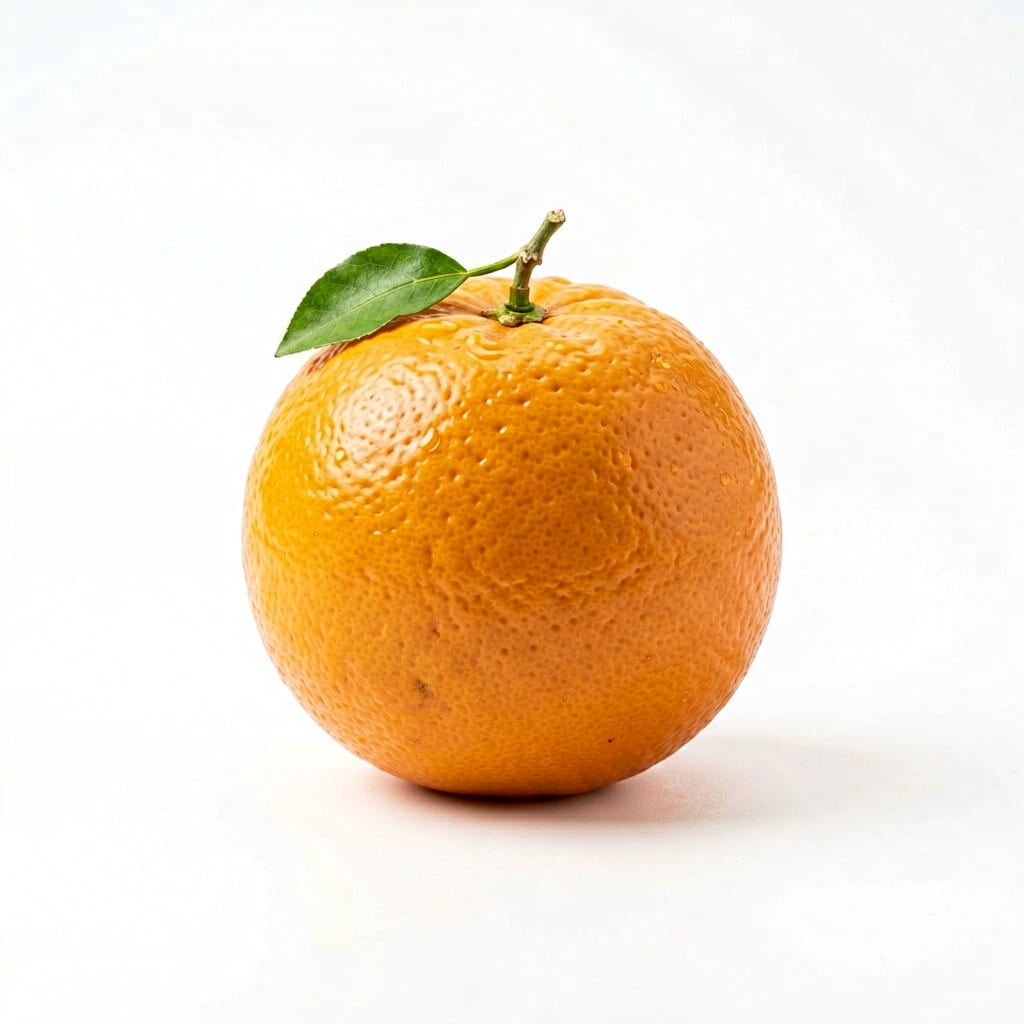
Mandarin
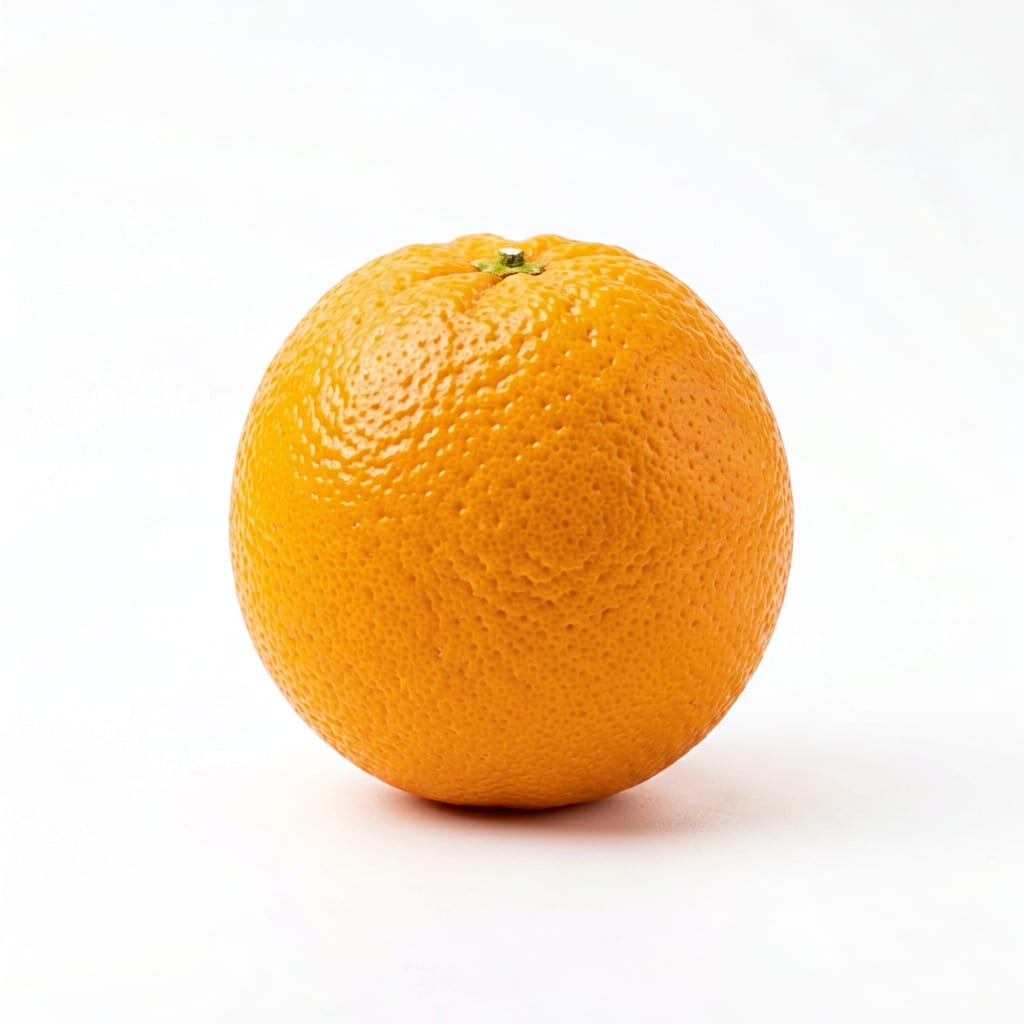
Orange
Oranges win on nutrition density and fullness; mandarins win on convenience and kid appeal. The right pick depends on your lifestyle moment.
Oranges score higher due to superior fiber, vitamin C, and satiety per serving. Mandarins remain strong for convenience and enjoyment, narrowing the gap in real-world scenarios where ease of eating determines whether you actually reach for fruit at all.
You trade satiety and vitamin C for portability and ease when choosing mandarins over oranges.
At a glance
Executive summary
Overall
It depends
Healthier
Orange
More practical
Mandarin
Daily use
It depends
Key comparison lenses
convenience vs nutrition tradeoff
Mandarins are dramatically easier to peel and eat on the go, while oranges deliver more nutrition per serving
sugar and portion control
Mandarins are small and easy to overeat; oranges are naturally self-limiting due to size and effort
vitamin C and immunity
Both are vitamin C staples but oranges deliver significantly more per fruit
snacking vs meal integration
Mandarins are grab-and-go snacks; oranges work better as part of a meal or breakfast
child friendly comparison
Mandarins are one of the most kid-friendly fruits available due to size and sweetness
Best choice for
Mandarin
- Busy professionals who need a quick desk snack
- Parents packing school lunches
- Anyone who avoids fruit because peeling is annoying
- People who want portion-controlled sweetness
- Older adults with reduced hand strength or dexterity
Orange
- Anyone prioritizing immune support during cold season
- Breakfast eaters who want sustained morning energy
- People tracking fullness and trying to eat less overall
- Athletes needing post-workout vitamin C and hydration
- Budget-conscious shoppers getting more nutrition per dollar
Least suitable for
Mandarin
- People who struggle with portion control and could easily eat 5+ mandarins
- Anyone maximizing vitamin C intake on a budget
- Those wanting a filling snack that prevents overeating later
Orange
- People with limited hand strength or arthritis who find peeling difficult
- Kids who get frustrated with messy peeling
- Commuters or hikers needing one-handed snacking
- Anyone who finds oranges too tart or acidic
Deep comparison
Dimension by dimension
Each lens scores both foods and breaks down who each option suits.
- Dimension 1 · Priority 95Mandarin
convenience_and_portability
Mandarin · 94Orange · 52Mandarins are one of the most portable fruits available. Oranges require two hands, a surface, and often a napkin.
Tradeoff
The fruit you actually grab on your way out the door beats the one that sits in the fridge because peeling feels like a project.
Why it matters
Convenience is the single biggest predictor of whether someone eats fruit regularly. A mandarin in your bag always beats an orange you left behind.
Real-world impact
If you commute, travel, or snack at your desk, mandarins get eaten. Oranges often get skipped or saved for later and forgotten.
Mandarin
- On-the-go snacking
- Packing in lunchboxes
- Eating while walking or driving
- Quick energy between meetings
Better for
- Situations where you want a substantial, filling fruit serving
Worse for
Orange
- Sitting down for a proper breakfast
- Post-workout rehydration at home
- Juicing or smoothie making
Better for
- Any scenario where you need one-handed, mess-free eating
Worse for
- Dimension 2 · Priority 88Orange
vitamin_c_and_immune_support
Mandarin · 62Orange · 91One medium orange delivers roughly 70mg of vitamin C. A mandarin provides about 23-30mg. The difference is substantial.
Tradeoff
You would need to eat 2-3 mandarins to match one orange's vitamin C, which also means consuming more sugar and calories.
Why it matters
During cold season or periods of high stress, that vitamin C gap matters. One orange covers most of your daily needs; one mandarin covers about a third.
Real-world impact
If immune support is your priority, one orange does the job of nearly three mandarins with fewer total calories.
Mandarin
- Mild daily vitamin C top-ups without overthinking portions
Better for
- Anyone relying on a single fruit for daily vitamin C needs
Worse for
Orange
- Active immune support during illness recovery
- Preventing vitamin C deficiency on a budget
- Maximizing antioxidant intake per calorie
Better for
- People who find oranges too acidic on an empty stomach
Worse for
- Dimension 3 · Priority 85Orange
satiety_and_fullness
Mandarin · 48Orange · 82Oranges are significantly more filling due to larger size, more fiber, and higher water volume. Mandarins are light snacks that disappear quickly.
Tradeoff
A mandarin satisfies a sweet craving for 10 minutes. An orange can hold you over for an hour or more between meals.
Why it matters
If you are trying to manage weight or avoid unnecessary snacking, the fruit that actually fills you up is the better tool.
Real-world impact
One orange at 3pm can prevent a trip to the vending machine. One mandarin often leaves you wanting something else 20 minutes later.
Mandarin
- Light snacking when you want something small
- Pre-dinner fruit that won't spoil your appetite
Better for
- Anyone using fruit as a hunger-management strategy
- Emotional eaters who need volume and satisfaction
Worse for
Orange
- Bridging long gaps between meals
- Replacing higher-calorie afternoon snacks
- Breakfast fruit that keeps you full until lunch
Better for
- Times when you want just a taste of sweetness without feeling full
Worse for
- Dimension 4 · Priority 82Orange
sugar_and_portion_control
Mandarin · 55Orange · 78Mandarins are sweeter and easier to overeat. Oranges are self-limiting because one is usually enough and they require effort to consume.
Tradeoff
The same easy-to-peel quality that makes mandarins convenient also makes it dangerously easy to eat four or five in a sitting.
Why it matters
Four mandarins deliver about 200 calories and 40g of sugar. One orange gives you more nutrition for roughly 60 calories and 12g of sugar.
Real-world impact
If you have ever finished a bag of mandarins without realizing it, you know this is not theoretical. Oranges naturally enforce portion control.
Mandarin
- Controlled snacking of 1-2 mandarins when you want something sweet
- Replacing candy or dessert with a naturally sweet fruit
Better for
- People who struggle to stop eating sweet foods once they start
- Anyone closely tracking daily sugar intake
Worse for
Orange
- Blood sugar management where consistent portions matter
- Weight management where mindless overeating is a concern
Better for
- Situations where you genuinely want a small, light treat
Worse for
- Dimension 5 · Priority 78Orange
fiber_and_digestive_health
Mandarin · 55Orange · 84A medium orange provides about 3g of fiber. A mandarin offers roughly 1.5-2g. Oranges are clearly superior for digestive regularity.
Tradeoff
Better fiber means steadier blood sugar, better digestion, and longer-lasting fullness. Mandarins are not bad, but they are not in the same league.
Why it matters
Most people are already short on daily fiber. Choosing the fruit that delivers more per serving is a simple upgrade.
Real-world impact
An orange a day meaningfully contributes to your 25-30g fiber goal. A mandarin contributes about half as much.
Mandarin
- Gentle fiber for sensitive digestive systems
- Kids who need small amounts of fiber without overwhelming volume
Better for
- Anyone specifically trying to increase fiber intake
Worse for
Orange
- Improving daily fiber intake efficiently
- Supporting gut health and digestive regularity
- Stabilizing blood sugar response after meals
Better for
- People with IBS who need to limit fermentable fiber
Worse for
- Dimension 6 · Priority 75It depends
taste_and_enjoyment
Mandarin · 85Orange · 78Mandarins are sweeter, less acidic, and more dessert-like. Oranges offer a classic tart-sweet balance with more juice complexity.
Tradeoff
Mandarins please picky eaters and sweet tooths. Oranges satisfy people who want bold, refreshing flavor with some bite.
Why it matters
The best fruit for you is the one you will actually eat consistently. Taste preferences should not be dismissed as trivial.
Real-world impact
If you find oranges too sour or acidic, mandarins are the fruit you will reach for instead of skipping fruit entirely.
Mandarin
- Kids and picky eaters who reject tart flavors
- People who want fruit that tastes like a treat
- Replacing dessert with something naturally sweet
Better for
- People who find very sweet fruit cloying
- Culinary uses where acidity and tartness are needed
Worse for
Orange
- Fans of bold, tangy citrus flavor
- Cooking and recipes where acidity matters
- Freshly squeezed juice enthusiasts
Better for
- Anyone sensitive to acidic foods on an empty stomach
- People who avoid fruit because it is not sweet enough
Worse for
Timeline
Health impact over time
Short-term
Hours to days
Mandarin
- Quick energy boost from easily absorbed natural sugars
- Mild blood sugar spike compared to oranges due to lower fiber and higher sweetness
- Easy on the stomach for most people due to lower acidity
Orange
- More sustained energy release thanks to higher fiber content
- Better short-term fullness that reduces snacking urges for 1-2 hours
- Can cause mild heartburn in sensitive individuals due to higher acidity
Long-term
Months to years
Mandarin
- Consistent fruit intake is more likely because mandarins are so easy to eat
- Risk of excess sugar intake if portions are not managed, especially from canned varieties in syrup
- Adequate but not optimal vitamin C levels if mandarins are your only fruit source
Orange
- Stronger long-term immune support from consistently higher vitamin C intake
- Better digestive regularity and gut health from superior fiber content
- Lower risk of overconsumption due to natural portion control and eating effort
Risk profile
Safety & processing
Both are whole, unprocessed fruits when purchased fresh. However, canned mandarins are common and often packed in syrup with added sugar and preservatives, which dramatically changes the comparison. Always choose fresh mandarins over canned for a fair nutritional match against oranges.
Mandarin
Pesticide residue on peel
mediumMandarins are frequently consumed by children who may handle the peel and then eat with their hands. Washing before peeling reduces transfer risk significantly.
Canned mandarin syrup contamination
mediumCanned mandarins in syrup may contain BPA from can linings and added sugars. Fresh mandarins avoid this entirely.
Orange
Pesticide residue on peel
mediumOranges have similar pesticide concerns to mandarins. Washing before peeling is recommended, especially since peel is sometimes used in cooking.
Citrus acidity and dental erosion
lowOranges are more acidic than mandarins. Frequent consumption, especially sipping orange juice, can erode tooth enamel over time. Rinse with water after eating.
Who wins for whom
Audience fit
Same foods, different winners depending on your goal.
children
MandarinMandarins are perfectly sized for small hands, easy to peel, sweet, and fun to eat. Most kids prefer them over oranges without any persuasion needed.
daily consumption
It dependsIf you will actually eat fruit daily because it is convenient, mandarins win. If you already eat fruit consistently and want maximum nutrition per serving, oranges win.
diabetes
OrangeHigher fiber in oranges slows sugar absorption and creates a gentler blood sugar response. Mandarins' sweetness and lower fiber make glucose management slightly harder.
elderly
MandarinMandarins require far less hand strength to peel and segment. For anyone with arthritis or reduced dexterity, this is a meaningful quality-of-life difference.
muscle gain
OrangeOranges offer more vitamin C per serving, which supports collagen synthesis and recovery. Neither is a protein source, so the difference is modest.
weight loss
OrangeOranges provide more fullness per calorie and naturally limit overeating. Mandarins are easy to consume in excess without feeling satisfied.
Your move
Decision guide
Choose Mandarin
- You frequently skip fruit because it is inconvenient to prepare
- You are packing snacks for kids or a partner who avoids oranges
- You want a light, sweet treat that feels like dessert without the guilt
- You have hand or wrist issues that make peeling oranges painful
- You tend to eat just one or two and can stop without overdoing it
Choose Orange
- You want maximum nutrition from every calorie you consume
- You are focused on immune support, fiber intake, or feeling full longer
- You eat fruit as part of a sit-down meal, especially breakfast
- You are prone to mindless snacking and need built-in portion control
- You are on a budget and want more nutritional value per fruit
Either works if
- You simply want a healthy whole-food snack and have no specific health goal
- You enjoy both and can rotate based on what is seasonal and fresh
- You are meeting your fiber and vitamin C needs from other sources already
Avoid both if
- You have a citrus allergy or severe acid reflux triggered by citrus
- You are on a strict very-low-carb or ketogenic diet
- You have kidney disease requiring potassium restriction
Final recommendation
Keep both in your kitchen. Use oranges when you have time for a proper, filling snack or meal addition. Keep mandarins for the moments when convenience is the difference between eating fruit or reaching for processed snacks. The best fruit is always the one you will actually eat.
Practical
Consumer tips
- 1
Wash both fruits before peeling to reduce pesticide transfer from hands to flesh
- 2
Avoid canned mandarins in syrup. They have added sugar and lose significant vitamin C during processing
- 3
Choose mandarins that feel heavy for their size. Light ones are often dried out
- 4
Navel oranges are sweeter and less acidic than Valencia. Pick based on your taste preference
- 5
Store both in the refrigerator for longer freshness. Room temperature is fine if you eat them within a few days
- 6
If you buy mandarins, pre-portion them into small bags to prevent accidental overeating
- 7
Frozen orange segments make a refreshing summer snack that takes longer to eat