
Nutrition comparison
Mandarin vs Mango: Which Fruit Is Better for You?
Compare mandarin and mango on sugar, calories, vitamins, and convenience. Find out which fruit fits your health goals, weight loss plan, or daily snacking routine.

Mandarin
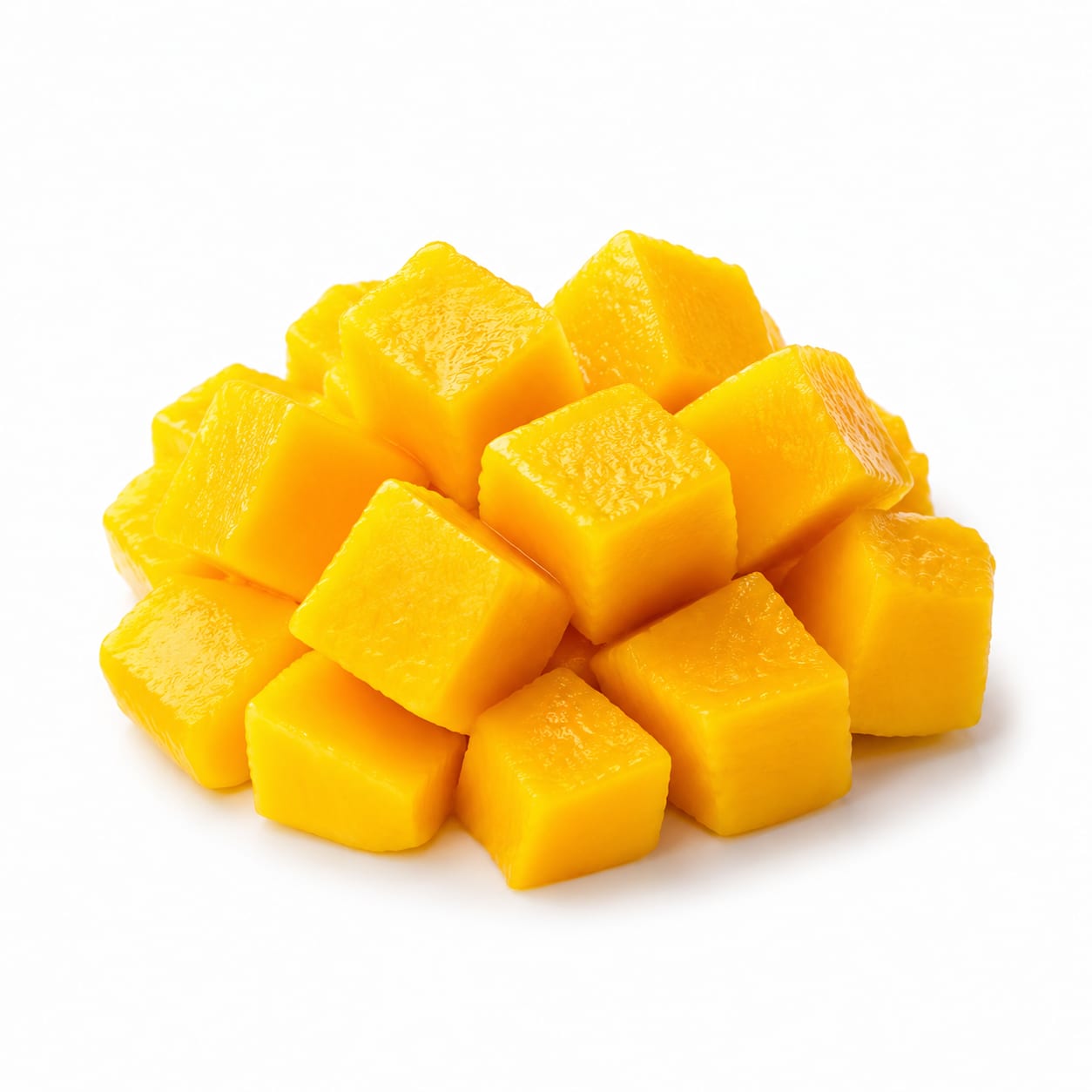
Mango
Mandarin wins for low-calorie snacking and blood sugar control; mango wins for nutrient density and satisfying hunger.
Mandarin edges ahead due to lower sugar, easier portion control, and superior convenience, though mango offers richer micronutrition. The close scores reflect that both are healthy whole fruits with different strengths.
Mandarin gives you fewer calories and easier portion control, while mango delivers richer nutrition but with more sugar and calories per serving.
At a glance
Executive summary
Overall
It depends
Healthier
It depends
More practical
Mandarin
Daily use
Mandarin
Key comparison lenses
sugar content and blood sugar
Both are sweet fruits with notably different sugar loads and glycemic impacts, a primary concern for most users comparing tropical or citrus fruits
weight management and calorie control
Mandarin is significantly lower in calories per serving, making it more relevant for portion-aware snacking
convenience and portability
Mandarin is peel-and-eat while mango requires cutting and prep, affecting real-world daily use
vitamin and antioxidant profile
Mandarin excels in vitamin C while mango dominates in vitamin A and beta-carotene, creating a meaningful nutritional tradeoff
satiety and filling power
Mango is denser and more filling per serving, which matters for hunger management
Best choice for
Mandarin
- Low-calorie snacking and weight loss
- Blood sugar management
- On-the-go convenience
- Kids lunchboxes
- Controlling sweet cravings without overdoing sugar
Mango
- Nutrient-dense meals and smoothies
- Vitamin A and antioxidant needs
- Post-workout energy replenishment
- Tropical recipe versatility
- Getting fuller on fewer total foods
Least suitable for
Mandarin
- Those needing calorie-dense fruit for energy
- People seeking high vitamin A intake
- Smoothie or recipe use where texture matters
Mango
- Strict low-sugar diets
- Careful calorie counting
- Quick portable snacking
- Diabetes management without portion control
Deep comparison
Dimension by dimension
Each lens scores both foods and breaks down who each option suits.
- Dimension 1 · Priority 92Mandarin
Sugar and Blood Sugar Impact
Mandarin · 82Mango · 58Mandarin has roughly half the sugar per serving compared to mango, making it gentler on blood sugar.
Tradeoff
Mango's higher sugar comes with more fiber to slow absorption, but the total sugar load is still significantly higher.
Why it matters
If you are watching blood sugar, managing diabetes, or trying to reduce sugar cravings, mandarin is the safer everyday choice.
Real-world impact
A mandarin won't give you that sugar rush and crash feeling. A full mango might, especially if eaten on an empty stomach.
Mandarin
- Steadier energy levels
- Diabetes-friendly snacking
- Reduced sugar cravings
Better for
- Less effective for post-workout carb replenishment
Worse for
Mango
- Quick energy replenishment after exercise
- Satisfying a sweet tooth more intensely
Better for
- Higher risk of blood sugar spikes
- Harder to fit into low-sugar meal plans
Worse for
- Dimension 2 · Priority 88Mandarin
Calorie Density and Weight Management
Mandarin · 85Mango · 62A single mandarin has about 47 calories versus roughly 100 calories for a cup of mango, making mandarin easier to fit into calorie-controlled eating.
Tradeoff
Mango is more calorie-dense but also more filling, so you may eat less overall after consuming it.
Why it matters
For weight loss, mandarin's built-in portion control is hard to beat. One small fruit, done. Mango invites larger portions.
Real-world impact
You can eat three mandarins for roughly the same calories as one and a half cups of mango, and feel like you had more snacking variety.
Mandarin
- Calorie counting and portion control
- Grazing without overshooting calories
- Weight loss diets
Better for
- May not provide enough energy for active individuals
Worse for
Mango
- Situations where you need more calories from whole foods
- Feeling satisfied with less volume
Better for
- Easy to overeat, especially when cut up and bowl-grazed
- Calories add up fast in smoothies
Worse for
- Dimension 3 · Priority 80Mango
Vitamin and Antioxidant Profile
Mandarin · 68Mango · 86Mango delivers far more vitamin A and beta-carotene, while mandarin provides more vitamin C per calorie.
Tradeoff
Mandarin is your vitamin C champion; mango is your vitamin A powerhouse. They serve different nutritional purposes.
Why it matters
If you need immune support and skin health, mandarin's vitamin C is key. If you need eye health and antioxidant diversity, mango is superior.
Real-world impact
Eating mango regularly can meaningfully boost your vitamin A intake, which many people don't get enough of. Mandarin is better for daily immune defense.
Mandarin
- Vitamin C and immune support
- Skin health and collagen production
- Cold and flu season defense
Better for
- Lower overall nutrient density per serving
Worse for
Mango
- Vitamin A and eye health
- Beta-carotene and antioxidant diversity
- Skin repair from sun damage
Better for
- Less vitamin C per calorie compared to mandarin
Worse for
- Dimension 4 · Priority 85Mandarin
Convenience and Practicality
Mandarin · 94Mango · 52Mandarin is one of the most portable, mess-free fruits available. Mango requires cutting, peeling, and dealing with a large pit.
Tradeoff
Mandarin is grab-and-go perfect. Mango rewards you with richer flavor but demands prep time and creates mess.
Why it matters
The fruit you can actually eat on a Tuesday morning commute beats the one that sits on the counter because prep feels like effort.
Real-world impact
Mandarin goes in your bag, your car, your desk. Mango stays in the kitchen and often gets forgotten until it overripens.
Mandarin
- Commuting and travel snacking
- Office desk fruit
- Kids managing their own snacks
- No-mess eating
Better for
- Less versatile in recipes and cooking
Worse for
Mango
- Weekend meal prep and smoothie batches
- Dessert presentations
- Cooking and recipe integration
Better for
- Impractical for on-the-go snacking
- Juice mess and sticky hands
- Shorter fresh window once cut
Worse for
- Dimension 5 · Priority 75Mango
Satiety and Fullness
Mandarin · 55Mango · 78Mango's denser texture and higher calorie content make it more filling per serving than a small mandarin.
Tradeoff
Mandarin is lighter and less likely to make you feel heavy, but you may be hungry again sooner. Mango satisfies longer but feels heavier.
Why it matters
If you need a snack that actually holds you over until your next meal, mango does the job better.
Real-world impact
One mandarin is a light bridge between meals. A cup of mango can function as a mini-meal that keeps you going.
Mandarin
- Light snacking without feeling heavy
- Between-meal bridge when dinner is soon
Better for
- Unlikely to satisfy real hunger on its own
Worse for
Mango
- Replacing a heavier snack or mini-meal
- Staying full longer between meals
- Post-workout hunger management
Better for
- Heavier feeling may not suit light snacking moods
Worse for
- Dimension 6 · Priority 70Mango
Digestive Health and Fiber
Mandarin · 62Mango · 76Mango provides more fiber per serving, especially if you eat a generous portion, supporting digestion and gut health.
Tradeoff
Mandarin still offers decent fiber for its size, but you would need to eat several to match mango's fiber contribution.
Why it matters
Fiber matters for digestion regularity, gut microbiome health, and keeping you regular. Mango contributes more meaningfully per eating occasion.
Real-world impact
A cup of mango gets you about 3 grams of fiber. One mandarin gives you roughly 1.7 grams. Both help, but mango moves the needle more.
Mandarin
- Gentler on sensitive stomachs due to smaller portion
- Less likely to cause bloating in one sitting
Better for
- Lower total fiber contribution per eating occasion
Worse for
Mango
- More meaningful fiber per serving
- Better support for gut regularity
- Prebiotic benefits from higher fiber volume
Better for
- Large portions could cause bloating in sensitive individuals
Worse for
Timeline
Health impact over time
Short-term
Hours to days
Mandarin
- Quick vitamin C boost for immune support
- Light energy without sugar crash
- Easy to digest, gentle on the stomach
Mango
- Noticeable energy from natural sugars
- More immediate fullness and satisfaction
- Hydrating due to high water content
Long-term
Months to years
Mandarin
- Consistent low-calorie fruit intake supports weight maintenance
- Regular vitamin C intake benefits skin and immune health
- Lower sugar habit helps reduce sweet cravings over time
Mango
- Sustained vitamin A intake supports eye and skin health
- Higher fiber contributes to long-term gut health
- Antioxidant diversity may reduce inflammation markers
Risk profile
Safety & processing
Both mandarin and mango are whole, unprocessed fruits with no additives when eaten fresh. Canned or frozen versions may contain added sugars, so always check labels.
Mandarin
Pesticide residue on peel
mediumMandarins are frequently on the EWG's lower-risk list compared to other citrus, but peel contact during eating and zest use makes washing important.
Citrus allergy or sensitivity
lowSome individuals experience oral allergy syndrome or heartburn from citrus acids.
Mango
Pesticide residue
mediumConventionally grown mangoes can carry pesticide residues, though the thick peel reduces flesh exposure significantly.
Urushiol contact dermatitis from peel
mediumMango skin contains urushiol, the same compound as poison ivy. Sensitive individuals may develop a rash from handling the peel.
Rapid spoilage once cut
lowCut mango spoils quickly at room temperature and should be refrigerated and consumed within a few days.
Who wins for whom
Audience fit
Same foods, different winners depending on your goal.
children
MandarinMandarins are easy for small hands to peel, naturally portioned, and less messy, making them ideal for kids' snacks and lunchboxes.
daily consumption
MandarinMandarin's convenience, lower sugar, and portion control make it more sustainable as a daily habit without accumulating excess sugar or calories.
diabetes
MandarinMandarin has roughly half the sugar per serving and a lower glycemic load, making blood sugar management more predictable.
elderly
MandarinMandarin is easier to peel and eat for those with limited dexterity, and its lower sugar content is more appropriate for managing age-related blood sugar concerns.
muscle gain
MangoMango provides more carbs and calories per serving, supporting glycogen replenishment and energy needs for training.
weight loss
MandarinMandarin's lower calorie count and built-in portion control make it easier to fit into a calorie deficit without overeating.
Your move
Decision guide
Choose Mandarin
- You want a low-calorie snack you can eat anywhere
- You are managing blood sugar or reducing sugar intake
- You need something quick and mess-free for work or school
- You prefer lighter, refreshing fruit over dense and rich
- You want built-in portion control without thinking about it
Choose Mango
- You need more calories and energy from whole foods
- You want to boost your vitamin A and antioxidant intake
- You are making smoothies, salads, or desserts
- You need a fruit that actually fills you up
- You are active and need post-workout carb replenishment
Either works if
- You just want a healthy whole fruit and both are available
- You are rotating fruits for nutritional variety throughout the week
- Neither is a dietary concern for your current health goals
Avoid both if
- You are on a very strict low-carb or ketogenic diet
- You have a diagnosed fructose intolerance
- You are limiting all fruit sugar for medical reasons
Final recommendation
Keep mandarins as your everyday fruit for convenience and sugar control, and enjoy mango as a nutrient-dense treat a few times a week. This gives you the best of both: mandarin's practicality and mango's richer nutrition, without overdoing sugar or calories from either.
Practical
Consumer tips
- 1
Choose mandarins that feel heavy for their size — they are juicier
- 2
Squeeze mangoes gently; a slight give means ripe, mushy means overripe
- 3
Wash mandarin peels before eating even if you do not eat the peel, especially if you touch the fruit then eat with your hands
- 4
Wear gloves or wash hands thoroughly after peeling mango if you have sensitive skin or a history of poison ivy reactions
- 5
Freeze cubed mango for smoothies to avoid waste when it ripens faster than expected
- 6
Canned mandarins and mango often contain added syrup — check labels and choose packed in water or juice
- 7
Pair mandarin with a handful of nuts for a more balanced snack that steadies blood sugar further
- 8
Mango pairs well with cottage cheese or yogurt for a filling, protein-supported snack