
Nutrition comparison
Mandarin vs Lemon: Which Citrus Is Better for Your Health Goals?
Compare mandarin and lemon on sugar, vitamin C, weight loss, kidney health, and daily practicality. Learn which citrus fits your diet and lifestyle better.

Mandarin
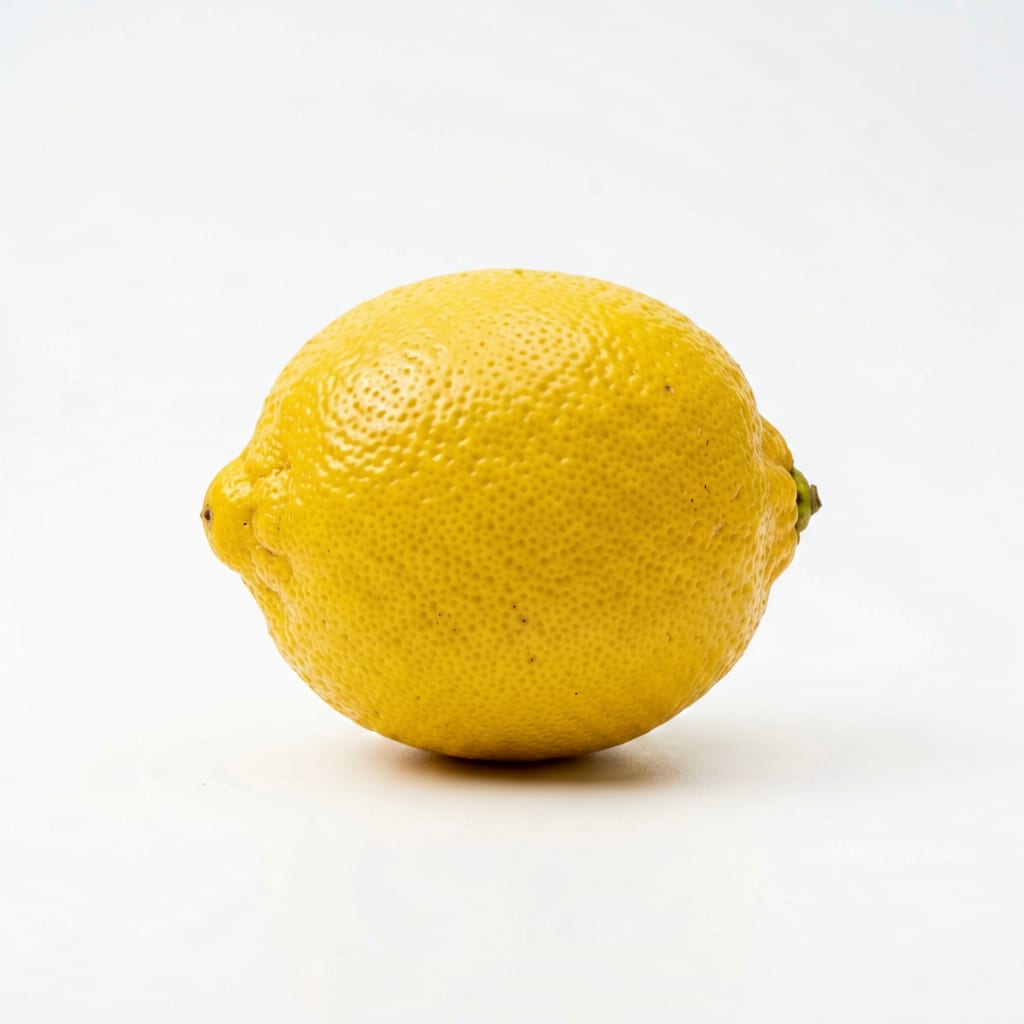
Lemon
Mandarins are a satisfying snack fruit with natural sweetness; lemons are a near-zero-calorie flavor powerhouse you use in small amounts. They serve completely different purposes.
Lemon edges ahead due to its near-zero calories, exceptional culinary versatility, and negligible blood sugar impact. Mandarin scores well for enjoyability and snack convenience but carries more sugar and a narrower use case.
Enjoyable eating experience and energy from mandarins versus virtually no calories and broader culinary utility from lemons
At a glance
Executive summary
Overall
It depends
Healthier
It depends
More practical
Mandarin
Daily use
It depends
Key comparison lenses
snackability vs utility
Mandarins are eaten as a standalone snack while lemons are almost never consumed alone, making this a fundamental lifestyle difference
sugar and blood sugar impact
Mandarins carry meaningful sugar content while lemons are virtually sugar-free, a critical distinction for many health goals
vitamin C delivery method
Both are excellent vitamin C sources but deliver it in completely different eating contexts
culinary role and versatility
Lemon is a kitchen staple used across dishes and drinks while mandarin is primarily a fresh fruit snack
weight management compatibility
Calorie and sugar differences make these two very different tools for weight-conscious eaters
Best choice for
Mandarin
- Kids who need a fun, sweet fruit snack
- People wanting a portable energy boost
- Anyone seeking a satisfying whole-food treat
- Those who find plain water boring but dislike additives
Lemon
- People strictly limiting sugar intake
- Anyone wanting flavor without calories
- Those who cook frequently and need a versatile ingredient
- People focused on kidney stone prevention
Least suitable for
Mandarin
- People on very low-carb or keto diets
- Those monitoring sugar for diabetes management
- Anyone seeking zero-calorie flavor options
Lemon
- Children expecting a sweet snack
- People with acid reflux or GERD triggered by citrus
- Anyone wanting a filling between-meal option
Deep comparison
Dimension by dimension
Each lens scores both foods and breaks down who each option suits.
- Dimension 1 · Priority 92Lemon
sugar and blood sugar impact
Mandarin · 45Lemon · 98Lemon has virtually no sugar; a whole mandarin contains about 9g of sugar with moderate glycemic impact.
Tradeoff
Mandarin provides quick natural energy but raises blood sugar noticeably; lemon adds flavor without any glycemic cost
Why it matters
For anyone watching blood sugar, this difference is decisive. Lemon water won't spike glucose; a mandarin will cause a small but real rise.
Real-world impact
After a mandarin you might feel a brief energy lift then a mild dip. Lemon in your water keeps energy steady with zero crash risk.
Mandarin
- Pre-workout quick energy
- Active people who burn through carbs easily
Better for
- Late-night snacking when blood sugar should stay low
- Sugar-sensitive individuals
Worse for
Lemon
- Diabetics managing glucose
- Keto and low-carb dieters
- Intermittent fasters wanting flavor without breaking fast
Better for
- Situations where you actually need caloric energy
Worse for
- Dimension 2 · Priority 82It depends
vitamin C and antioxidant profile
Mandarin · 75Lemon · 85Lemon delivers more vitamin C per gram and contains unique flavonoids like hesperidin and diosmin. Mandarin offers vitamin A precursors that lemon lacks.
Tradeoff
Lemon wins on concentrated vitamin C power; mandarin offers a broader micronutrient mix including beta-carotene
Why it matters
Both support immunity, but the vitamin A in mandarins helps skin and eye health in ways lemon cannot match.
Real-world impact
Daily lemon water gives you a reliable vitamin C baseline. A mandarin adds vitamin C plus the skin and vision benefits of beta-carotene.
Mandarin
- People wanting broader micronutrient coverage including vitamin A
- Children who need palatable vitamin sources
Better for
- Situations demanding maximum vitamin C density per gram
Worse for
Lemon
- Maximum vitamin C per calorie consumed
- Those who already get vitamin A from other sources
Better for
- Anyone avoiding the dental enamel erosion risk from frequent acidic consumption
Worse for
- Dimension 3 · Priority 85Mandarin
snack satisfaction and satiety
Mandarin · 82Lemon · 15Mandarins are a real snack with fiber, calories, and chewing satisfaction. Lemons are essentially never eaten alone as a snack food.
Tradeoff
Mandarin fills you up temporarily; lemon cannot function as a standalone snack but adds satisfaction to other foods and drinks
Why it matters
If you need something between meals, mandarin works. Lemon alone will leave you hungry and may irritate your stomach.
Real-world impact
A mandarin at 3pm can bridge you to dinner. Sucking on a lemon will just make your mouth sore and your stomach unhappy.
Mandarin
- Afternoon hunger gaps
- School lunchboxes
- Hiking and outdoor snacks
Better for
- Very low-calorie diet phases where even 50 calories matters
Worse for
Lemon
- Enhancing the satisfaction of plain water or dishes without adding calories
Better for
- Any situation where you need actual sustenance
Worse for
- Dimension 4 · Priority 78Lemon
culinary versatility
Mandarin · 35Lemon · 95Lemon juice and zest transform countless dishes, drinks, marinades, and dressings. Mandarin is mostly eaten fresh or occasionally in desserts.
Tradeoff
Lemon is a kitchen essential used daily across savory and sweet cooking; mandarin is a nice-to-have fruit with limited cooking applications
Why it matters
A single lemon improves fish, chicken, salads, tea, water, and pasta. Mandarin rarely plays this role outside breakfast or dessert.
Real-world impact
Keeping lemons on hand means you can elevate almost any meal. Mandarins are great to eat but rarely make your cooking better.
Mandarin
- Fruit salads and kids' lunchboxes
- Asian-inspired dishes that pair well with sweet citrus
Better for
- Savory cooking where sweetness is unwanted
Worse for
Lemon
- Everyday cooking across all cuisines
- Making plain water more appealing
- Marinades and salad dressings
- Seafood and vegetable dishes
Better for
- Recipes specifically calling for sweet citrus segments
Worse for
- Dimension 5 · Priority 70Lemon
digestive and kidney health
Mandarin · 60Lemon · 88Lemon's citric acid helps prevent kidney stones and supports digestion. Mandarin offers fiber but lacks the specific kidney-protective citric acid concentration.
Tradeoff
Mandarin provides gentle fiber for regularity; lemon provides citric acid that actively reduces kidney stone formation
Why it matters
For the 1 in 10 people who develop kidney stones, daily lemon consumption is a legitimate preventive strategy.
Real-world impact
Daily lemon water is a common urologist recommendation for stone prevention. Mandarin fiber helps with mild constipation but is less targeted.
Mandarin
- Mild constipation relief through fiber
- Children who need gentle digestive support
Better for
- Kidney stone formers who need high citric acid intake
Worse for
Lemon
- Kidney stone prevention
- Stimulating bile production for fat digestion
- Morning digestive kickstart with warm lemon water
Better for
- People with GERD or acid-sensitive stomachs
Worse for
- Dimension 6 · Priority 65Mandarin
dental and enamel safety
Mandarin · 70Lemon · 40Both are acidic, but lemon is far more concentrated and more likely to erode tooth enamel with regular direct exposure.
Tradeoff
Mandarin's milder acidity is gentler on teeth; lemon's intense acidity demands careful consumption habits to protect enamel
Why it matters
Frequent lemon water sipping throughout the day is a common cause of enamel thinning that dentists see regularly.
Real-world impact
Eating a mandarin is safe for your teeth. Drinking lemon water all day without a straw can slowly damage enamel over months and years.
Mandarin
- Children whose enamel is still developing
- People already experiencing enamel sensitivity
Better for
- Situations where sugar exposure to teeth is a cavity concern
Worse for
Lemon
- Anyone willing to use a straw and rinse with water after consumption
Better for
- Habitual sippers who keep acidic drinks in contact with teeth for hours
Worse for
Timeline
Health impact over time
Short-term
Hours to days
Mandarin
- Quick natural energy from easily digested sugars
- Mild blood sugar rise followed by a gentle dip
- Immediate hydration from high water content
- Satisfying snack that reduces hunger for 30-60 minutes
Lemon
- Near-zero caloric impact regardless of amount used
- Possible stomach discomfort if consumed in quantity
- Fresh breath and palate cleansing from acidity
- Digestive stimulation when consumed before meals
Long-term
Months to years
Mandarin
- Consistent vitamin C and A intake supporting immune and skin health
- Regular fiber contribution to digestive health
- Modest sugar exposure that adds up if eating multiple mandarins daily
- Antioxidant flavonoids supporting vascular health
Lemon
- Kidney stone risk reduction from daily citric acid intake
- Potential enamel erosion if consumed frequently without protection
- Consistent vitamin C intake with virtually no caloric cost
- Anti-inflammatory benefits from regular flavonoid consumption
Risk profile
Safety & processing
Both are whole, unprocessed citrus fruits with no additives when purchased fresh. Mandarin occasionally appears canned in syrup which dramatically changes its health profile, so always choose fresh.
Mandarin
Pesticide residue on peel
mediumMandarins are often eaten without peeling tools and hands contact the fruit directly. Washing is important, especially for children.
Canned syrup versions
mediumCanned mandarins in heavy syrup can contain 20g+ added sugar per serving, completely changing the nutritional profile from the fresh fruit.
Lemon
Dental enamel erosion
mediumRegular direct contact with lemon acid thins enamel over time. Using a straw and rinsing with plain water after consumption significantly reduces this risk.
GERD and acid reflux aggravation
mediumLemon can trigger heartburn in susceptible individuals, especially when consumed on an empty stomach or in large amounts.
Wax coating on conventional lemons
lowNon-organic lemons often have wax coatings that trap pesticides on the peel. If zesting, choose organic to avoid consuming surface contaminants.
Who wins for whom
Audience fit
Same foods, different winners depending on your goal.
children
MandarinKids love the sweet taste and easy-to-peel format of mandarins. Lemon is too sour for most children and offers no snacking satisfaction.
daily consumption
LemonLemon can be used daily in water and cooking without calorie or sugar accumulation. Daily mandarin consumption adds up to significant sugar intake over time.
diabetes
LemonLemon has essentially zero sugar and will not raise blood glucose. Mandarin's 9g of sugar per fruit requires careful portion tracking for diabetics.
elderly
It dependsMandarin supports gentle fiber intake and is easy to chew. Lemon helps with kidney stone prevention and medication absorption but may aggravate existing acid reflux common in older adults.
muscle gain
MandarinNeither is a muscle-building food, but mandarin provides at least some carbohydrate energy around workouts while lemon offers negligible fuel.
weight loss
LemonLemon adds flavor to water and meals with almost zero calories, making it easier to maintain a calorie deficit without feeling deprived.
Your move
Decision guide
Choose Mandarin
- You want a portable, satisfying snack between meals
- You need quick natural energy before or after activity
- You are packing lunch for a child
- You find it hard to eat enough fruit and enjoy the sweet taste
- You want broader micronutrients including vitamin A
Choose Lemon
- You are trying to lose weight and want zero-calorie flavor
- You are prone to kidney stones
- You cook at home and want to elevate dishes easily
- You are on a low-carb or keto diet
- You want to drink more water but find it too plain
Either works if
- You want vitamin C from a whole food source
- You are looking for natural flavor without artificial additives
- You enjoy citrus flavors in general
Avoid both if
- You have citrus allergies
- You are on medications that interact with grapefruit and related citrus
- You have severe GERD triggered by all acidic foods
Final recommendation
Keep both in your kitchen but use them differently. Lemon is a daily utility player for water, cooking, and metabolic health. Mandarin is an enjoyable snack fruit for energy and satisfaction. If budget forces a choice, lemon gives you more health value per dollar across more situations.
Practical
Consumer tips
- 1
If you drink lemon water daily, use a straw and rinse with plain water afterward to protect tooth enamel
- 2
Choose organic lemons if you plan to use the zest, as conventional lemon peels often carry wax and pesticide residues
- 3
Wash mandarins before peeling since hands touch the peel then the fruit inside
- 4
Avoid canned mandarins in syrup as they contain far more sugar than fresh fruit
- 5
Roll a lemon on the counter before juicing to get significantly more juice out of it
- 6
Freeze lemon juice in ice cube trays for convenient portion-controlled use in cooking and drinks
- 7
If watching sugar, limit mandarins to one per sitting rather than eating several mindlessly