
Nutrition comparison
Mandarin vs Grapefruit: Which Citrus Is Better for You?
Compare mandarin and grapefruit nutrition, sugar content, drug interactions, and weight loss benefits. Learn which citrus fruit fits your health goals and lifestyle.
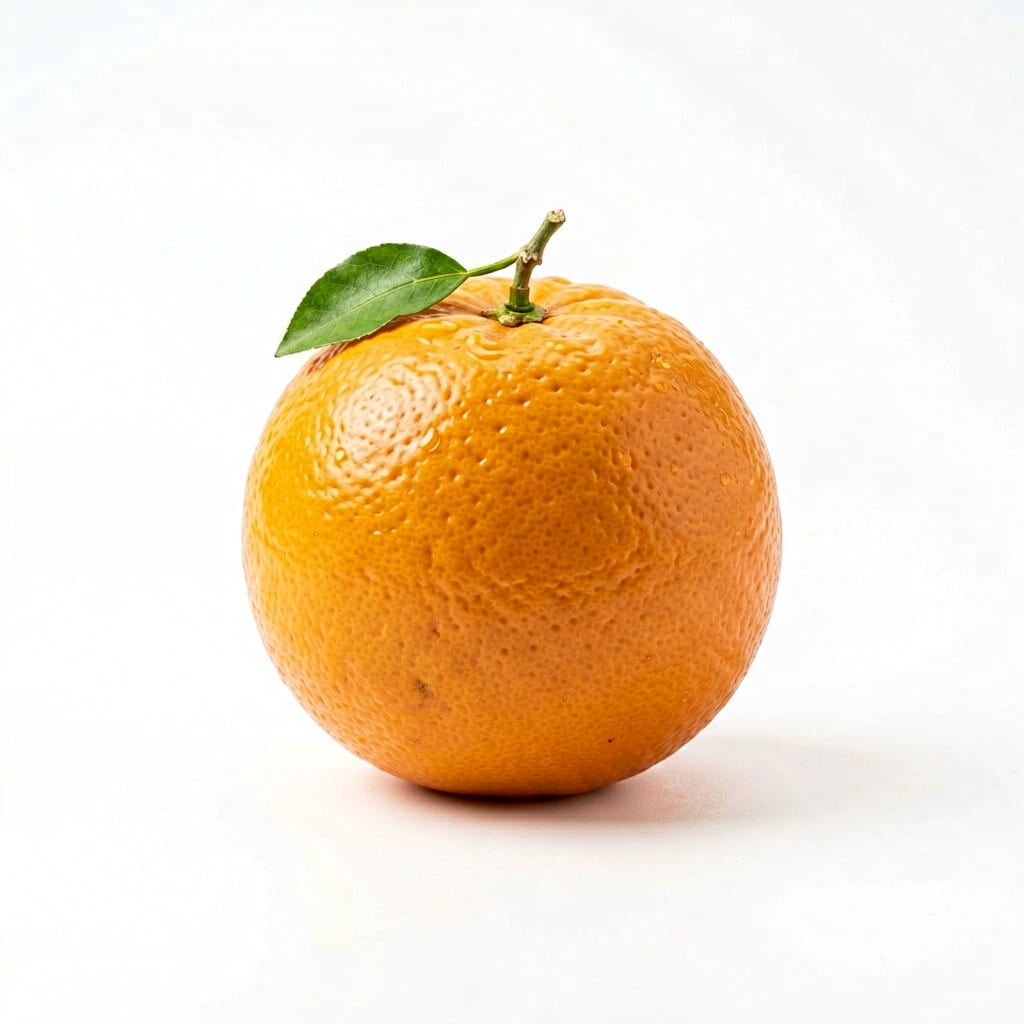
Mandarin
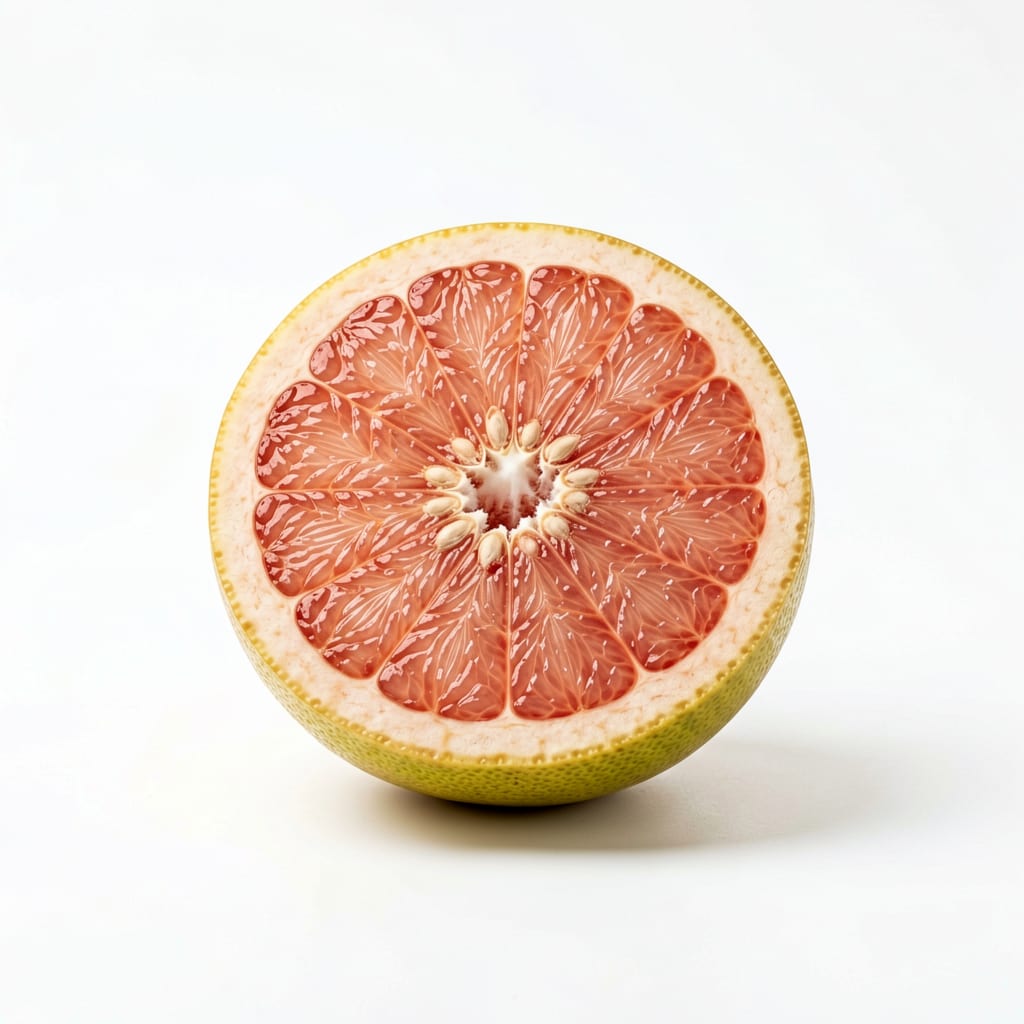
Grapefruit
Grapefruit wins on nutrients and blood sugar control, but mandarins win on convenience and safety from drug interactions.
Grapefruit scores higher due to superior nutrient density and blood sugar profile, but mandarins remain strong thanks to convenience and safety. The gap narrows significantly for anyone on medications.
Grapefruit delivers more health benefits per calorie but carries serious drug interaction risks; mandarins are safer and easier but sweeter and less nutrient-dense.
At a glance
Executive summary
Overall
It depends
Healthier
Grapefruit
More practical
Mandarin
Daily use
Mandarin
Key comparison lenses
drug interaction safety
Grapefruit has clinically significant drug interactions that many users are unaware of — this is a critical safety concern
sugar and blood impact
Mandarins are noticeably sweeter, making sugar content the most immediate difference users notice
weight management potential
Grapefruit is famously linked to weight loss diets while mandarins are easier to overeat due to sweetness and small size
convenience and snackability
Mandarins are peel-and-eat while grapefruit requires cutting and often spooning — a real daily-life difference
antioxidant and nutrient density
Both are citrus but grapefruit offers unique compounds like naringin that mandarins lack
Best choice for
Mandarin
- Busy people needing a quick portable snack
- Families with children who reject bitter flavors
- Anyone taking medications affected by grapefruit
- Those who want an easy-to-peel desk fruit
Grapefruit
- People focused on weight management
- Those wanting lower sugar citrus options
- Adults seeking maximum antioxidant benefits
- Anyone not on interacting medications who wants more filling fruit
Least suitable for
Mandarin
- People strictly limiting sugar intake
- Those wanting maximum satiety from fruit
- Anyone seeking the unique compounds grapefruit provides
Grapefruit
- Anyone on statins, blood pressure meds, or anxiety medications
- Children who find bitter flavors intolerant
- People wanting grab-and-go convenience
Deep comparison
Dimension by dimension
Each lens scores both foods and breaks down who each option suits.
- Dimension 1 · Priority 92Grapefruit
sugar_and_blood_stability
Mandarin · 55Grapefruit · 82Grapefruit has roughly half the sugar per serving, leading to steadier blood sugar and less crash risk.
Tradeoff
Mandarins taste better to most people precisely because of that extra sugar, making them easier to enjoy but harder to stop eating.
Why it matters
If you're watching blood sugar or trying to avoid afternoon energy dips, grapefruit keeps things more stable.
Real-world impact
Eating two mandarins can deliver as much sugar as a small candy bar, while half a grapefruit feels satisfying with far less sugar hit.
Mandarin
- Quick pre-workout energy when you need fast carbs
Better for
- Late-night snacking that spikes blood sugar before bed
- Anyone counting carbs carefully
Worse for
Grapefruit
- Steady energy without the sugar rollercoaster
- Diabetics or prediabetics wanting citrus flavor safely
- Intermittent fasters breaking a fast gently
Better for
- Situations where you need quick accessible energy
Worse for
- Dimension 2 · Priority 85Grapefruit
satiety_and_fullness
Mandarin · 48Grapefruit · 76Half a grapefruit is more filling than a mandarin thanks to larger volume, more fiber, and lower sugar density.
Tradeoff
Mandarins are small and easy to eat multiple of, which can accidentally double your calorie and sugar intake.
Why it matters
Feeling full matters for weight management. One grapefruit half can curb appetite; one mandarin rarely does.
Real-world impact
You might eat three mandarins mindlessly at your desk (around 150 calories and 30g sugar) but struggle to finish one whole grapefruit.
Mandarin
- Light snacking when you want just a few bites
Better for
- Using as a standalone hunger solution — you'll be hungry again fast
Worse for
Grapefruit
- Breakfast that actually keeps you full until lunch
- Replacing higher-calorie desserts with something substantial
Better for
- Moments when you want something light, not a commitment
Worse for
- Dimension 3 · Priority 95Mandarin
drug_interaction_safety
Mandarin · 95Grapefruit · 25Grapefruit interacts with over 85 medications including statins, blood pressure drugs, and anti-anxiety meds. Mandarins do not.
Tradeoff
Grapefruit's powerful compounds that create health benefits are the same ones that cause drug interactions. Mandarins are essentially risk-free in this regard.
Why it matters
This is not a minor concern. Grapefruit can cause dangerously high blood levels of certain medications without any warning signs.
Real-world impact
If you take Lipitor and eat grapefruit daily, your statin levels could rise dramatically — increasing muscle damage risk. Mandarins have zero such risk.
Mandarin
- Anyone on any medication — complete peace of mind
- Older adults typically on multiple prescriptions
Better for
- No specific downside — this is purely a grapefruit problem
Worse for
Grapefruit
- Medication-free individuals who can safely access grapefruit's unique benefits
Better for
- Statins, beta-blockers, immunosuppressants, anti-anxiety meds, and many more drug classes
Worse for
- Dimension 4 · Priority 85Mandarin
convenience_and_portability
Mandarin · 92Grapefruit · 45Mandarins are nature's perfect portable fruit — peel and eat. Grapefruit requires a knife, a spoon, and usually a plate.
Tradeoff
You'll actually eat mandarins more often because they're effortless. Grapefruit's hassle means it sits on the counter uneaten.
Why it matters
The healthiest fruit is the one you actually eat. Convenience drives real-world consumption patterns more than nutrition facts.
Real-world impact
Tossing a mandarin in your bag takes two seconds. Preparing grapefruit at your desk looks like a production.
Mandarin
- Commuting, desk snacking, school lunches, hiking
- Kids who need to peel and eat independently
Better for
- No real downside here — mandarins are peak fruit convenience
Worse for
Grapefruit
- Leisurely weekend breakfasts with time to prepare
- Brunch settings where presentation matters
Better for
- Busy mornings, travel, office environments, on-the-go anything
Worse for
- Dimension 5 · Priority 78Grapefruit
antioxidant_and_nutrient_profile
Mandarin · 62Grapefruit · 84Grapefruit delivers more vitamin C per calorie, unique flavonoids like naringin, and higher fiber density than mandarins.
Tradeoff
Mandarins still provide solid vitamin C and beta-carotene, but lack the specialized compounds that make grapefruit distinctive.
Why it matters
Naringin and naringenin in grapefruit are being studied for anti-inflammatory, metabolic, and even potential anti-cancer properties.
Real-world impact
Regular grapefruit consumption is associated with better lipid profiles and reduced inflammation markers in studies. Mandarins offer good nutrition but fewer standout benefits.
Mandarin
- Vitamin A needs — mandarins have more beta-carotene than grapefruit
Better for
- Those seeking the most nutrient-dense citrus option
Worse for
Grapefruit
- Anti-inflammatory diets
- Cardiovascular health optimization
- Maximum vitamin C per calorie consumed
Better for
- Vitamin A specifically — mandarins actually win here
Worse for
- Dimension 6 · Priority 72It depends
emotional_eating_and_cravings
Mandarin · 70Grapefruit · 68Mandarins satisfy sweet cravings healthily; grapefruit satisfies bitter cravings and reduces appetite. Different tools for different urges.
Tradeoff
Mandarins can trigger 'just one more' eating due to sweetness and small size. Grapefruit naturally limits portions through bitterness and size.
Why it matters
If you're replacing candy, mandarins work beautifully. If you're trying to reduce overall appetite, grapefruit is more effective.
Real-world impact
Reaching for a mandarin when you want chocolate is a great swap. Reaching for grapefruit when you want to stop snacking entirely works better.
Mandarin
- Replacing dessert or sweet cravings with something natural
- Emotional comfort from sweet, familiar flavors
Better for
- Triggering overconsumption — easy to eat five without realizing
Worse for
Grapefruit
- Killing appetite when you're eating out of boredom
- Breaking the cycle of sweet-craving-sweet
Better for
- Moments when bitter flavors feel punishing rather than helpful
Worse for
Timeline
Health impact over time
Short-term
Hours to days
Mandarin
- Quick energy boost from natural sugars
- Mild blood sugar rise within 30-60 minutes
- Easy digestion with minimal gastrointestinal discomfort
- Immediate satisfaction from sweet flavor
Grapefruit
- Appetite suppression within 20-30 minutes
- Minimal blood sugar disruption
- Possible stomach irritation if eaten on an empty sensitive stomach
- Bitter taste may reduce desire for subsequent snacking
Long-term
Months to years
Mandarin
- Consistent vitamin C intake supporting immune function
- Higher cumulative sugar intake if eating multiple daily
- Beta-carotene supporting skin and eye health
- No medication interaction concerns over time
Grapefruit
- Improved lipid profiles associated with regular consumption
- Potential anti-inflammatory benefits from naringin
- Risk of medication accumulation if taken alongside interacting drugs
- Better long-term blood sugar regulation patterns
Risk profile
Safety & processing
Both are whole, unprocessed fruits with no additives when purchased fresh. Canned mandarins and bottled grapefruit juice are different stories — always choose whole fruit.
Mandarin
Pesticide residue on peels
mediumMandarins frequently appear on EWG's lower-priority lists but citrus peels can retain pesticides. Washing helps; peeling eliminates this concern.
Grapefruit
Drug interaction with CYP3A4 enzyme
highGrapefruit inhibits CYP3A4, affecting metabolism of over 85 medications. This can cause dangerously elevated drug levels. Effects last 24-72 hours after consumption — spacing doses does not help.
Pesticide residue on peels
mediumSimilar to mandarins, conventional grapefruit peels carry pesticide residue. Less relevant since grapefruit is typically not zested, but still worth washing.
Who wins for whom
Audience fit
Same foods, different winners depending on your goal.
children
MandarinKids overwhelmingly prefer sweet mandarins over bitter grapefruit. Easy peeling and small size make them school-lunch friendly.
daily consumption
MandarinSafety from drug interactions, convenience, and broad appeal make mandarins the easier daily habit for most people.
diabetes
GrapefruitHalf the sugar per serving and a lower glycemic impact make grapefruit safer for blood sugar management, assuming no medication conflicts.
elderly
MandarinMany older adults take medications that interact with grapefruit. Mandarins avoid this risk entirely while still providing vitamin C and hydration.
muscle gain
It dependsNeither fruit is significant for muscle gain. Mandarins offer slightly faster carbs post-workout, but both are minor players here.
weight loss
GrapefruitLower sugar, higher fiber, more filling, and appetite-suppressing bitterness make grapefruit more effective for calorie control.
Your move
Decision guide
Choose Mandarin
- You take any medications that might interact with grapefruit
- You want a grab-and-go fruit that requires zero preparation
- You're packing lunch for kids who reject bitter flavors
- You need quick natural energy before exercise
- You find grapefruit too bitter to actually eat regularly
Choose Grapefruit
- You're medication-free and want maximum health benefits per calorie
- You're actively managing weight and want an appetite-curbing fruit
- You enjoy or can tolerate bitter flavors
- You have time for sit-down breakfast where prep isn't a barrier
- You want the unique anti-inflammatory compounds grapefruit provides
Either works if
- You just want solid vitamin C from a whole fruit
- You're looking to replace processed snacks with something natural
- Variety matters more than optimization — rotate both
Avoid both if
- You have citrus allergies
- You have severe GERD and acidic fruit triggers symptoms
- You're on a very strict very-low-carb protocol
Final recommendation
Keep mandarins for daily snacking and convenience. Add grapefruit a few times per week when you have time to enjoy it — as long as you've confirmed your medications are safe. The ideal approach is rotating both for nutrient diversity while respecting grapefruit's drug interaction rules.
Practical
Consumer tips
- 1
Always check your medications against grapefruit interactions — ask your pharmacist, not just Dr. Google
- 2
Canned mandarins in syrup can have as much added sugar as soda — choose fresh or packed in water
- 3
Red and pink grapefruit have more antioxidants than white varieties — choose colored when possible
- 4
If grapefruit is too bitter, try sprinkling a tiny pinch of salt rather than adding sugar — it cuts bitterness without adding calories
- 5
Wash both fruits before peeling even if you don't eat the rind — hands transfer residue to the flesh
- 6
Mandarins labeled 'cuties' or 'halos' are marketing brands, not varieties — clementines and tangerines both qualify
- 7
Grapefruit's drug interaction effect lasts up to 72 hours, so removing it on medication days doesn't make it safe — you need consistent avoidance