
Nutrition comparison
Mandarin vs Clementine: Which Is Healthier and Better for Snacking?
Compare mandarin and clementine nutrition, sugar, convenience, and taste. Find out which citrus is better for weight loss, kids, and daily snacking.
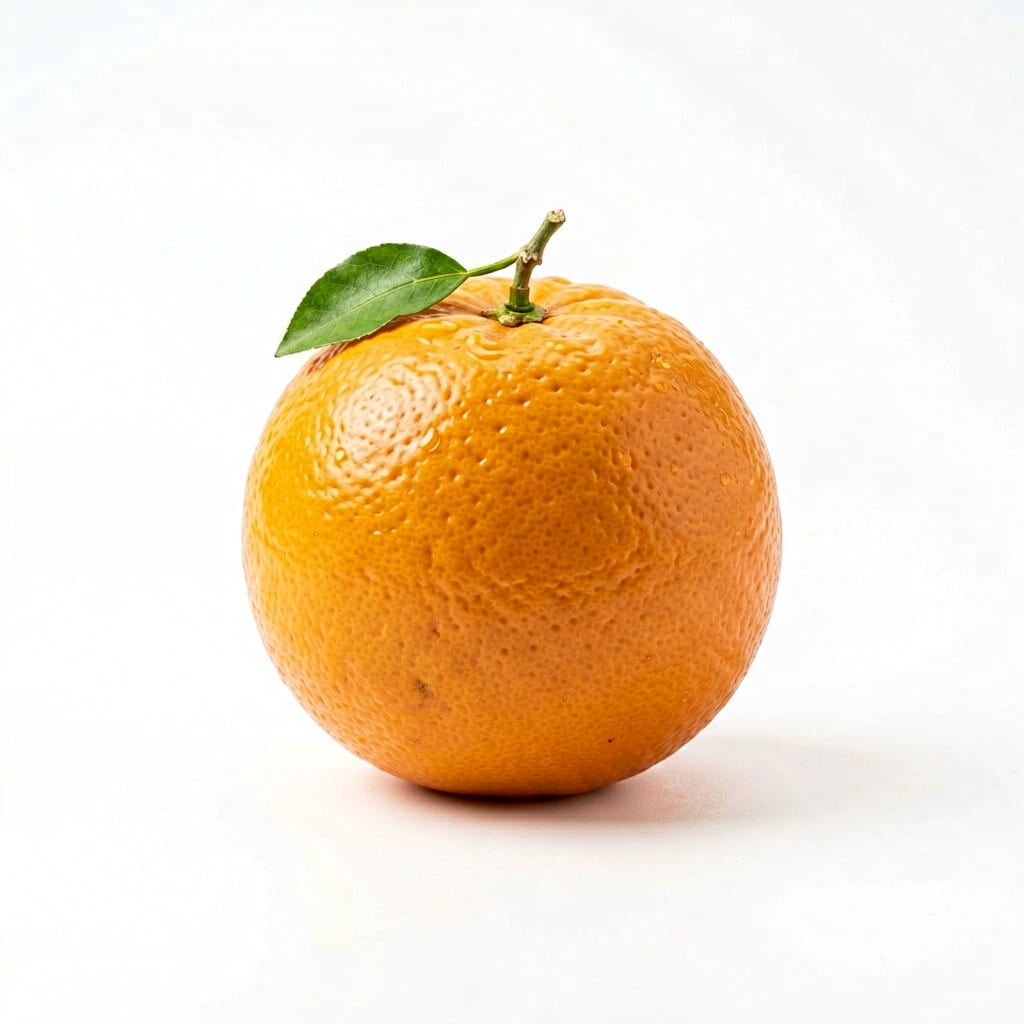
Mandarin
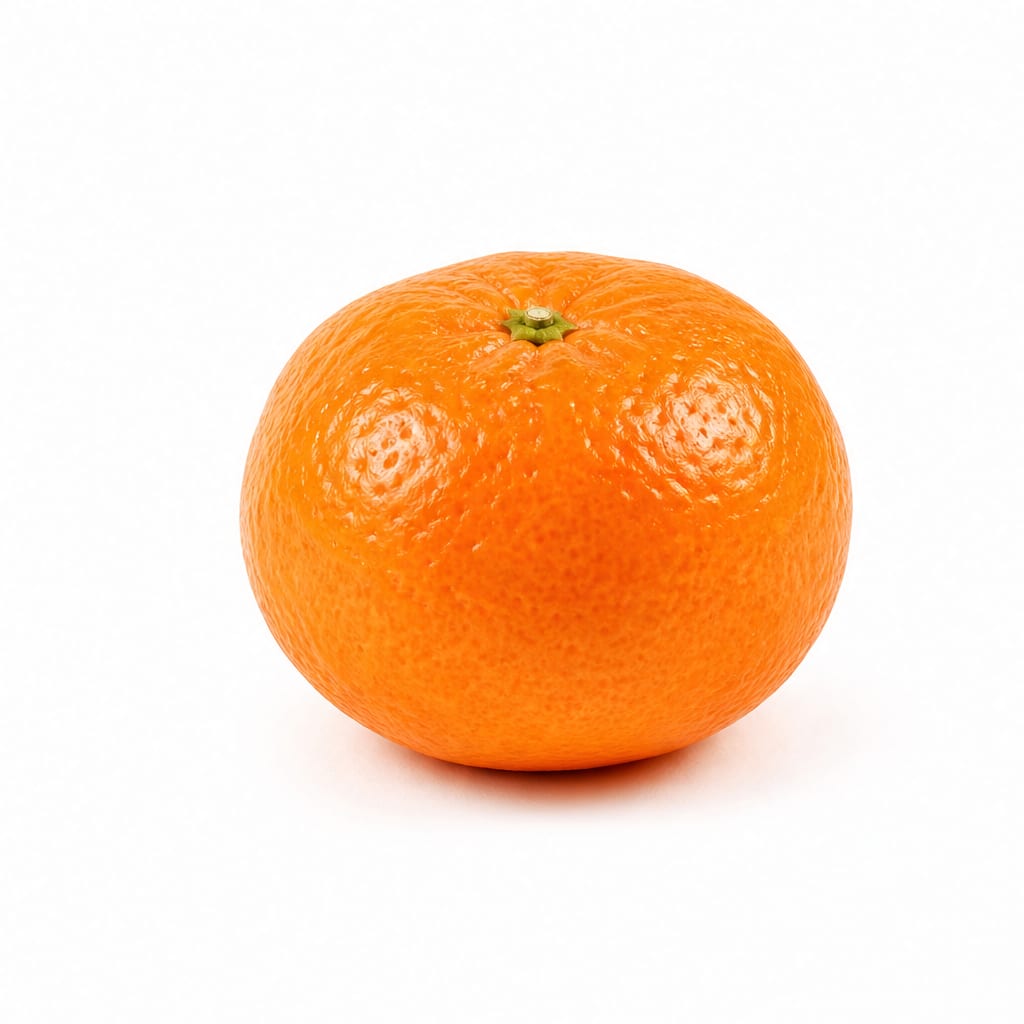
Clementine
Clementines win on convenience and kid-friendliness, while mandarins offer slightly more nutritional variety and a more complex flavor profile.
These fruits are nutritionally near-identical since clementines are a type of mandarin. Clementines edge ahead on practical convenience, but the gap is small and context-dependent.
Seedless easy-peel convenience versus broader nutrient diversity and flavor depth.
At a glance
Executive summary
Overall
It depends
Healthier
It depends
More practical
Clementine
Daily use
Clementine
Key comparison lenses
everyday snacking convenience
Both are popular grab-and-go fruit snacks, so ease of peeling and seedlessness matter a lot
sugar and calorie awareness
Citrus fruits are sweet and people often wonder about sugar content when snacking frequently
vitamin C and immune support
Both are known as vitamin C sources, especially during cold season
taste preference and sweetness
Clementines are notably sweeter while mandarins can be more complex in flavor
children and lunchbox suitability
Both are classic kids' snacks, so seeds and peelability are real concerns
Best choice for
Mandarin
- People who enjoy a balance of sweet and tart flavors
- Cooking and recipe use where varied mandarin types add complexity
- Those seeking slightly more vitamin A for eye health
Clementine
- Busy people who want a zero-fuss snack
- Parents packing lunchboxes for kids
- Anyone who hates picking out seeds
Least suitable for
Mandarin
- Small children who might choke on seeds
- People who find peeling frustrating
- Those wanting consistent sweetness every time
Clementine
- Cooking applications that benefit from tartness
- People who find very sweet fruit cloying
- Budget shoppers during off-season when prices spike
Deep comparison
Dimension by dimension
Each lens scores both foods and breaks down who each option suits.
- Dimension 1 · Priority 92Clementine
convenience and eatability
Mandarin · 65Clementine · 95Clementines are the gold standard for easy-peel, seedless citrus snacking.
Tradeoff
Mandarins sometimes have seeds and tougher peel, but offer more variety in texture and taste.
Why it matters
When you reach for a quick snack, friction matters. Seeds and stubborn peel can turn a pleasant snack into an annoying one.
Real-world impact
A clementine is a 10-second snack. A seeded mandarin can leave you picking seeds out of your teeth for minutes.
Mandarin
- Recipes where you're already cutting and prepping
Better for
- Eating while driving or walking
Worse for
Clementine
- Car snacks
- Office desk fruit bowls
- Kids' lunchboxes
Better for
- Situations where you want to cook with the fruit
Worse for
- Dimension 2 · Priority 78Mandarin
sugar and glycemic impact
Mandarin · 72Clementine · 65Mandarins tend to have slightly less sugar and a touch more tartness, giving a gentler blood sugar response.
Tradeoff
Clementines taste sweeter, which makes them more enjoyable but means slightly more sugar per bite.
Why it matters
If you're watching blood sugar or managing cravings, small sugar differences add up across multiple servings.
Real-world impact
Eating three clementines feels like candy and can trigger a sugar craving cycle. Three mandarins feel more like fruit.
Mandarin
- Blood sugar management
- Reducing sweet cravings
Better for
- Kids who reject tart flavors
Worse for
Clementine
- Satisfying a sweet tooth without junk food
- Replacing dessert
Better for
- Diabetics counting every gram of sugar
Worse for
- Dimension 3 · Priority 70Mandarin
vitamin and mineral density
Mandarin · 78Clementine · 70Mandarins typically offer more vitamin A and slightly more fiber, thanks to their deeper orange flesh and often larger size.
Tradeoff
Clementines still deliver solid vitamin C, but the narrower gene pool means less nutritional variation.
Why it matters
Vitamin A supports immunity and vision. Over months of daily snacking, small differences compound.
Real-world impact
If citrus is your main fruit, mandarins give you a slightly broader micronutrient base.
Mandarin
- Eye health
- Immune diversity
- Getting more nutrients per calorie
Better for
- Situations where consistency matters more than variety
Worse for
Clementine
- Quick vitamin C boost during cold season
Better for
- Long-term dietary diversity
Worse for
- Dimension 4 · Priority 68It depends
flavor and satisfaction
Mandarin · 75Clementine · 75Mandarins offer a wider flavor range from tart to sweet. Clementines reliably deliver consistent sweetness.
Tradeoff
Mandarins are more interesting but less predictable. Clementines are always pleasant but can feel one-note.
Why it matters
Enjoyment drives sustainable healthy eating. Boredom leads to abandoning fruit for processed snacks.
Real-world impact
A great mandarin is more memorable than any clementine. A bad mandarin is more disappointing too.
Mandarin
- Food lovers who appreciate complexity
- Adding to salads and savory dishes
Better for
- Risk of getting a dry or tart batch
Worse for
Clementine
- Emotional eating that needs reliable comfort
- Picky eaters who need predictable sweetness
Better for
- Palate fatigue after weeks of same flavor
Worse for
- Dimension 5 · Priority 60Mandarin
value and availability
Mandarin · 80Clementine · 65Mandarins come in more varieties and are often cheaper per pound, especially outside peak clementine season.
Tradeoff
Clementines dominate winter shelves but can be expensive or unavailable other times.
Why it matters
Budget and access determine whether a healthy habit is sustainable long-term.
Real-world impact
A family going through a bag a week saves real money choosing mandarins over branded clementines.
Mandarin
- Budget-conscious households
- Year-round availability
Better for
- Confusion at the store about which variety you're buying
Worse for
Clementine
- November through February peak season deals
Better for
- Off-season price spikes
Worse for
Timeline
Health impact over time
Short-term
Hours to days
Mandarin
- Quick natural energy from easily digested carbs
- Hydration boost from high water content
- Possible seed annoyance interrupting eating flow
Clementine
- Instant sweet satisfaction that curbs candy cravings
- Very easy digestion with no seed interference
- Slightly faster blood sugar rise due to higher sweetness
Long-term
Months to years
Mandarin
- Broader micronutrient intake from varietal diversity
- Slightly better blood sugar habits from lower sugar content
- Potential for inconsistent intake if peeling feels like a chore
Clementine
- Consistent daily fruit habit thanks to zero-friction eating
- Strong vitamin C status from reliable consumption
- Possible overconsumption because they taste like candy
Risk profile
Safety & processing
Both are whole, unprocessed fruit. Neither contains additives. The only processing concern is wax coatings sometimes applied for shelf life, which is common to both.
Mandarin
Pesticide residue on peel
lowMandarins often have thicker peel that gets discarded, reducing exposure. Washing before peeling helps.
Seed choking hazard for toddlers
mediumSome mandarin varieties contain seeds. Always check before giving to children under 4.
Clementine
Pesticide residue on peel
lowSimilar to mandarins. The peel is removed, so actual ingestion risk is minimal.
Mold under peel in stored batches
lowClementines can hide spoilage under the rind. Check for soft spots before buying.
Who wins for whom
Audience fit
Same foods, different winners depending on your goal.
children
ClementineSeedless and easy to peel makes clementines the safer, more independent snack for kids.
daily consumption
ClementineThe zero-friction experience of clementines makes daily fruit habits easier to maintain long-term.
diabetes
MandarinLower sugar content and more tartness means a gentler blood sugar curve, though both are reasonable in moderation.
elderly
ClementineArthritic hands find clementines easier to peel, and no seeds means safer eating for those with swallowing difficulties.
muscle gain
It dependsNeither is a protein source. Both offer similar carb energy for workouts. Choose based on taste preference.
weight loss
MandarinSlightly less sugar and more tartness makes mandarins easier to eat moderately without triggering a sweet tooth spiral.
Your move
Decision guide
Choose Mandarin
- You enjoy a mix of sweet and tart flavors
- You want slightly more vitamin A and fiber
- You're watching sugar intake closely
- You cook with citrus and want flavor variety
- You're budget-conscious and want more variety per dollar
Choose Clementine
- You want the easiest possible healthy snack
- You're packing lunchboxes for kids
- You hate dealing with seeds
- You need consistent sweetness every time
- You want fruit that feels like a treat, not a chore
Either works if
- You just need a vitamin C source during cold season
- You're reaching for fruit instead of processed snacks
- You want hydration from a water-rich food
- You're adding citrus segments to a salad
Avoid both if
- You have citrus allergies or oral allergy syndrome
- You're on a strict very-low-carb diet
- You have severe GERD triggered by acidic fruit
Final recommendation
For most people, clementines are the better daily snacking choice simply because you'll actually eat them consistently. But if you appreciate more complex flavor and slightly better nutrition per calorie, mandarins are worth the occasional seed. The best choice is whichever one you'll reach for instead of a candy bar.
Practical
Consumer tips
- 1
Buy clementines in December and January for peak flavor and best prices
- 2
Choose mandarins with deeper orange color for more beta-carotene
- 3
Store both in the fridge to extend shelf life by a week or more
- 4
Wash the peel before peeling to avoid transferring residue to your fingers and then the fruit
- 5
If your clementines taste bland, they were likely picked too early. Look for ones that feel heavy for their size
- 6
Frozen mandarin segments are a great summer treat and retain most of their vitamin C