
Nutrition comparison
Mandarin vs Banana: Which Fruit Is Better for You?
Compare mandarin vs banana on sugar, calories, potassium, blood sugar impact, and satiety. Find out which fruit fits your health goals better.
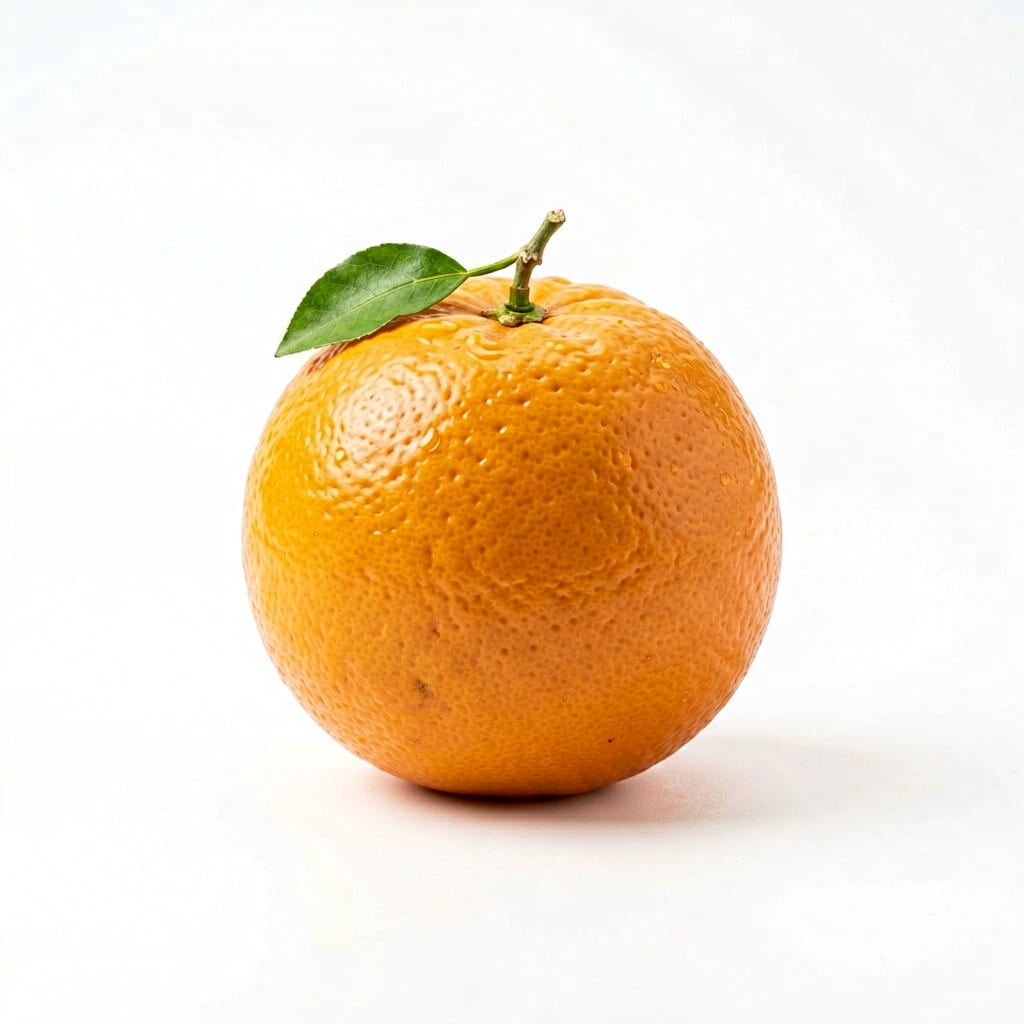
Mandarin
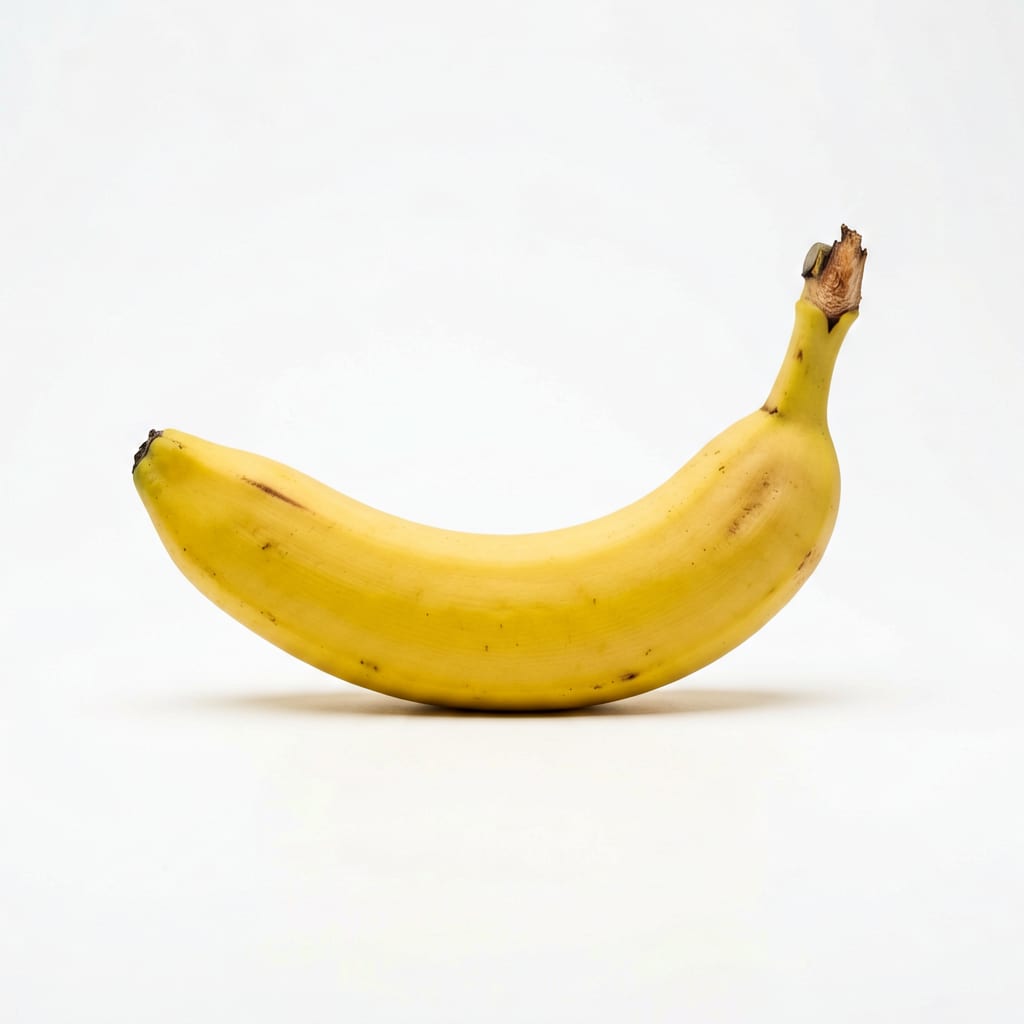
Banana
Mandarins are lighter and better for blood sugar control; bananas are more filling and better for sustained energy.
Banana edges ahead slightly due to superior satiety, fiber, and potassium, but mandarins win for lower sugar and calorie control. The right pick depends entirely on your goal.
You trade satiety and potassium for lower calories and steadier blood sugar — or vice versa.
At a glance
Executive summary
Overall
It depends
Healthier
It depends
More practical
Banana
Daily use
Banana
Key comparison lenses
blood sugar management
Both are sweet fruits with different glycemic impacts, a top concern for many consumers
snack choice and portion control
Both are popular grab-and-go fruits, but differ significantly in calories and size
energy and athletic performance
Bananas are a classic pre-workout fuel; mandarins are not typically used this way
weight management
Calorie density differs substantially between these two fruits
vitamin C and immunity
Mandarins are a standout vitamin C source while bananas are not
Best choice for
Mandarin
- People watching their blood sugar closely
- Those counting calories or cutting sugar
- Anyone wanting a light, refreshing snack
- People seeking immune support from vitamin C
Banana
- Athletes needing pre-workout fuel
- People who want a filling snack that curbs hunger
- Those needing potassium for muscle cramps or heart health
- Busy mornings when you need sustained energy
Least suitable for
Mandarin
- People needing a substantial snack to stay full
- Athletes looking for quick carb loading
- Those with citrus allergies or acid sensitivity
Banana
- People strictly managing blood sugar or on keto
- Those sensitive to higher sugar intake
- People trying to minimize calorie density
Deep comparison
Dimension by dimension
Each lens scores both foods and breaks down who each option suits.
- Dimension 1 · Priority 92Mandarin
Blood Sugar Stability
Mandarin · 82Banana · 62Mandarins have less sugar and a lower glycemic load per serving, making them gentler on blood sugar.
Tradeoff
Bananas provide faster energy but cause a larger blood sugar rise, especially when ripe.
Why it matters
If you're prediabetic, insulin resistant, or just trying to avoid afternoon crashes, mandarins are the safer bet.
Real-world impact
A mandarin won't give you that sugar rush and dip cycle. A ripe banana might — especially on an empty stomach.
Mandarin
- Steadier energy without the crash
- Lower risk of triggering sugar cravings
- Better for insulin-sensitive individuals
Better for
- Not enough carbs to refuel after intense training
Worse for
Banana
- Faster glycogen replenishment after exercise
Better for
- Riper bananas can spike blood sugar noticeably
- Less ideal for people monitoring glucose closely
Worse for
- Dimension 2 · Priority 88Banana
Satiety and Fullness
Mandarin · 55Banana · 80Bananas are significantly more filling due to higher fiber, more calories, and denser texture.
Tradeoff
Mandarins are refreshing and light but leave you hungry sooner — which can lead to overeating later.
Why it matters
If you need a snack that actually holds you over between meals, a banana does the job much better.
Real-world impact
One banana can bridge you from lunch to dinner. One mandarin probably won't.
Mandarin
- Light snack when you don't want to feel heavy
Better for
- Hunger returns within 30-60 minutes
- Easy to eat several without feeling satisfied
Worse for
Banana
- Keeps you full for 2-3 hours
- Reduces between-meal snacking urges
- Works as a mini-meal replacement in a pinch
Better for
- Can feel too heavy right before exercise
Worse for
- Dimension 3 · Priority 82Banana
Energy and Athletic Performance
Mandarin · 50Banana · 88Bananas are a proven performance fuel with easily digestible carbs and cramp-fighting potassium.
Tradeoff
Mandarins lack the carb density and electrolyte profile needed for athletic support.
Why it matters
If you run, lift, or play sports, a banana before or after training is genuinely useful. A mandarin is not.
Real-world impact
That banana at mile 10 of a half marathon? Proven strategy. A mandarin would barely move the needle.
Mandarin
- Hydrating after light activity due to water content
Better for
- Not enough carbs to support performance
- No meaningful electrolyte content for recovery
Worse for
Banana
- Pre-workout energy that digests easily
- Post-workout carb replenishment
- Potassium helps prevent muscle cramps
- Widely studied and proven as sports fuel
Better for
- May cause stomach discomfort if eaten too close to intense exercise
Worse for
- Dimension 4 · Priority 75Mandarin
Vitamin C and Immune Support
Mandarin · 90Banana · 40Mandarins deliver over twice the vitamin C of bananas per serving, making them clearly superior for immune support.
Tradeoff
Bananas offer other nutrients like B6 and potassium but cannot compete on vitamin C.
Why it matters
During cold season or when you feel run down, a mandarin actually contributes meaningful immune support.
Real-world impact
Two mandarins cover most of your daily vitamin C needs. You'd need 4-5 bananas to match that.
Mandarin
- Strong daily immune support
- Better collagen production for skin health
- Antioxidant protection against oxidative stress
Better for
- Minimal B6 content
Worse for
Banana
- Vitamin B6 supports immune function indirectly
Better for
- Negligible vitamin C per serving
Worse for
- Dimension 5 · Priority 80Mandarin
Weight Management
Mandarin · 85Banana · 65Mandarins have roughly 40% fewer calories per fruit, making them easier to fit into a calorie budget.
Tradeoff
Bananas are more filling per fruit, so they may reduce overall eating — but at a higher calorie cost.
Why it matters
If you're tracking calories, mandarins give you more snacking flexibility. If you're relying on satiety to eat less, bananas might work better.
Real-world impact
You can eat three mandarins for roughly the same calories as one banana — more snacking volume, same cost.
Mandarin
- Lower calorie per fruit makes budgeting easier
- Higher water content feels more hydrating and refreshing
- Easier to portion control
Better for
- Low satiety may lead to eating more overall
Worse for
Banana
- More filling per serving may reduce total daily intake
Better for
- Higher calorie density can add up if you eat several
Worse for
- Dimension 6 · Priority 73Banana
Heart Health and Electrolytes
Mandarin · 50Banana · 85Bananas are one of the best fruit sources of potassium, a critical mineral for blood pressure and heart rhythm.
Tradeoff
Mandarins offer some potassium but not nearly enough to move the needle on heart health metrics.
Why it matters
If you don't eat much potassium-rich food otherwise, a daily banana is a genuinely meaningful contribution.
Real-world impact
One banana provides about 9% of your daily potassium. A mandarin provides about 2%.
Mandarin
- Some potassium contribution alongside vitamin C
Better for
- Negligible potassium per serving
Worse for
Banana
- Significant potassium for blood pressure regulation
- Magnesium supports heart rhythm stability
- B6 helps reduce homocysteine levels
Better for
- Higher sugar may concern some heart-health protocols
Worse for
Timeline
Health impact over time
Short-term
Hours to days
Mandarin
- Quick hydration from high water content
- Mild blood sugar rise without sharp crash
- Vitamin C boost supporting immediate immune function
- Refreshing effect that feels light on the stomach
Banana
- Noticeable energy lift within 15-20 minutes
- Feeling of fullness that lasts 1-2 hours
- Possible blood sugar spike if eaten alone when very ripe
- Can relieve muscle cramps quickly due to potassium
Long-term
Months to years
Mandarin
- Consistent vitamin C intake supports skin and immune health over time
- Lower sugar habit may help maintain insulin sensitivity
- Antioxidant compounds may reduce chronic inflammation
- Unlikely to contribute to weight gain even with daily consumption
Banana
- Regular potassium intake supports cardiovascular health long-term
- Consistent fiber supports healthy digestion and gut microbiome
- Daily consumption without portion awareness may contribute to sugar load
- Prebiotic fiber feeds beneficial gut bacteria over time
Risk profile
Safety & processing
Both are whole, unprocessed fruits you peel and eat. Neither contains additives, preservatives, or artificial ingredients. This is as natural as food gets.
Mandarin
Pesticide residue on peel
lowMandarins are on the moderate pesticide list. Since you discard the peel, exposure is minimal, but wash hands after peeling.
Citrus allergy or oral allergy syndrome
lowSome individuals experience itching or swelling from citrus proteins. Rare but possible, especially in pollen-allergy sufferers.
Banana
Pesticide residue
mediumConventional bananas rank high for pesticide use on plantations. The peel reduces exposure, but choosing organic reduces concern significantly.
Latex-fruit syndrome
lowPeople with latex allergies may react to proteins in bananas. Symptoms range from mouth itching to anaphylaxis in severe cases.
Who wins for whom
Audience fit
Same foods, different winners depending on your goal.
children
BananaBananas are more filling, gentle on the stomach, and provide growing bodies with potassium and B6. Most kids also love the taste and texture.
daily consumption
BananaBananas offer more nutritional breadth per serving — potassium, fiber, B6, and magnesium — making them a stronger daily staple for most people.
diabetes
MandarinLower glycemic load and less sugar per serving make mandarins the safer choice for blood sugar management.
elderly
BananaPotassium supports heart health and blood pressure, fiber aids digestion, and the soft texture is easy to chew and swallow.
muscle gain
BananaBananas provide more carbs for training fuel and potassium for muscle function, both critical for building muscle effectively.
weight loss
MandarinFewer calories per fruit and lower sugar make mandarins easier to fit into a deficit, though bananas may prevent overeating through satiety.
Your move
Decision guide
Choose Mandarin
- You're watching your blood sugar or calorie intake
- You want a light, refreshing snack that won't weigh you down
- You're focused on immune support and vitamin C intake
- You tend to overeat heavier snacks and want built-in portion control
Choose Banana
- You need sustained energy for workouts or busy mornings
- You want a snack that actually keeps you full
- You're not getting enough potassium from other foods
- You struggle with muscle cramps or low energy
Either works if
- You just want a healthy whole-food snack and have no specific concerns
- You're rotating fruits for dietary variety
- You're packing a lunch and both are available
Avoid both if
- You're on a strict very-low-carb or ketogenic diet
- You have fructose intolerance or malabsorption issues
- You need high-protein snacks and these don't fill that gap
Final recommendation
Keep both in your kitchen. Reach for a banana when you need fuel or fullness. Grab a mandarin when you want something light that won't spike your blood sugar. They complement each other perfectly across different moments in your day.
Practical
Consumer tips
- 1
Choose mandarins that feel heavy for their size — that means more juice and better flavor
- 2
Bananas with some green on the stem have less sugar and a lower glycemic impact than fully ripe ones
- 3
If blood sugar is a concern, pair either fruit with a handful of nuts to slow absorption
- 4
Wash mandarins before peeling to avoid transferring residue from the rind to your fingers
- 5
Freeze overripe bananas for smoothies — they add creaminess and natural sweetness without waste
- 6
Mandarins stored in the fridge last up to 2 weeks; bananas should stay on the counter until ripe