
Nutrition comparison
Mandarin vs Apple: Which Fruit Is Healthier for Daily Snacking?
Compare mandarin and apple on fiber, vitamin C, blood sugar impact, satiety, and convenience. Find out which fruit fits your health goals and lifestyle better.

Mandarin
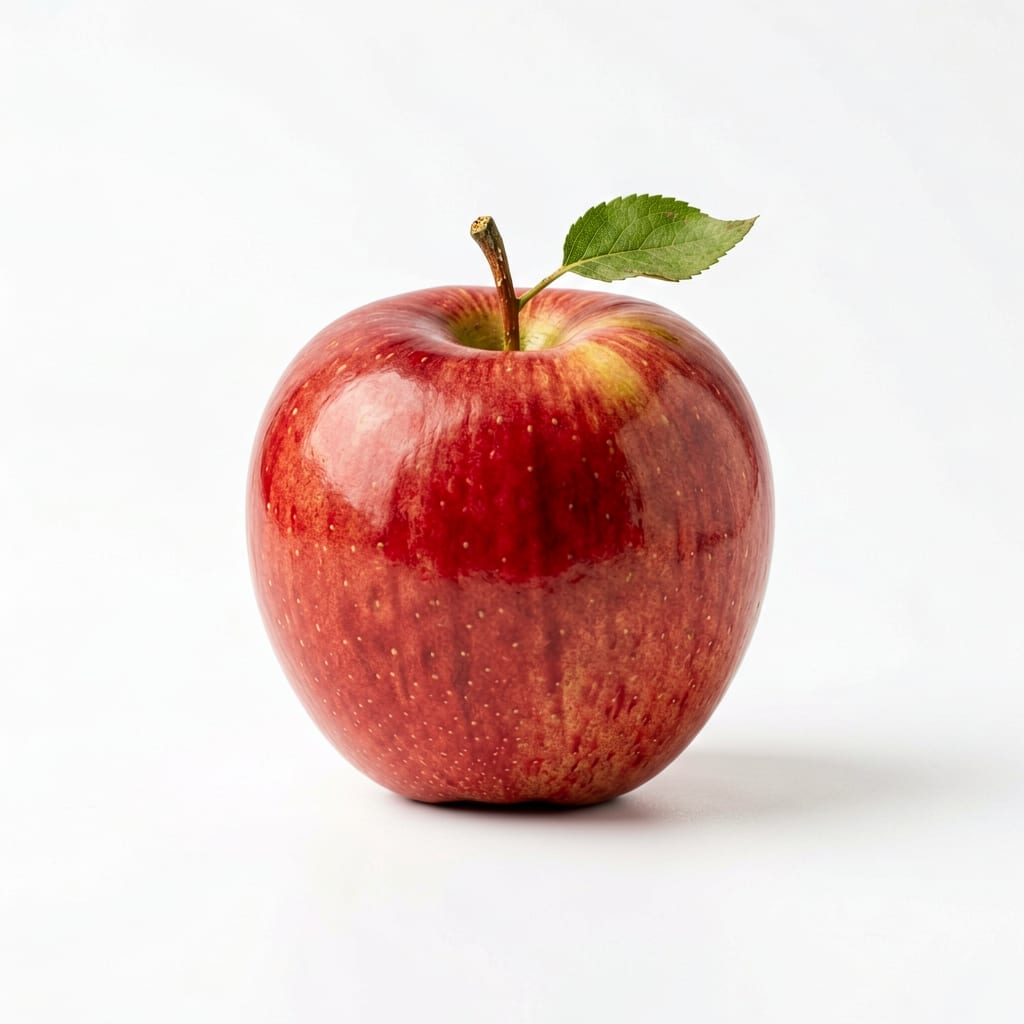
Apple
Apples win on fullness and blood sugar stability; mandarins win on vitamin C and grab-and-go convenience.
Apples score higher overall due to stronger satiety, better blood sugar stability, and superior fiber content. Mandarins excel in vitamin C and convenience but their lower fiber and quicker sugar release narrow their advantage for daily health outcomes.
You choose between steadier energy and satiety (apple) or quicker vitamin C and easier snacking (mandarin).
At a glance
Executive summary
Overall
It depends
Healthier
Apple
More practical
Mandarin
Daily use
Apple
Key comparison lenses
everyday snack selection
Both are common portable fruit snacks people choose between daily
blood sugar management
Mandarins are sweeter and lower in fiber, raising glycemic concerns compared to apples
satiety and hunger control
Fiber and chewing time differences significantly affect how full each fruit keeps you
vitamin c and immunity
Mandarins are notably richer in vitamin C, a common reason people choose citrus
convenience and portability
Mandarins peel easily by hand while apples require biting or cutting, affecting on-the-go use
Best choice for
Mandarin
- Quick energy before a workout
- Vitamin C boost during cold season
- Kids who resist peeling or chewing harder fruit
- On-the-go snacking with no knife needed
- Light dessert after a heavy meal
Apple
- Sustained energy through a long morning
- Weight management and appetite control
- Steady blood sugar for diabetes or prediabetes
- Gut health and digestive regularity
- Meal prep and lunchbox staples that last all week
Least suitable for
Mandarin
- Managing significant blood sugar concerns
- Situations requiring long-lasting fullness
- Anyone who tends to overeat sweet fruit easily
Apple
- Need for immediate quick energy
- Situations where chewing is difficult
- People who dislike firm textures
Deep comparison
Dimension by dimension
Each lens scores both foods and breaks down who each option suits.
- Dimension 1 · Priority 90Apple
Satiety and Fullness
Mandarin · 55Apple · 82Apples keep you full significantly longer due to higher fiber and the physical effort of chewing.
Tradeoff
Mandarins are lighter and less filling, which is great for a quick bite but poor for lasting hunger control.
Why it matters
If your snack disappears from your stomach in 30 minutes, you are reaching for something else sooner.
Real-world impact
An apple at 10am often holds you until lunch. A mandarin at 10am may leave you hungry again by 10:45.
Mandarin
- Light snacking when you do not want to feel heavy
- Pre-workout energy without stomach discomfort
Better for
- Anyone relying on a snack to bridge a 4-hour gap between meals
Worse for
Apple
- Skipping the mid-morning hunger crash
- Reducing total daily calorie intake naturally
Better for
- Situations where a heavy feeling in your stomach would be uncomfortable
Worse for
- Dimension 2 · Priority 88Apple
Blood Sugar Stability
Mandarin · 58Apple · 78Apples release sugar more gradually thanks to more fiber and a lower effective glycemic load per typical serving.
Tradeoff
Mandarins spike blood sugar faster, which feels energizing briefly but can lead to a quicker dip.
Why it matters
Steady blood sugar means steadier mood, focus, and fewer cravings an hour later.
Real-world impact
After a mandarin you may feel a quick perk then a subtle slump. After an apple the energy hums along more evenly.
Mandarin
- Quick fuel right before physical activity
- Recovering from a mild blood sugar dip
Better for
- Anyone monitoring glycemic impact closely
Worse for
Apple
- Prediabetes or diabetes management
- Sustained focus during long work sessions
Better for
- Immediate post-workout recovery where faster sugar uptake is actually helpful
Worse for
- Dimension 3 · Priority 78Mandarin
Vitamin C and Immune Support
Mandarin · 90Apple · 50Mandarins deliver roughly 2-3 times more vitamin C per serving than apples, making them the clear immunity pick.
Tradeoff
You get a stronger immune boost from mandarins but sacrifice the fiber and satiety that apples provide.
Why it matters
Vitamin C is not stored in the body, so daily intake matters for immune function and skin health.
Real-world impact
Two mandarins cover most of your daily vitamin C needs. You would need several apples to match that.
Mandarin
- Cold and flu season immune support
- Skin health and collagen production
Better for
- Situations where vitamin C is already well-supplemented
Worse for
Apple
- Gut-related immune benefits via fiber fermentation
Better for
- Anyone relying on fruit as a primary vitamin C source
Worse for
- Dimension 4 · Priority 82Apple
Fiber and Gut Health
Mandarin · 48Apple · 85Apples provide nearly double the fiber per serving, especially soluble fiber that feeds beneficial gut bacteria.
Tradeoff
Mandarins still contribute some fiber but not enough to meaningfully move your daily intake.
Why it matters
Fiber is the nutrient most people consistently under-consume, and it drives digestion, satiety, and metabolic health.
Real-world impact
One medium apple covers about 15-20% of daily fiber needs. A mandarin covers roughly 7%.
Mandarin
- Light digestive contribution without bloating
Better for
- Anyone needing to increase fiber intake for health reasons
Worse for
Apple
- Improving digestive regularity
- Feeding gut microbiome diversity
- Lowering cholesterol through soluble fiber
Better for
- Individuals with sensitive digestion who find high-fiber fruit uncomfortable
Worse for
- Dimension 5 · Priority 72Mandarin
Convenience and Portability
Mandarin · 92Apple · 65Mandarins peel in seconds with no mess, no knife, and no core. Apples require biting strength or slicing.
Tradeoff
The convenience of mandarins makes you more likely to actually eat fruit, but apples store longer without spoiling.
Why it matters
The healthiest fruit is the one you actually grab when busy or tired.
Real-world impact
Toss a mandarin in your bag and peel it at a red light. An apple needs two hands and attention to eat cleanly.
Mandarin
- Commuting and driving snacks
- Office desk snacking without sticky fingers
- Packing for toddlers and young children
Better for
- Situations where you want a substantial snack that feels like a mini-meal
Worse for
Apple
- Meal prep where you slice a week's worth in advance
- Situations where shelf life matters more than instant access
Better for
- Eating while walking or multitasking
Worse for
- Dimension 6 · Priority 65It depends
Antioxidant Diversity
Mandarin · 75Apple · 78Mandarins offer beta-carotene and citrus flavonoids; apples provide quercetin and apple-specific polyphenols. Both are valuable.
Tradeoff
Neither dominates. Rotating both gives you the broadest antioxidant coverage.
Why it matters
Different antioxidants protect different systems. Variety matters more than quantity from a single source.
Real-world impact
Eating mandarins supports eye health and inflammation. Apples support lung function and cardiovascular markers.
Mandarin
- Eye health and vision support via beta-carotene
- Anti-inflammatory flavonoid intake
Better for
- Missing out on quercetin's unique anti-allergy and anti-inflammatory effects
Worse for
Apple
- Respiratory and cardiovascular polyphenol benefits
- Cellular protection from quercetin
Better for
- Missing beta-carotene and citrus-specific flavonoid benefits
Worse for
Timeline
Health impact over time
Short-term
Hours to days
Mandarin
- Quick energy lift from easily absorbed natural sugars
- Noticeable vitamin C intake supporting immediate immune function
- Light feeling in the stomach with minimal digestive burden
Apple
- Gradual energy release without a sharp crash
- Comfortable fullness that reduces snacking urges for 1-2 hours
- Mild blood sugar stabilization within the first hour
Long-term
Months to years
Mandarin
- Consistent vitamin C intake supports skin elasticity and immune resilience
- Lower fiber contribution means less impact on long-term digestive regularity
- Higher sugar per calorie may subtly affect metabolic markers if eaten in large quantities
Apple
- Daily fiber intake supports lower cholesterol and improved gut microbiome diversity
- Stable blood sugar patterns reduce long-term diabetes risk
- Polyphenol intake associated with reduced cardiovascular and respiratory disease risk
Risk profile
Safety & processing
Both are whole, unprocessed fruits with no additives when eaten fresh. Canned mandarins in syrup are a different product and should be evaluated separately.
Mandarin
Pesticide residue on peel
mediumCitrus peels can carry pesticide residues. If you zest or use the peel, choose organic. Peeling and discarding the rind removes most concern.
Mold and spoilage
lowMandarins spoil faster than apples, especially at room temperature. Soft spots and mold can develop within a week.
Apple
Pesticide residue on skin
mediumApples consistently rank high for pesticide residue since the skin is eaten. Washing helps but does not eliminate all residues. Organic is worthwhile if you eat apples daily.
Wax coating
lowConventional apples are often coated with food-grade wax to extend shelf life. It is safe but can trap pesticide residue against the skin.
Who wins for whom
Audience fit
Same foods, different winners depending on your goal.
children
MandarinMandarins are easier for small hands to peel, sweeter to kid palates, and softer to chew, making fruit enjoyable rather than a chore.
daily consumption
AppleApples offer more consistent metabolic benefits, better satiety, and superior fiber contribution when eaten as a daily staple.
diabetes
AppleApples have a lower glycemic impact and more fiber to slow sugar absorption, making them safer for blood sugar management.
elderly
It dependsMandarins are easier to chew for those with dental issues, but apples provide more fiber which is commonly deficient in older adults.
muscle gain
It dependsNeither is a protein source. Mandarins offer slightly quicker carbs post-workout; apples offer more sustained fuel pre-workout.
weight loss
AppleHigher fiber and more chewing time make apples significantly more filling per calorie, reducing overall food intake throughout the day.
Your move
Decision guide
Choose Mandarin
- You want a quick vitamin C boost, especially during cold season
- You need a grab-and-go snack that requires zero prep
- You are eating before exercise and want light, fast energy
- You are packing fruit for a child who struggles with harder textures
- You want something sweet after a meal without feeling stuffed
Choose Apple
- You want a snack that actually keeps you full until your next meal
- You are managing blood sugar or trying to reduce cravings
- Gut health and daily fiber intake are priorities
- You want a fruit that stores well for a week or more
- You tend to overeat sweet fruit and need something that naturally limits portions through chewing effort
Either works if
- You simply want to eat more whole fruit and both are available
- You are rotating fruit varieties for broadest nutrient coverage
- Calorie count is your main concern since both are low
Avoid both if
- You have a citrus or rosaceae family allergy
- You are on a very strict low-carb or ketogenic diet
- You need a significant protein source and fruit is displacing it
Final recommendation
Keep both in your kitchen but lean toward apples as your daily default. Their fiber, satiety, and blood sugar stability make them the stronger foundation for everyday health. Add mandarins when you want a vitamin C lift, a sweeter treat, or the easiest snack possible. Variety between the two gives you the best of both worlds.
Practical
Consumer tips
- 1
Buy organic apples if you eat them daily, since you consume the skin and they rank high for pesticide residue
- 2
Refrigerate mandarins to extend their shelf life from a few days to nearly two weeks
- 3
Leave apple skins on for maximum fiber and polyphenols — peeling removes roughly half the beneficial compounds
- 4
Pair either fruit with a handful of nuts or a spoonful of nut butter to slow sugar absorption and double the satiety
- 5
Freeze mandarin segments for a refreshing summer snack that takes longer to eat
- 6
If apples feel too filling before a workout, a mandarin gives you lighter energy without stomach weight