
Nutrition comparison
Macaroni vs Zucchini Noodles: Which Is Better for Weight Loss and Health?
Compare macaroni and zucchini noodles on calories, blood sugar impact, nutrition, and satisfaction. Find out which pasta alternative fits your health goals.
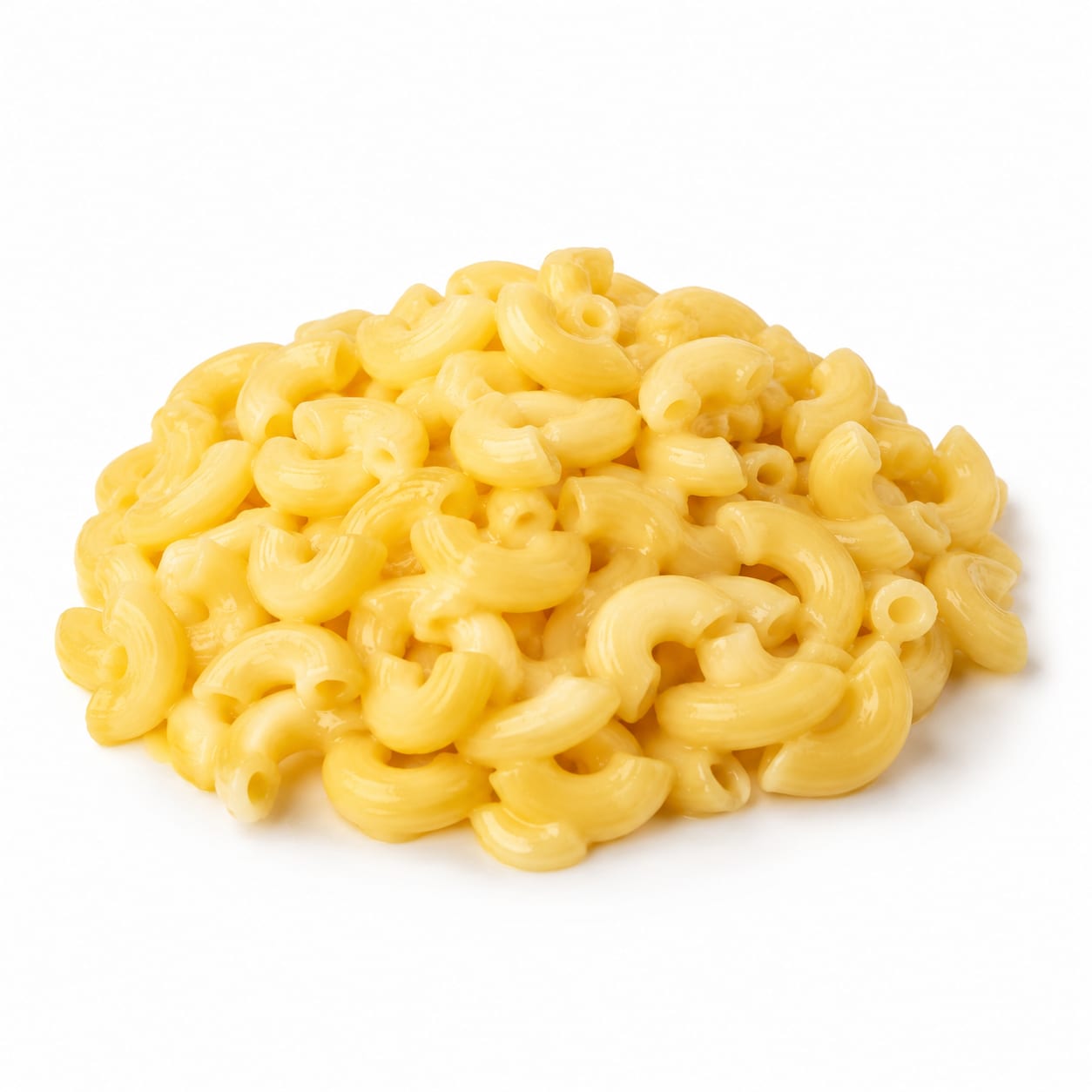
Macaroni
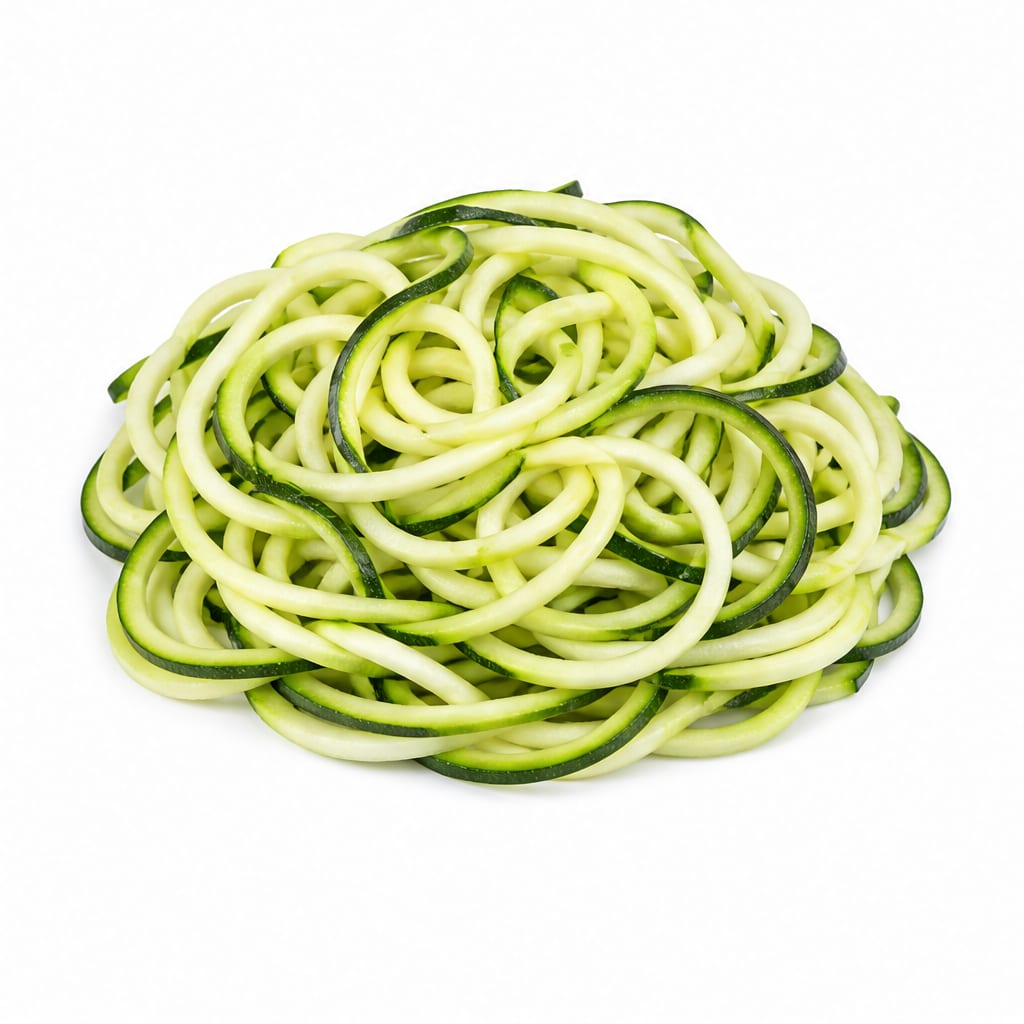
Zucchini Noodles
Zucchini noodles win for health and weight goals, but macaroni wins for satisfaction and energy needs. The right choice depends entirely on what you're optimizing for.
Zucchini noodles score significantly higher due to low calorie density, minimal processing, and blood sugar stability. Macaroni scores lower because refined flour offers limited nutritional value and spikes blood sugar. However, macaroni still has legitimate use cases for energy and satisfaction.
You trade comfort and sustained energy for dramatically fewer calories and better blood sugar control.
At a glance
Executive summary
Overall
It depends
Healthier
Zucchini Noodles
More practical
Macaroni
Daily use
Zucchini Noodles
Key comparison lenses
low-carb diet suitability
This is the primary reason most people consider swapping macaroni for zucchini noodles
weight management and calorie control
Massive calorie difference makes this central to any weight loss decision
blood sugar management
Refined carbs vs near-zero carbs creates a stark glycemic contrast
meal satisfaction and comfort
Macaroni is deeply comforting; zucchini noodles often feel like a compromise
nutritional density
Vitamins and minerals vs mostly empty refined carbs
Best choice for
Macaroni
- Athletes needing carb fuel before or after intense training
- Underweight individuals trying to gain weight
- Children who need calorie-dense meals for growth
- People recovering from illness who need easy-to-eat comfort food
- Anyone on a tight food budget
Zucchini Noodles
- People managing type 2 diabetes or insulin resistance
- Anyone actively losing weight
- Low-carb or keto dieters
- Those trying to increase vegetable intake
- People avoiding refined grains for inflammation reasons
Least suitable for
Macaroni
- People with diabetes or prediabetes
- Anyone on a low-carb eating plan
- Those struggling with portion control around pasta
- People with non-celiac gluten sensitivity
Zucchini Noodles
- Endurance athletes who need glycogen replenishment
- Growing teenagers with high caloric needs
- Anyone finding vegetable substitutes triggering for disordered eating patterns
- People who feel unsatisfied and overeat later after light meals
Deep comparison
Dimension by dimension
Each lens scores both foods and breaks down who each option suits.
- Dimension 1 · Priority 95Zucchini Noodles
Blood Sugar Stability
Macaroni · 22Zucchini Noodles · 95Macaroni causes a rapid blood sugar rise and crash. Zucchini noodles barely register on blood sugar.
Tradeoff
You lose the quick energy burst from refined carbs but gain hours of steady energy without the crash.
Why it matters
Blood sugar roller coasters drive cravings, fatigue, and long-term metabolic damage.
Real-world impact
After macaroni, you may feel sleepy within an hour and hungry again soon after. Zucchini noodles keep you on an even keel.
Macaroni
- Quick pre-workout energy when you need fast fuel
Better for
- Insulin spikes that worsen metabolic syndrome
- Post-meal fatigue and brain fog
Worse for
Zucchini Noodles
- Managing diabetes
- Preventing afternoon energy crashes
- Reducing sugar cravings throughout the day
Better for
- Not enough carbs for glycogen-depleted athletes
Worse for
- Dimension 2 · Priority 92Zucchini Noodles
Calorie Density and Weight Management
Macaroni · 18Zucchini Noodles · 96A cup of cooked macaroni has roughly 220 calories. A cup of zucchini noodles has about 20 calories. That is a 10x difference.
Tradeoff
You can eat a mountain of zucchini noodles for the same calories as a small macaroni portion, but you may not feel as satisfied.
Why it matters
Calorie density is the single strongest predictor of overeating without realizing it.
Real-world impact
You could eat three cups of zucchini noodles with sauce and stay under 100 calories from the base. The same volume of macaroni would cost you 660 calories.
Macaroni
- People who struggle to eat enough calories
- Building calorie surplus for muscle gain
Better for
- Extremely easy to overconsume calories
- Restaurant portions can hit 600+ calories from pasta alone
Worse for
Zucchini Noodles
- Cutting calories without feeling deprived of volume
- Eating large portions while losing weight
Better for
- May leave you hungry if not paired with protein and fat
Worse for
- Dimension 3 · Priority 85Macaroni
Satiety and Meal Satisfaction
Macaroni · 72Zucchini Noodles · 45Macaroni provides a comforting fullness that zucchini noodles struggle to match. The chew and density of pasta trigger satisfaction signals that watery vegetables cannot replicate.
Tradeoff
You feel more emotionally and physically satisfied after macaroni, but that satisfaction comes with a heavy calorie price tag.
Why it matters
Meals that feel like compromises often lead to snacking later, negating calorie savings.
Real-world impact
Many people report feeling deprived after zucchini noodle meals and end up eating more later. Adding protein and healthy fats to zucchini noodles helps close this gap significantly.
Macaroni
- Emotional comfort eating in a healthy context
- Family meals where everyone needs to feel satisfied
Better for
- The satisfaction can lead to second helpings you did not plan on
Worse for
Zucchini Noodles
- Light meals before active periods
- Hot weather eating when heavy food feels wrong
Better for
- Risk of rebound hunger within 1-2 hours if eaten alone
Worse for
- Dimension 4 · Priority 80Zucchini Noodles
Nutritional Value
Macaroni · 15Zucchini Noodles · 78Macaroni is essentially refined flour with minimal vitamins or minerals. Zucchini noodles bring vitamin C, potassium, manganese, and antioxidants.
Tradeoff
Zucchini noodles offer real nutrition but lack the B vitamins that enriched macaroni sometimes contains.
Why it matters
Nutrient-dense foods support your immune system, energy, and long-term health without extra calories.
Real-world impact
Choosing zucchini noodles as your base means every bite contributes something useful to your body beyond just energy.
Macaroni
- Iron and B vitamins if eating enriched pasta varieties
Better for
- Essentially empty calories beyond basic starch energy
Worse for
Zucchini Noodles
- Potassium for blood pressure regulation
- Vitamin C for immune support
- Antioxidants that fight cellular damage
Better for
- Lower in iron and folate than enriched pasta
Worse for
- Dimension 5 · Priority 70Macaroni
Practicality and Convenience
Macaroni · 82Zucchini Noodles · 55Macaroni is shelf-stable, cheap, and cooks in 8 minutes with one pot. Zucchini noodles require fresh produce that spoils, a spiralizer or pre-cut packs, and careful cooking to avoid mushiness.
Tradeoff
Macaroni is always ready and affordable. Zucchini noodles need more planning, cost more per serving, and have a steeper technique learning curve.
Why it matters
Inconvenient healthy foods get abandoned. The best choice is one you will actually make consistently.
Real-world impact
On a tired Tuesday night, boiling macaroni takes zero thought. Making zucchini noodles means washing, spiralizing, and sautéing carefully. Pre-cut zoodles help but cost more.
Macaroni
- Busy weeknight cooking
- Tight grocery budgets
- Pantry meals when you cannot shop fresh
Better for
- No fresh produce benefit
Worse for
Zucchini Noodles
- Meal prep sessions where you batch-prep vegetables
Better for
- Zucchini goes bad in 4-5 days
- Overcooked zoodles turn into a watery mess
- Spiralizer cleanup is annoying
Worse for
- Dimension 6 · Priority 65Zucchini Noodles
Digestive Tolerance
Macaroni · 40Zucchini Noodles · 75Zucchini noodles are gentle on digestion for most people and provide fiber that supports gut health. Macaroni can cause bloating, especially for those with gluten sensitivity.
Tradeoff
Zucchini noodles are easier on the gut but their high water content can feel heavy in the stomach if eaten in large volumes.
Why it matters
Digestive discomfort after meals affects mood, energy, and willingness to repeat that meal choice.
Real-world impact
If pasta makes you bloated or sluggish, zucchini noodles are a revelation. If you have IBS, the FODMAP content of zucchini may need monitoring in large portions.
Macaroni
- People who tolerate gluten well and find pasta comforting
Better for
- Gluten can trigger inflammation in sensitive people
- Low fiber slows digestion
Worse for
Zucchini Noodles
- Gluten-sensitive individuals
- People prone to post-meal bloating
Better for
- Large volumes may cause temporary stomach fullness from water weight
Worse for
Timeline
Health impact over time
Short-term
Hours to days
Macaroni
- Quick energy from easily digested starch
- Possible blood sugar crash within 60-90 minutes
- Post-meal drowsiness or brain fog
- Comfort and emotional satisfaction
Zucchini Noodles
- Steady energy with no crash
- Light feeling after eating
- Possible desire to eat more if not paired with protein and fat
- Hydrating due to high water content
Long-term
Months to years
Macaroni
- Regular consumption linked to weight gain if portions are not controlled
- Higher risk of insulin resistance with frequent refined carb intake
- Low nutrient contribution over months and years
- Possible chronic low-grade inflammation from refined grains
Zucchini Noodles
- Supports healthy weight maintenance effortlessly
- Improved blood sugar regulation over time
- Better micronutrient status from consistent vegetable intake
- Lower inflammatory marker trends
Risk profile
Safety & processing
Macaroni is made from refined flour stripped of its bran and germ, then shaped and dried. It is processed but contains few additives. Zucchini noodles are simply a raw vegetable cut into strips. This is one of the clearest naturalness differences you will find in a food swap.
Macaroni
Gluten exposure for celiac or sensitive individuals
highContains wheat gluten. People with celiac disease must avoid it entirely. Those with non-celiac gluten sensitivity may experience bloating, fatigue, or joint pain.
Enriched flour additives
lowSome enriched macaroni contains added iron and B vitamins in synthetic forms. Generally safe but worth noting for those avoiding synthetic fortification.
Zucchini Noodles
Pesticide residue on conventional zucchini
mediumZucchini is not on the highest pesticide lists but conventional farming does use pesticides. Washing helps. Organic reduces this concern significantly.
Bacterial contamination from improper handling
lowFresh produce carries some risk of E. coli or salmonella if not washed properly. Pre-cut zoodles have slightly higher risk due to increased surface area and handling.
Who wins for whom
Audience fit
Same foods, different winners depending on your goal.
children
MacaroniKids need calorie-dense foods for growth and generally find pasta more appealing, making it easier to ensure adequate intake.
daily consumption
Zucchini NoodlesDaily zucchini noodles support vegetable intake goals and pose no metabolic risk. Daily macaroni would crowd out more nutritious foods.
diabetes
Zucchini NoodlesNear-zero carbs and no blood sugar spike make zucchini noodles dramatically safer for glucose management.
elderly
It dependsZucchini noodles suit elderly individuals managing diabetes or weight. Macaroni suits those who need easy-to-chew, calorie-dense food to prevent malnutrition.
muscle gain
MacaroniMuscle building requires a calorie surplus and glycogen for training intensity. Macaroni delivers both efficiently.
weight loss
Zucchini NoodlesTen times fewer calories per cup makes zucchini noodles the obvious choice for creating a calorie deficit without portion misery.
Your move
Decision guide
Choose Macaroni
- You are an athlete training hard and need carb replenishment
- You are underweight or struggling to eat enough calories
- It is a rare comfort meal and you want genuine satisfaction
- You are cooking for kids who need calorie-dense meals
- Budget is a primary constraint and you need cheap calories
Choose Zucchini Noodles
- You are actively losing weight or maintaining a lower weight
- You have diabetes, prediabetes, or insulin resistance
- You follow a low-carb or keto eating approach
- You want to increase your daily vegetable intake effortlessly
- Refined carbs make you feel sluggish or trigger cravings
Either works if
- You are at a healthy weight and eat a balanced diet overall
- You mix both in a single dish for reduced calories with some pasta satisfaction
- You rotate between them based on daily energy needs
Avoid both if
- You have a nightshade sensitivity that includes zucchini
- You have celiac disease and are considering regular macaroni
- You are seeking a high-protein base for your meal
Final recommendation
For most people reading this comparison, zucchini noodles are the better everyday choice. The calorie savings alone are transformative for weight management. However, the practical reality is that zucchini noodles work best when you stop expecting them to be pasta. Pair them with a robust sauce, plenty of protein, and some healthy fats. If you need real pasta, have it intentionally once a week rather than pretending zucchini is an adequate substitute every day. The best approach for many people is a 50/50 mix: half macaroni, half zucchini noodles. You get the comfort and satisfaction with roughly half the calories.
Practical
Consumer tips
- 1
Try a half-and-half bowl: mix equal parts macaroni and zucchini noodles. You keep the pasta experience with half the calories.
- 2
Do not overcook zucchini noodles. Two minutes in a hot pan is enough. Any longer and they turn watery and limp.
- 3
Salt zucchini noodles lightly and let them sit for 10 minutes, then pat dry. This removes excess water and prevents a soupy sauce.
- 4
Pre-cut zoodles from the grocery store save time but cost significantly more. A handheld spiralizer pays for itself within a few meals.
- 5
Choose whole wheat or legume-based macaroni when you do eat pasta. You gain fiber and protein with minimal taste difference.
- 6
Toss zucchini noodles with a little olive oil and garlic before adding sauce. This adds flavor depth that makes the vegetable base more satisfying.
- 7
If zucchini noodles leave you hungry, the problem is not the noodles. Add grilled chicken, shrimp, or tofu and a generous portion of sauce with some fat content.