
Nutrition comparison
Macaroni vs Whole Wheat Macaroni: Which Is Actually Better for You?
Compare Macaroni and Whole Wheat Macaroni on fiber, blood sugar impact, taste, and long-term health. Find out which pasta fits your goals and how to make the switch easier.
Overall winner · Whole Wheat Macaroni
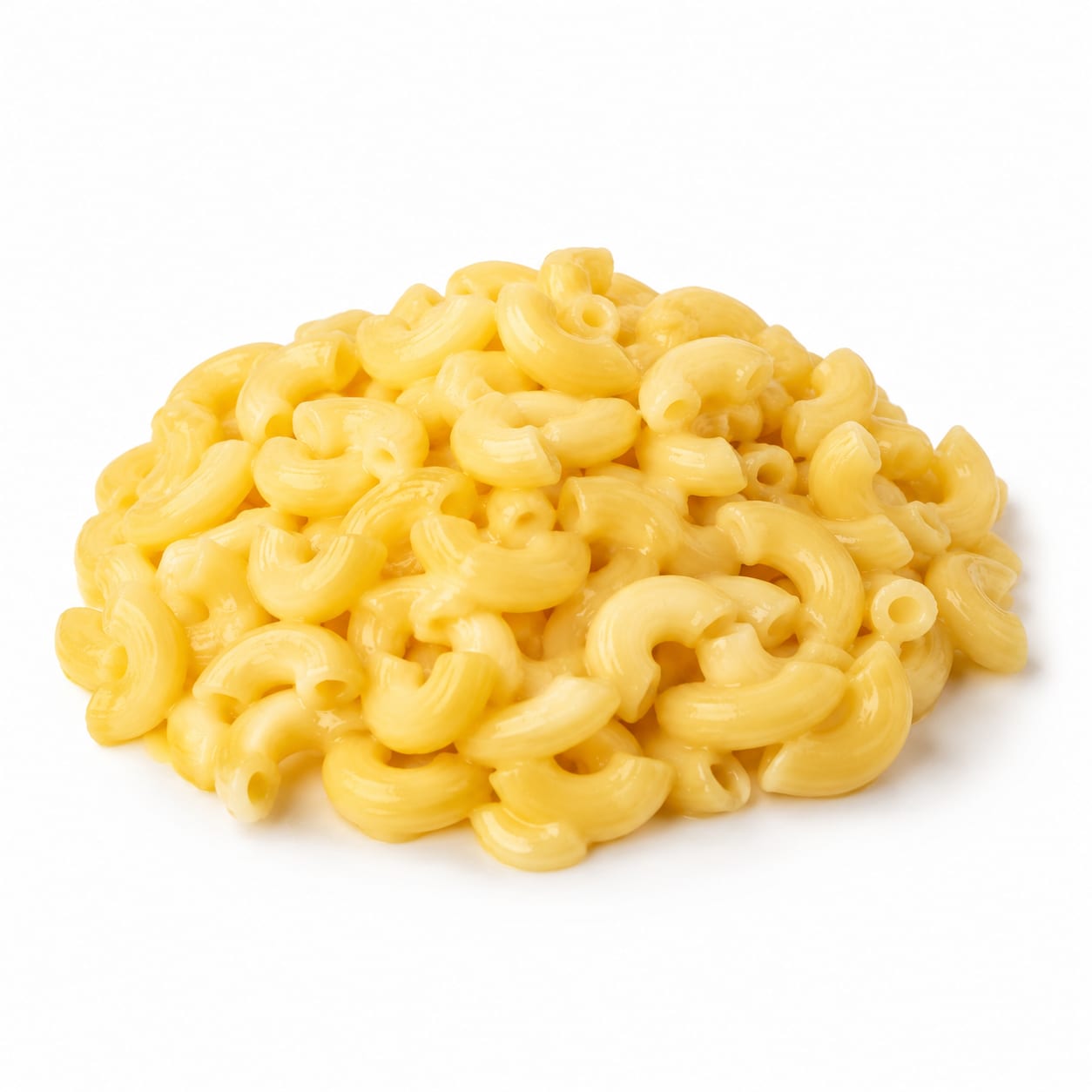
Macaroni
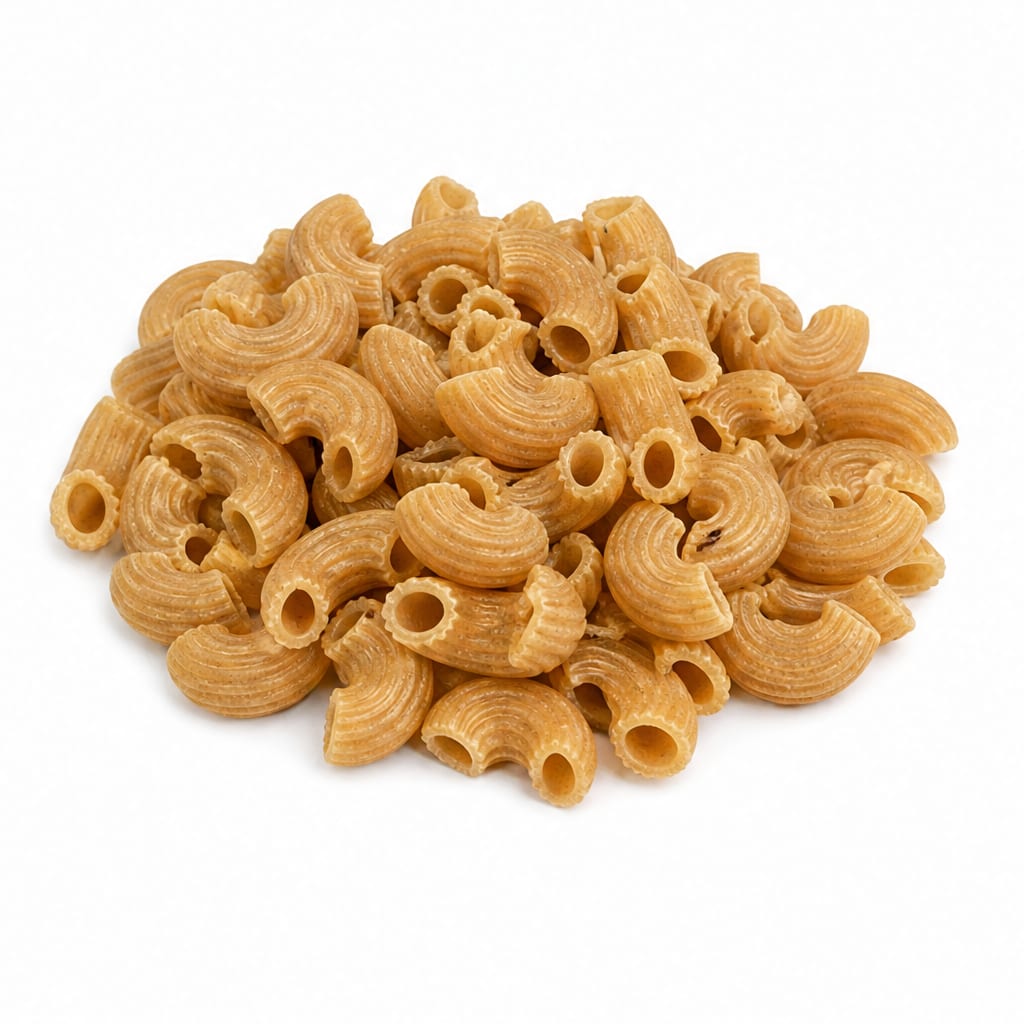
Whole Wheat Macaroni
Whole Wheat Macaroni wins on nearly every health metric, especially blood sugar control and fullness, but regular Macaroni remains easier to enjoy and more widely accepted at family meals.
Whole Wheat Macaroni scores significantly higher due to superior fiber, steadier blood sugar response, and greater nutrient density. Regular Macaroni scores above 50 because it remains a culturally familiar, affordable, and tolerable option for many people, especially when paired with protein and vegetables.
You trade the familiar mild taste and tender texture of regular Macaroni for steadier energy, better digestion, and stronger long-term health protection with Whole Wheat Macaroni.
At a glance
Executive summary
Overall
Whole Wheat Macaroni
Healthier
Whole Wheat Macaroni
More practical
Macaroni
Daily use
Whole Wheat Macaroni
Key comparison lenses
blood sugar and glycemic impact
The single biggest difference between refined and whole wheat pasta is how dramatically they affect blood sugar, making this the most consequential health dimension
fiber content and digestive health
Whole Wheat Macaroni delivers roughly three times the fiber, directly impacting fullness, gut health, and long-term disease risk
satiety and hunger management
Fiber and protein differences translate to noticeably different fullness levels, which matters for portion control and weight management
nutrient density and long-term health
Whole Wheat Macaroni retains bran and germ, providing significantly more B vitamins, magnesium, and antioxidants
taste and family acceptance
Many households struggle with the transition from regular Macaroni to Whole Wheat Macaroni due to texture and flavor differences
Best choice for
Macaroni
- Picky eaters and children transitioning to healthier options
- People with sensitive digestion who find whole grains irritating
- Athletes needing quick-digesting carbs before or after intense exercise
- Recipes where a delicate texture really matters, like classic mac and cheese
Whole Wheat Macaroni
- Anyone managing blood sugar concerns or prediabetes
- People trying to lose weight or control portions naturally
- Those wanting to improve gut health and regularity
- Anyone eating pasta frequently who wants a more nutritious staple
Least suitable for
Macaroni
- People with diabetes or insulin resistance
- Those trying to increase daily fiber intake
- Anyone prone to energy crashes after carb-heavy meals
Whole Wheat Macaroni
- People with irritable bowel syndrome triggered by high fiber
- Those who strongly dislike the taste and would rather skip pasta entirely
- Situations requiring quick energy replenishment during endurance sports
Deep comparison
Dimension by dimension
Each lens scores both foods and breaks down who each option suits.
- Dimension 1 · Priority 95Whole Wheat Macaroni
blood sugar stability
Macaroni · 30Whole Wheat Macaroni · 75Regular Macaroni causes a faster, sharper blood sugar rise. Whole Wheat Macaroni digests more slowly, giving you steadier energy for hours.
Tradeoff
Whole Wheat Macaroni prevents the afternoon crash but feels heavier in the moment, while regular Macaroni feels lighter going down but leaves you hungry sooner.
Why it matters
Blood sugar spikes from refined pasta trigger insulin surges that promote fat storage and cravings within 90 minutes of eating.
Real-world impact
After a regular Macaroni lunch, you are far more likely to crave a snack by 3pm. Whole Wheat Macaroni keeps you satisfied until dinner.
Macaroni
- Quick pre-workout fuel when you need fast-digesting carbs
Better for
- Sustained energy throughout the afternoon
- Metabolic health over months and years
Worse for
Whole Wheat Macaroni
- Avoiding the post-meal energy crash
- Managing prediabetes or diabetes
- Reducing cravings between meals
Better for
- Situations where you want a light, quick-digesting meal before activity
Worse for
- Dimension 2 · Priority 90Whole Wheat Macaroni
fiber and digestive health
Macaroni · 15Whole Wheat Macaroni · 80Whole Wheat Macaroni delivers roughly 6 grams of fiber per cup versus about 2 grams in regular Macaroni, making a meaningful dent in your daily fiber needs.
Tradeoff
The extra fiber is excellent for most people but can cause bloating or discomfort if your body is not used to it, especially in the first week of switching.
Why it matters
Most people fall far short of the recommended 25-35 grams of fiber daily. Swapping regular pasta for whole wheat is one of the easiest ways to close that gap.
Real-world impact
Better regularity, less constipation, and a healthier gut microbiome over time. You may notice the difference within days.
Macaroni
- People with acute digestive flare-ups who need low-fiber meals temporarily
Better for
- Anyone struggling to meet daily fiber targets
Worse for
Whole Wheat Macaroni
- Improving daily bowel regularity
- Feeding beneficial gut bacteria
- Reducing risk of colorectal issues long-term
Better for
- Those with IBS or fiber sensitivity during flare-ups
Worse for
- Dimension 3 · Priority 85Whole Wheat Macaroni
satiety and hunger control
Macaroni · 35Whole Wheat Macaroni · 78Whole Wheat Macaroni keeps you full noticeably longer because of its fiber and slightly higher protein content.
Tradeoff
You may eat less overall with Whole Wheat Macaroni, but the denser chew can feel less satisfying if you love the soft comfort of traditional pasta.
Why it matters
Feeling full sooner and longer means you naturally eat fewer calories without actively restricting, which is the most sustainable way to manage weight.
Real-world impact
A bowl of regular Macaroni might leave you reaching for seconds or a dessert. Whole Wheat Macaroni often makes one serving feel like enough.
Macaroni
- When you want a light meal that does not feel heavy
Better for
- Preventing overeating at dinner
- Avoiding late-night hunger
Worse for
Whole Wheat Macaroni
- Controlling portions without feeling deprived
- Staying full between meals without snacking
- Weight management without counting calories
Better for
- Meals where you want a light, easy-to-finish portion
Worse for
- Dimension 4 · Priority 75Macaroni
taste and enjoyment
Macaroni · 82Whole Wheat Macaroni · 55Regular Macaroni has a mild, familiar flavor and tender bite that most people love. Whole Wheat Macaroni tastes nuttier and has a firmer, chewier texture.
Tradeoff
Whole Wheat Macaroni offers more complex flavor but takes getting used to, and some people never fully adjust, especially in dishes where the pasta flavor should stay neutral.
Why it matters
Food only improves your health if you actually eat it. If Whole Wheat Macaroni ruins the dish for you, the nutritional benefits become irrelevant.
Real-world impact
Kids and picky eaters often reject Whole Wheat Macaroni on first try. Regular Macaroni disappears happily from any dinner table.
Macaroni
- Family meals with children
- Classic comfort food recipes like mac and cheese
- Serving guests who may not enjoy whole grain flavors
Better for
- Anyone seeking more complex, interesting flavors in their meals
Worse for
Whole Wheat Macaroni
- Dishes where a nutty, earthy flavor complements the sauce
- Pesto-based or olive oil-based pasta dishes
- People who already enjoy whole grain flavors
Better for
- Delicate cream-based sauces where the wheat flavor overpowers
- Households with strong texture preferences against chewiness
Worse for
- Dimension 5 · Priority 80Whole Wheat Macaroni
nutrient density
Macaroni · 25Whole Wheat Macaroni · 82Whole Wheat Macaroni retains the bran and germ, delivering significantly more B vitamins, iron, magnesium, zinc, and antioxidants than refined Macaroni.
Tradeoff
Regular Macaroni is enriched with some vitamins and minerals, but it still lacks the full spectrum of nutrients and phytochemicals found in the whole grain.
Why it matters
When pasta is a frequent meal, the nutrient gap compounds over time. Choosing whole wheat turns pasta from empty calories into a meaningful nutrient source.
Real-world impact
Over months and years, the extra magnesium supports muscle and nerve function, and the B vitamins help with energy metabolism and mood regulation.
Macaroni
- Situations where enrichment provides adequate baseline nutrients
Better for
- Anyone relying on pasta as a dietary staple without other nutrient sources
Worse for
Whole Wheat Macaroni
- Getting more nutrition per calorie eaten
- Supporting energy metabolism with B vitamins
- Improving magnesium intake for muscle and nerve health
Better for
- No real downside here, unless you count slightly higher calorie density per serving due to the fat content in the germ
Worse for
- Dimension 6 · Priority 80Whole Wheat Macaroni
long-term health protection
Macaroni · 30Whole Wheat Macaroni · 80Regular consumption of whole grains like Whole Wheat Macaroni is linked to lower risk of heart disease, type 2 diabetes, and certain cancers, while refined grains show the opposite pattern.
Tradeoff
The health benefits accumulate slowly over years, so the payoff is invisible in the short term, which makes it hard to stay motivated when the taste is less appealing.
Why it matters
Heart disease and diabetes develop silently over decades. Small daily choices like pasta type matter more than most people realize.
Real-world impact
Eating whole grains instead of refined grains most days is one of the simplest, lowest-effort ways to meaningfully reduce your long-term disease risk.
Macaroni
- Occasional meals where enjoyment matters more than optimization
Better for
- Long-term metabolic health when eaten as a daily staple
Worse for
Whole Wheat Macaroni
- Reducing heart disease risk over decades
- Lowering type 2 diabetes probability
- Supporting healthy cholesterol levels
Better for
- No significant long-term health downside
Worse for
Timeline
Health impact over time
Short-term
Hours to days
Macaroni
- Quick energy boost followed by a crash within 1-2 hours
- Less immediate fullness, making second helpings more likely
- Easier on the stomach if you have acute digestive sensitivity
Whole Wheat Macaroni
- Steadier energy with no dramatic spike or crash
- Noticeably more filling, often reducing total food intake at the meal
- Possible mild bloating or gas during the first week if your body is adjusting to more fiber
Long-term
Months to years
Macaroni
- Higher cumulative risk of insulin resistance when eaten frequently
- Greater likelihood of weight gain due to lower satiety and more frequent overeating
- Missing out on the protective fiber and antioxidants that whole grains provide
Whole Wheat Macaroni
- Better blood sugar regulation and lower diabetes risk over years
- Improved gut microbiome diversity and digestive regularity
- Lower inflammation markers and reduced cardiovascular risk
Risk profile
Safety & processing
Both are processed foods since the wheat has been milled and shaped into pasta. The key difference is that regular Macaroni strips away the bran and germ during milling, while Whole Wheat Macaroni retains the entire grain. Neither typically contains artificial additives, but regular Macaroni is further from its whole-food origins.
Macaroni
glyphosate residue
lowConventionally grown wheat may carry trace pesticide residues. This applies to both types, but choosing organic reduces exposure regardless of which pasta you pick.
Whole Wheat Macaroni
glyphosate residue
lowSame concern as regular Macaroni. Organic Whole Wheat Macaroni eliminates this worry entirely.
mycotoxin contamination
lowWhole grains retain the bran layer, which can theoretically harbor more mycotoxins if storage conditions are poor. Reputable brands test for this, so the real-world risk is minimal.
Who wins for whom
Audience fit
Same foods, different winners depending on your goal.
children
It dependsWhole Wheat Macaroni provides better nutrition for growing bodies, but regular Macaroni is more likely to be eaten without complaint. A gradual transition or blend is often the most practical approach.
daily consumption
Whole Wheat MacaroniWhen pasta is a regular part of your diet, Whole Wheat Macaroni turns a refined-carb habit into a whole-grain advantage.
diabetes
Whole Wheat MacaroniThe lower glycemic index and higher fiber of Whole Wheat Macaroni make it significantly safer for blood sugar management.
elderly
Whole Wheat MacaroniOlder adults benefit most from the fiber, B vitamins, and steadier blood sugar that Whole Wheat Macaroni provides, as long as digestion tolerates it.
muscle gain
It dependsRegular Macaroni provides faster-digesting carbs useful post-workout, while Whole Wheat Macaroni offers slightly more protein and steadier energy for sustained training. Context determines the winner.
weight loss
Whole Wheat MacaroniWhole Wheat Macaroni keeps you fuller on fewer calories and prevents the blood sugar crashes that trigger overeating.
Your move
Decision guide
Choose Macaroni
- You strongly dislike the taste of whole wheat and would skip pasta entirely rather than switch
- You need quick-digesting carbs for athletic performance within 2 hours of training
- You have acute digestive issues that make high-fiber meals uncomfortable right now
- You are cooking for picky eaters and the meal matters more than the optimization
Choose Whole Wheat Macaroni
- You want steadier energy and fewer cravings after meals
- You are managing blood sugar, weight, or long-term disease risk
- You eat pasta regularly and want each serving to count nutritionally
- You are willing to invest a week or two adjusting to the taste and texture
Either works if
- You only eat pasta occasionally and the nutritional difference is minimal in the big picture
- You are mixing pasta with plenty of vegetables, lean protein, and healthy fats, which blunts the glycemic difference
- You are cooking for a group with mixed preferences and want a compromise
Avoid both if
- You have celiac disease or gluten intolerance, as both contain gluten
- You are strictly limiting carbohydrates for medical reasons
- You are eating pasta as a standalone meal without protein, fiber, or healthy fat to balance it
Final recommendation
Choose Whole Wheat Macaroni as your default. The blood sugar stability, fiber, and long-term health benefits are substantial and well-documented. If the taste is a barrier, try mixing half regular and half whole wheat at first, then gradually shift the ratio. Save regular Macaroni for occasional comfort meals or pre-workout fuel, not as your everyday staple.
Practical
Consumer tips
- 1
Start with a 50-50 blend of regular and whole wheat Macaroni to ease the transition for yourself and your family
- 2
Pair either type with protein, healthy fats, and vegetables to slow digestion and reduce the glycemic impact
- 3
Look for Whole Wheat Macaroni made from 100 percent whole durum wheat for the best nutritional profile
- 4
Check cooking times carefully, as Whole Wheat Macaroni often needs a minute longer and can become gummy if overcooked
- 5
Choose organic versions of either pasta to minimize pesticide residue concerns
- 6
Sauce matters more than you think: robust tomato, pesto, or olive oil sauces complement the nuttier flavor of Whole Wheat Macaroni beautifully
- 7
If Whole Wheat Macaroni feels too heavy, try whole grain blends that mix wheat with lighter grains like quinoa or brown rice