
Nutrition comparison
Macaroni vs White Rice: Which Refined Carb Is Better for You?
Compare macaroni and white rice on blood sugar impact, satiety, digestion, and nutrition. Find out which staple carb fits your health goals and when to choose each.
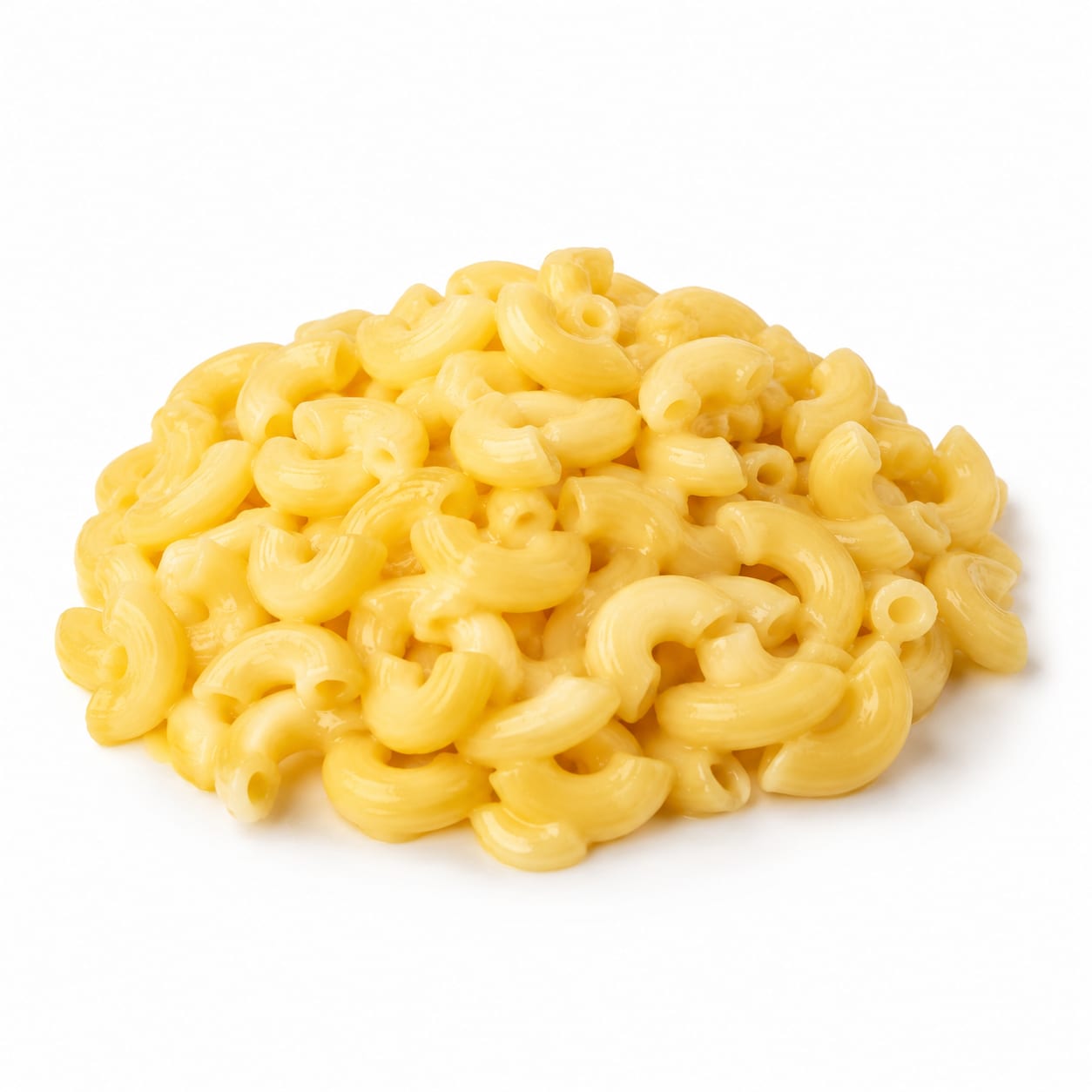
Macaroni
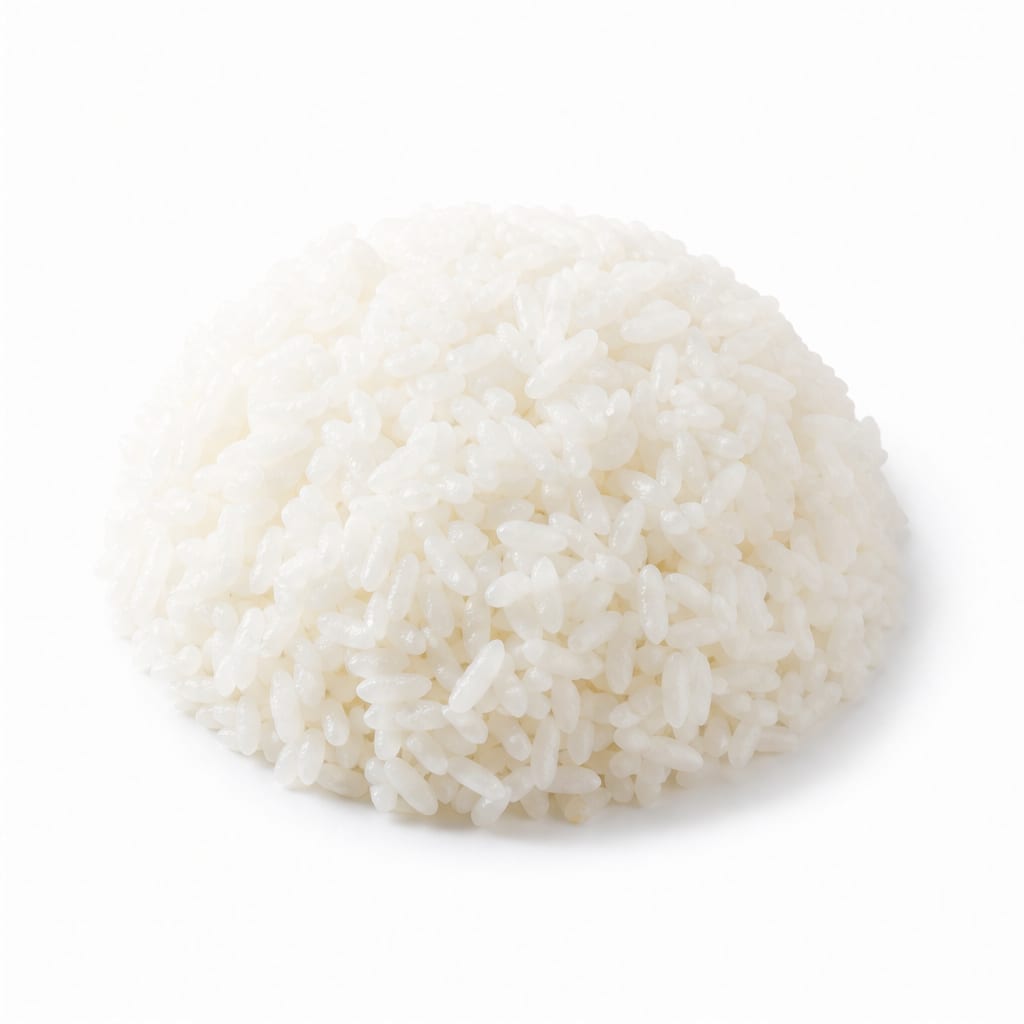
White Rice
Macaroni keeps you fuller and causes less dramatic blood sugar spikes, but white rice is gentler on digestion and far less processed.
Both are refined carbohydrate staples with limited nutritional density. Macaroni edges ahead slightly due to better satiety and a lower glycemic response, but white rice wins on digestibility and minimal processing. Neither is a nutritional standout.
Satiety and steadier energy from macaroni versus cleaner digestion and simpler processing with white rice.
At a glance
Executive summary
Overall
It depends
Healthier
It depends
More practical
White Rice
Daily use
It depends
Key comparison lenses
blood sugar management
Both are refined carbs with high glycemic impact, but pasta digests slower due to its dense structure
weight management and satiety
Users choosing between staple carbs often care about which keeps them fuller longer
digestive tolerance and food sensitivities
Gluten in macaroni versus gluten-free nature of white rice is a major deciding factor
processing and naturalness concerns
Macaroni is more processed than milled white rice, which matters to clean-eating consumers
meal versatility and convenience
Both are pantry staples but serve different culinary roles and preparation needs
Best choice for
Macaroni
- People wanting longer-lasting energy between meals
- Those who find pasta more satisfying and less likely to overeat
- Active individuals needing sustained carb fuel
- Anyone managing blood sugar who still wants refined carbs
White Rice
- People with gluten sensitivity or celiac disease
- Those with digestive issues needing easy-to-digest meals
- Anyone recovering from illness needing bland, gentle food
- People who prefer a neutral base for varied dishes
Least suitable for
Macaroni
- Anyone with celiac disease or gluten intolerance
- People on low-carb or keto diets
- Those sensitive to wheat or processed grains
White Rice
- People managing diabetes who need lower glycemic foods
- Those who find white rice too hunger-inducing soon after eating
- Anyone avoiding refined carbs for metabolic health
Deep comparison
Dimension by dimension
Each lens scores both foods and breaks down who each option suits.
- Dimension 1 · Priority 92Macaroni
Blood Sugar Stability
Macaroni · 42White Rice · 28Macaroni digests more slowly than white rice, leading to a gentler blood sugar rise.
Tradeoff
Neither food is ideal for blood sugar control, but macaroni is meaningfully less spiky.
Why it matters
White rice causes a rapid glucose surge followed by a crash, leaving you tired and hungry again sooner.
Real-world impact
After a white rice meal, you may feel hungry again within 90 minutes. Macaroni typically buys you another 30-60 minutes before hunger returns.
Macaroni
- Steadier afternoon energy
- Less dramatic post-meal crashes
- More predictable hunger timing
Better for
- Still causes significant blood sugar elevation
Worse for
White Rice
- Quick energy for immediate post-workout recovery
- Faster glucose availability when needed
Better for
- Notable energy crash 1-2 hours after eating
- Can trigger cravings soon after meals
Worse for
- Dimension 2 · Priority 88Macaroni
Satiety and Fullness
Macaroni · 48White Rice · 32Macaroni is more filling per calorie thanks to higher protein and its dense physical structure slowing digestion.
Tradeoff
White rice leaves you hungry sooner, which can lead to overeating at subsequent meals.
Why it matters
Feeling full matters for weight management and avoiding unnecessary snacking.
Real-world impact
A cup of cooked macaroni keeps most people satisfied for 2-3 hours. The same amount of white rice often leaves you reaching for a snack within 1-2 hours.
Macaroni
- Longer gaps between meals without hunger
- Less temptation to snack between meals
- Better portion control naturally
Better for
- Can feel too heavy before exercise
Worse for
White Rice
- Lighter meals when you want to eat again soon
- Easier to eat small amounts without feeling stuffed
Better for
- Easy to overeat because hunger returns quickly
- Less satisfying as a standalone meal base
Worse for
- Dimension 3 · Priority 80White Rice
Digestive Tolerance
Macaroni · 35White Rice · 72White rice is one of the most easily digested foods available, while macaroni contains gluten and is harder to break down.
Tradeoff
If you have any gluten sensitivity, macaroni becomes a poor choice regardless of other benefits.
Why it matters
Digestive discomfort affects daily quality of life more than most nutritional differences.
Real-world impact
White rice is a go-to recovery food for upset stomachs worldwide. Macaroni can cause bloating or discomfort in gluten-sensitive individuals, affecting 5-7% of people.
Macaroni
- Generally well-tolerated by those without gluten issues
Better for
- Causes bloating in gluten-sensitive people
- Can trigger IBS symptoms
- Not suitable for celiac disease
Worse for
White Rice
- Safe for celiac and gluten-sensitive individuals
- Gentle during illness recovery
- Rarely causes bloating or gas
- Recommended for IBS flare-ups
Better for
- Very low fiber can slow digestion for some
Worse for
- Dimension 4 · Priority 72White Rice
Processing and Naturalness
Macaroni · 25White Rice · 45White rice is simply milled and polished rice. Macaroni requires industrial extrusion and often contains added ingredients.
Tradeoff
Neither is a whole food, but white rice undergoes fewer steps between field and plate.
Why it matters
Less processing generally means fewer unexpected additives and more predictable metabolic responses.
Real-world impact
White rice has two ingredients: rice and water. Macaroni often includes enriched flour, which sounds beneficial but signals industrial processing.
Macaroni
- Enrichment adds back some B vitamins and iron
Better for
- Industrial extrusion process
- May contain hidden additives in cheaper brands
- Enrichment signals nutrient stripping
Worse for
White Rice
- Minimal ingredient list
- No industrial shaping or extrusion
- Fewer additives and preservatives
- More transparent supply chain
Better for
- Milling removes most nutrients from brown rice
- Still a refined product
Worse for
- Dimension 5 · Priority 65Macaroni
Protein and Micronutrients
Macaroni · 40White Rice · 28Macaroni provides roughly double the protein of white rice and slightly more iron and B vitamins from enrichment.
Tradeoff
The protein difference matters over time but is not dramatic enough to make either a good protein source.
Why it matters
Even small protein advantages in staple foods add up when you eat them frequently.
Real-world impact
A serving of macaroni gives you about 8g protein versus 4g in white rice. Over a week of daily consumption, that is 28g more protein from macaroni.
Macaroni
- Meaningfully more protein per serving
- Better iron content from enrichment
- More B vitamins including folate
Better for
- Still a low-protein food overall
- Incomplete protein source
Worse for
White Rice
- Small amounts of manganese and selenium
Better for
- Very low protein contribution to daily needs
- Fewer micronutrients after milling
Worse for
- Dimension 6 · Priority 60White Rice
Versatility and Convenience
Macaroni · 50White Rice · 62White rice pairs with nearly every cuisine and cooks with zero attention. Macaroni requires boiling and draining.
Tradeoff
Rice is more globally versatile and forgiving to prepare, while macaroni works better in baked dishes and specific recipes.
Why it matters
The easier a staple is to prepare, the more consistently you will cook at home.
Real-world impact
White rice can cook unattended in a rice cooker and reheats well. Macaroni needs stovetop attention and can overcook quickly.
Macaroni
- Great for baked casserole dishes
- Holds up well in cold pasta salads
- Familiar comfort food format
Better for
- Limited to Western-style preparations mostly
- Does not reheat as well
- Requires active cooking attention
Worse for
White Rice
- Works with Asian, Latin, African, and European dishes
- Rice cooker makes it nearly effortless
- Reheats without significant texture loss
- Neutral flavor adapts to any seasoning
Better for
- Less suitable for baked dishes
- Can become gummy if overcooked
Worse for
Timeline
Health impact over time
Short-term
Hours to days
Macaroni
- Moderate blood sugar rise within 30-60 minutes
- Feeling of fullness lasting 2-3 hours
- Possible bloating in gluten-sensitive individuals
- Mild energy dip possible at 2-hour mark
White Rice
- Rapid blood sugar spike within 15-45 minutes
- Hunger returning within 1-2 hours
- Very gentle on the digestive tract
- Quick energy availability for active moments
Long-term
Months to years
Macaroni
- Regular consumption without fiber or protein balance may contribute to insulin resistance
- Gluten exposure is fine for most but risky for undiagnosed celiac
- Slightly better satiety may support healthier portion habits over time
White Rice
- Frequent high glycemic meals linked to increased type 2 diabetes risk
- Very low nutrient density means missed micronutrient opportunities
- Easier digestion reduces chronic gut inflammation risk for sensitive individuals
Risk profile
Safety & processing
White rice undergoes milling and polishing but no reshaping or additive steps. Macaroni requires grinding wheat into flour, mixing, extruding through dies, and drying. Cheaper macaroni brands may include preservatives or dough conditioners. White rice is closer to its natural state.
Macaroni
Gluten exposure for sensitive individuals
highEven trace gluten can trigger serious reactions in people with celiac disease. Macaroni is not safe for this population.
Arsenic contamination from wheat
lowWheat-based products have lower arsenic concerns than rice, giving macaroni an advantage here.
White Rice
Arsenic contamination
mediumRice accumulates more inorganic arsenic than other grains. Regular daily consumption increases exposure. Rinsing rice and using excess water helps reduce levels.
Bacillus cereus from improper storage
mediumCooked rice left at room temperature can grow this toxin-producing bacteria. Refrigerate leftovers promptly within 2 hours.
Who wins for whom
Audience fit
Same foods, different winners depending on your goal.
children
It dependsMacaroni and cheese is a childhood favorite with more protein, but white rice is gentler on developing digestive systems and less likely to cause allergic reactions.
daily consumption
It dependsDepends entirely on your digestive health and blood sugar priorities. Neither should dominate daily meals without adding vegetables, protein, and healthy fats.
diabetes
MacaroniLower glycemic impact means less strain on insulin response. Neither is ideal, but macaroni causes a more manageable blood sugar curve.
elderly
White RiceWhite rice is easier to chew, digest, and tolerate for aging digestive systems. It is also a safe option for the higher prevalence of gluten sensitivity in older adults.
muscle gain
MacaroniMore protein per serving and steadier energy release make macaroni slightly more useful around training, though both need significant protein additions to support muscle growth.
weight loss
MacaroniMacaroni keeps you fuller longer, reducing the likelihood of overeating or snacking between meals. The protein advantage also helps preserve lean mass during calorie restriction.
Your move
Decision guide
Choose Macaroni
- You want steadier energy and fewer cravings between meals
- You have no gluten sensitivity and enjoy pasta-based meals
- You are managing blood sugar and must choose between refined carbs
- You prefer a staple that contributes more protein to your day
Choose White Rice
- You have any gluten sensitivity or celiac disease
- You need gentle, easy-to-digest food during illness recovery
- You want a neutral base that works with any cuisine
- You prefer minimal processing and a shorter ingredient list
Either works if
- You are adding plenty of protein, vegetables, and healthy fats to the meal
- You rotate between different carb sources throughout the week
- You are generally healthy and eat these foods in moderation
Avoid both if
- You are managing diabetes and have access to whole grain alternatives
- You are following a low-carb or ketogenic eating approach
- You are trying to maximize nutrient density in every meal
- You have metabolic syndrome and need to reduce refined carbohydrate intake
Final recommendation
If you tolerate gluten, macaroni gives you slightly better satiety and blood sugar control. If digestion is any concern, white rice is the safer and gentler choice. For either food, the real decision is what you pair with it — adding protein, fiber, and healthy fats matters far more than choosing between these two refined carbs.
Practical
Consumer tips
- 1
Rinse white rice before cooking to reduce arsenic levels by up to 30%
- 2
Cook macaroni al dente to keep its glycemic index even lower — overcooked pasta digests faster
- 3
Pair either food with lean protein and vegetables to dramatically improve the nutritional profile of your meal
- 4
Refrigerate leftover rice within 2 hours to avoid Bacillus cereus food poisoning
- 5
Choose whole wheat macaroni or brown rice when possible for significantly more fiber and nutrients
- 6
Alternate between different carb sources throughout the week rather than relying on one staple daily
- 7
If eating white rice daily, consider sourcing from regions with lower arsenic soil levels like California rather than the southern US