
Nutrition comparison
Macaroni vs Spaghetti: Which Pasta Shape Is Healthier?
Macaroni and Spaghetti are nutritionally similar refined wheat pastas, but shape affects eating speed, sauce pairing, and satiety. Learn which is better for your goals.
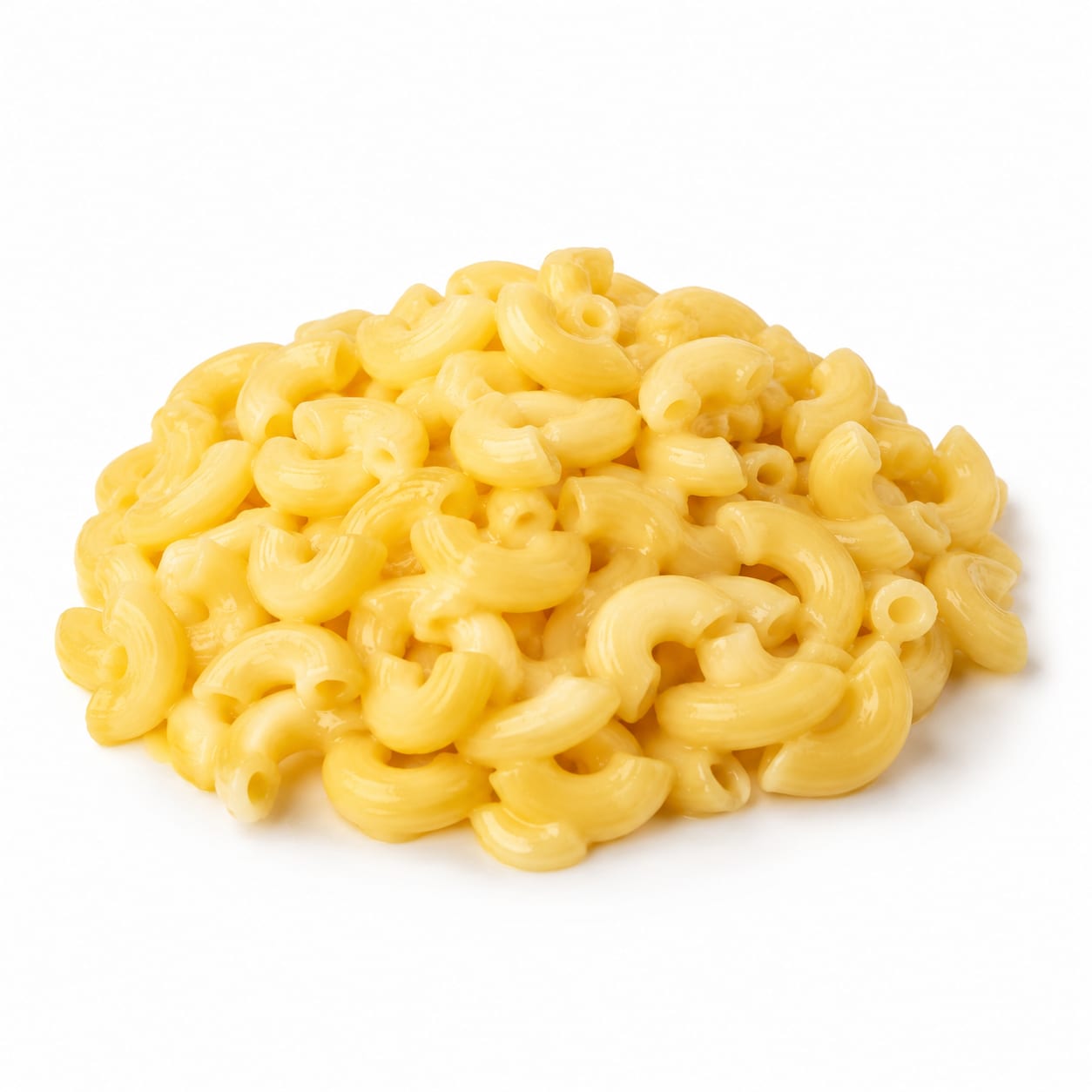
Macaroni
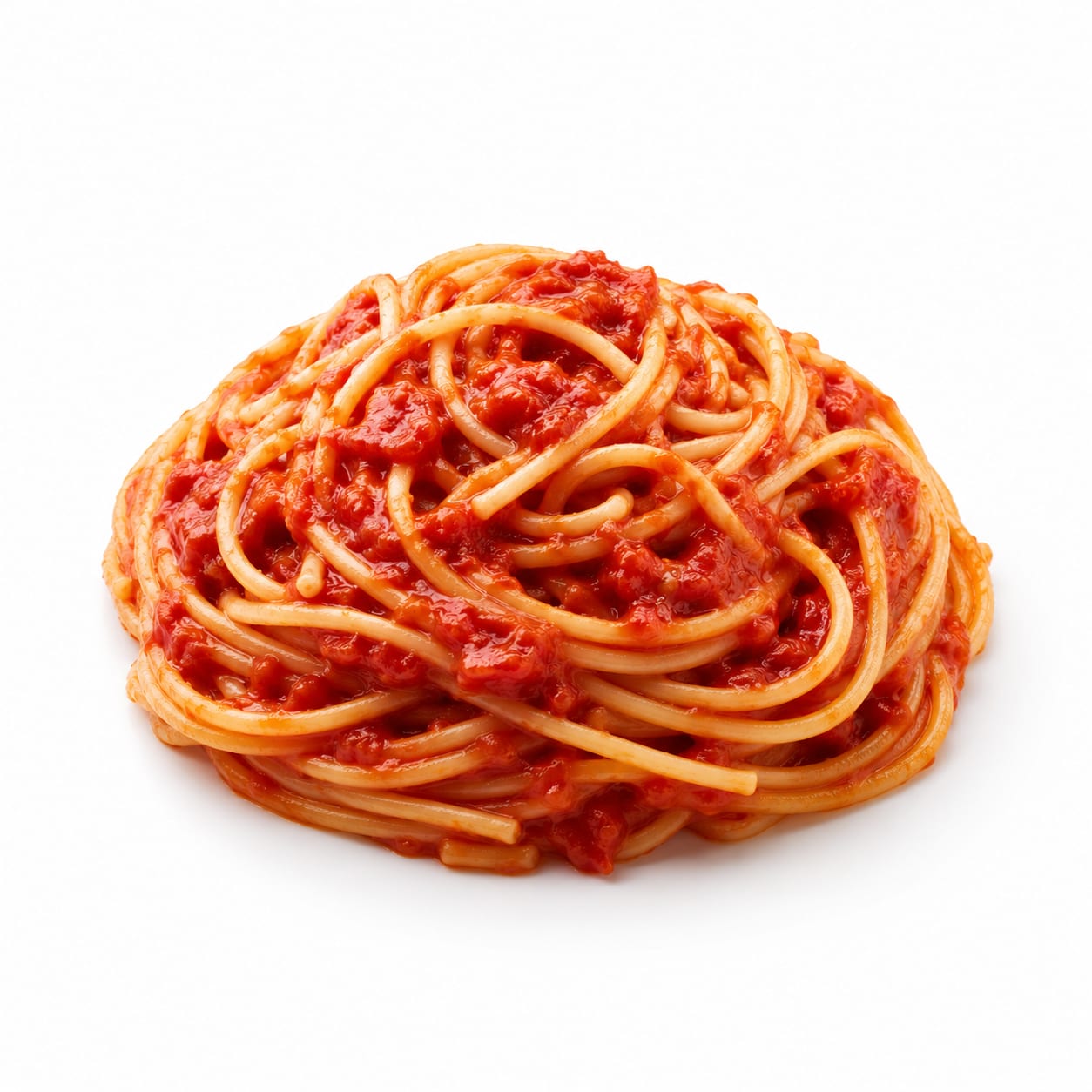
Spaghetti
Macaroni and Spaghetti are nutritionally near-identical since both are typically refined durum wheat pasta. The real difference is how you eat them and what you pair them with.
Spaghetti edges slightly ahead due to slower eating pace and lighter typical sauce pairings, but the nutritional difference is minimal. The real health outcome depends entirely on portion size and what sauce you use.
Macaroni holds cheese and creamy sauces better but is easier to overeat in baked dishes. Spaghetti pairs with lighter tomato-based sauces and slows eating pace slightly due to twirling.
At a glance
Executive summary
Overall
It depends
Healthier
It depends
More practical
Spaghetti
Daily use
It depends
Key comparison lenses
glycemic impact and blood sugar
Both are refined wheat pastas with high glycemic potential, but shape affects digestion speed
satiety and portion control
Shape influences eating speed and fullness cues, which matters for weight management
sauce pairing and nutrient absorption
Different shapes hold sauces differently, affecting overall meal nutrition
meal versatility and practicality
Users want to know which shape fits more meals and cooking situations
digestive tolerance
Tube vs strand shape can affect how easily the pasta is digested
Best choice for
Macaroni
- Cold pasta salads with vegetables
- Baked casserole dishes with protein added
- Kids who prefer smaller bite-sized shapes
- Meal prep containers where long strands are messy
Spaghetti
- Light tomato or olive oil based meals
- Slower more mindful eating experiences
- Meals where you want sauce as a coating not a filling
- Traditional Mediterranean-style dishes
Least suitable for
Macaroni
- Blood sugar management when served in heavy cheese sauces
- Weight loss when used in calorie-dense baked dishes
- Quick stovetop meals with light sauces
Spaghetti
- Portable meal prep or lunchboxes
- Young children who struggle with long noodles
- Baked casserole-style recipes
Deep comparison
Dimension by dimension
Each lens scores both foods and breaks down who each option suits.
- Dimension 1 · Priority 85Spaghetti
blood_sugar_impact
Macaroni · 42Spaghetti · 48Both spike blood sugar significantly as refined carbs, but Spaghetti's long strands slow consumption slightly, giving a marginal edge.
Tradeoff
Macaroni's compact shape means you chew and swallow faster, leading to a slightly quicker glucose rise. The difference is small but real for diabetics.
Why it matters
Faster eating correlates with higher post-meal blood sugar spikes. Even 5-10 minutes of slower eating can smooth the glucose curve.
Real-world impact
After a Macaroni lunch you might feel a quicker energy crash. Spaghetti eaten slowly with a fork gives your body more time to handle the carb load.
Macaroni
- Nothing meaningful for blood sugar
Better for
- Faster eating leads to quicker glucose spike
- Commonly paired with heavy cheese sauces that add saturated fat
Worse for
Spaghetti
- Slightly gentler blood sugar response when eaten slowly
- Better paired with fiber-rich sauces to slow absorption
Better for
- Still a high-glycemic refined carb regardless of shape
Worse for
- Dimension 2 · Priority 80Spaghetti
satiety_and_portion_control
Macaroni · 40Spaghetti · 55Spaghetti forces slower eating through twirling, giving fullness signals more time to register. Macaroni is easy to shovel quickly.
Tradeoff
Macaroni's bite-sized convenience is also its downfall for portion control. You can eat a large bowl before realizing you are full.
Why it matters
Eating speed is one of the strongest predictors of overconsumption. Shape subtly influences how fast you finish a meal.
Real-world impact
A plate of Spaghetti might take 15 minutes to finish mindfully. The same calories of Macaroni can disappear in 8 minutes, leaving you less satisfied.
Macaroni
- Easier to measure precise portions for meal prep
Better for
- Easy to overeat without noticing
- Commonly used in calorie-dense baked dishes
Worse for
Spaghetti
- Naturally slows eating pace
- More visually satisfying plate appearance per calorie
Better for
- Large tangled portions can look deceptively small on a plate
Worse for
- Dimension 3 · Priority 75Macaroni
sauce_pairing_and_nutrition_potential
Macaroni · 60Spaghetti · 50Macaroni's hollow tube captures sauce inside, meaning each bite carries more flavor and potentially more nutrients from vegetable-based sauces.
Tradeoff
Better sauce capture also means Macaroni absorbs more calorie-dense sauces like cheese and cream. Spaghetti's surface coating approach works better with lighter preparations.
Why it matters
The sauce determines the nutritional profile of a pasta meal far more than the pasta shape itself. Shape influences which sauces work best.
Real-world impact
Macaroni in a veggie-packed marinara traps nutrients in every tube. But Macaroni in a three-cheese bake traps hundreds of extra calories just as effectively.
Macaroni
- Holds chunky vegetable sauces inside tubes
- Works in cold salads with oil and vegetable dressings
- Better for nutrient-dense baked dishes with added vegetables
Better for
- Traps heavy cream and cheese sauces efficiently
- Can mask lack of vegetables in a dish
Worse for
Spaghetti
- Pairs naturally with lighter tomato and olive oil sauces
- Less sauce needed per bite for flavor satisfaction
- Better suited for garlic and herb preparations that coat strands
Better for
- Heavy sauces make long strands messy and unpleasant
- Vegetable chunks slide off strands easily
Worse for
- Dimension 4 · Priority 60Macaroni
digestive_tolerance
Macaroni · 55Spaghetti · 45Macaroni's smaller pieces are easier to chew thoroughly and digest. Spaghetti strands can be swallowed in clumps if eaten quickly.
Tradeoff
Better digestibility comes with less satiety feedback. Food that is too easy to eat bypasses natural fullness signals.
Why it matters
People with sensitive digestion or who eat quickly may find Spaghetti harder to tolerate, especially in large portions.
Real-world impact
If you have ever felt uncomfortably stuffed after a big Spaghetti dinner, partially chewed clumps of pasta in your stomach are part of the reason.
Macaroni
- Easier to chew completely before swallowing
- Gentler on sensitive stomachs
- Better for elderly or those with chewing difficulties
Better for
- Easier to eat too much too fast
Worse for
Spaghetti
- Nothing meaningful for digestion
Better for
- Long strands can form clumps in the stomach
- Requires more deliberate chewing to digest well
Worse for
- Dimension 5 · Priority 70Macaroni
versatility_and_meal_variety
Macaroni · 65Spaghetti · 55Macaroni works in more dish types: soups, salads, bakes, and stovetop meals. Spaghetti is more limited to plated pasta dishes.
Tradeoff
More versatility means more potential for both healthy and unhealthy preparations. Spaghetti's narrower range keeps you in a relatively consistent nutritional zone.
Why it matters
Dietary variety helps with nutrient intake and prevents meal fatigue, but also opens the door to less healthy recipes.
Real-world impact
Macaroni can become a cold lunchbox salad, a hot dinner bake, or a soup addition. Spaghetti is mostly a dinner plate meal.
Macaroni
- Works hot, cold, baked, and in soups
- Better for meal prep across the week
- More recipe diversity keeps meals interesting
Better for
- Versatility includes calorie bombs like mac and cheese
- More recipe variety can mean more temptation
Worse for
Spaghetti
- Consistent preparation style makes portion habits easier to build
- Harder to hide unhealthy ingredients in simple preparations
Better for
- Limited to mostly plated hot meals
- Less useful for cold leftovers or lunchboxes
Worse for
Timeline
Health impact over time
Short-term
Hours to days
Macaroni
- Quick energy from refined carbohydrates
- Faster blood sugar rise due to rapid consumption pace
- Comforting and satisfying especially in cheese-based dishes
- Possible energy crash within 2 hours if eaten without protein or fiber
Spaghetti
- Quick energy from refined carbohydrates
- Slightly slower blood sugar rise when eaten at a measured pace
- More filling per visual portion due to strand volume on the plate
- Less post-meal drowsiness when paired with light sauces
Long-term
Months to years
Macaroni
- Frequent consumption in heavy cheese sauces raises saturated fat intake
- Easy to overeat regularly due to fast consumption pace
- Risk of refined carb dependency and blood sugar dysregulation over time
- Can be part of a healthy diet if paired with vegetables and lean protein
Spaghetti
- Slightly better blood sugar habits if eaten slowly with fork twirling
- Common pairing with tomato sauce provides lycopene benefits
- Still a refined grain that should not dominate daily meals
- Mediterranean-style preparations support long-term heart health
Risk profile
Safety & processing
Both Macaroni and Spaghetti are processed foods made from refined durum wheat semolina. Standard dried versions contain minimal ingredients, typically just wheat and sometimes added vitamins. Neither contains concerning artificial additives in their basic dried form. The processing concern is the refinement itself, which strips fiber and nutrients from the wheat.
Macaroni
Undercooking and uneven hydration
lowHollow tubes can sometimes retain slightly uncooked centers if not boiled adequately, but this is a texture issue not a safety concern.
Mold in stored dry pasta
lowRare in properly stored dried pasta. Check for moisture damage in humid environments.
Spaghetti
Undercooking and dense clumps
lowSpaghetti strands that stick together during boiling can form dense uncooked cores. Stirring well prevents this.
Mold in stored dry pasta
lowSame low risk as any dried pasta. Store in a cool dry place.
Who wins for whom
Audience fit
Same foods, different winners depending on your goal.
children
MacaroniMacaroni's small bite-sized pieces are easier and safer for young children to eat. Spaghetti requires more coordination and can be a choking concern for toddlers.
daily consumption
It dependsNeither refined pasta should be a daily staple. Rotating between both shapes with whole grain versions and varied sauces is healthier than choosing one exclusively.
diabetes
SpaghettiSpaghetti eaten slowly with a fork produces a slightly gentler blood sugar curve. Both require careful portion control and pairing with fiber and protein to be manageable for diabetics.
elderly
MacaroniSmaller pieces are easier to chew and digest for aging teeth and slower digestion. Spaghetti can be harder to manage for those with dexterity or dental challenges.
muscle gain
It dependsBoth provide similar refined carbohydrates for glycogen replenishment. Choose based on what sauce you add for protein. Neither has an inherent muscle-building advantage.
weight loss
SpaghettiSpaghetti's slower eating pace and typical pairing with lighter tomato sauces makes it easier to control calories. Macaroni's common use in cheese-heavy baked dishes works against weight loss goals.
Your move
Decision guide
Choose Macaroni
- You want a pasta that works in cold salads, soups, and baked dishes
- You are cooking for children who prefer smaller pieces
- You need meal-prep friendly shapes for lunchboxes
- You are making a casserole with added vegetables and lean protein
- You have digestive sensitivities and need easier-to-chew food
Choose Spaghetti
- You prefer lighter tomato or olive oil based sauces
- You tend to eat too fast and benefit from slower eating mechanics
- You want a visually satisfying plate with fewer calories
- You are cooking Mediterranean-style meals
- You find long noodles more enjoyable and satisfying to eat
Either works if
- You are buying whole wheat or legume-based versions for better nutrition
- You pair pasta with plenty of vegetables and lean protein regardless of shape
- You practice portion control and eat mindfully
- You are simply using pasta as a vehicle for a nutrient-dense sauce
Avoid both if
- You have celiac disease or gluten intolerance
- You are managing blood sugar and cannot pair pasta with adequate fiber and protein
- You are trying to eliminate refined carbohydrates from your diet
- You find pasta triggers binge eating regardless of shape or portion
Final recommendation
Choose based on the meal you want to build, not the pasta itself. Spaghetti nudges you toward lighter sauces and slower eating, which is a slight health advantage. Macaroni offers more versatility but often comes with heavier preparations. The single best decision you can make is switching to whole wheat versions of either shape, which adds fiber, slows digestion, and improves satiety far more than shape ever could.
Practical
Consumer tips
- 1
Always choose whole wheat or chickpea-based versions when available. The fiber difference matters far more than shape.
- 2
Cook either pasta al dente. Firmer pasta has a lower glycemic index than overcooked soft pasta.
- 3
Pair with a vegetable-forward sauce and lean protein. The pasta is just the base, not the meal.
- 4
Measure dry pasta before cooking. A cup of dry pasta looks small but becomes a large cooked portion.
- 5
If you choose Macaroni, use it in cold pasta salads with lots of chopped vegetables rather than cheese-heavy bakes.
- 6
If you choose Spaghetti, resist the urge to cut it. Twirling slows your eating pace and improves digestion.
- 7
Add a tablespoon of olive oil to your Spaghetti sauce for healthy fats that slow carbohydrate absorption.
- 8
Reserve half your plate for vegetables regardless of which pasta shape you choose.