
Nutrition comparison
Macaroni vs Quinoa: Which is Healthier?
Compare macaroni vs quinoa for weight loss, blood sugar, and protein. See which grain is better for your health goals and daily meals.
Overall winner · Quinoa
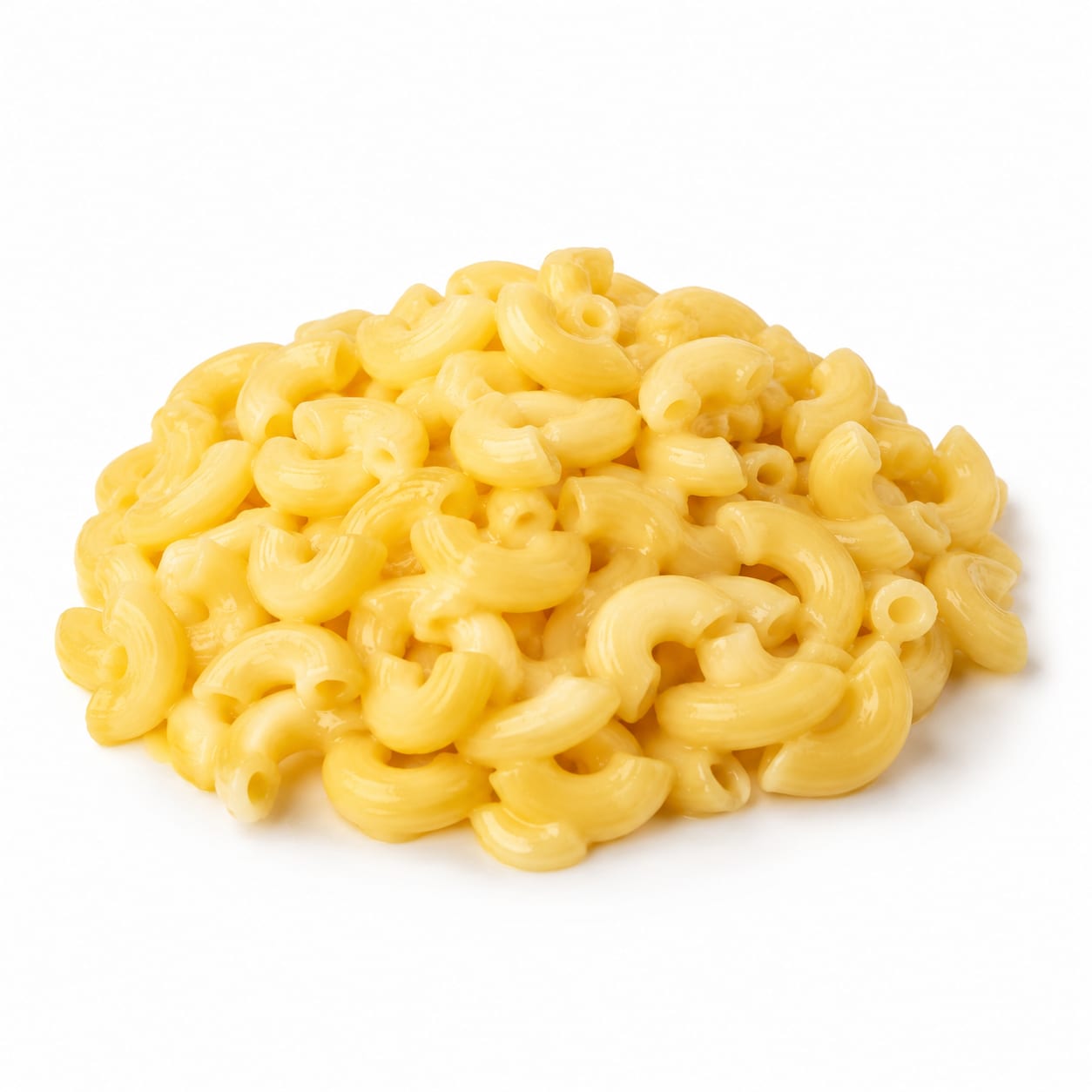
Macaroni
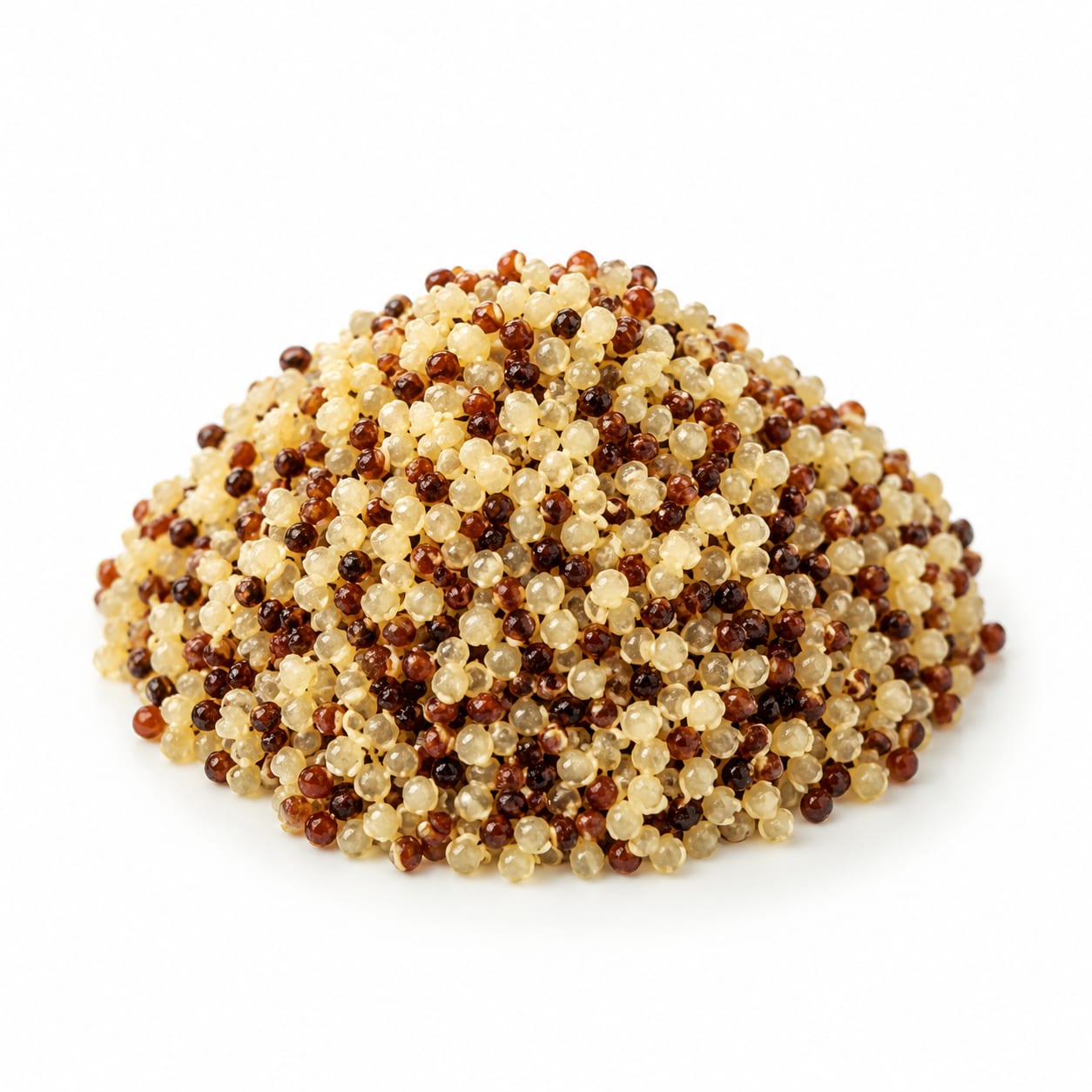
Quinoa
Quinoa dominates on nutrition and blood sugar stability, while macaroni offers cheap, comforting convenience at the cost of steady energy.
Quinoa scores significantly higher due to its complete protein, high fiber, and blood sugar stability. Macaroni falls short nutritionally but retains points for affordability and comfort.
Nutritional power and satiety versus comfort, speed, and familiarity.
At a glance
Executive summary
Overall
Quinoa
Healthier
Quinoa
More practical
Macaroni
Daily use
Quinoa
Key comparison lenses
Blood sugar impact and energy stability
Refined grains like macaroni spike blood sugar, while whole seeds like quinoa provide steady energy.
Nutrient density and protein quality
Quinoa offers complete protein and high micronutrients, whereas macaroni is mostly empty starch.
Dietary restrictions and gluten tolerance
Quinoa is naturally gluten-free, making it a staple for celiacs, while macaroni contains wheat gluten.
Comfort and convenience tradeoffs
Macaroni is a cheap, comforting classic, while quinoa requires more prep and has an earthier taste.
Best choice for
Macaroni
- Budget-friendly family meals
- Quick comfort food cravings
- Carb-loading before intense endurance events
Quinoa
- Blood sugar management
- Plant-based complete protein needs
- Gluten-free diets
Least suitable for
Macaroni
- People with diabetes or insulin resistance
- Gluten-free or celiac diets
- Low-carb lifestyles
Quinoa
- Strict budget constraints
- People sensitive to high fiber or saponins
- Picky eaters who dislike earthy flavors
Deep comparison
Dimension by dimension
Each lens scores both foods and breaks down who each option suits.
- Dimension 1 · Priority 95Quinoa
Blood Sugar & Energy Stability
Macaroni · 25Quinoa · 88Quinoa provides slow-burning energy, while macaroni can cause rapid blood sugar spikes and crashes.
Tradeoff
You give up the quick energy rush of refined carbs for sustained, crash-free stamina.
Why it matters
Steady energy prevents afternoon slumps and reduces cravings for sugary snacks.
Real-world impact
Eating quinoa at lunch keeps you focused until dinner; macaroni might leave you reaching for a coffee by 3 PM.
Macaroni
- Immediate pre-workout energy replenishment
Better for
- Sustained mental focus
- Metabolic health
Worse for
Quinoa
- Avoiding the afternoon crash
- Managing insulin resistance
Better for
- Quick sugar replenishment during hypoglycemia
Worse for
- Dimension 2 · Priority 90Quinoa
Satiety & Fullness
Macaroni · 35Quinoa · 90Quinoa's high fiber and protein keep you full much longer than macaroni.
Tradeoff
Macaroni is easy to overeat due to low satiety; quinoa naturally controls portions.
Why it matters
Feeling full prevents overeating and unnecessary snacking between meals.
Real-world impact
A bowl of quinoa feels heavy and satisfying quickly, whereas macaroni can disappear before your brain registers fullness.
Macaroni
- Eating large volumes for carb-loading
Better for
- Portion control
- Weight loss efforts
Worse for
Quinoa
- Weight management
- Reducing late-night snacking
Better for
- Light meals when you want to feel agile, not stuffed
Worse for
- Dimension 3 · Priority 88Quinoa
Nutrient Density & Protein Quality
Macaroni · 15Quinoa · 95Quinoa is a rare plant-based complete protein packed with minerals; macaroni is mostly empty starch.
Tradeoff
You get far more vitamins, minerals, and amino acids per calorie with quinoa.
Why it matters
Nutrient-dense foods support long-term health, immunity, and muscle repair.
Real-world impact
Quinoa actively builds and repairs your body; macaroni mostly just fills the tank.
Macaroni
- Cheap calorie sourcing for high activity levels
Better for
- Preventing nutrient deficiencies
- Muscle maintenance
Worse for
Quinoa
- Vegan protein needs
- Muscle recovery
- Bridging micronutrient gaps
Better for
- Strict calorie restriction where every calorie must be minimal
Worse for
- Dimension 4 · Priority 70Macaroni
Convenience & Comfort
Macaroni · 88Quinoa · 50Macaroni is cheaper, faster to cook, and has a comforting, neutral taste that appeals to almost everyone.
Tradeoff
Quinoa requires rinsing, takes longer to cook, and has an earthy taste that isn't universally loved.
Why it matters
If a food isn't enjoyable or easy, you won't stick with it long-term.
Real-world impact
Macaroni is a guaranteed hit with kids and picky eaters; quinoa might require masking the flavor with sauces.
Macaroni
- Picky eaters
- Tight budgets
- 10-minute weeknight dinners
Better for
- Impressing foodies
- Nutritional bragging rights
Worse for
Quinoa
- Grown-up grain bowls
- Meal prep bases
Better for
- Feeding hungry children quickly
- Ultra-budget meal prep
Worse for
- Dimension 5 · Priority 80It depends
Digestive Tolerance & Gluten
Macaroni · 40Quinoa · 75Quinoa is naturally gluten-free, making it safe for celiacs, but its fiber can bother some. Macaroni contains gluten.
Tradeoff
Quinoa is better for gluten avoidance but can cause bloating if not rinsed; macaroni is easy on the stomach unless you have gluten issues.
Why it matters
Digestive comfort dictates whether a food can be a regular staple in your diet.
Real-world impact
If you have celiac disease, macaroni is off the table; if you have a sensitive stomach, unrinsed quinoa might cause bloating.
Macaroni
- Those without gluten sensitivity who need low-fiber comfort
Better for
- Celiac disease
- Wheat allergies
Worse for
Quinoa
- Celiacs
- Gluten-sensitive individuals
Better for
- Sensitive digestion to high fiber or saponins
Worse for
Timeline
Health impact over time
Short-term
Hours to days
Macaroni
- Quick energy boost followed by a potential crash
- Comforting and satisfying to eat
- Easy to digest if you have no gluten issues
Quinoa
- Steady energy without the crash
- Feeling full quickly
- Possible mild bloating if not rinsed properly
Long-term
Months to years
Macaroni
- Risk of weight gain if portions are not controlled
- Potential for worsened insulin resistance
- Nutrient shortfalls if replacing whole foods
Quinoa
- Better weight management due to high satiety
- Improved metabolic health and blood sugar control
- Stronger muscles and better tissue repair from complete protein
Risk profile
Safety & processing
Quinoa is a whole seed eaten in its natural state, while macaroni is a processed grain product stripped of its bran and germ, though it rarely contains concerning artificial additives.
Macaroni
Gluten toxicity
highDangerous for those with celiac disease or severe gluten intolerance, causing intestinal damage.
Quinoa
Saponin irritation
lowNatural coating can cause digestive upset or bitter taste if not rinsed before cooking.
Who wins for whom
Audience fit
Same foods, different winners depending on your goal.
children
MacaroniMacaroni's mild flavor and soft texture are usually much more appealing to kids than quinoa's earthy taste and slightly crunchy texture.
daily consumption
QuinoaQuinoa provides a wider array of daily nutrients and supports stable energy without the metabolic drawbacks of refined grains.
diabetes
QuinoaQuinoa's complex carbs and fiber prevent rapid blood sugar spikes, unlike refined macaroni.
elderly
It dependsMacaroni is easier to chew and digest for those with fragile digestion, but quinoa offers vital nutrients and protein to prevent muscle loss.
muscle gain
QuinoaQuinoa provides a complete protein profile with all essential amino acids, supporting muscle repair better than macaroni.
weight loss
QuinoaQuinoa's high protein and fiber create strong satiety, making it much easier to control portions and avoid overeating.
Your move
Decision guide
Choose Macaroni
- You need a budget-friendly, kid-approved meal
- You are carb-loading for an endurance event
- You want pure comfort food on a hard day
Choose Quinoa
- You want steady energy and focus
- You need plant-based complete protein
- You are managing blood sugar or trying to lose weight
Either works if
- You need a versatile base for a grain bowl or pasta salad
- You are mixing it with lots of vegetables and lean protein
Avoid both if
- You are on a strict keto or very low-carb diet
Final recommendation
Choose quinoa for daily health, satiety, and blood sugar stability. Choose macaroni when comfort, cost, or picky eaters are the priority. If you love macaroni, opt for whole-wheat versions to close the nutritional gap.
Practical
Consumer tips
- 1
Rinse quinoa thoroughly under cold water for 30 seconds to remove bitter saponins and prevent stomach upset.
- 2
If transitioning from macaroni to quinoa, try mixing them half-and-half to adjust your palate to the new texture and flavor.
- 3
Cook quinoa in broth instead of water to add savory depth that rivals the comfort of pasta.
- 4
Choose whole-wheat or chickpea macaroni if you want the pasta shape but need more protein and fiber.