
Nutrition comparison
Macaroni vs Potato: Which Starch Is Actually Better for You?
Potatoes are more filling, more nutritious, and less processed than macaroni. See the full nutritional comparison, blood sugar impact, and which to choose for your goals.
Overall winner · Potato
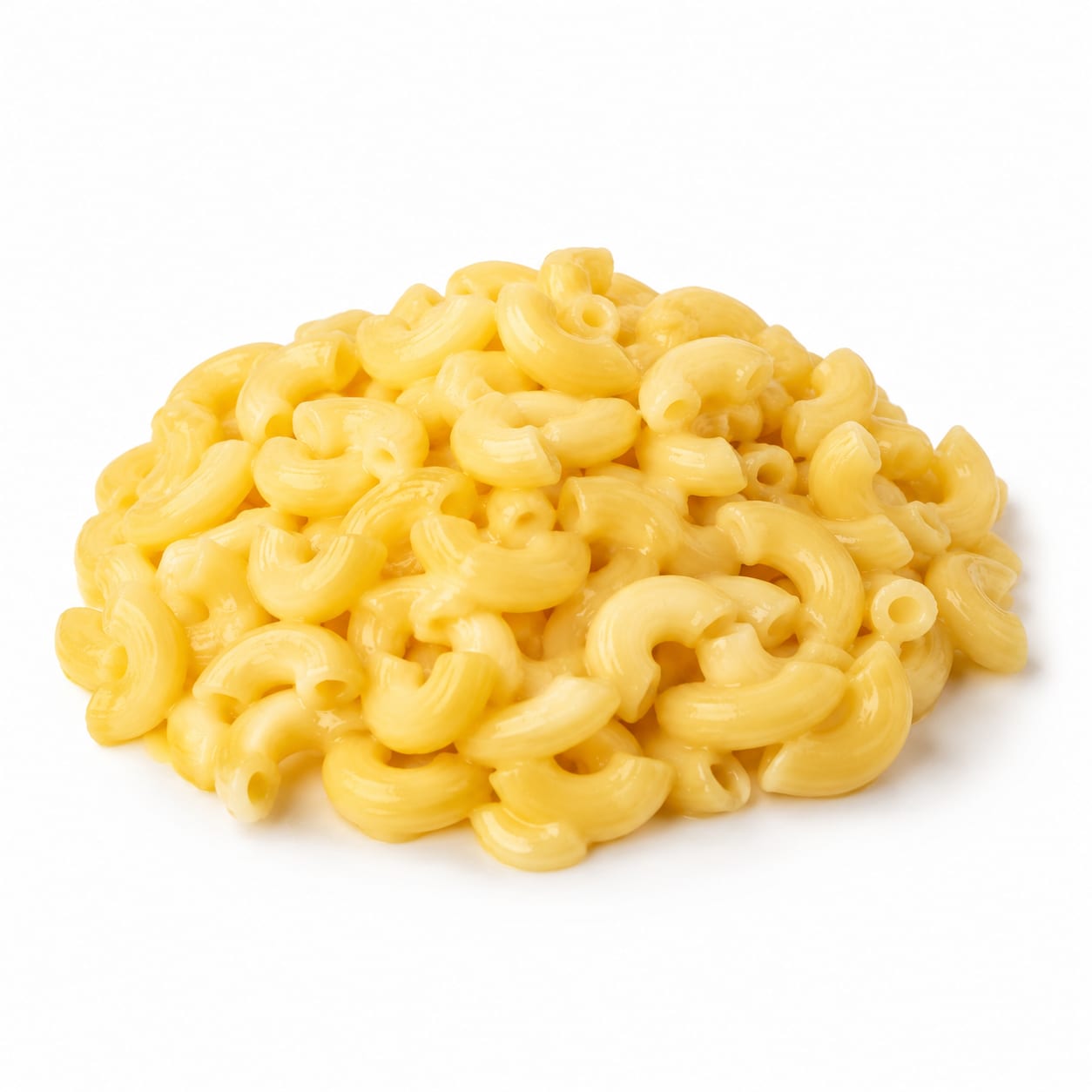
Macaroni
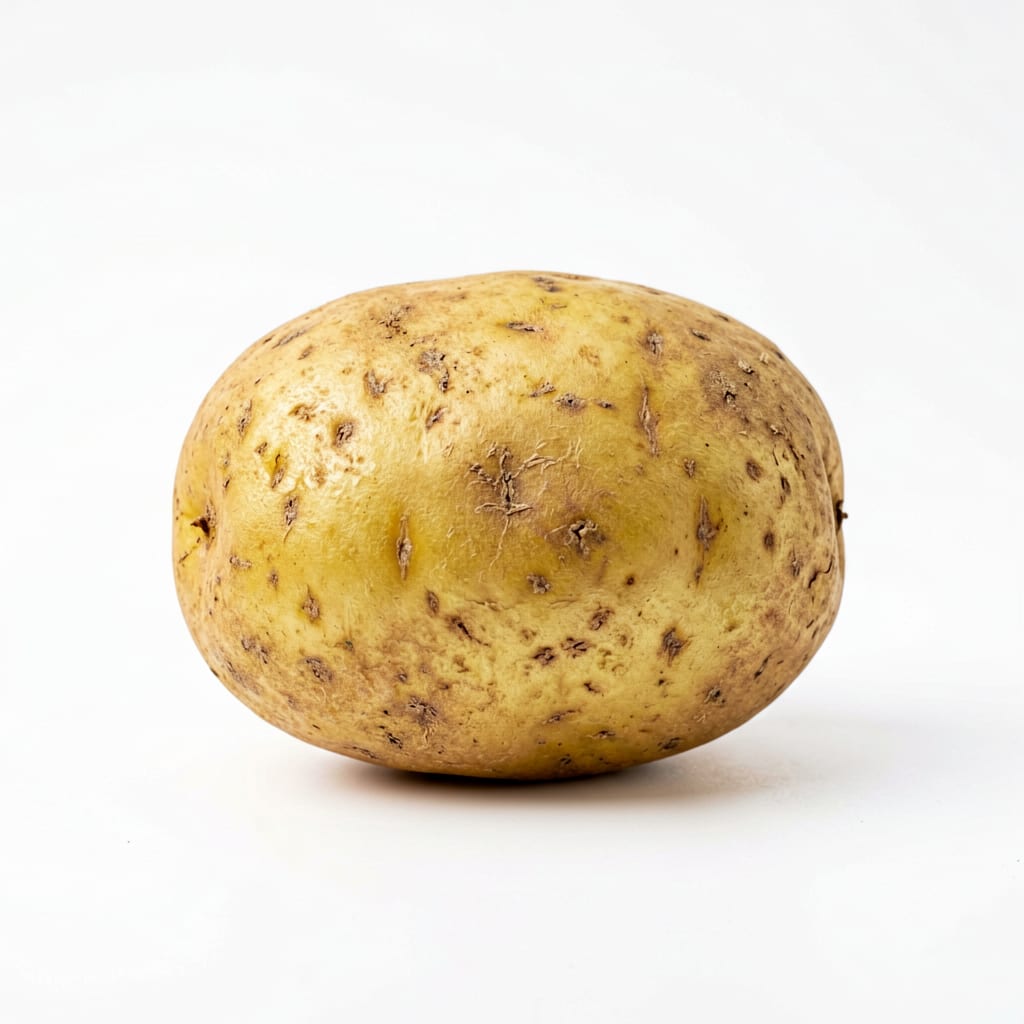
Potato
Potatoes outperform macaroni on almost every nutritional measure — more filling, more nutrients, less processed, and easier on blood sugar when prepared thoughtfully.
Potatoes score significantly higher due to superior satiety, higher nutrient density, minimal processing, and gluten-free status. Macaroni's main advantages are convenience and shelf stability, which matter practically but carry nutritional costs.
Macaroni offers shelf stability and convenience, but you sacrifice satiety, micronutrients, and whole-food simplicity compared to potatoes.
At a glance
Executive summary
Overall
Potato
Healthier
Potato
More practical
Macaroni
Daily use
Potato
Key comparison lenses
blood sugar and energy stability
Both are starchy carbs that heavily influence blood sugar, making glycemic impact the central concern for most people comparing them
weight management and satiety
Potatoes are famously filling per calorie while macaroni is easy to overeat, a critical difference for anyone watching portions
processing and naturalness
Potatoes are a whole food straight from the ground; macaroni is a refined grain product, raising concerns about nutrient loss and additives
nutrient density per calorie
Potatoes deliver surprising micronutrients for their calorie count, while refined macaroni offers mostly empty starch energy
digestive tolerance and food sensitivities
Macaroni contains gluten and is a common digestive trigger; potatoes are naturally gluten-free and generally well-tolerated
Best choice for
Macaroni
- Pantry-stocking and emergency meals
- Quick weeknight dinners when time is extremely limited
- Budget-conscious bulk cooking that needs long shelf life
- Athletes who need fast-digesting carbs right after intense training
Potato
- Weight loss or calorie-conscious eating
- Maximizing fullness without overeating
- Getting more vitamins and minerals from carb sources
- Gluten-free or wheat-free diets
- Steadier energy throughout the day
Least suitable for
Macaroni
- People managing diabetes or insulin resistance
- Anyone trying to reduce refined grain intake
- Gluten-sensitive or celiac individuals
- Those prone to overeating pasta dishes
Potato
- People strictly limiting carbohydrate intake
- Anyone without reliable refrigeration or cooking access
- Those who find potatoes trigger overeating when loaded with toppings
Deep comparison
Dimension by dimension
Each lens scores both foods and breaks down who each option suits.
- Dimension 1 · Priority 95Potato
Satiety and Fullness
Macaroni · 35Potato · 88Potatoes rank among the most filling foods ever tested in satiety research. Macaroni is easy to overeat and rarely leaves you satisfied for long.
Tradeoff
You can eat a large volume of potatoes for fewer calories than a modest macaroni portion, but macaroni pairs more readily with protein-rich sauces that can boost fullness.
Why it matters
Feeling full prevents snacking and overeating later. This single factor may matter more for weight management than any micronutrient difference.
Real-world impact
A medium potato leaves most people satisfied for 3-4 hours. A cup of plain macaroni often has you hungry again within 90 minutes.
Macaroni
- Athletes needing quick refueling without feeling heavy
- Post-workout meals where light digestion is preferred
Better for
- Portion control — it is very easy to eat 2-3 servings without noticing
- Emotional eaters who find pasta hard to stop eating
Worse for
Potato
- Anyone trying to eat less without feeling deprived
- Lunch that needs to carry you to dinner without a crash
- Controlling late-afternoon snacking urges
Better for
- Large meals before intense exercise — the fullness can feel uncomfortable
Worse for
- Dimension 2 · Priority 90Potato
Blood Sugar Stability
Macaroni · 30Potato · 62Both foods are starchy carbs that raise blood sugar, but potatoes offer resistant starch benefits when cooled, while refined macaroni digests rapidly with little mitigation.
Tradeoff
Cooled potatoes develop resistant starch that feeds gut bacteria and slows sugar absorption. Macaroni has no equivalent strategy — it digests fast regardless of serving temperature.
Why it matters
Frequent blood sugar spikes drive cravings, fatigue, and long-term metabolic risk. The difference here compounds over years of daily eating.
Real-world impact
A cold potato salad raises blood sugar more gradually than a hot bowl of macaroni and cheese. This matters enormously for anyone prediabetic or managing energy dips.
Macaroni
- Endurance athletes who actually need fast glucose during competition
Better for
- Diabetics and insulin-resistant individuals
- People prone to post-meal energy crashes
- Anyone trying to reduce sugar cravings driven by blood sugar swings
Worse for
Potato
- Anyone monitoring blood sugar or at risk for type 2 diabetes
- Meal preppers who eat leftovers (resistant starch forms as potatoes cool)
- People trying to reduce afternoon energy crashes
Better for
- Very low-carb dieters for whom any starch is too much
Worse for
- Dimension 3 · Priority 85Potato
Nutrient Density
Macaroni · 25Potato · 78Potatoes deliver potassium, vitamin C, vitamin B6, and magnesium per calorie. Refined macaroni is mostly starch with modest enrichment that does not match whole-food nutrition.
Tradeoff
Enriched macaroni adds back some B vitamins and iron, but this does not replicate the full nutrient spectrum of a whole potato with skin.
Why it matters
Getting nutrients from carb sources means your calories work harder. Empty starch calories crowd out room for more nutritious foods.
Real-world impact
One medium potato with skin provides nearly half your daily vitamin C and more potassium than a banana. Macaroni offers almost none of that.
Macaroni
- Iron needs, since enriched macaroni contains added iron
Better for
- People relying on carbs as a major calorie source who need those calories to carry real nutrition
Worse for
Potato
- Potassium intake, which most people lack
- Vitamin C from an unexpected non-fruit source
- Anyone eating mostly processed foods who needs nutrient anchors where they can get them
Better for
- Those who peel and discard the skin, losing much of the nutritional advantage
Worse for
- Dimension 4 · Priority 82Potato
Processing and Naturalness
Macaroni · 20Potato · 92Potatoes are a single-ingredient whole food. Macaroni is a refined grain product that has been milled, stripped, shaped, and often enriched to compensate for what processing removed.
Tradeoff
Macaroni's processing gives it consistent texture, long shelf life, and quick cooking. But you lose the fiber, most natural vitamins, and the metabolic benefits of eating food in its whole form.
Why it matters
Minimally processed foods consistently correlate with better long-term health outcomes in large population studies. This is not a small detail.
Real-world impact
A potato is exactly what came out of the ground. Macaroni required industrial milling, extrusion, and enrichment — your body can tell the difference.
Macaroni
- Situations requiring months of shelf-stable storage
- Camping or travel where whole foods spoil
Better for
- People avoiding ultra-processed foods for metabolic or behavioral health reasons
Worse for
Potato
- Anyone trying to eat more whole foods and fewer refined grains
- Clean-eating approaches that prioritize ingredient simplicity
- Reducing exposure to industrial food processing
Better for
- No real downside here — potatoes are among the least processed carb sources available
Worse for
- Dimension 5 · Priority 72Macaroni
Convenience and Practicality
Macaroni · 82Potato · 55Macaroni stores for months, cooks in minutes, and pairs with almost any sauce. Potatoes require more planning, spoil faster, and take longer to cook properly.
Tradeoff
Macaroni wins on speed and shelf stability. But potatoes are still reasonably convenient if you plan ahead — baking or boiling adds only 15-25 minutes.
Why it matters
The best food nutritionally is useless if you never actually cook it. Practicality determines what you eat on busy Tuesday nights.
Real-world impact
Macaroni is a 10-minute meal from pantry to plate. Potatoes require remembering to buy them, storing them properly, and cooking longer — but meal prep can solve this.
Macaroni
- Busy households needing fast weeknight meals
- Pantry-based cooking without grocery runs
- College dorms or limited cooking facilities
Better for
- No significant convenience downside — this is macaroni's strongest dimension
Worse for
Potato
- Meal preppers who batch-cook on weekends
- Anyone with basic meal planning habits
Better for
- Spontaneous cooking when you have nothing fresh on hand
- People who dislike planning meals ahead
Worse for
- Dimension 6 · Priority 68Potato
Digestive Tolerance
Macaroni · 38Potato · 80Potatoes are naturally gluten-free and rarely cause digestive issues. Macaroni contains gluten and wheat, which trigger problems for a significant minority of people.
Tradeoff
Most people digest macaroni fine, but for those with sensitivities, it causes bloating, fatigue, or worse. Potatoes are almost universally well-tolerated.
Why it matters
Digestive discomfort is not just unpleasant — it affects nutrient absorption, energy, and quality of life daily.
Real-world impact
If you feel bloated or sluggish after pasta but not after potatoes, gluten or wheat sensitivity may be the reason. This is far more common than most people realize.
Macaroni
- People with no gluten sensitivity who digest wheat without issues
Better for
- Gluten-sensitive individuals — even small amounts cause reactions
- People with wheat-dependent exercise-induced anaphylaxis
Worse for
Potato
- Anyone with celiac disease, gluten sensitivity, or wheat allergy
- People with IBS who find wheat exacerbates symptoms
- Elimination diets testing food sensitivities
Better for
- Those with nightshade sensitivities (rare but real)
Worse for
Timeline
Health impact over time
Short-term
Hours to days
Macaroni
- Quick blood sugar rise followed by a crash within 1-2 hours
- Rapid energy that fades fast, often triggering cravings for more carbs
- Possible bloating in gluten-sensitive individuals
- Easy to overeat because refined pasta lacks natural fullness signals
Potato
- Steadier energy release, especially when eaten with skin or cooled first
- High satiety that reduces snacking for hours afterward
- Very gentle on the digestive system for most people
- Potassium supports hydration and muscle function shortly after eating
Long-term
Months to years
Macaroni
- Regular refined grain consumption linked to higher type 2 diabetes risk
- Chronic low nutrient intake if macaroni displaces whole foods
- Potential inflammatory effects from regular refined wheat consumption
- Portion creep — habitual large pasta servings normalize overeating
Potato
- Consistent potassium intake supports healthy blood pressure long-term
- Resistant starch from cooled potatoes feeds beneficial gut bacteria over time
- Whole-food carb sources associated with lower metabolic disease risk
- Risk of nutrient loss if always consumed peeled or deep-fried
Risk profile
Safety & processing
Macaroni is a processed grain product — milled, refined, shaped, and enriched. Potatoes are a whole food eaten essentially as grown. Neither contains concerning artificial additives, but macaroni's industrial processing strips away natural fiber and most micronutrients that enrichment only partially replaces.
Macaroni
Wheat allergen exposure
mediumWheat is a top 8 allergen. Reactions range from mild hives to anaphylaxis in allergic individuals. Not a risk for the general population.
Gluten contamination for celiacs
highStandard macaroni is unsafe for anyone with celiac disease. Cross-contamination in shared cooking environments is also a concern.
Potato
Glycoalkaloid toxicity from green or sprouted potatoes
mediumGreen spots or sprouts indicate solanine buildup, which can cause nausea, headaches, and in extreme cases serious illness. Always cut away green areas and discard heavily sprouted potatoes.
Acrylamide formation when fried or roasted at high heat
lowHigh-temperature cooking of starchy foods creates acrylamide, a probable carcinogen. Boiling and steaming avoid this. This is a minor risk for most people but worth knowing.
Who wins for whom
Audience fit
Same foods, different winners depending on your goal.
children
PotatoPotatoes deliver more vitamins and minerals during critical growth years. Kids also benefit from the potassium and vitamin C that macaroni barely provides.
daily consumption
PotatoA whole food you can eat daily without metabolic downside. Daily macaroni means daily refined grain, which long-term evidence does not support for most people.
diabetes
PotatoCooled potatoes with resistant starch raise blood sugar more gradually. Refined macaroni causes sharper spikes with no mitigation strategy available.
elderly
PotatoPotassium supports blood pressure and bone health in aging populations. Potatoes are also easier to digest for seniors with developing gluten sensitivities.
muscle gain
It dependsBoth provide carbs for glycogen replenishment. Macaroni digests faster for post-workout refueling, but potatoes offer more potassium for muscle function and cramp prevention.
weight loss
PotatoPotatoes are among the most satiating foods per calorie tested. You feel full on fewer calories, making portion control far easier than with macaroni.
Your move
Decision guide
Choose Macaroni
- You need shelf-stable carbs for camping, travel, or emergency supplies
- You are an athlete refueling immediately after intense training
- Budget and storage constraints make pantry staples necessary
- You have no blood sugar concerns and eat reasonable portions without struggle
Choose Potato
- You want to feel full without overeating calories
- You are managing blood sugar, prediabetes, or metabolic syndrome
- You are trying to eat more whole foods and fewer refined grains
- You need gluten-free carb options
- You want more nutrients from your staple carb source
- You meal prep and can leverage resistant starch benefits from cooled potatoes
Either works if
- You are a healthy, active person who eats a varied diet overall
- Neither food is your primary calorie source — both are fine in moderation
- You alternate between them based on what meal you are cooking
Avoid both if
- You are on a strict ketogenic or very low-carb diet
- You have severe carbohydrate metabolism disorders requiring carb restriction
- Neither provides enough protein to serve as a standalone meal
Final recommendation
Make potatoes your default starch. They deliver more nutrition, more fullness, and steadier energy per calorie than macaroni. Save macaroni for convenience situations or post-workout meals — not as your everyday carb. If you do eat macaroni, choose whole wheat versions and pair it with protein and vegetables to blunt the blood sugar impact.
Practical
Consumer tips
- 1
Cook potatoes, then refrigerate them before eating. Cooling creates resistant starch that feeds gut bacteria and slows sugar absorption — reheat or eat cold.
- 2
Always eat potato skin when possible. Half the fiber and most of the potassium sit in or just under the skin.
- 3
If choosing macaroni, whole wheat versions roughly double the fiber and reduce the blood sugar spike compared to refined.
- 4
Pair either food with protein and healthy fat. A plain starch alone will always spike blood sugar faster than a balanced plate.
- 5
Do not discard sprouted or green potatoes — just cut away the green areas thoroughly. Solanine is concentrated in those spots.
- 6
For meal prep, bake a batch of potatoes on Sunday. They reheat well all week and develop resistant starch in the fridge overnight.
- 7
Avoid making either food the center of your meal. Treat starches as a side — fill half your plate with vegetables first.