
Nutrition comparison
Macaroni vs Chickpea Pasta: Which Is Healthier?
Compare macaroni and chickpea pasta to see which is better for weight loss, blood sugar, and protein. Learn the nutritional tradeoffs and find out which pasta to eat.
Overall winner · Chickpea Pasta
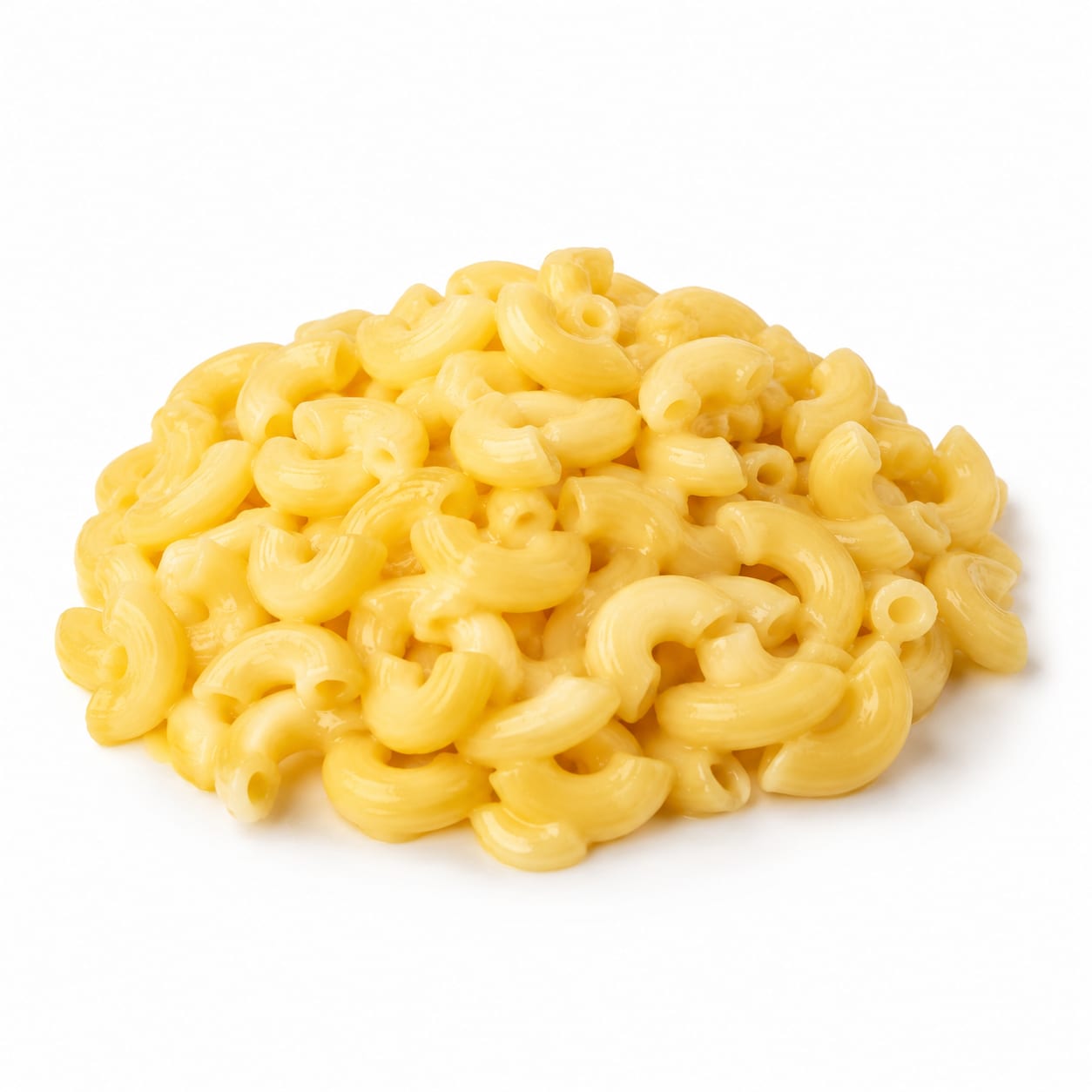
Macaroni
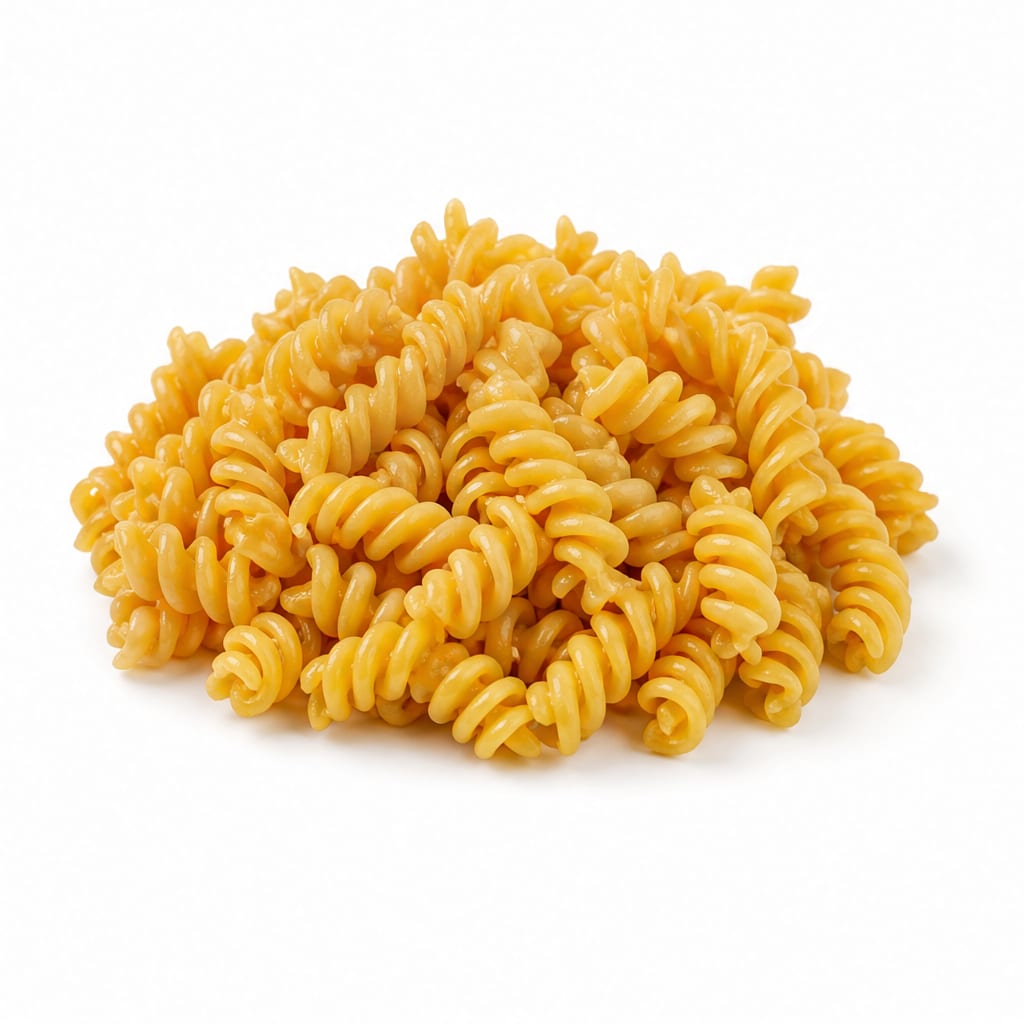
Chickpea Pasta
Chickpea pasta wins on nutrition, keeping you fuller and energized longer, but traditional macaroni wins on classic comfort and texture.
Chickpea pasta scores significantly higher due to its dense nutritional profile, offering far more protein and fiber per calorie. Macaroni scores lower because it provides mostly refined carbohydrates with minimal satiety or blood sugar benefits.
You trade the familiar soft bite and mild flavor of macaroni for the superior protein, fiber, and blood sugar stability of chickpea pasta.
At a glance
Executive summary
Overall
Chickpea Pasta
Healthier
Chickpea Pasta
More practical
It depends
Daily use
Chickpea Pasta
Key comparison lenses
Blood sugar control and glycemic impact
Refined wheat macaroni causes rapid blood sugar spikes, while chickpea pasta provides steady energy due to high fiber and protein.
Protein and fiber density for satiety
Chickpea pasta dramatically outperforms regular macaroni in both protein and fiber, keeping you full much longer.
Gluten-free dietary needs
Chickpea pasta is naturally gluten-free, making it an easy swap for those with celiac or gluten sensitivity, whereas traditional macaroni contains gluten.
Taste and texture preference
Macaroni offers a familiar, comforting bite, while chickpea pasta can have a slightly earthier taste and firmer texture that requires adjustment.
Best choice for
Macaroni
- Picky eaters who refuse alternative textures
- Traditional comfort food recipes where authenticity matters
- Budget-conscious shoppers needing cheap calories
Chickpea Pasta
- People managing diabetes or insulin resistance
- Anyone trying to increase protein without eating more meat
- Those needing gluten-free pasta options
Least suitable for
Macaroni
- People with diabetes or blood sugar concerns
- Those on a high-protein or high-fiber diet
- Anyone with gluten intolerance
Chickpea Pasta
- Strict traditionalists who dislike earthy flavors
- Those with severe legume allergies
- Very tight food budgets
Deep comparison
Dimension by dimension
Each lens scores both foods and breaks down who each option suits.
- Dimension 1 · Priority 95Chickpea Pasta
Blood Sugar Stability
Macaroni · 25Chickpea Pasta · 85Chickpea pasta prevents the energy crash that often follows a bowl of regular macaroni.
Tradeoff
You give up the quick energy burst of refined carbs for longer-lasting, steadier fuel.
Why it matters
Avoiding blood sugar spikes reduces cravings and fatigue later in the day.
Real-world impact
Eating macaroni might leave you hungry an hour later; chickpea pasta easily keeps you full until your next meal.
Macaroni
- Pre-workout quick energy if you need fast carbs
Better for
- Sustaining energy through a long workday
Worse for
Chickpea Pasta
- Avoiding the afternoon energy crash
- Managing insulin resistance or prediabetes
Better for
- Situations requiring immediate, fast-absorbing energy
Worse for
- Dimension 2 · Priority 90Chickpea Pasta
Satiety and Fullness
Macaroni · 30Chickpea Pasta · 88Chickpea pasta is far more filling thanks to its high protein and fiber content.
Tradeoff
You might eat a smaller portion of chickpea pasta because it is so filling, whereas macaroni is easy to overeat.
Why it matters
Feeling full naturally helps with portion control and weight management without counting calories.
Real-world impact
A bowl of chickpea pasta at dinner can prevent late-night snacking, while macaroni might leave you raiding the pantry by 9 PM.
Macaroni
- When you intentionally need a lighter, low-bulk meal
Better for
- Controlling portions naturally
Worse for
Chickpea Pasta
- Staying full between meals
- Reducing late-night cravings
Better for
- Eating a large volume right before intense exercise
Worse for
- Dimension 3 · Priority 85Chickpea Pasta
Protein Quality and Quantity
Macaroni · 15Chickpea Pasta · 90Chickpea pasta packs roughly three times the protein of regular macaroni, making it a legitimate protein source.
Tradeoff
Chickpea protein is plant-based and excellent, though not quite as bioavailable as animal protein, while macaroni offers negligible protein.
Why it matters
Higher protein intake supports muscle maintenance, metabolism, and aging well.
Real-world impact
A serving of chickpea pasta contributes meaningfully to your daily protein goals, whereas macaroni contributes almost nothing.
Macaroni
- Meals where carbohydrate energy is prioritized over muscle building
Better for
- Muscle maintenance and recovery
Worse for
Chickpea Pasta
- Vegetarians and vegans needing plant protein
- Building meals around protein without adding meat
Better for
- Those who prefer complete animal-based protein for recovery
Worse for
- Dimension 4 · Priority 80Chickpea Pasta
Digestive Tolerance and Gluten
Macaroni · 40Chickpea Pasta · 82Chickpea pasta is naturally gluten-free and high in digestion-friendly fiber, while macaroni contains gluten and lacks fiber.
Tradeoff
The high fiber in chickpea pasta can cause bloating if you aren't used to it, whereas macaroni is easier on the stomach in the short term if you tolerate gluten.
Why it matters
Gluten sensitivity and digestive comfort play a huge role in how you feel after eating.
Real-world impact
If gluten makes you sluggish or bloated, chickpea pasta is a game-changer. But if you suddenly increase fiber too fast, your stomach might protest.
Macaroni
- Those transitioning to high-fiber diets who need a gentle start
Better for
- People with gluten intolerance
Worse for
Chickpea Pasta
- Anyone with celiac disease or gluten sensitivity
- Improving gut health through fiber
Better for
- Those unaccustomed to high-fiber foods if introduced too quickly
Worse for
- Dimension 5 · Priority 70Macaroni
Taste and Culinary Experience
Macaroni · 90Chickpea Pasta · 65Macaroni delivers the classic, comforting pasta experience, while chickpea pasta has a slightly earthier flavor and firmer bite.
Tradeoff
You sacrifice a bit of culinary nostalgia and texture familiarity when swapping to chickpea pasta.
Why it matters
Enjoyment is crucial for long-term dietary adherence; food should be satisfying, not just functional.
Real-world impact
Macaroni melts into a comforting bowl of nostalgia. Chickpea pasta holds up well in hearty sauces but might feel out of place in delicate dishes.
Macaroni
- Traditional mac and cheese
- Comfort food meals where nostalgia is the goal
Better for
- Meals where you want the pasta to stand up to heavy ingredients
Worse for
Chickpea Pasta
- Hearty pasta salads
- Dishes with robust, bold sauces
Better for
- Light, delicate sauces where an earthy flavor stands out
Worse for
Timeline
Health impact over time
Short-term
Hours to days
Macaroni
- Quick burst of energy followed by a crash
- Low satiety leading to hunger soon after eating
Chickpea Pasta
- Steady, sustained energy for hours
- High fullness that reduces snacking urges
Long-term
Months to years
Macaroni
- Increased risk of insulin resistance with frequent consumption
- Potential for weight gain due to overeating refined carbs
Chickpea Pasta
- Better blood sugar management and reduced diabetes risk
- Improved gut health from consistent fiber intake
- Easier weight maintenance due to high satiety
Risk profile
Safety & processing
Both are processed foods since they are milled flours shaped into pasta. Regular macaroni uses refined wheat flour stripped of its bran and germ, while chickpea pasta uses ground chickpeas, retaining more of the whole food's natural nutrition.
Macaroni
Gluten exposure
highContains gluten, which triggers autoimmune responses in those with celiac disease and discomfort for those with sensitivities.
Chickpea Pasta
Legume allergy
mediumChickpeas are legumes, posing a risk for the small percentage of people with peanut or legume allergies.
Cross-contamination with gluten
lowWhile naturally gluten-free, some brands may process chickpea pasta on shared equipment with wheat, so checking labels is vital for those with celiac.
Who wins for whom
Audience fit
Same foods, different winners depending on your goal.
children
It dependsMacaroni is usually more accepted by kids due to its mild taste and soft texture, but chickpea pasta offers far better nutrition for growing bodies if they will eat it.
daily consumption
Chickpea PastaThe nutrient density of chickpea pasta supports daily consumption without the metabolic downsides of refined carbs.
diabetes
Chickpea PastaThe combination of low glycemic index, high fiber, and high protein in chickpea pasta prevents dangerous blood sugar spikes.
elderly
Chickpea PastaOlder adults benefit greatly from the higher protein for muscle preservation and fiber for digestive regularity.
muscle gain
Chickpea PastaWith nearly three times the protein, chickpea pasta actually contributes to muscle repair, unlike regular macaroni.
weight loss
Chickpea PastaChickpea pasta's high protein and fiber naturally curb appetite and prevent overeating, making calorie control easier.
Your move
Decision guide
Choose Macaroni
- You are making a nostalgic comfort meal where texture is everything
- You need a very cheap source of calories
- You are feeding a picky eater who refuses legume-based alternatives
Choose Chickpea Pasta
- You want to stay full and energized for hours without crashing
- You are trying to eat more protein or fiber without changing your meal structure
- You need a gluten-free pasta option
Either works if
- You are loading up on veggies and lean protein anyway, and the pasta is just a side
- You mix them half-and-half to balance taste and nutrition
Avoid both if
- You are on a strict very-low-carb or keto diet, as both are carbohydrate-heavy
Final recommendation
Swap to chickpea pasta for your everyday meals to gain protein, fiber, and steadier energy. Keep macaroni for the occasional comfort dish where nothing else hits the spot.
Practical
Consumer tips
- 1
If the taste of chickpea pasta is too earthy, try mixing it half-and-half with regular macaroni at first.
- 2
Rinse chickpea pasta after cooking to remove the slight foam and improve the texture.
- 3
Do not overcook chickpea pasta; it holds its bite better when cooked al dente, mimicking the mouthfeel of traditional pasta.
- 4
Always check the label on chickpea pasta for gluten-free certification if you have celiac disease, as cross-contamination is possible.