
Nutrition comparison
Macaroni vs Bread: Which is Healthier?
Compare Macaroni and Bread to see which carb is better for blood sugar, weight loss, and daily convenience. Discover the nutritional tradeoffs.
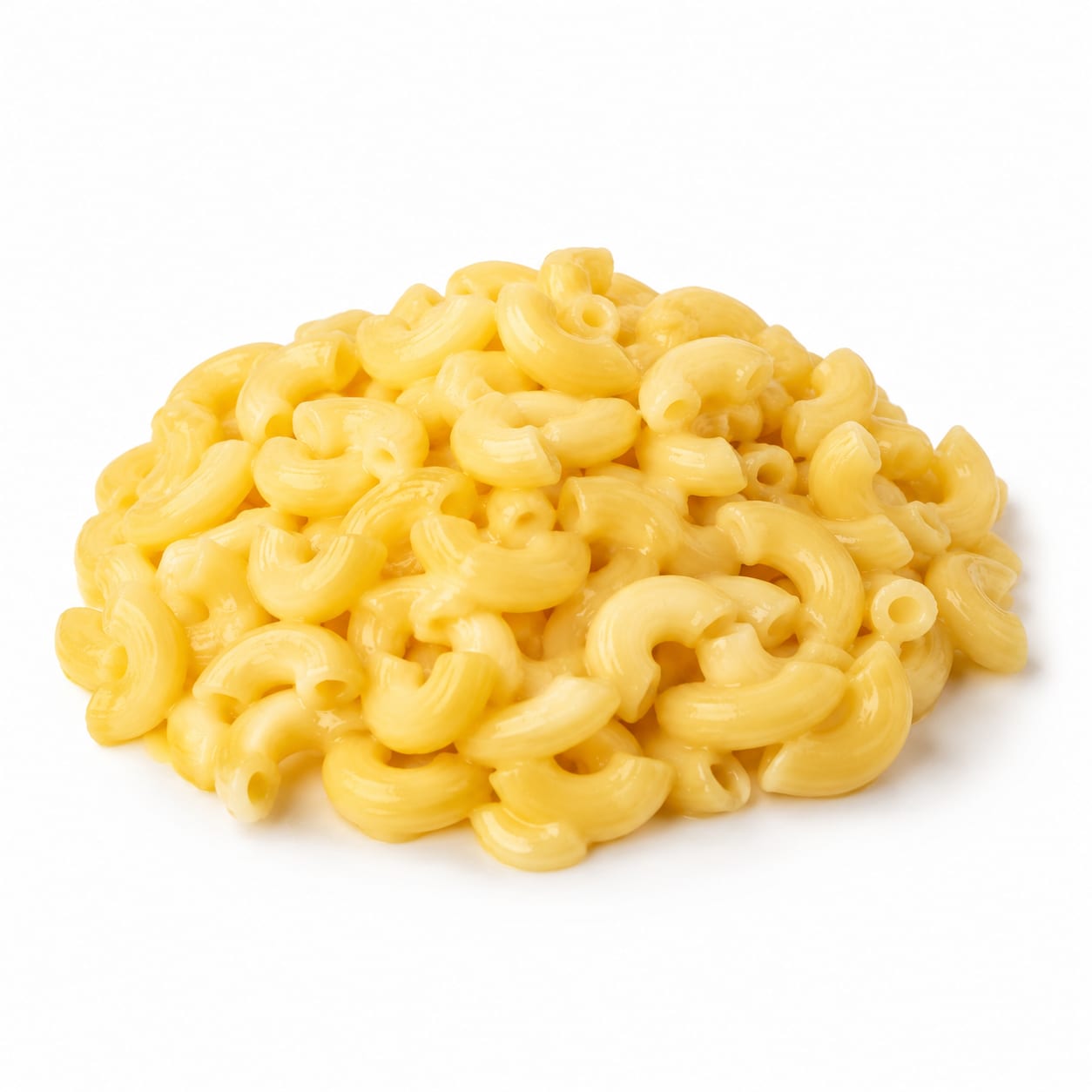
Macaroni
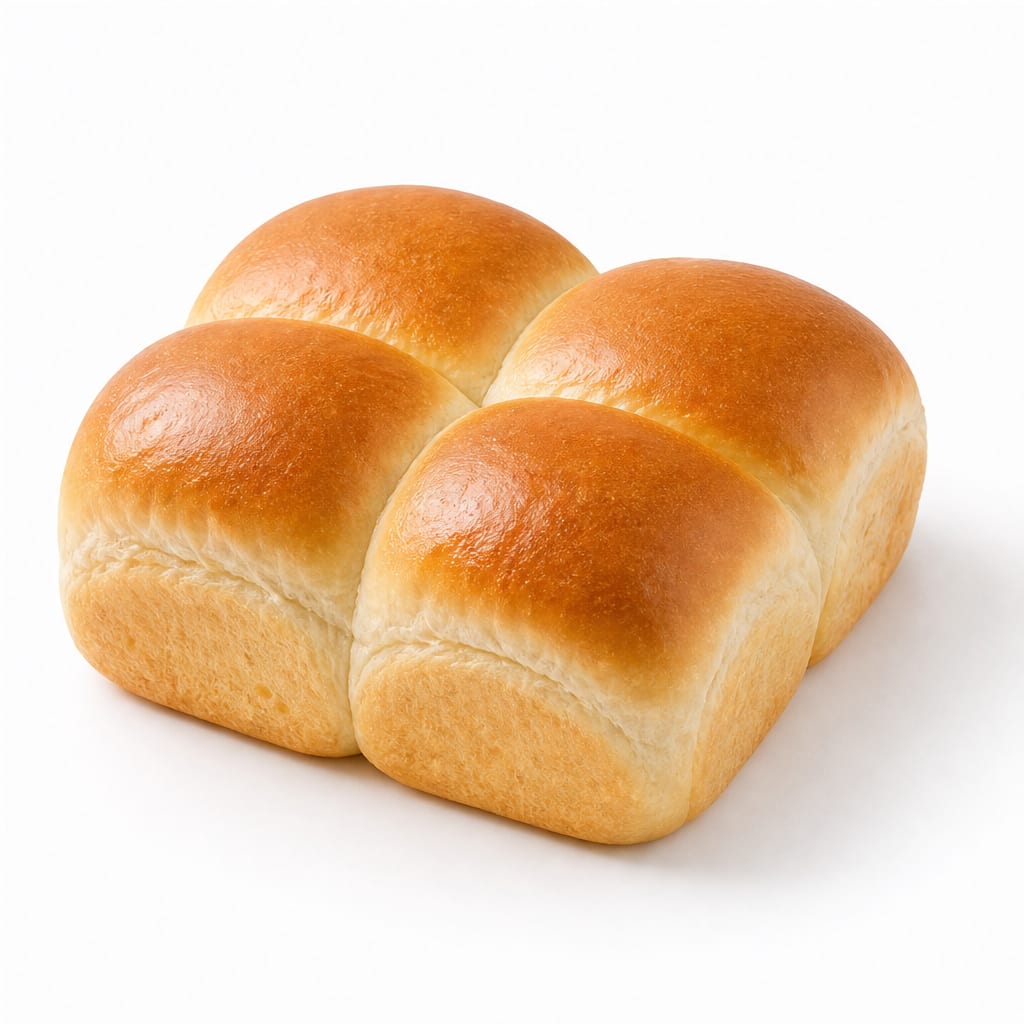
Bread
Macaroni offers steadier energy and fewer additives, while Bread provides unmatched convenience and versatility.
Macaroni scores slightly higher due to typically lower sodium, fewer additives, and a lower glycemic impact when cooked al dente, though Bread wins heavily on convenience.
Cooking time and lower sodium in Macaroni versus grab-and-go convenience but higher hidden sugars and sodium in Bread.
At a glance
Executive summary
Overall
It depends
Healthier
Macaroni
More practical
Bread
Daily use
It depends
Key comparison lenses
Carbohydrate source selection for meals
Both are staple carbs, so choosing between them impacts daily energy and meal structure.
Blood sugar management
Macaroni and Bread have different glycemic impacts depending on processing and preparation.
Convenience versus meal prep
Bread is ready-to-eat while Macaroni requires cooking, heavily affecting daily practicality.
Best choice for
Macaroni
- Post-workout carb loading
- People watching sodium and sugar intake
- Sit-down dinners
Bread
- Quick lunches
- Sandwich-based meals
- Busy mornings
Least suitable for
Macaroni
- Instant meals on the go
- Gluten-free diets unless specified
Bread
- Low-sodium diets
- Strict blood sugar control
Deep comparison
Dimension by dimension
Each lens scores both foods and breaks down who each option suits.
- Dimension 1 · Priority 90Macaroni
Blood Sugar Stability
Macaroni · 75Bread · 55Macaroni digests more slowly, especially when cooked al dente, preventing sharp blood sugar spikes.
Tradeoff
Bread is faster to eat but can cause quicker energy crashes.
Why it matters
Steadier energy means fewer afternoon slumps and better hunger control.
Real-world impact
Eating Macaroni keeps you full longer, while two slices of Bread might leave you hungry an hour later.
Macaroni
- Sustained energy needs
- Diabetes management
Better for
- When you need instant energy
Worse for
Bread
- Quick pre-workout fuel
- Immediate energy replacement
Better for
- Preventing sugar crashes
- Fasting-friendly meals
Worse for
- Dimension 2 · Priority 85Macaroni
Additives and Processing
Macaroni · 80Bread · 55Dried Macaroni usually contains just durum wheat and water, whereas store-bought Bread often hides sugars, dough conditioners, and preservatives.
Tradeoff
You sacrifice grab-and-go ease to avoid hidden ingredients in Macaroni.
Why it matters
Fewer additives mean less systemic inflammation and cleaner fuel for your body.
Real-world impact
Reading a Macaroni label takes seconds; Bread labels often read like a chemistry quiz.
Macaroni
- Clean-label diets
- Avoiding hidden sugars
Better for
- Quick meal prep
Worse for
Bread
- Shelf stability
- Softer texture preferences
Better for
- Chemical sensitivities
- Whole food purists
Worse for
- Dimension 3 · Priority 80Bread
Convenience and Versatility
Macaroni · 40Bread · 90Bread requires zero prep and is the ultimate vehicle for other foods, while Macaroni needs boiling.
Tradeoff
You trade meal prep time for the instant accessibility of Bread.
Why it matters
When hunger strikes, convenience often dictates what you actually eat.
Real-world impact
Making a sandwich takes a minute; cooking Macaroni takes ten plus cleanup.
Macaroni
- Batch cooking
- Hot comforting meals
Better for
- Instant snacking
- Zero-prep situations
Worse for
Bread
- Portable lunches
- Busy mornings
Better for
- Hot sit-down dinners
Worse for
- Dimension 4 · Priority 75Macaroni
Satiety and Fullness
Macaroni · 80Bread · 65Macaroni's density and water absorption make it highly filling, reducing the urge to overeat.
Tradeoff
Bread is easier to overconsume because it is less satiating overall per calorie.
Why it matters
Feeling full prevents snacking between meals.
Real-world impact
A bowl of Macaroni feels like a complete meal; Bread alone often leads to reaching for more food.
Macaroni
- Weight management
- Large appetite control
Better for
- When you want a light bite
Worse for
Bread
- Light snacking
Better for
- Avoiding overeating
Worse for
Timeline
Health impact over time
Short-term
Hours to days
Macaroni
- Sustained energy from slower digestion
- Feeling comfortably full after meals
Bread
- Quick energy availability
- Potential for faster hunger return
Long-term
Months to years
Macaroni
- Better blood sugar regulation with regular consumption
- Lower sodium intake supporting heart health
Bread
- Risk of elevated sodium intake from commercial breads
- Potential increased cravings from hidden sugars
Risk profile
Safety & processing
Dried Macaroni is typically a simpler product with minimal ingredients, whereas commercial Bread frequently contains preservatives and added sugars to extend shelf life and improve texture.
Macaroni
Mycotoxin contamination
lowWheat products can occasionally harbor mycotoxins, though strict regulations minimize this risk in dried pasta.
Bread
Potassium bromate exposure
mediumSome commercial breads use potassium bromate as a dough conditioner, which is a possible carcinogen and banned in several countries.
Mold growth
mediumBread's high moisture content makes it susceptible to mold if not consumed or frozen quickly.
Who wins for whom
Audience fit
Same foods, different winners depending on your goal.
children
BreadBread is easier for quick kid-friendly meals like sandwiches and toast, though whole grain Macaroni is also a solid option.
daily consumption
It dependsIt depends on the whole grain content; 100% whole wheat Bread and whole wheat Macaroni are both excellent daily staples if portions are controlled.
diabetes
MacaroniAl dente Macaroni has a lower glycemic index than most breads, causing less dramatic blood sugar spikes.
elderly
BreadBread is softer, requires less chewing resistance compared to al dente Macaroni, and is easier to prepare for those with limited mobility.
muscle gain
It dependsBoth provide necessary carbs for energy; Bread offers faster post-workout glycogen replenishment, while Macaroni provides a steadier fuel source.
weight loss
MacaroniMacaroni is more satiating per calorie, especially when paired with protein and veggies, making it easier to control portions.
Your move
Decision guide
Choose Macaroni
- You want steadier energy without the crash
- You are trying to cut back on hidden sodium and sugar
- You have time to cook and prefer sit-down meals
Choose Bread
- You need quick, portable meals for work or school
- You want a versatile base for sandwiches and toast
- You prefer minimal meal prep time
Either works if
- You are simply looking for a carbohydrate base for a meal
- You opt for 100% whole wheat versions of either
Avoid both if
- You have celiac disease or severe gluten intolerance
- You are following a strict low-carb or ketogenic diet
Final recommendation
Choose Macaroni for steadier energy and cleaner ingredients, or Bread when convenience and speed are your top priorities. Always opt for whole-grain versions of either to maximize fiber and nutritional value.
Practical
Consumer tips
- 1
Cook Macaroni al dente to keep its glycemic index low and avoid mushy textures.
- 2
Check Bread labels for added sugars; many commercial brands sneak in high fructose corn syrup or honey.
- 3
Freeze Bread immediately if you won't finish the loaf within a few days to prevent mold and waste.
- 4
Pair Macaroni with a protein source and healthy fat to make the meal even more satisfying.
- 5
Look for Macaroni made from durum wheat semolina or whole wheat for the best nutritional profile.