
Nutrition comparison
Loquat vs Plum: Which Fruit Is Healthier for You?
Compare loquat and plum nutrition, health benefits, and practical tradeoffs. Loquat wins on vitamin A and lower sugar, while plum excels for digestion and availability.
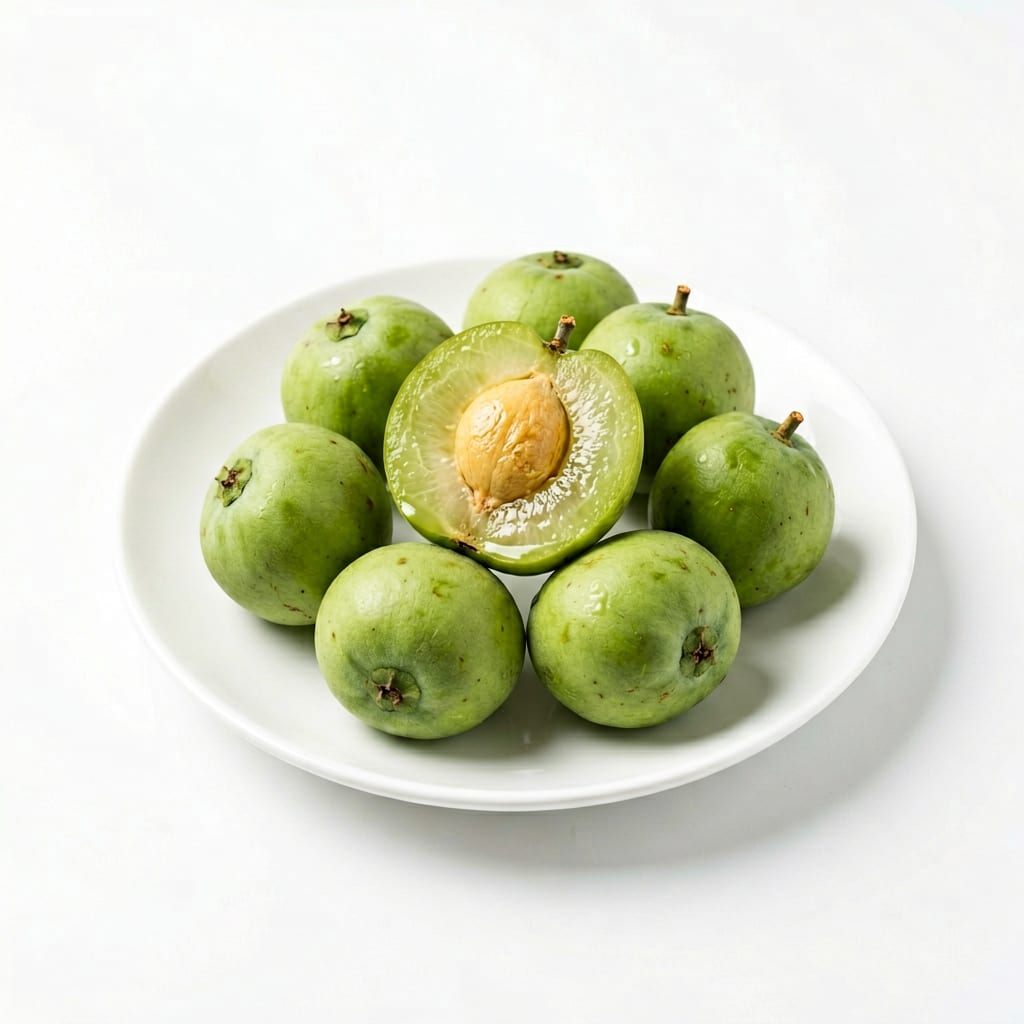
Loquat
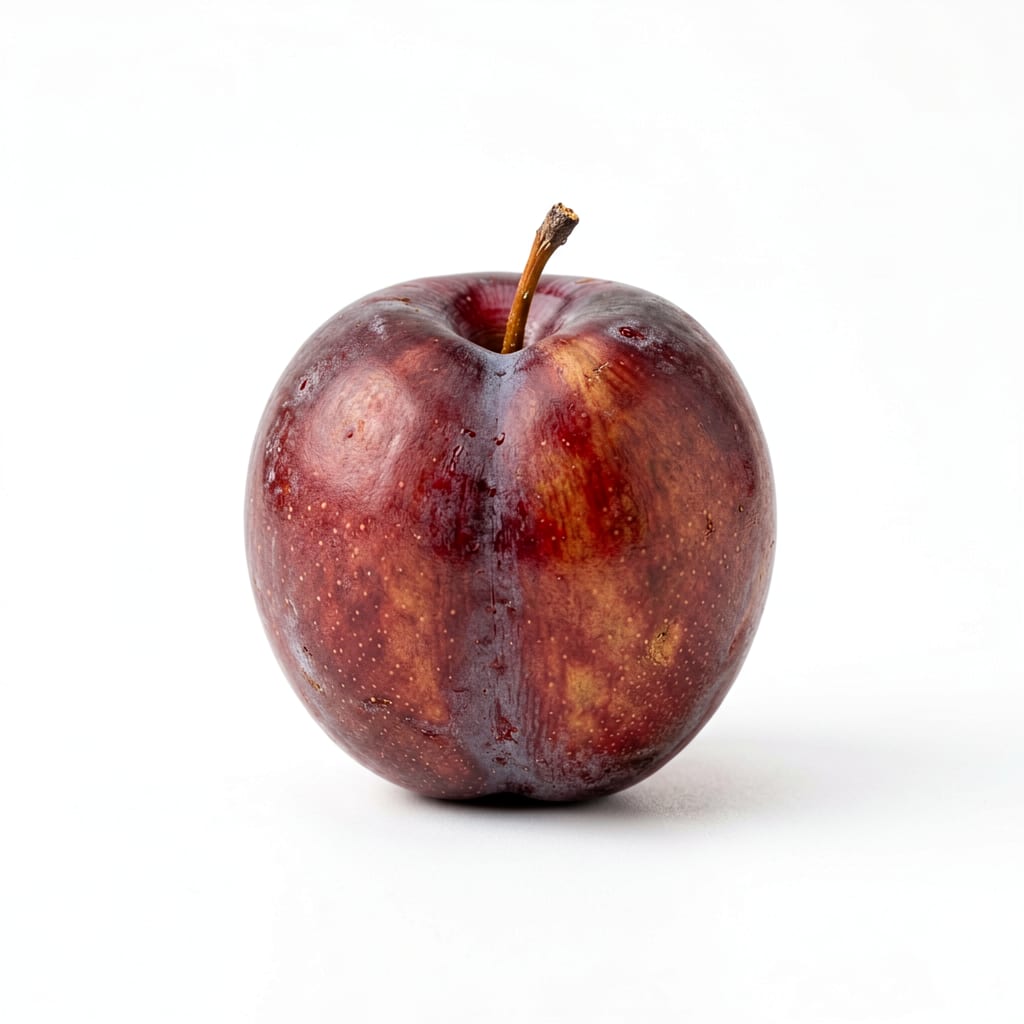
Plum
Loquat offers superior vitamin A and lower sugar, but plum delivers better digestive benefits and far greater everyday accessibility.
Plum edges ahead primarily on accessibility and digestive health benefits, but loquat's superior vitamin A content and lower sugar keep it competitive for specific health goals.
Loquat rewards you with rare nutrients and gentler blood sugar impact, while plum gives you reliable gut support and year-round convenience.
At a glance
Executive summary
Overall
It depends
Healthier
It depends
More practical
Plum
Daily use
Plum
Key comparison lenses
antioxidant and vitamin profile comparison
Loquat excels in vitamin A and unique triterpenic acids while plum offers more anthocyanins and vitamin C, making the micronutrient tradeoff the core decision point
digestive health and gut compatibility
Plum is famous for digestive regularity via sorbitol and fiber, while loquat offers gentler fiber without the laxative effect
blood sugar and weight management
Both are relatively low-sugar fruits but loquat has a slight edge for lower sugar content and calorie density
availability and everyday practicality
Plum is widely available year-round while loquat has a narrow seasonal window and limited geographic access
safety concerns with seeds and pits
Loquat seeds contain amygdalin which releases cyanide, a unique safety consideration not shared with plum pits at the same level
Best choice for
Loquat
- People seeking eye-health supporting vitamin A
- Those monitoring blood sugar closely
- Anyone wanting a low-calorie refreshing snack
- Fans of unique seasonal fruit experiences
Plum
- People needing digestive regularity
- Those wanting antioxidant variety from anthocyanins
- Shoppers who need reliable year-round availability
- Anyone meal-prepping or planning ahead
Least suitable for
Loquat
- People without access to specialty or Asian markets
- Anyone needing consistent weekly meal planning
- Children who might accidentally chew the toxic seeds
- Those wanting a fruit they can always find at any grocery store
Plum
- People sensitive to sorbitol or prone to loose stools
- Those strictly limiting sugar who want the lowest-sugar option
- Anyone seeking high vitamin A from fruit specifically
Deep comparison
Dimension by dimension
Each lens scores both foods and breaks down who each option suits.
- Dimension 1 · Priority 92Loquat
vitamin_and_mineral_density
Loquat · 82Plum · 74Loquat delivers significantly more vitamin A and unique triterpenic acids, while plum provides more vitamin C and vitamin K.
Tradeoff
Loquat supports eye and skin health better, but plum contributes more to immune function and blood clotting.
Why it matters
Vitamin A is harder to get from most common fruits, making loquat unusually valuable for that nutrient specifically.
Real-world impact
Eating loquats regularly could meaningfully support night vision and skin repair in ways most other fruits cannot match.
Loquat
- Eye health and night vision support
- Skin repair and maintenance
- Anti-inflammatory triterpenic acid intake
Better for
- Immune support from vitamin C
- Blood clotting and bone health from vitamin K
Worse for
Plum
- Immune system support via vitamin C
- Bone metabolism through vitamin K
- Overall antioxidant variety
Better for
- Vitamin A intake for vision and skin
- Unique anti-inflammatory compounds
Worse for
- Dimension 2 · Priority 85Loquat
blood_sugar_impact
Loquat · 80Plum · 72Loquat has slightly lower sugar content and a gentler glycemic profile than plum, making it marginally better for blood sugar stability.
Tradeoff
The difference is modest, but loquat's lower sugar load adds up for those tracking closely.
Why it matters
For prediabetics or anyone avoiding energy crashes, even small sugar differences between fruits matter over time.
Real-world impact
Choosing loquat over plum as an afternoon snack means slightly less risk of a blood sugar spike followed by a crash.
Loquat
- Steadier afternoon energy
- Lower daily sugar intake accumulation
- Prediabetes-friendly snacking
Better for
- Less satisfying portion size may lead to eating more overall
Worse for
Plum
- Still reasonable for most blood sugar plans
- More filling which may reduce overall snacking
Better for
- Higher sugar per serving than loquat
- Sorbitol can cause blood sugar unpredictability in some people
Worse for
- Dimension 3 · Priority 88Plum
digestive_health
Loquat · 68Plum · 86Plum's sorbitol and fiber combo makes it a proven digestive aid, while loquat offers gentle fiber without the laxative effect.
Tradeoff
Plum actively promotes bowel regularity, but loquat is safer for sensitive stomachs that react to sorbitol.
Why it matters
Digestive regularity is one of the top reasons people reach for fruit, and plum is among the best for this purpose.
Real-world impact
Two plums can reliably help with constipation by morning, while loquats provide mild fiber support without urgency.
Loquat
- Sorbitol-sensitive individuals
- People with irritable bowel who need gentle fiber
- Those who want fiber without bathroom urgency
Better for
- Lacks the proven laxative effect many people seek from fruit
- Less studied for gut health outcomes
Worse for
Plum
- Occasional constipation relief
- Regular bowel habit maintenance
- Gut microbiome support from diverse fiber
Better for
- Can cause bloating or loose stools in sensitive people
- Sorbitol may trigger IBS symptoms
Worse for
- Dimension 4 · Priority 80Plum
antioxidant_diversity
Loquat · 73Plum · 78Plum offers broader antioxidant coverage through anthocyanins and phenolic compounds, while loquat provides unique but narrower antioxidant benefits.
Tradeoff
Plum gives you more colors on the antioxidant palette, while loquat delivers concentrated specific compounds less common in other fruits.
Why it matters
Antioxidant diversity from diet correlates with better long-term health outcomes than high doses of single compounds.
Real-world impact
Dark plums complement berries and other purple foods well, while loquats add something genuinely different to your antioxidant intake.
Loquat
- Unique triterpenic acids not found in most fruits
- Chlorogenic acid for metabolic support
- Nutrient diversity if you already eat purple fruits
Better for
- Narrower overall antioxidant spectrum
- Less research on long-term health outcomes
Worse for
Plum
- Anthocyanins for heart and brain health
- Broader phenolic compound profile
- Better complement to a varied fruit intake
Better for
- Anthocyanins are widely available from other common fruits
Worse for
- Dimension 5 · Priority 80Plum
availability_and_convenience
Loquat · 45Plum · 90Plum is available in virtually every grocery store year-round, while loquat has a short season and limited geographic availability.
Tradeoff
You can always find plums, but loquats require specialty stores, farmers markets, or growing your own tree.
Why it matters
The healthiest fruit is the one you can actually buy and eat consistently.
Real-world impact
Plum fits into any weekly meal plan without extra effort, while loquat becomes a rare treat for most people.
Loquat
- Exciting seasonal eating experience
- Encourages exploring farmers markets and Asian grocers
Better for
- Cannot plan meals around loquat availability
- Often expensive when found
- Short spring harvest window only
Worse for
Plum
- Reliable weekly grocery staple
- Easy meal prep and planning
- Available frozen for smoothies year-round
Better for
- Less exciting or novel as an eating experience
Worse for
- Dimension 6 · Priority 75Plum
safety_and_toxicity_concerns
Loquat · 70Plum · 85Loquat seeds contain amygdalin which releases cyanide when chewed, while plum pits pose a similar but less concentrated risk.
Tradeoff
Both fruits have inedible pits, but loquat seeds are more commonly accidentally consumed in preparations like jams and teas.
Why it matters
Families with children need to know that loquat seeds require more careful handling than plum pits.
Real-world impact
A child swallowing a plum pit is unpleasant but usually harmless, while chewing loquat seeds can cause actual cyanide exposure.
Loquat
- Flesh is completely safe when seeds are removed
- Traditional preparations have long safety records when done correctly
Better for
- Small seeds are easier to accidentally swallow or chew
- Loquat seed tea carries risk if improperly prepared
- More supervision needed with children
Worse for
Plum
- Pit is large and obviously inedible
- Lower amygdalin concentration in pit
- Less risk in homemade preparations
Better for
- Pit still contains amygdalin at lower levels
- Chewing plum pits is not safe either
Worse for
Timeline
Health impact over time
Short-term
Hours to days
Loquat
- Gentle energy without sugar crash due to lower sugar content
- Mild hydration from high water content
- Unlikely to cause digestive upset unless seeds are consumed
Plum
- Noticeable digestive stimulation within hours of eating
- Possible bloating or gas in sorbitol-sensitive people
- Quick refreshing energy from natural sugars
Long-term
Months to years
Loquat
- Consistent vitamin A intake supporting eye health over decades
- Anti-inflammatory triterpenic acids may reduce chronic disease risk
- Lower cumulative sugar intake compared to sweeter fruits
Plum
- Improved long-term digestive regularity and gut health
- Anthocyanin intake supporting cardiovascular and cognitive health
- Bone density maintenance supported by boron and vitamin K
Risk profile
Safety & processing
Both loquat and plum are whole, unprocessed fruits when eaten fresh. Neither carries meaningful additive concerns in their natural state.
Loquat
Cyanogenic glycosides in seeds
highLoquat seeds contain amygdalin which releases cyanide when crushed or chewed. Accidental consumption of whole seeds is low risk, but chewing them or using them in teas without proper preparation can cause cyanide poisoning.
Pesticide residue on imported loquats
mediumLoquats are often imported and may carry higher pesticide residues than domestically grown plums. Washing thoroughly is important.
Plum
Amygdalin in plum pits
mediumPlum pits contain amygdalin at lower concentrations than loquat seeds. The large pit size makes accidental consumption unlikely, but cracking and eating the kernel inside is not safe.
Sorbitol intolerance reactions
lowPlums contain sorbitol which can cause bloating, gas, and diarrhea in sensitive individuals. This is a digestive comfort issue rather than a true safety concern.
Who wins for whom
Audience fit
Same foods, different winners depending on your goal.
children
PlumPlum is safer around children because the large pit is obviously inedible, while loquat's small seeds are easier to accidentally chew or swallow.
daily consumption
PlumPlum's year-round availability and broader health benefits make it more sustainable as a daily fruit habit.
diabetes
LoquatLoquat's lower sugar content and gentler blood sugar impact make it marginally safer for glucose management, though both are reasonable fruit choices.
elderly
PlumPlum's proven digestive benefits and bone-supporting nutrients make it more valuable for older adults who commonly face constipation and bone density concerns.
muscle gain
It dependsNeither fruit is particularly relevant for muscle gain. Both provide minimal protein and serve better as general health supports than recovery foods.
weight loss
LoquatLoquat has fewer calories and less sugar per serving, making it slightly easier to fit into a calorie-controlled eating plan.
Your move
Decision guide
Choose Loquat
- You want to boost vitamin A intake for eye or skin health
- You are monitoring blood sugar and want the lowest-sugar fruit option
- You have access to fresh loquats and want something uniquely nutritious
- You are sensitive to sorbitol and need a gentler digestive experience
Choose Plum
- You want reliable digestive regularity without supplements
- You need a fruit you can find at any grocery store any week
- You are building a long-term daily fruit habit
- You want broader antioxidant coverage from anthocyanins
Either works if
- You simply want a refreshing low-calorie snack
- You are rotating through different fruits for nutrient diversity
- You enjoy trying seasonal fruits when available
Avoid both if
- You have a severe stone fruit allergy
- You are on a very strict low-FODMAP diet and react to both fruits
- You need significant protein or fat from your snacks
Final recommendation
Keep plum as your everyday fruit for its accessibility, digestive benefits, and antioxidant variety. When loquats come into season, enjoy them as a vitamin A-rich treat that adds unique nutrients to your rotation. Neither fruit needs to replace the other — they complement each other well.
Practical
Consumer tips
- 1
Never chew or blend loquat seeds — always discard them completely before eating or cooking
- 2
If buying loquats, choose fruits with smooth unblemished skin and store them in the refrigerator for up to a week
- 3
Dark-skinned plums generally contain more anthocyanins than red or yellow varieties
- 4
Both fruits freeze well — wash, pit, and freeze on a sheet pan before transferring to bags for smoothies
- 5
If loquats are unavailable, apricots offer a similar vitamin A profile with better availability
- 6
Wash both fruits thoroughly to remove pesticide residue, especially for imported loquats
- 7
For the gentlest blood sugar response, pair either fruit with a handful of nuts or a spoonful of yogurt