
Nutrition comparison
Loquat vs Pear: Which Fruit Is Better for You?
Compare loquat and pear on sugar, fiber, satiety, and safety. Find out which fruit fits your health goals, diet, and lifestyle better.
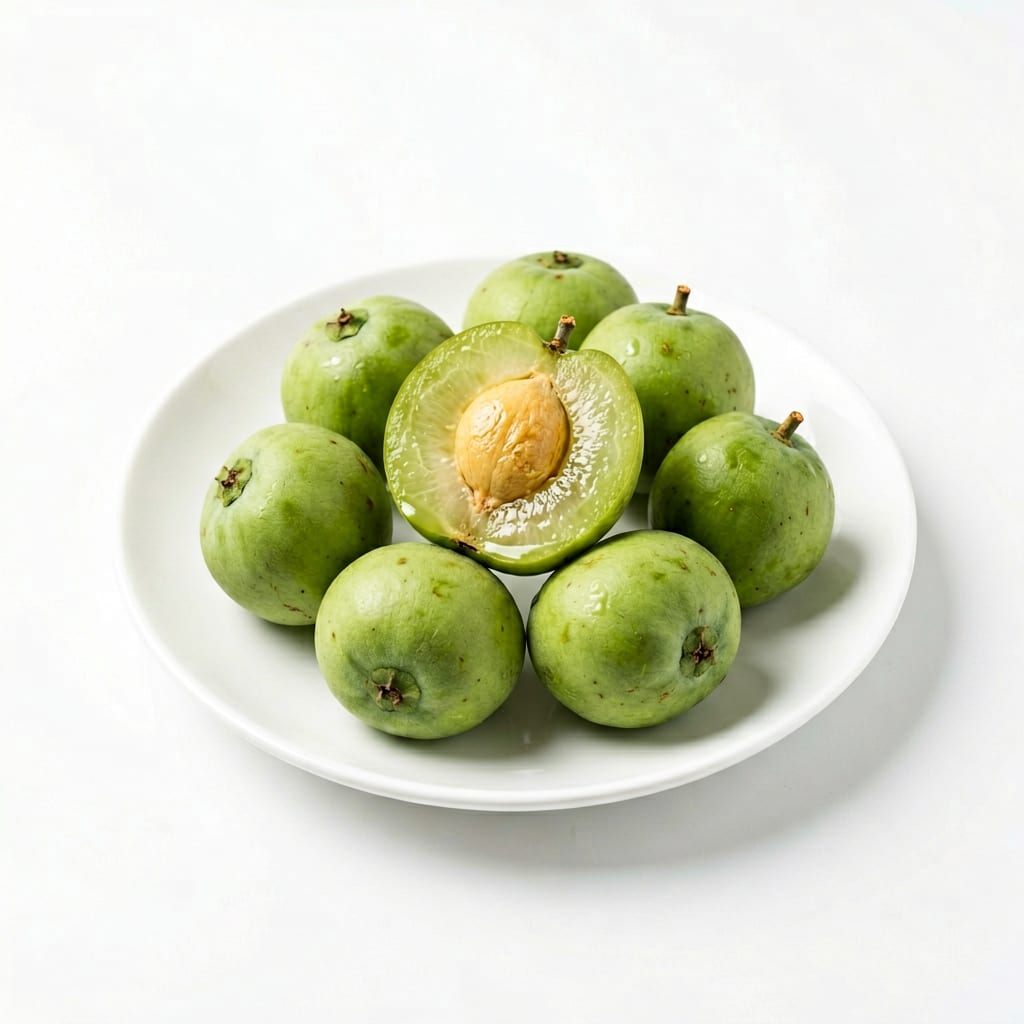
Loquat
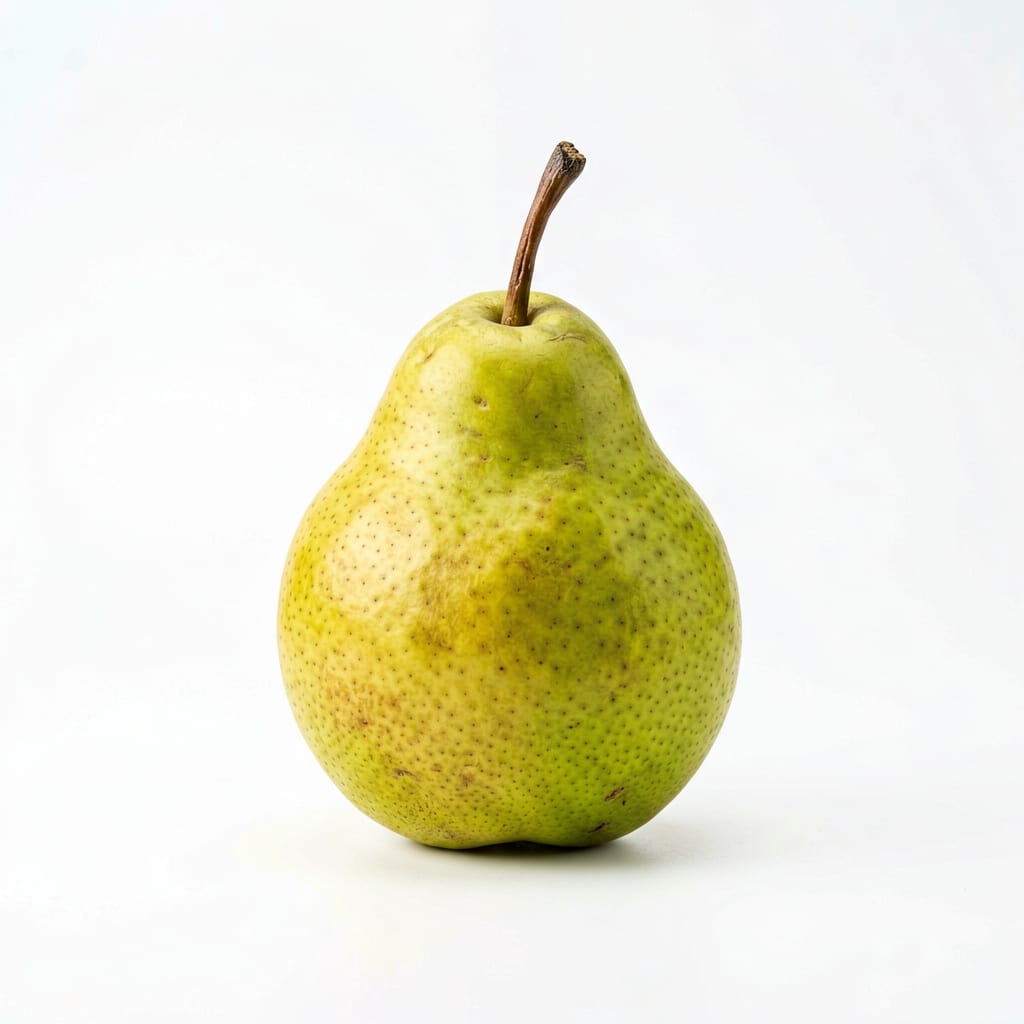
Pear
Pear wins on fiber, satiety, and everyday practicality. Loquat wins on lower sugar, unique antioxidants, and calorie density. Your pick depends on what you value more.
Pear scores higher overall due to superior fiber, satiety, and year-round availability. Loquat remains valuable for lower sugar and unique antioxidants but loses points on accessibility and the need for seed caution.
Pear fills you up longer and is always available, but carries more sugar. Loquat is lighter and less sweet but harder to find and eat in quantity.
At a glance
Executive summary
Overall
It depends
Healthier
It depends
More practical
Pear
Daily use
Pear
Key comparison lenses
Blood sugar and diabetes-friendliness
Both are sweet fruits with different sugar loads and fiber profiles, making glycemic impact a key decision factor
Everyday availability and practicality
Loquats are seasonal and hard to find while pears are available year-round in most stores
Weight management and calorie control
Users comparing fruits often prioritize which one supports satiety without excess calories
Antioxidant and micronutrient diversity
Loquat brings unique carotenoids and triterpenes while pear offers different polyphenols
Digestive tolerance and gut health
Fiber type and quantity differ significantly, affecting digestion and regularity
Best choice for
Loquat
- People watching their sugar intake closely
- Those seeking unique carotenoids and triterpenes
- Anyone wanting a low-calorie sweet snack
- People with mild blood sugar concerns
Pear
- People prioritizing digestive regularity and fullness
- Anyone needing a reliable year-round fruit option
- Those wanting more fiber per serving
- People who value convenience and availability
Least suitable for
Loquat
- People who need high-fiber snacks for satiety
- Anyone living where loquats are unavailable
- Those unfamiliar with proper seed avoidance
Pear
- People strictly limiting fruit sugar
- Those with fructose malabsorption issues
- Anyone wanting a very low-calorie fruit option
Deep comparison
Dimension by dimension
Each lens scores both foods and breaks down who each option suits.
- Dimension 1 · Priority 92Pear
Fiber and Satiety
Loquat · 45Pear · 85Pear delivers roughly 3-4 times more fiber per serving than loquat, making it significantly more filling.
Tradeoff
You stay full longer with pear but consume more calories per serving to get that benefit.
Why it matters
Fiber is the single biggest factor in whether a snack actually holds you over between meals.
Real-world impact
A pear at 3pm can easily tide you over until dinner. A handful of loquats will leave you hungry again within an hour.
Loquat
- Light snacking without feeling heavy
Better for
- Hunger returning quickly after eating
Worse for
Pear
- Staying full between meals
- Supporting digestive regularity
- Reducing the urge to overeat later
Better for
- Feeling overly full if eaten before exercise
Worse for
- Dimension 2 · Priority 88Loquat
Sugar and Blood Sugar Impact
Loquat · 78Pear · 55Loquat contains notably less sugar per serving than pear, resulting in a gentler blood sugar response.
Tradeoff
Lower sugar means less sweetness and less energy, which may leave you wanting more food sooner.
Why it matters
For anyone monitoring blood sugar, the difference between 10g and 17g of sugar per serving is meaningful.
Real-world impact
If you are prediabetic or tracking glycemic load, loquat is the safer afternoon pick. Pear may cause a sharper rise followed by a quicker dip.
Loquat
- Steadier energy without sugar spikes
- Diabetes-friendly snacking
- Low-carb diet compatibility
Better for
- May feel too tart or unsatisfying for sweet cravings
Worse for
Pear
- Quick energy before physical activity
Better for
- Can trigger sugar cravings in sensitive individuals
- Less ideal for blood sugar management
Worse for
- Dimension 3 · Priority 75It depends
Antioxidant and Micronutrient Profile
Loquat · 76Pear · 70Loquat offers unique carotenoids and triterpenes you rarely find elsewhere. Pear provides solid polyphenols and vitamin K but a less exotic profile.
Tradeoff
Loquat gives you rare compounds in small quantities. Pear gives you common but well-studied nutrients in larger amounts.
Why it matters
Dietary diversity in antioxidants matters more than loading up on any single source.
Real-world impact
Eating loquats when in season adds antioxidant variety your body does not get from everyday fruits. Pears reliably contribute to your baseline nutrient intake year-round.
Loquat
- Carotenoids for eye and skin health
- Triterpenes with emerging anti-inflammatory research
- Adding diversity to your antioxidant intake
Better for
- Small serving sizes limit total nutrient intake
Worse for
Pear
- Vitamin K for bone and blood health
- Boron for bone density maintenance
- Consistent daily micronutrient support
Better for
- Less antioxidant novelty compared to tropical fruits
Worse for
- Dimension 4 · Priority 85Pear
Availability and Practicality
Loquat · 30Pear · 92Pears are available in virtually every grocery store year-round. Loquats have a short season and limited geographic availability.
Tradeoff
You can always rely on pears. Loquats require effort to find and may only be worth it during their brief spring window.
Why it matters
The healthiest fruit is the one you can actually buy and eat consistently.
Real-world impact
If you are meal prepping on a Sunday, pears are always on the list. Loquats require a specialty store or farmers market visit during a narrow window.
Loquat
- Special occasion or seasonal variety
Better for
- Often unavailable when you want them
- Short shelf life once ripe
Worse for
Pear
- Reliable weekly grocery staple
- Easy to find in any store
- Consistent quality and ripeness options
Better for
- Can be mealy if overripe
Worse for
- Dimension 5 · Priority 78Loquat
Calorie Density and Weight Management
Loquat · 82Pear · 62Loquat is very low in calories per serving, making it easy to eat without worrying about overconsumption.
Tradeoff
Fewer calories also means less satiety, so you may end up eating more total food to feel satisfied.
Why it matters
For strict calorie counters, every calorie matters. For others, feeling full on fewer calories is the real goal.
Real-world impact
You can eat a bowl of loquats for under 60 calories. A single medium pear runs about 100 calories but keeps you full much longer.
Loquat
- Grazing without calorie anxiety
- Volume eating for weight loss
Better for
- Easy to overeat because they do not feel satisfying
Worse for
Pear
- Replacing higher-calorie snacks with something filling
- One-and-done snacking satisfaction
Better for
- Calories add up if you eat multiple pears
Worse for
- Dimension 6 · Priority 65Pear
Safety and Toxicity Concerns
Loquat · 55Pear · 92Loquat seeds contain amygdalin, which releases cyanide when crushed or chewed. Pear seeds have trace amounts too but are far less commonly ingested.
Tradeoff
Loquat requires more care during eating, especially around children. Pear is essentially worry-free.
Why it matters
Most people do not know about loquat seed toxicity, which creates a real safety gap for households with kids.
Real-world impact
An adult casually snacking on loquats will likely spit out the seeds. A curious child might chew them, which is dangerous.
Loquat
- Flesh is completely safe when seeds are avoided
Better for
- Seed toxicity risk if not properly discarded
- Not safe for unsupervised children
Worse for
Pear
- No meaningful safety concerns for any age group
- Safe for children to eat independently
Better for
- Trace amygdalin in seeds if someone eats them deliberately
Worse for
Timeline
Health impact over time
Short-term
Hours to days
Loquat
- Light, refreshing energy without sugar crash
- Quick hydration from high water content
- Possible mild stomach upset if seeds are accidentally chewed
Pear
- Noticeable fullness that lasts 2-3 hours
- Steadier digestion and bowel regularity within a day
- Mild blood sugar rise if eaten on an empty stomach
Long-term
Months to years
Loquat
- Carotenoid intake supports eye health over time
- Lower cumulative sugar exposure benefits metabolic health
- Limited availability makes consistent long-term intake difficult
Pear
- High fiber intake supports gut microbiome diversity
- Consistent potassium intake helps blood pressure regulation
- Regular consumption supports healthy cholesterol levels
Risk profile
Safety & processing
Both loquat and pear are whole, unprocessed fruits you eat as nature intended. Neither raises processing concerns.
Loquat
Seed toxicity from amygdalin
mediumLoquat seeds contain amygdalin which releases cyanide when crushed. Swallowing a seed whole is low risk, but chewing multiple seeds can cause serious symptoms. Always discard seeds.
Pesticide residue on skin
lowLoquats are often grown with standard orchard pesticides. Washing thoroughly reduces risk. Organic options are preferable when available.
Pear
Pesticide residue on skin
mediumPears consistently appear on EWG's Dirty Dozen list with detectable pesticide residues. Peeling or choosing organic significantly reduces exposure.
Fructose malabsorption discomfort
lowPears are high in fructose and sorbitol, which can cause bloating or gas in sensitive individuals, especially those with IBS.
Who wins for whom
Audience fit
Same foods, different winners depending on your goal.
children
PearPears are safer for kids to eat independently since loquat seeds pose a toxicity risk if chewed. Pear is also sweeter and more kid-friendly.
daily consumption
PearYear-round availability, consistent fiber intake, and no safety concerns make pear the more reliable daily fruit choice.
diabetes
LoquatLower sugar content and smaller serving size make loquat gentler on blood glucose. Pair it with a protein or fat source for even better control.
elderly
PearHigher fiber supports the digestive regularity that older adults often struggle with. Softer ripe pear is also easy to chew and swallow.
muscle gain
PearNeither fruit is a muscle-building food, but pear provides more carbohydrates for post-workout glycogen replenishment and more calories to support a surplus.
weight loss
It dependsLoquat for low-calorie volume eating. Pear for high-satiety snacking that prevents overeating later. Pick based on your snacking style.
Your move
Decision guide
Choose Loquat
- You are watching your sugar intake closely
- You want a low-calorie fruit for grazing
- Loquats are in season and available locally
- You want to diversify your antioxidant intake beyond common fruits
- You have no young children who might chew the seeds
Choose Pear
- You want a filling snack that actually holds you over
- You need a fruit you can find any day of the year
- Digestive regularity is a priority
- You are packing lunch or snacks for kids
- You want a reliable daily fruit habit
Either works if
- You just want a whole fruit instead of processed snacks
- Both are available and you feel like mixing it up
- You are eating fruit alongside a protein or fat source
Avoid both if
- You have severe fructose intolerance or IBS triggers from fruit
- You are on a very strict very-low-carb ketogenic diet
- You need high-protein snacks for satiety
Final recommendation
Make pear your everyday fruit for fiber, fullness, and convenience. Enjoy loquats as a seasonal treat when you can find them, especially for their lower sugar and unique antioxidants. Both are excellent whole-food choices that beat processed snacks by a wide margin.
Practical
Consumer tips
- 1
Always discard loquat seeds completely and never blend them into smoothies
- 2
Choose organic pears when possible since they rank high for pesticide residue
- 3
Let pears ripen at room temperature until slightly soft at the stem end for best flavor and digestibility
- 4
Pair either fruit with a handful of nuts or cheese to blunt the blood sugar response
- 5
If you find fresh loquats, enjoy them within 2-3 days as they spoil quickly
- 6
Frozen pear slices make a great hot-weather snack with more fiber than most frozen fruit options