
Nutrition comparison
Loquat vs Peach: Nutrition, Safety, and Health Benefits Compared
Loquat vs Peach: Which fruit is healthier? Compare calories, vitamins, and seed safety to see whether loquats or peaches are the better choice for your diet.
Overall winner · Peach
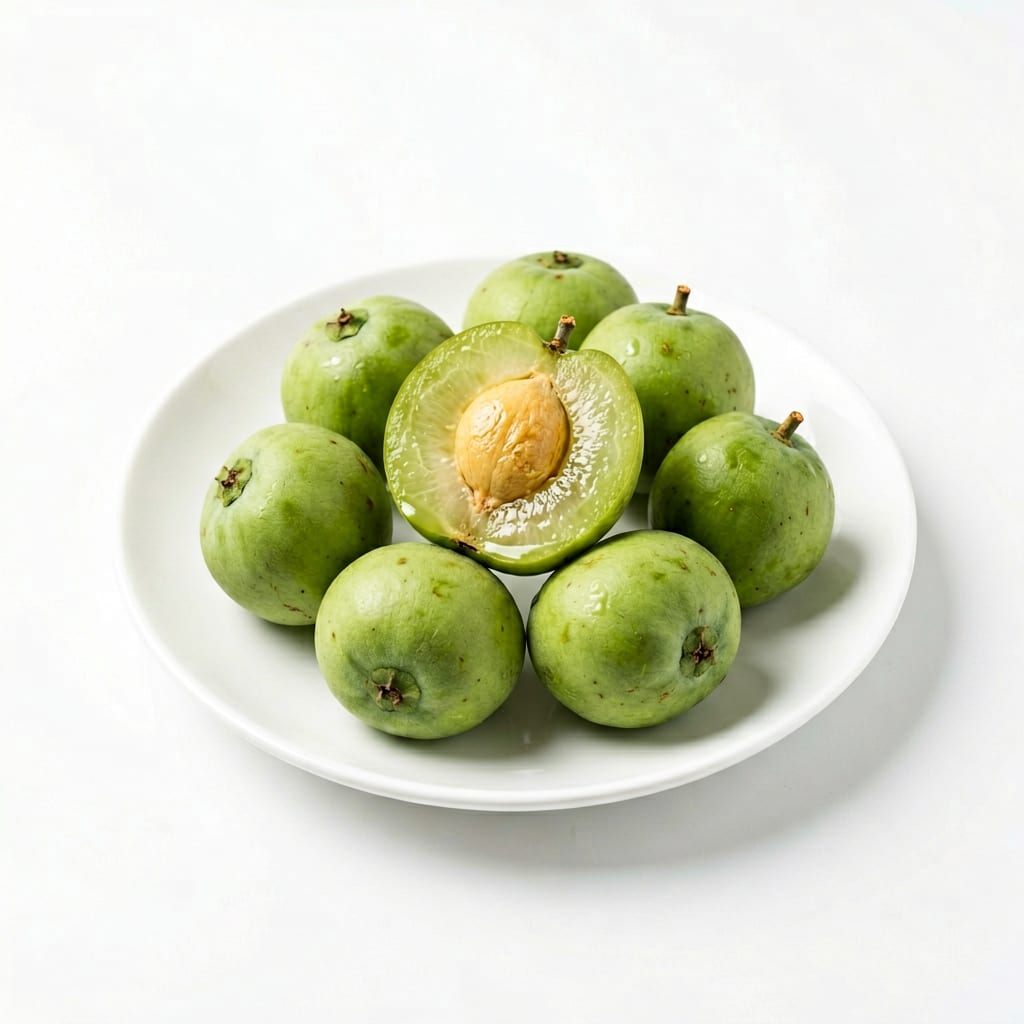
Loquat
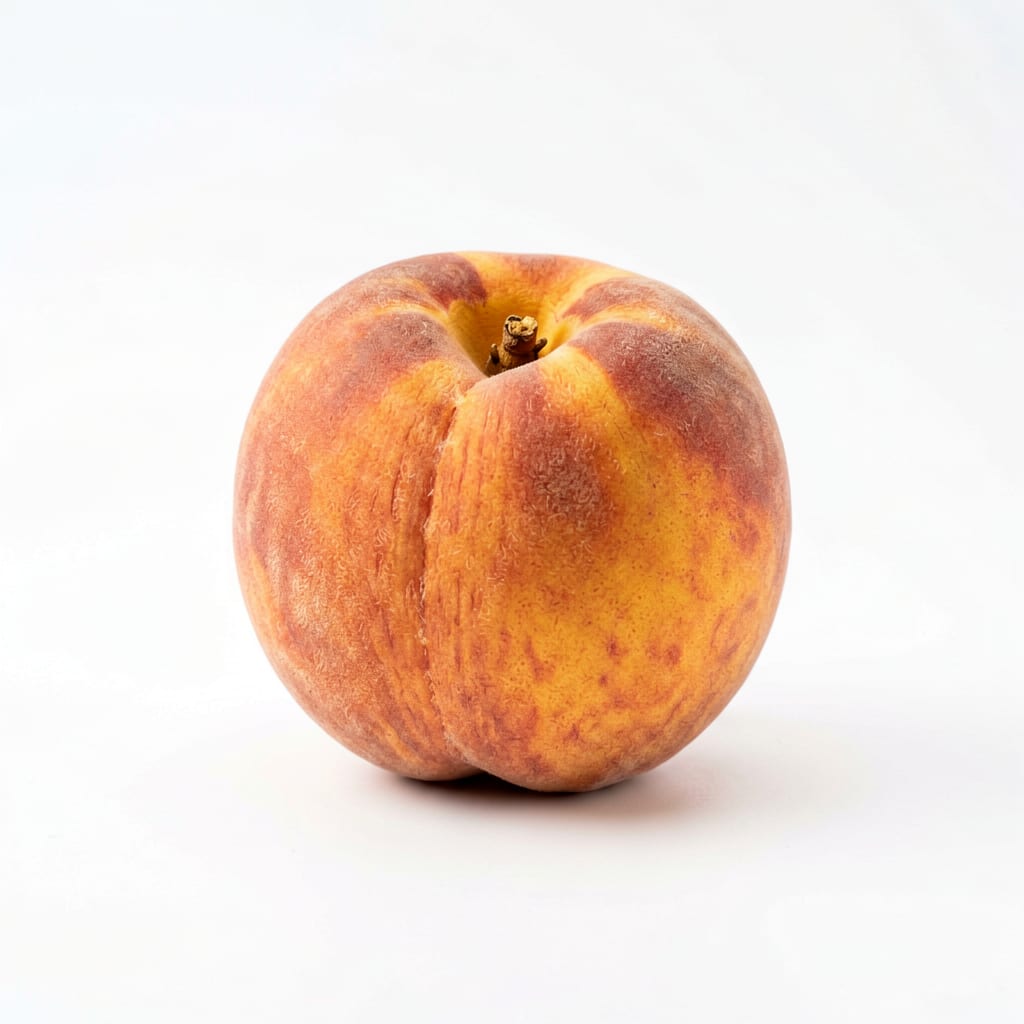
Peach
Peaches win on practicality, availability, and versatility, but loquats are a surprising micronutrient powerhouse with much more Vitamin A.
Peaches score higher overall due to wider availability, lower calories, and safer snacking, while loquats earn strong points for specific micronutrient density.
You trade the superior Vitamin A and potassium of loquats for the everyday convenience, lower calorie count, and culinary flexibility of peaches.
At a glance
Executive summary
Overall
Peach
Healthier
It depends
More practical
Peach
Daily use
Peach
Key comparison lenses
Micronutrient density and vitamin A content
Loquats are surprisingly rich in Vitamin A compared to peaches, making this a key differentiator for eye health and immunity.
Everyday availability and convenience
Peaches are a grocery store staple available year-round in various forms, while loquats are highly seasonal and harder to find.
Safety and seed toxicity
Both fruits belong to the rose family and have toxic seeds or pits containing cyanogenic compounds, but the small size and multiple seeds of loquats increase the risk of accidental ingestion.
Culinary versatility and snacking ease
Peaches offer far more culinary applications and are easier to eat out of hand, whereas loquats require more careful preparation.
Best choice for
Loquat
- Boosting Vitamin A intake for eye health
- Adding a unique tart-sweet flavor to jams and desserts
- Increasing dietary potassium
Peach
- Easy, everyday low-calorie snacking
- Baking, grilling, and smoothie recipes
- Safe and familiar fruit options for kids
Least suitable for
Loquat
- Young children who might accidentally chew the toxic seeds
- People who want a high-volume, low-calorie snack
Peach
- Those specifically looking to maximize Vitamin A intake through fruit
Deep comparison
Dimension by dimension
Each lens scores both foods and breaks down who each option suits.
- Dimension 1 · Priority 90Loquat
Micronutrient Density
Loquat · 88Peach · 65Loquats deliver significantly more Vitamin A and potassium per serving than peaches.
Tradeoff
You get a stronger micronutrient punch from loquats, but you have to navigate around their large toxic seeds to get it.
Why it matters
Vitamin A is critical for vision and immune function, and getting it from whole fruit is highly effective.
Real-world impact
Eating loquats can give your eye health and immune system a noticeable edge, especially during their short season.
Loquat
- Supporting night vision
- Boosting immune defenses
Better for
- Not a significant source of Vitamin C
Worse for
Peach
- Getting a moderate amount of Vitamin C for skin health
Better for
- Lacks the concentrated Vitamin A found in loquats
Worse for
- Dimension 2 · Priority 85Peach
Availability and Convenience
Loquat · 40Peach · 95Peaches are ubiquitous and easy to find, while loquats are niche and highly seasonal.
Tradeoff
Peaches are always available for consistent habits, whereas loquats are a rare, seasonal treat that requires effort to source.
Why it matters
A healthy food only works if you can actually find and buy it regularly.
Real-world impact
You can build a reliable daily snacking routine around peaches, but loquats will likely be a once-a-year indulgence.
Loquat
- Enjoying a unique seasonal delicacy when found fresh
Better for
- Almost impossible to find outside of spring
- Very short shelf life once purchased
Worse for
Peach
- Consistent weekly grocery shopping
- Reliable meal prep planning
Better for
- Can be mealy or flavorless if bought out of season
Worse for
- Dimension 3 · Priority 75Peach
Safety and Seed Toxicity
Loquat · 60Peach · 85Both have toxic seeds, but loquats have multiple large seeds relative to fruit size, increasing accidental chewing risk.
Tradeoff
Peach pits are large and easily avoided, while loquat seeds are surrounded by edible flesh and easier to accidentally bite.
Why it matters
Crushing or chewing the seeds releases amygdalin, which converts to cyanide in the body.
Real-world impact
An adult will easily avoid a peach pit, but snacking on loquats requires more mindfulness to avoid biting into the toxic seeds.
Loquat
- Risk of accidentally biting or swallowing toxic seeds
- Requires careful eating around children
Worse for
Peach
- Safe, mindless snacking without fear of biting a toxic pit
- Better for tossing whole into lunches
Better for
- Dimension 4 · Priority 70It depends
Blood Sugar and Satiety
Loquat · 78Peach · 82Both are light, water-rich fruits with similar sugar profiles, though peaches are slightly lower in calories.
Tradeoff
Neither fruit is deeply filling, but both offer a refreshing, light energy boost without a sugar crash.
Why it matters
Choosing low-glycemic, hydrating fruits helps manage afternoon cravings without spiking blood sugar.
Real-world impact
Both are great for a quick afternoon pick-me-up, but you will need protein or fat to stay full for hours.
Loquat
- A slightly more substantial bite if eating a large quantity
Better for
- Higher calorie density if you eat many at once
Worse for
Peach
- Slightly fewer calories per serving for weight management
Better for
- Not very filling on its own
Worse for
- Dimension 5 · Priority 65Peach
Culinary Versatility
Loquat · 55Peach · 92Peaches are incredibly versatile in both sweet and savory dishes, while loquats are more limited.
Tradeoff
Peaches adapt to grilling, baking, and blending effortlessly, whereas loquats are best eaten fresh or made into preserves.
Why it matters
Versatility keeps healthy eating interesting and sustainable long-term.
Real-world impact
You can throw peaches into salads, oatmeal, or salsa, but loquats are mostly just a fresh hand-fruit or jam ingredient.
Loquat
- Making unique, tart preserves and chutneys
Better for
- Falls apart easily when cooked
- Limited savory applications
Worse for
Peach
- Grilling for savory side dishes
- Baking into healthy desserts
- Blending into smoothies
Better for
Timeline
Health impact over time
Short-term
Hours to days
Loquat
- Provides a quick, light energy boost
- High water content helps with hydration
Peach
- Gentle on blood sugar with a refreshing effect
- Satisfies sweet cravings with minimal calories
Long-term
Months to years
Loquat
- Excellent for maintaining vision and eye health due to high Vitamin A
- Supports healthy blood pressure with solid potassium content
Peach
- Supports skin elasticity and immune health with Vitamin C
- Consistent low-calorie snacking aids sustainable weight management
Risk profile
Safety & processing
Both loquats and peaches are whole, natural fruits typically eaten in their raw, unprocessed state.
Loquat
Cyanogenic glycosides in seeds
mediumLoquat seeds contain amygdalin, which turns into cyanide when crushed or chewed. Accidentally swallowing a whole seed is usually harmless, but chewing several seeds can cause serious toxicity.
Peach
Cyanogenic glycosides in pit
lowPeach pits also contain amygdalin, but the large, hard pit is easily discarded and rarely accidentally chewed.
Pesticide residue
mediumConventional peaches often rank high on the Dirty Dozen list for pesticide residues; washing thoroughly or choosing organic is advisable.
Who wins for whom
Audience fit
Same foods, different winners depending on your goal.
children
PeachPeaches are much safer for kids due to the easily avoidable pit, whereas loquats have multiple small, toxic seeds that a child might accidentally bite.
daily consumption
PeachYear-round availability and culinary flexibility make peaches a far more reliable daily staple than loquats.
diabetes
It dependsBoth have similar, moderate sugar content and low glycemic loads, making them safe in moderation for blood sugar management.
elderly
PeachPeaches are softer, easier to find, and safer to eat, making them a more practical choice for older adults.
muscle gain
It dependsNeither fruit is a significant protein source, so both are equally unsuited for muscle building without pairing with protein.
weight loss
PeachPeaches are slightly lower in calories and much easier to portion out as a quick, light snack.
Your move
Decision guide
Choose Loquat
- You want a seasonal boost in Vitamin A and potassium
- You find fresh loquats at a local market and want a unique flavor experience
- You enjoy making homemade jams and preserves
Choose Peach
- You need a versatile, everyday fruit for lunches and recipes
- You are packing snacks for children
- You want a lower-calorie option that is easy to find year-round
Either works if
- You just want a refreshing, hydrating sweet snack
- You are looking for a whole-food way to satisfy a sugar craving
Avoid both if
- You need a high-protein or high-fiber food to keep you full for hours
- You have a severe allergy to stone fruits
Final recommendation
Make peaches your everyday go-to for their convenience, safety, and versatility, but absolutely seek out loquats during their short spring season for a delicious Vitamin A boost.
Practical
Consumer tips
- 1
Never eat or chew the seeds of loquats or the pits of peaches; they contain toxic compounds that release cyanide.
- 2
If buying conventional peaches, wash them thoroughly or opt for organic to avoid high pesticide residues.
- 3
Loquats bruise very easily and have a short shelf life; eat them within a day or two of purchasing.
- 4
Peaches can be ripened on the counter and then moved to the fridge to pause the ripening process for a few days.