
Nutrition comparison
Loquat vs Orange: Which Fruit Is Healthier for You?
Compare loquat and orange nutrition including vitamin C, sugar content, antioxidants, and practicality. Find out which fruit fits your health goals and lifestyle better.
Overall winner · Orange
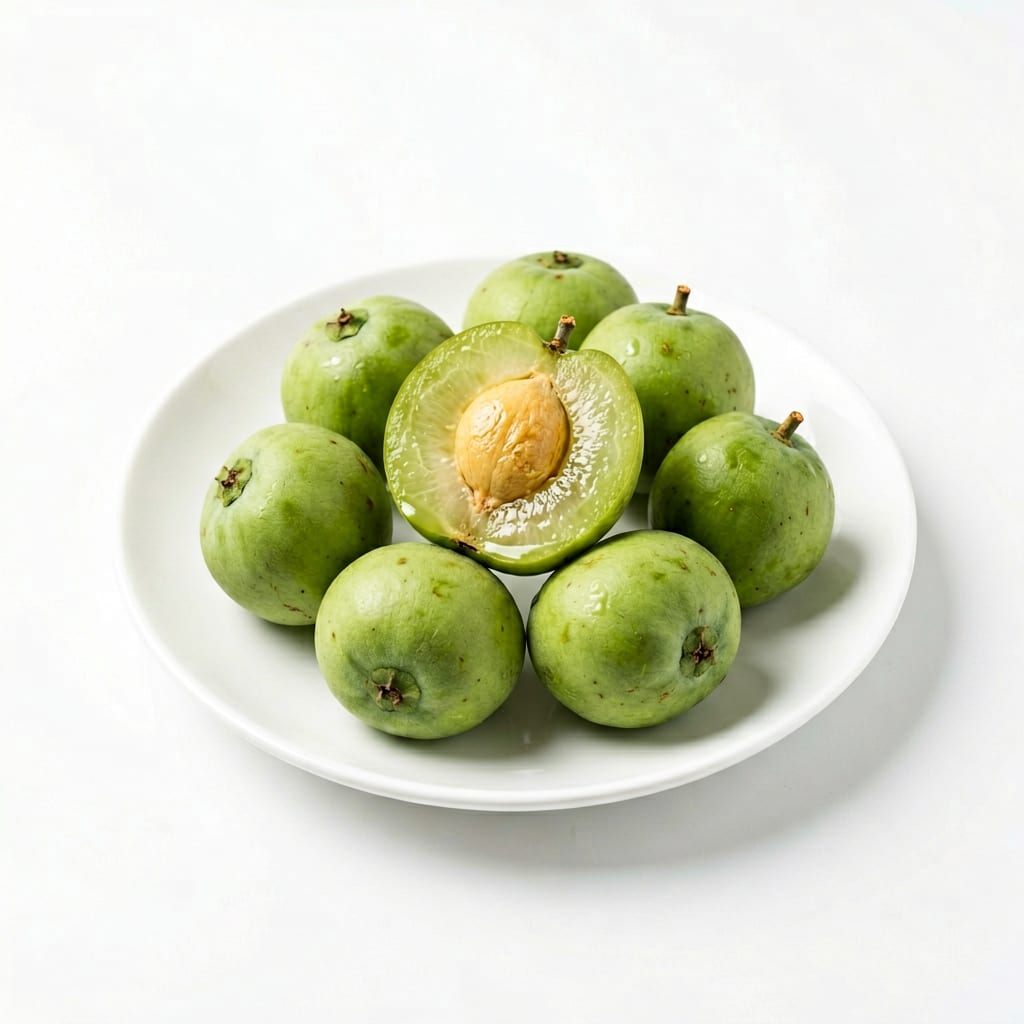
Loquat

Orange
Oranges win on vitamin C, availability, and everyday practicality. Loquats offer lower sugar and unique antioxidants but are harder to find and less nutrient-dense overall.
Oranges score notably higher due to superior vitamin C content, year-round availability, and broader nutrient density. Loquats are a respectable fruit with lower sugar and interesting phytonutrients, but their seasonal nature and milder nutritional profile keep them in a supporting role rather than a staple.
Oranges deliver reliable, accessible nutrition especially vitamin C. Loquats are a lighter, lower-sugar alternative with rare antioxidants but seasonal scarcity limits their usefulness.
At a glance
Executive summary
Overall
Orange
Healthier
Orange
More practical
Orange
Daily use
Orange
Key comparison lenses
vitamin C and immune support comparison
Oranges are iconic for vitamin C; loquats are far less known, so users likely want to know if loquats can replace oranges for immune support
everyday availability and practicality
Oranges are available year-round everywhere; loquats are seasonal and harder to find, which heavily impacts real-world decision-making
sugar and blood sugar impact
Both are sweet fruits with natural sugars, making glycemic load a practical concern for many eaters
antioxidant diversity and unique phytonutrients
Loquats contain chlorogenic acid and unique triterpenes not found in oranges, which may interest health-conscious users
weight management and satiety
Both are low-calorie snacks, but portion size and eating experience differ significantly
Best choice for
Loquat
- People watching their sugar intake who still want a sweet fruit
- Those seeking novel antioxidants like chlorogenic acid
- Gardeners in warm climates who grow their own loquats
- Anyone wanting a light, low-calorie snack with mild flavor
Orange
- Anyone prioritizing immune support and vitamin C intake
- Families needing an affordable, kid-friendly fruit year-round
- People who want reliable daily fruit nutrition without hunting for specialty produce
- Athletes and active individuals needing quick natural energy
Least suitable for
Loquat
- People who need consistent daily vitamin C from fruit
- Anyone living where loquats are unavailable or extremely expensive
- Those wanting meal-prep friendly fruit that stores well
Orange
- People strictly limiting natural sugar intake
- Those with citrus allergies or sensitivities
- Anyone prone to acid reflux triggered by citrus
Deep comparison
Dimension by dimension
Each lens scores both foods and breaks down who each option suits.
- Dimension 1 · Priority 95Orange
Vitamin C and Immune Support
Loquat · 30Orange · 95Oranges dominate with roughly 5-6 times more vitamin C per serving than loquats.
Tradeoff
Loquats provide some vitamin C but not nearly enough to serve as your primary source. If immune support is your goal, oranges are clearly superior.
Why it matters
Vitamin C is the main reason most people reach for fruit during cold season. One orange covers most of your daily need; you would need multiple loquats to match it.
Real-world impact
Eating an orange a day meaningfully supports your immune system. Relying on loquats for the same purpose would require eating far more fruit and calories.
Loquat
- Those already getting vitamin C from other sources like bell peppers or supplements
Better for
- Relying on loquats as your primary vitamin C source will likely leave you short
Worse for
Orange
- Anyone wanting to meet daily vitamin C needs through food alone
- People during cold and flu season seeking practical immune support
Better for
- Not ideal for those who experience mouth irritation from high-acid citrus
Worse for
- Dimension 2 · Priority 82Loquat
Sugar Content and Blood Sugar Impact
Loquat · 80Orange · 62Loquats contain significantly less sugar per serving, making them gentler on blood sugar.
Tradeoff
The lower sugar comes with lower overall calorie and nutrient density. You get a lighter snack but less nutritional payoff per bite.
Why it matters
For people monitoring blood sugar or reducing sugar intake, loquats offer a sweet fruit experience with less glycemic impact.
Real-world impact
A serving of loquats feels like a light sweet treat without the sugar spike. An orange, while still healthy, delivers more sugar that some people prefer to moderate.
Loquat
- People with prediabetes or insulin resistance wanting lower-sugar fruit
- Those tracking macros who want fruit flavor with fewer sugar grams
Better for
- May feel unsatisfying as a standalone snack due to lower calorie content
Worse for
Orange
- Active people who benefit from the natural carbohydrates for energy
Better for
- The higher sugar content can add up if you eat multiple oranges daily
Worse for
- Dimension 3 · Priority 76It depends
Antioxidant Diversity
Loquat · 75Orange · 78Both fruits offer valuable but different antioxidant profiles. Oranges provide flavonoids like hesperidin; loquats contribute chlorogenic acid and unique triterpenes.
Tradeoff
Neither is clearly superior here. Eating both would give you the broadest antioxidant coverage.
Why it matters
Different antioxidants protect different systems. Variety in fruit choices generally beats relying on a single source.
Real-world impact
Mixing loquats when available with oranges as your daily staple gives you a wider range of protective compounds than either alone.
Loquat
- Those wanting chlorogenic acid, which may support metabolic health
- People already eating citrus regularly who want antioxidant diversity
Better for
- The research on loquat-specific antioxidants is less extensive than citrus flavonoid research
Worse for
Orange
- People seeking well-studied flavonoids with established cardiovascular benefits
- Anyone wanting reliable daily antioxidant intake from an accessible fruit
Better for
- Relying only on oranges limits your antioxidant spectrum compared to eating varied fruits
Worse for
- Dimension 4 · Priority 88Orange
Availability and Practicality
Loquat · 25Orange · 95Oranges are available everywhere year-round. Loquats have a short season and limited distribution.
Tradeoff
You can build consistent daily habits around oranges. Loquats are more of a seasonal treat than a reliable staple.
Why it matters
The healthiest fruit is the one you can actually buy and eat regularly. Availability often matters more than marginal nutritional differences.
Real-world impact
You can find oranges at any grocery store any week of the year. Loquats may require specialty markets, farmers markets, or growing your own tree.
Loquat
- Home gardeners in subtropical climates with a loquat tree in the yard
- Adventurous eaters who enjoy seeking out seasonal specialty produce
Better for
- Most people will struggle to find loquats regularly enough to make them a dietary habit
Worse for
Orange
- Busy people who need reliable fruit access without special shopping trips
- Meal preppers who buy groceries weekly and need consistent stock
Better for
- Year-round availability sometimes means eating oranges when less flavorful or more stored
Worse for
- Dimension 5 · Priority 65Loquat
Vitamin A and Eye Health
Loquat · 72Orange · 45Loquats contain notably more beta-carotene and vitamin A precursors than oranges.
Tradeoff
The vitamin A advantage is real but modest compared to dedicated sources like carrots or sweet potatoes.
Why it matters
If you rarely eat orange vegetables, loquats can contribute meaningfully to your vitamin A intake.
Real-world impact
Regular loquat consumption supports eye health slightly better than oranges, but neither is a powerhouse source compared to root vegetables.
Loquat
- People with low vitamin A intake who want fruit-based contributions
- Those seeking small additional eye health support from their snacks
Better for
- Still not enough vitamin A to serve as a primary source
Worse for
Orange
- Not a significant factor — oranges contribute minimally to vitamin A needs
Better for
- Oranges are not a meaningful vitamin A source
Worse for
- Dimension 6 · Priority 70Loquat
Digestive Tolerance and Comfort
Loquat · 82Orange · 60Loquats are lower in acid and gentler on sensitive stomachs than oranges.
Tradeoff
The milder flavor means less sensory intensity, which some people love and others find boring.
Why it matters
Citrus acidity triggers reflux or discomfort for many people. Loquats offer a fruit option that is easier on the digestive system.
Real-world impact
If oranges give you heartburn or stomach upset, loquats could be a comfortable alternative that still satisfies a sweet fruit craving.
Loquat
- People with acid reflux or GERD who avoid citrus
- Those with sensitive stomachs who find oranges irritating
Better for
- Very mild flavor may not feel satisfying as a standalone snack for some
Worse for
Orange
- People who enjoy the refreshing zing of citrus and have no digestive issues
Better for
- Citrus acid can trigger heartburn, mouth sores, or stomach discomfort in sensitive individuals
Worse for
Timeline
Health impact over time
Short-term
Hours to days
Loquat
- Provides a light, refreshing snack with minimal blood sugar spike
- Gentle on the stomach due to low acidity
- Mild diuretic effect from potassium content
Orange
- Quick energy boost from natural sugars and carbohydrates
- Noticeable hydration benefit from high water content
- Vitamin C immediately supports antioxidant defenses
Long-term
Months to years
Loquat
- Chlorogenic acid intake may support metabolic health over time
- Consistent low-sugar fruit choice helps maintain better blood sugar patterns
- Limited availability makes it hard to sustain as a daily habit
Orange
- Regular vitamin C intake supports immune function and collagen production long-term
- Hesperidin from oranges is linked to better cardiovascular markers over years
- Easy daily habit to maintain, which compounds health benefits through consistency
Risk profile
Safety & processing
Both loquats and oranges are whole, unprocessed fruits you eat as nature intended. Neither raises processing concerns when consumed fresh.
Loquat
Toxic seeds
mediumLoquat seeds contain amygdalin, which releases cyanide when crushed or chewed. Accidental swallowing of a whole seed is generally harmless, but chewing multiple seeds could be dangerous. Always discard seeds.
Pesticide residue on skin
lowLoquats have thin edible skins that may carry pesticide residue. Washing thoroughly reduces this concern.
Orange
Citrus pesticide residue
lowOrange peels commonly carry pesticide residues, though most people discard the peel. If zesting, choose organic.
Dental erosion from acidity
lowFrequent orange consumption can erode tooth enamel over time. Rinsing with water after eating helps.
Who wins for whom
Audience fit
Same foods, different winners depending on your goal.
children
OrangeOranges are widely available, kid-friendly, and provide strong vitamin C for growing immune systems. Loquat seeds pose a choking hazard for young children.
daily consumption
OrangeYear-round availability, strong nutrient density, and extensive research on daily orange consumption make it the more reliable daily choice.
diabetes
LoquatLower sugar content and gentler blood sugar impact make loquats the safer sweet fruit choice for glucose management.
elderly
OrangeOranges offer more vitamin C for immune support and collagen maintenance, both critical for older adults. Their widespread availability also supports consistent intake.
muscle gain
OrangeOranges provide more carbohydrates and vitamin C, which support exercise recovery and collagen synthesis for joint health.
weight loss
LoquatLoquats have fewer calories and less sugar per serving, making them a lighter option for calorie-conscious eaters.
Your move
Decision guide
Choose Loquat
- You want a lower-sugar fruit that is gentle on blood sugar and digestion
- You have access to fresh loquats and want to enjoy their unique seasonal flavor
- You deal with acid reflux and need a non-citrus fruit alternative
- You are curious about chlorogenic acid and its potential metabolic benefits
Choose Orange
- You want reliable daily vitamin C from a whole food source
- You need an affordable, available-anywhere fruit for consistent habits
- You are feeding kids and want a safe, nutritious, easy-to-eat snack
- You want post-workout natural carbs with hydration benefits
Either works if
- You simply want a serving of whole fruit and both are available
- You are building a diverse fruit rotation for broad antioxidant coverage
- Neither fruit is a dietary staple for you and you just want variety
Avoid both if
- You have a strict very-low-carb or ketogenic diet and need to minimize all fruit sugar
- You have fructose intolerance or malabsorption issues
Final recommendation
Make oranges your daily fruit staple for consistent vitamin C and reliable availability. Enjoy loquats as a seasonal bonus when you find them — they are a lighter, lower-sugar treat with unique antioxidants. The best approach is using oranges as your baseline and adding loquats for variety when possible.
Practical
Consumer tips
- 1
Never eat loquat seeds — discard them carefully, especially around children
- 2
If you grow loquats at home, pick them when slightly soft for the best flavor balance
- 3
Choose oranges that feel heavy for their size, indicating juiciness
- 4
Wash both fruits thoroughly before eating to remove any surface pesticide residue
- 5
If oranges trigger heartburn, try loquats as a gentler fruit alternative during their season
- 6
Freeze orange segments for a refreshing hot-weather snack that doubles as hydration
- 7
Loquats bruise easily and spoil quickly — eat within a few days of purchase