
Nutrition comparison
Loquat vs Mango: Which Fruit Is Better for Sugar, Vitamins, and Daily Use?
Compare Loquat and Mango on sugar content, vitamin density, availability, and safety. Find out which tropical fruit fits your health goals and lifestyle better.
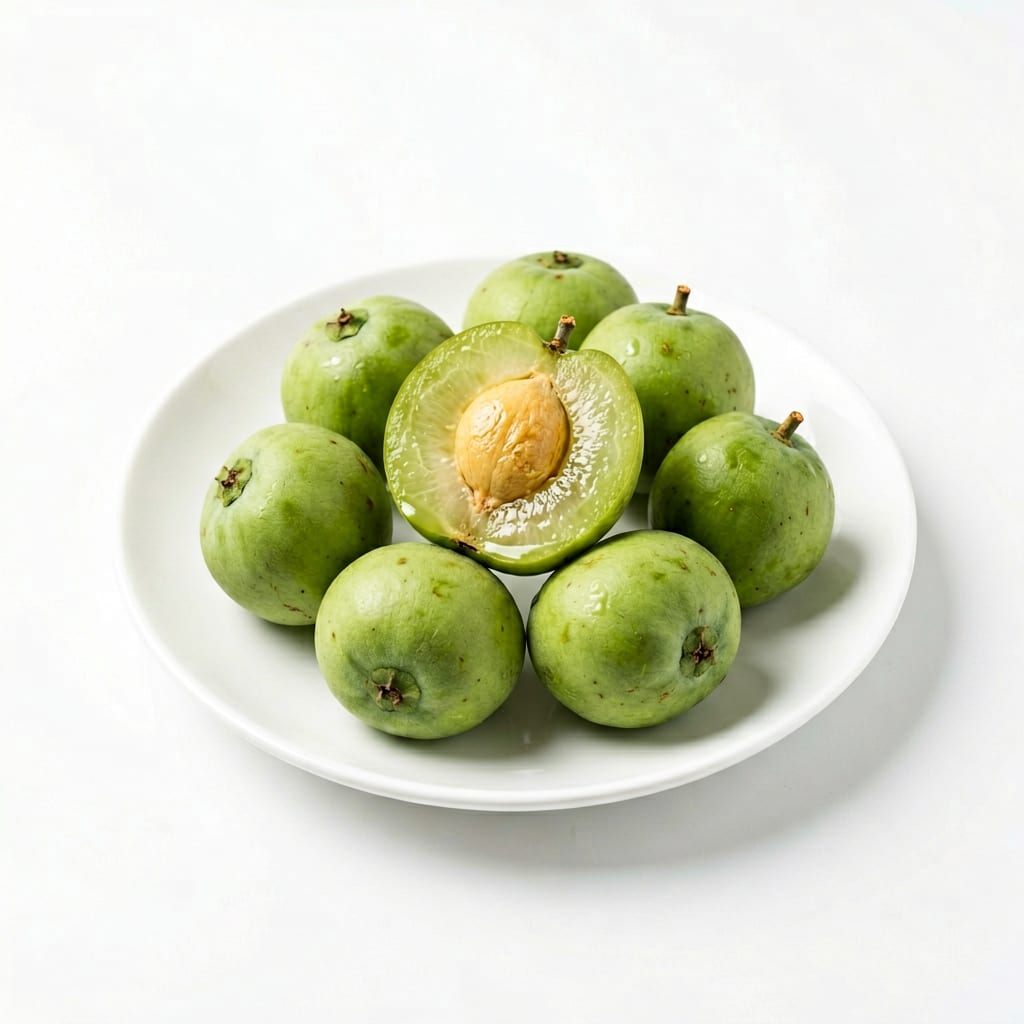
Loquat
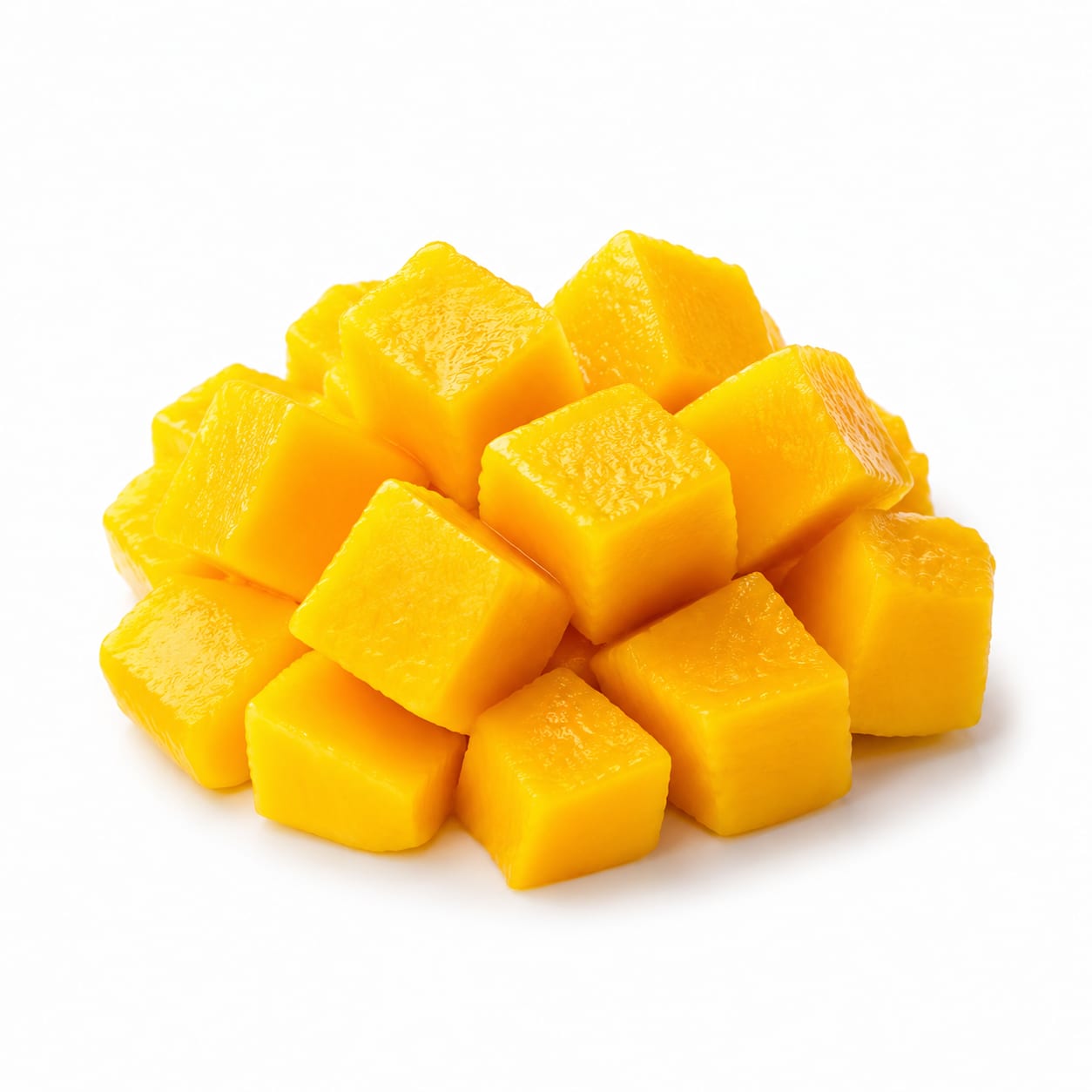
Mango
Loquat wins for lower sugar and calorie control; Mango wins for vitamin C, folate, and everyday accessibility.
Mango scores higher overall due to superior vitamin content, wider availability, and easier daily use. Loquat remains competitive for sugar-conscious eaters but loses points for limited access and seed safety concerns.
You trade the lighter, lower-sugar profile of Loquat for the richer nutrient density and convenience of Mango.
At a glance
Executive summary
Overall
It depends
Healthier
It depends
More practical
Mango
Daily use
Mango
Key comparison lenses
sugar and blood sugar management
Mango is significantly sweeter and higher in sugar, making glycemic impact the most important differentiator
vitamin and antioxidant density
Both fruits are rich in carotenoids and vitamin A precursors but differ in vitamin C and folate content
everyday availability and practicality
Loquat is seasonal and hard to find while mango is available year-round in most markets
weight management and calorie control
Loquat is lower in calories and sugar, making it more appealing for portion-conscious eaters
safety and toxicity awareness
Loquat seeds contain amygdalin which releases cyanide if crushed and consumed, a notable safety concern
Best choice for
Loquat
- People watching their sugar intake closely
- Those seeking a light, low-calorie snack
- Anyone wanting a unique tart-sweet flavor experience
- Gardeners in subtropical climates with loquat trees
Mango
- Families needing a kid-friendly fruit
- Anyone wanting reliable year-round availability
- Those prioritizing vitamin C and folate intake
- Active individuals needing quick natural energy
Least suitable for
Loquat
- People who need easy grocery store access
- Anyone unfamiliar with safe preparation of the seeds
- Those wanting large quantities of fruit affordably
- Kids who might accidentally bite into the toxic seeds
Mango
- People strictly limiting sugar or carbs
- Those with fructose intolerance or sensitivity
- Anyone prone to overeating sweet fruit
- People managing type 2 diabetes carefully
Deep comparison
Dimension by dimension
Each lens scores both foods and breaks down who each option suits.
- Dimension 1 · Priority 92Loquat
sugar_and_glycemic_impact
Loquat · 82Mango · 58Loquat has roughly half the sugar per serving compared to Mango, making it gentler on blood sugar.
Tradeoff
Loquat's lower sugar means less sweetness and less natural energy, while Mango's higher sugar provides quick fuel but can spike blood glucose.
Why it matters
For anyone monitoring blood sugar or trying to reduce cravings, the sugar difference is significant enough to change which fruit feels sustainable daily.
Real-world impact
A Loquat snack leaves you with steadier energy. A Mango snack can feel energizing but may trigger a crash or more cravings 90 minutes later.
Loquat
- Steadier afternoon energy
- Lower risk of sugar-driven cravings
- More forgiving for prediabetic diets
Better for
- May feel too tart for sweet-tooth snackers
- Less immediate energy boost
Worse for
Mango
- Quick pre-workout fuel
- Natural sweetness that satisfies dessert cravings
- Better post-exercise glycogen replenishment
Better for
- Can trigger overeating due to high palatability
- Higher glycemic load per serving
Worse for
- Dimension 2 · Priority 85Mango
vitamin_and_mineral_density
Loquat · 65Mango · 88Mango delivers substantially more vitamin C, folate, and vitamin E. Loquat offers more potassium and decent vitamin A.
Tradeoff
Mango is the more complete multivitamin in fruit form, while Loquat has a narrower but still useful nutrient profile.
Why it matters
If you rely on fruit as a significant vitamin source, Mango covers more nutritional ground per calorie.
Real-world impact
Eating Mango regularly supports immune function and skin health more noticeably. Loquat still contributes but you would need other sources to fill the gaps.
Loquat
- Good potassium contribution for blood pressure support
- Useful vitamin A for eye health
Better for
- Low vitamin C relative to most fruits
- Minimal folate content
Worse for
Mango
- Strong vitamin C for immune defense and iron absorption
- Folate support important for pregnancy and cell repair
- Vitamin E adds skin and antioxidant protection
Better for
- Lower potassium per serving than Loquat
Worse for
- Dimension 3 · Priority 80Mango
availability_and_convenience
Loquat · 35Mango · 90Mango is available year-round in nearly every grocery store. Loquat is seasonal, regional, and rarely stocked in mainstream markets.
Tradeoff
You can eat Mango anytime anywhere. Loquat requires effort to find, grow, or source during its short spring window.
Why it matters
The best fruit for your health is the one you can actually buy and eat consistently.
Real-world impact
Mango fits into any weekly meal plan without thinking. Loquat is more of a seasonal treat you plan around or grow yourself.
Loquat
- Rewarding if you grow your own tree
- Fun seasonal novelty that adds variety
Better for
- Very limited grocery availability
- Short harvest season of only a few weeks
- Often expensive when found at specialty markets
Worse for
Mango
- Available frozen, dried, and fresh year-round
- Easy to find in any supermarket
- Consistent quality and ripeness options
Better for
- Less exciting or novel for adventurous eaters
Worse for
- Dimension 4 · Priority 75Loquat
satiety_and_portion_control
Loquat · 78Mango · 62Loquat's tartness and smaller size naturally limit overeating. Mango's sweetness and soft texture make it easy to consume large amounts.
Tradeoff
Loquat's built-in portion control helps you stop. Mango's deliciousness can quietly add up in calories and sugar.
Why it matters
Fruit that self-regulates intake is underrated. Overeating healthy fruit is still overeating.
Real-world impact
You might eat 3 loquats and feel satisfied. You can easily eat an entire mango before realizing you consumed 200+ calories of sugar.
Loquat
- Tartness signals your brain to stop sooner
- Small size makes portion awareness natural
- Lower calorie density per piece
Better for
- May not feel like enough food if very hungry
- Requires eating many pieces for a full snack
Worse for
Mango
- More filling per serving due to larger volume
- Higher satisfaction from creamy texture
Better for
- Easy to overconsume without noticing
- Sweetness can trigger desire for more food
Worse for
- Dimension 5 · Priority 72Mango
antioxidant_and_anti_inflammatory_value
Loquat · 70Mango · 82Both fruits offer carotenoids and polyphenols. Mango has a wider variety of antioxidants including mangiferin, a unique anti-inflammatory compound.
Tradeoff
Mango provides broader antioxidant coverage with its signature compound. Loquat still contributes meaningfully but with less diversity.
Why it matters
A wider antioxidant spectrum supports more pathways of cellular defense and inflammation reduction.
Real-world impact
Regular Mango consumption may offer more noticeable anti-inflammatory benefits over time. Loquat is still protective but through fewer mechanisms.
Loquat
- Chlorogenic acid content supports metabolic health
- Good carotenoid levels for eye and skin protection
Better for
- Narrower range of antioxidant compounds
- Less studied for specific anti-inflammatory effects
Worse for
Mango
- Mangiferin is a potent anti-inflammatory unique to mango
- Broader polyphenol diversity
- Higher total antioxidant capacity in most assays
Better for
- Higher sugar can partially offset anti-inflammatory gains in sensitive individuals
Worse for
Timeline
Health impact over time
Short-term
Hours to days
Loquat
- Light, refreshing energy without sugar rush
- Mild digestive support from fiber and organic acids
- Tart flavor can stimulate appetite in a balanced way
Mango
- Quick energy boost from natural sugars
- Immediate vitamin C support for immune function
- Satisfying sweet taste that curbs dessert cravings
Long-term
Months to years
Loquat
- Lower cumulative sugar exposure supports metabolic health
- Consistent potassium intake helps blood pressure management
- Carotenoid intake supports long-term eye health
Mango
- Sustained vitamin C and folate intake supports immune and cellular health
- Mangiferin may reduce chronic inflammation markers
- Regular consumption supports skin health and collagen production
- Risk of excess sugar intake if portions are not managed
Risk profile
Safety & processing
Both Loquat and Mango are whole, unprocessed fruits when eaten fresh. Neither carries additive concerns in their natural form. The main difference is that Mango has far more processed forms available such as dried, canned in syrup, and juiced, which can introduce added sugars.
Loquat
Cyanogenic glycosides in seeds
highLoquat seeds contain amygdalin, which releases cyanide when crushed or chewed. Accidental ingestion of a few seeds is unlikely to cause serious harm, but deliberate consumption or large amounts can be dangerous. Never eat the seeds.
Limited food safety data
lowLoquat is less commercially regulated than major fruits, so pesticide residue data is less comprehensive. Washing thoroughly is recommended.
Mango
Pesticide residue on conventionally grown mangoes
mediumMango peel can retain pesticide residues. Peeling before eating significantly reduces exposure. Choosing organic reduces this concern.
Allergic cross-reactivity
lowSome individuals with latex allergy experience cross-reactivity with mango due to similar proteins. Symptoms are usually mild but worth knowing about.
Sulfite exposure in dried mango
mediumCommercially dried mango often contains sulfites as preservatives, which can trigger reactions in sensitive individuals. Fresh mango avoids this entirely.
Who wins for whom
Audience fit
Same foods, different winners depending on your goal.
children
MangoMango's sweet flavor and smooth texture are kid-friendly. Loquat's toxic seeds pose a real risk for young children who might accidentally bite into them.
daily consumption
MangoMango's year-round availability, broader nutrient profile, and ease of use make it more practical for consistent daily intake.
diabetes
LoquatLoquat's lower sugar content and gentler glycemic impact make it more appropriate for blood sugar management, though both should be portion-controlled.
elderly
MangoMango's soft texture, higher vitamin C for immune support, and folate content make it more beneficial for older adults. Loquat is safe if seeds are avoided but offers less nutritional coverage.
muscle gain
MangoMango provides more quick-digesting carbs and vitamin C, which supports exercise recovery and collagen synthesis for joint health.
weight loss
LoquatLoquat's lower calorie density and built-in portion control from tartness make it easier to enjoy without overconsuming sugar.
Your move
Decision guide
Choose Loquat
- You are watching your sugar intake or managing prediabetes
- You want a light, refreshing snack that will not trigger cravings
- You grow loquats or have access to them during spring season
- You enjoy tart flavors and want more variety in your fruit rotation
Choose Mango
- You need reliable fruit availability regardless of season
- You want maximum vitamin C and folate from a fruit source
- You are feeding kids who prefer sweet flavors
- You need pre-workout or post-workout natural energy
- You want a fruit that pairs well with both savory and sweet dishes
Either works if
- You want whole-food antioxidants and carotenoids
- You are looking for a natural dessert alternative
- You value eating seasonal and local produce when possible
Avoid both if
- You have severe fructose intolerance or malabsorption
- You are on a very low-carb or ketogenic diet
- You need high-protein snacks for satiety
Final recommendation
Keep Mango as your everyday tropical fruit for its nutrient breadth and convenience. Add Loquat when in season as a lower-sugar treat that adds variety and tartness. Never eat Loquat seeds. If blood sugar control is your top priority, Loquat is the safer regular choice, but Mango in moderate portions works for most people.
Practical
Consumer tips
- 1
Never crush or chew Loquat seeds — they contain cyanide-releasing compounds. Discard them carefully, especially around children.
- 2
Mango peel is edible but can cause contact dermatitis in some people due to urushiol. Peel if you have sensitive skin.
- 3
Choose firm but slightly yielding Mangoes for best flavor. Rock-hard ones need a few days to ripen at room temperature.
- 4
Loquat season runs roughly March through June depending on climate. Enjoy them fresh during this window because they do not store or ship well.
- 5
Freeze Mango chunks for smoothies and baking. Loquat does not freeze as well due to its delicate texture.
- 6
If buying dried Mango, check for added sugars and sulfites. Unsulfured options with no added sugar are worth seeking out.
- 7
Wash both fruits thoroughly. Loquat may have less regulated pesticide data, and Mango peel can retain residues.