
Nutrition comparison
Loquat vs Kumquat: Nutrition, Safety, and Which Is Better for You
Compare loquat and kumquat side by side. Learn which exotic fruit has more vitamin C, fiber, and safer snacking, plus the hidden risk of loquat seeds you need to know about.
Overall winner · Kumquat
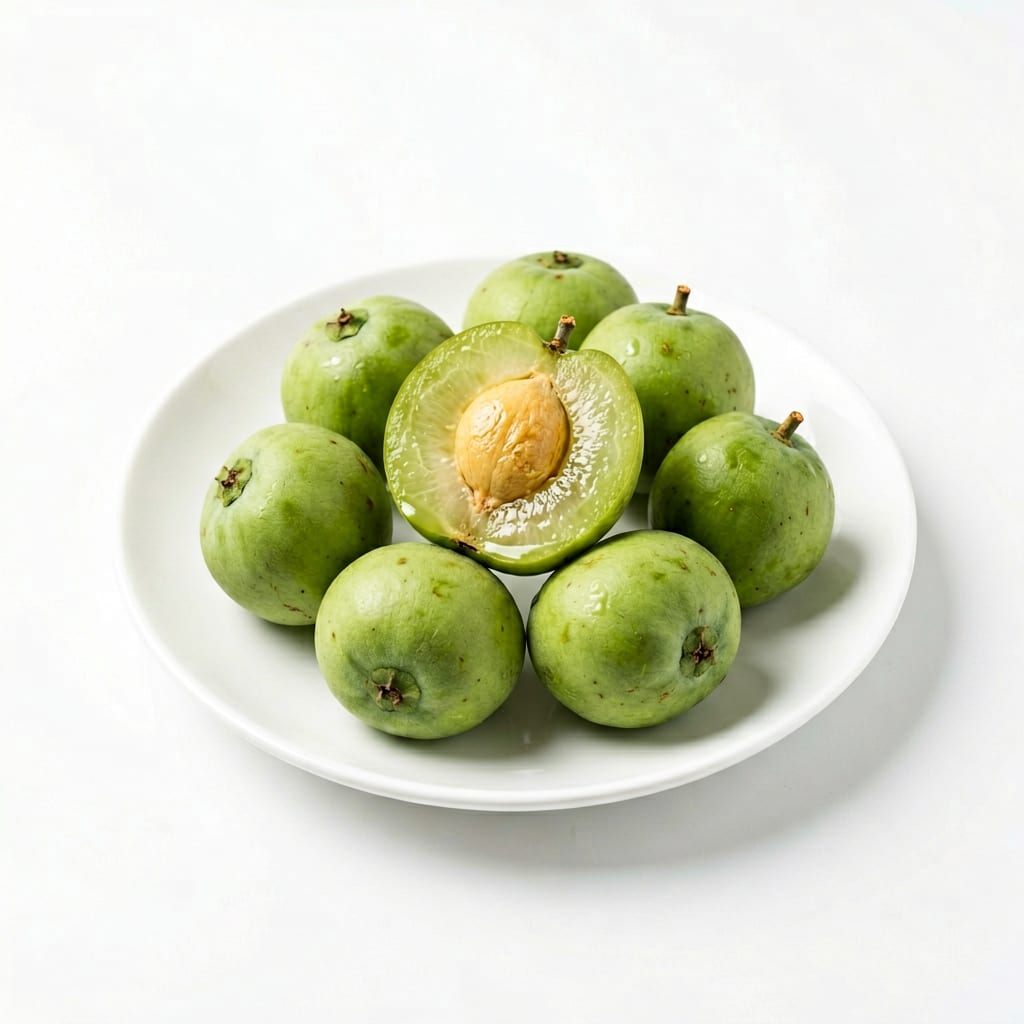
Loquat
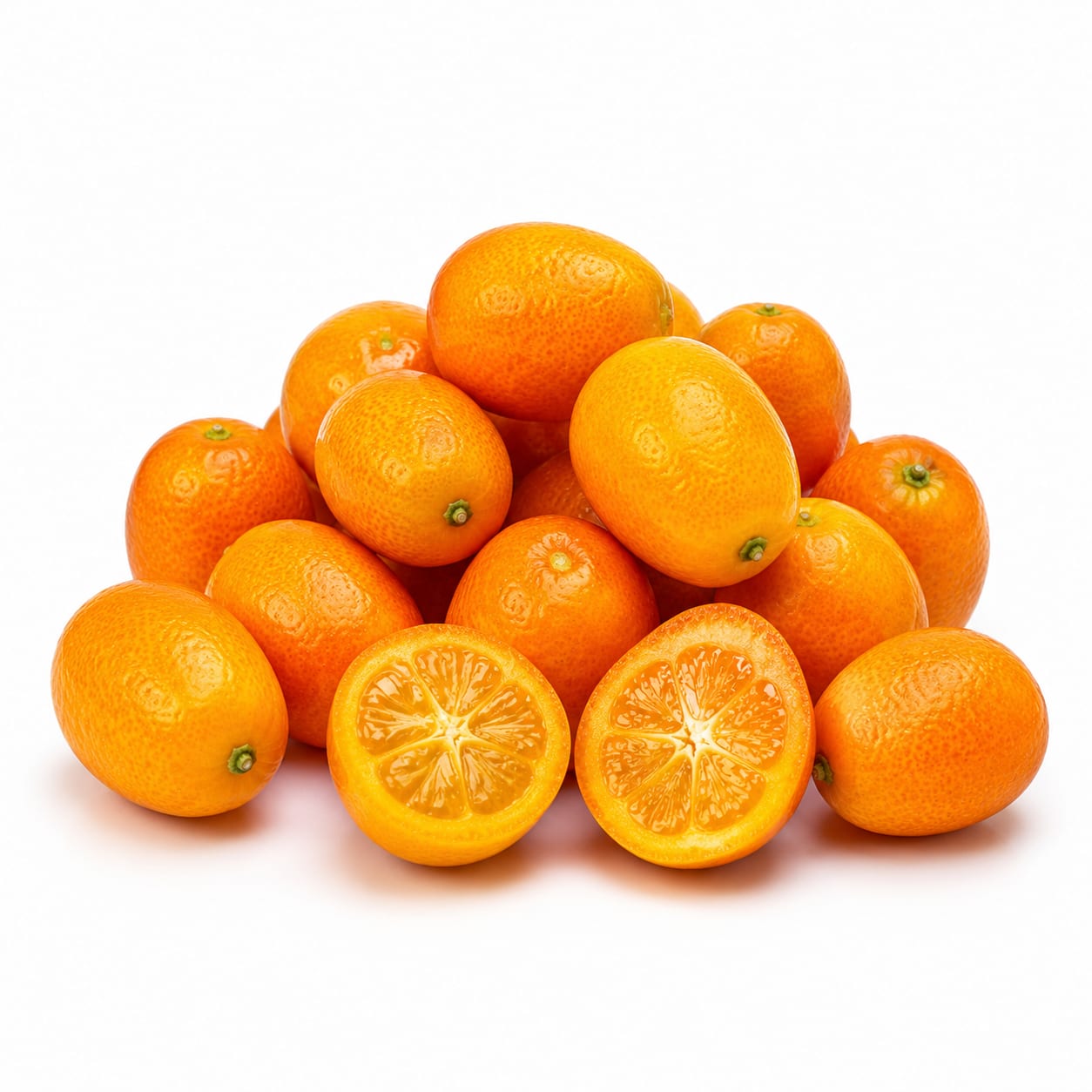
Kumquat
Kumquats edge out loquats thanks to higher vitamin C, more fiber from the edible peel, and no toxic seed risk. Loquats win on sweetness and gentle flavor but require more prep.
Kumquats score higher due to superior vitamin C content, double the fiber from the edible peel, no toxic seed risk, and grab-and-go convenience. Loquats are enjoyable and offer good vitamin A, but the seed toxicity, lower fiber, and prep required hold them back.
Sweet, mild loquats that need peeling and careful seed removal versus tart, intense kumquats you can pop whole and get more nutrients per calorie.
At a glance
Executive summary
Overall
Kumquat
Healthier
Kumquat
More practical
Kumquat
Daily use
Kumquat
Key comparison lenses
nutrient density comparison
Both are small exotic fruits with distinct nutritional profiles; users want to know which packs more health value per bite
eating convenience
Kumquats are eaten whole while loquats require peeling and seed removal, a major practical difference
sugar and glycemic impact
Loquats are noticeably sweeter, raising questions about blood sugar suitability
safety concerns
Loquat seeds contain toxic amygdalin; this is a non-obvious risk users need to know about
flavor and culinary use
These fruits have radically different taste experiences that drive preference
Best choice for
Loquat
- People who find tart fruit unpleasant
- Anyone wanting a mild, peach-like snack fruit
- Those seeking vitamin A and potassium specifically
- Home gardeners in warm climates with a loquat tree
Kumquat
- People wanting maximum nutrition per calorie
- Anyone who enjoys bold, tangy-sweet flavors
- Those seeking a high-fiber, high-vitamin-C fruit
- Busy snackers who want zero-prep fruit
Least suitable for
Loquat
- Children who might accidentally chew the toxic seeds
- Anyone wanting quick, no-prep snacking
- People watching sugar intake who prefer lower-sugar fruit
Kumquat
- People sensitive to acidic or tart flavors
- Anyone with citrus allergies
- Those who dislike eating fruit peel
Deep comparison
Dimension by dimension
Each lens scores both foods and breaks down who each option suits.
- Dimension 1 · Priority 90Kumquat
vitamin_and_mineral_density
Loquat · 62Kumquat · 81Kumquats deliver significantly more vitamin C and calcium, while loquats offer more vitamin A and potassium.
Tradeoff
Loquats are better for eye health and electrolyte balance; kumquats dominate for immune support and bone-friendly minerals.
Why it matters
Vitamin C from kumquats supports immunity and collagen production daily. Loquats' vitamin A is valuable but easier to get from other common foods like carrots.
Real-world impact
Eating a handful of kumquats covers nearly half your daily vitamin C. You would need several loquats to get meaningful vitamin A, and other foods do it more efficiently.
Loquat
- Eye health and night vision
- Electrolyte replenishment after exercise
Better for
- Vitamin C per serving is modest
- Not a standout source of any single mineral
Worse for
Kumquat
- Immune system support during cold season
- Skin health and wound healing
- Bone mineral support
Better for
- Vitamin A content is low compared to loquats
Worse for
- Dimension 2 · Priority 85Kumquat
fiber_and_digestive_health
Loquat · 55Kumquat · 80Kumquats provide roughly double the fiber because you eat the entire fruit, peel included. Loquats are decent but only the flesh contributes fiber.
Tradeoff
Kumquats' edible peel is a fiber goldmine but adds slight bitterness. Loquats are easier to digest for sensitive stomachs but offer less gut benefit.
Why it matters
Fiber from whole-fruit eating is one of the simplest ways to improve digestion, satiety, and blood sugar control. The peel makes kumquats unusually efficient here.
Real-world impact
A serving of kumquats gives you fiber comparable to a small apple. Loquats feel lighter in the stomach but leave you hungry sooner.
Loquat
- Gentle on sensitive digestive systems
- Less likely to cause bloating from fiber load
Better for
- Lower fiber means less satiety per serving
- Less prebiotic benefit for gut microbiome
Worse for
Kumquat
- Promoting regular bowel movements
- Feeling full longer between meals
- Feeding beneficial gut bacteria
Better for
- Peel fiber can be harsh if you have IBS or a sensitive gut
Worse for
- Dimension 3 · Priority 78Loquat
sugar_and_blood_sugar_impact
Loquat · 58Kumquat · 72Loquats are sweeter with more sugar per gram, but kumquats' high fiber slows sugar absorption significantly, making them gentler on blood sugar overall.
Tradeoff
Loquats taste sweeter and feel more like a treat, but the sugar hits faster. Kumquats taste tart but their fiber creates a steadier energy response.
Why it matters
Even with fruit, the fiber-to-sugar ratio determines whether you get a spike-and-crash or sustained energy. Kumquats win on this ratio despite being a citrus fruit.
Real-world impact
A handful of kumquats as an afternoon snack keeps energy stable. Loquats taste more dessert-like but may leave you reaching for another snack sooner.
Loquat
- Satisfying a sweet tooth without turning to candy
- Quick energy before light activity
Better for
- Higher sugar with less fiber to buffer absorption
- Less satiating, easier to overeat
Worse for
Kumquat
- Steady energy without afternoon crashes
- Better choice for insulin resistance or prediabetes
- More filling per calorie consumed
Better for
- Tartness may not satisfy sweet cravings
Worse for
- Dimension 4 · Priority 75Kumquat
safety_and_toxicity
Loquat · 50Kumquat · 88Loquat seeds contain amygdalin, which releases cyanide when chewed. Kumquats have no toxic parts and are entirely edible.
Tradeoff
Loquats are perfectly safe when seeds are removed, but the risk is real if children or distracted eaters accidentally chew them. Kumquats have zero hidden dangers.
Why it matters
Toxic seeds are an uncommon risk in everyday fruit. Most people do not expect it, making loquats a fruit that requires active caution rather than casual enjoyment.
Real-world impact
If you serve loquats to kids, you must cut and seed them first. Kumquats can be handed over whole without a second thought.
Loquat
- No safety advantage over kumquats
Better for
- Toxic seeds require careful removal
- Risk increases with children or distracted eating
- Swallowing seeds whole can still cause issues
Worse for
Kumquat
- Worry-free snacking for all ages
- No seed removal or special prep needed
- Safe for children to handle and eat independently
Better for
- None significant for safety
Worse for
- Dimension 5 · Priority 72Kumquat
convenience_and_prep
Loquat · 45Kumquat · 85Kumquats are rinse-and-eat. Loquats need peeling, seed removal, and careful handling to avoid the toxic pits.
Tradeoff
Loquats give a more traditional fruit-eating experience with juicy flesh, but the prep time kills them as a grab-and-go option.
Why it matters
Convenience determines whether a fruit actually gets eaten or sits on the counter. Kumquats remove all friction between wanting a snack and eating one.
Real-world impact
Kumquats work as a desk snack, car snack, or lunchbox addition. Loquats are a sit-down, plate-and-knife fruit.
Loquat
- More flesh per fruit feels substantial when prepared
Better for
- Peeling and seeding takes several minutes per fruit
- Not practical for on-the-go snacking
- Juice makes hands sticky during prep
Worse for
Kumquat
- Zero prep time, eat immediately
- Easy to pack for work or travel
- No mess, no sticky hands from peeling
Better for
- Small size means eating many to feel satisfied
Worse for
- Dimension 6 · Priority 70Kumquat
antioxidant_and_anti_inflammatory_value
Loquat · 65Kumquat · 75Both fruits offer antioxidants, but kumquats' peel contains concentrated flavonoids and essential oils that loquats lack. Loquats contribute carotenoids from their orange flesh.
Tradeoff
Kumquats give broader antioxidant coverage from peel compounds. Loquats focus more on carotenoid-type antioxidants that support eye health specifically.
Why it matters
Chronic inflammation drives most lifestyle diseases. Eating the kumquat peel gives you anti-inflammatory compounds most people never get from fruit.
Real-world impact
Regular kumquat consumption may help with inflammatory markers over time. Loquats support eye health but offer less overall anti-inflammatory breadth.
Loquat
- Carotenoid support for long-term eye health
- Gentle, low-irritation antioxidants for sensitive systems
Better for
- Narrower range of antioxidant types
- Peel is discarded, losing potential compounds
Worse for
Kumquat
- Broader spectrum of flavonoids from the peel
- Essential oils with demonstrated anti-inflammatory properties
- More diverse antioxidant protection per serving
Better for
- Peel compounds may interact with certain medications
Worse for
Timeline
Health impact over time
Short-term
Hours to days
Loquat
- Quick natural sugar energy from sweet flesh
- Mild hydration from high water content
- Possible stomach upset if seeds are accidentally chewed
Kumquat
- Immediate vitamin C boost toward daily needs
- Tart flavor stimulates saliva and digestion
- Fiber creates noticeable fullness even from a small serving
Long-term
Months to years
Loquat
- Carotenoid intake supports eye health over years
- Potassium contributes to healthy blood pressure with regular consumption
- Low overall calorie density supports weight maintenance
Kumquat
- Consistent vitamin C intake strengthens immune resilience
- Peel flavonoids may reduce chronic inflammation markers
- High fiber intake supports gut microbiome diversity long-term
- Calcium from the peel contributes modestly to bone density
Risk profile
Safety & processing
Both loquats and kumquats are whole, unprocessed fruits typically sold fresh. Neither carries meaningful additive concerns. The only processing consideration is that loquats are sometimes sold canned in syrup, which dramatically increases sugar and reduces their health profile.
Loquat
Toxic seeds (amygdalin/cyanide precursor)
highLoquat seeds contain amygdalin, which releases cyanide when chewed or crushed. Swallowing whole seeds is less dangerous but still not recommended. Always remove seeds before eating, especially when serving to children.
Pesticide residue on peel
mediumSince loquats are peeled before eating, pesticide exposure is lower than many fruits. However, if you juice them with the peel, residue becomes a concern. Choose organic when possible.
Kumquat
Pesticide residue on edible peel
mediumBecause you eat the entire kumquat including the peel, any pesticide residue goes directly into your body. Organic is strongly recommended for kumquats to avoid this exposure.
Citrus allergy cross-reactivity
lowKumquats are citrus fruits and can trigger reactions in people with citrus allergies. This is uncommon but worth knowing if you have existing citrus sensitivity.
Who wins for whom
Audience fit
Same foods, different winners depending on your goal.
children
KumquatKumquats are safer for kids because they have no toxic seeds. The tart flavor may put some children off, but the safety advantage is decisive.
daily consumption
KumquatKumquats are easier to eat daily thanks to zero prep, better nutrient density, and no seed risk. Loquats work as an occasional treat but the friction of preparation makes daily use unlikely.
diabetes
KumquatKumquats' higher fiber-to-sugar ratio creates a gentler blood sugar response. Loquats' sweetness hits faster with less fiber to slow absorption.
elderly
KumquatKumquats provide more vitamin C for immune support, more fiber for digestion, and more calcium for bones. The only downside is tartness, which some older adults may not enjoy.
muscle gain
It dependsNeither fruit is meaningful for muscle gain. Loquats offer slightly more quick carbs for energy, but both are negligible protein sources.
weight loss
KumquatKumquats have more fiber per calorie, keeping you fuller longer with fewer total calories. The tartness also naturally limits overeating.
Your move
Decision guide
Choose Loquat
- You strongly prefer sweet, mild fruit over tart flavors
- You have access to fresh loquats and enjoy the ritual of preparing fruit
- You are specifically seeking vitamin A or potassium from a fruit source
- You find citrus fruits too acidic or irritating to your mouth or stomach
Choose Kumquat
- You want maximum nutrition with zero preparation time
- You are monitoring blood sugar or trying to lose weight
- You are packing snacks for work, school, or travel
- You enjoy or can tolerate bold, tangy flavors
- You want a fruit you can safely share with children without worry
Either works if
- You simply want a serving of whole fruit and both are available
- You are rotating through different fruits for dietary variety
- Neither fruit is a staple in your diet and this is an occasional choice
Avoid both if
- You have a citrus allergy (applies to kumquats)
- You are on a very low-carb or ketogenic diet, as both contain natural sugars
- You cannot source either fruit fresh and only find canned versions in syrup
Final recommendation
Kumquats are the stronger everyday choice: more nutrients, more fiber, no toxic seeds, and no prep required. Go with loquats when you want something sweeter and more delicate, or when you have the time and patience to enjoy them properly. If you choose loquats, always remove the seeds completely before eating, especially around children.
Practical
Consumer tips
- 1
Buy organic kumquats whenever possible since you eat the entire fruit including the peel, which holds pesticide residue
- 2
Roll kumquats between your palms before eating to release the essential oils from the peel and mellow the tartness
- 3
Never chew or crush loquat seeds; remove them carefully and keep them away from children and pets
- 4
If loquats are hard to find fresh, check Asian grocery stores in spring when they are in season
- 5
Add sliced kumquats to salads for a bright, tangy crunch that replaces dressing acidity
- 6
Freeze whole kumquats for a refreshing summer snack; the texture changes but the flavor intensifies
- 7
Avoid canned loquats in heavy syrup, as the sugar content negates most of the health benefits