
Nutrition comparison
Loquat vs Grape: Which Fruit Is Healthier for You?
Compare loquat and grape nutrition, sugar content, antioxidants, and safety. Find out which fruit is better for diabetes, weight loss, and daily eating.
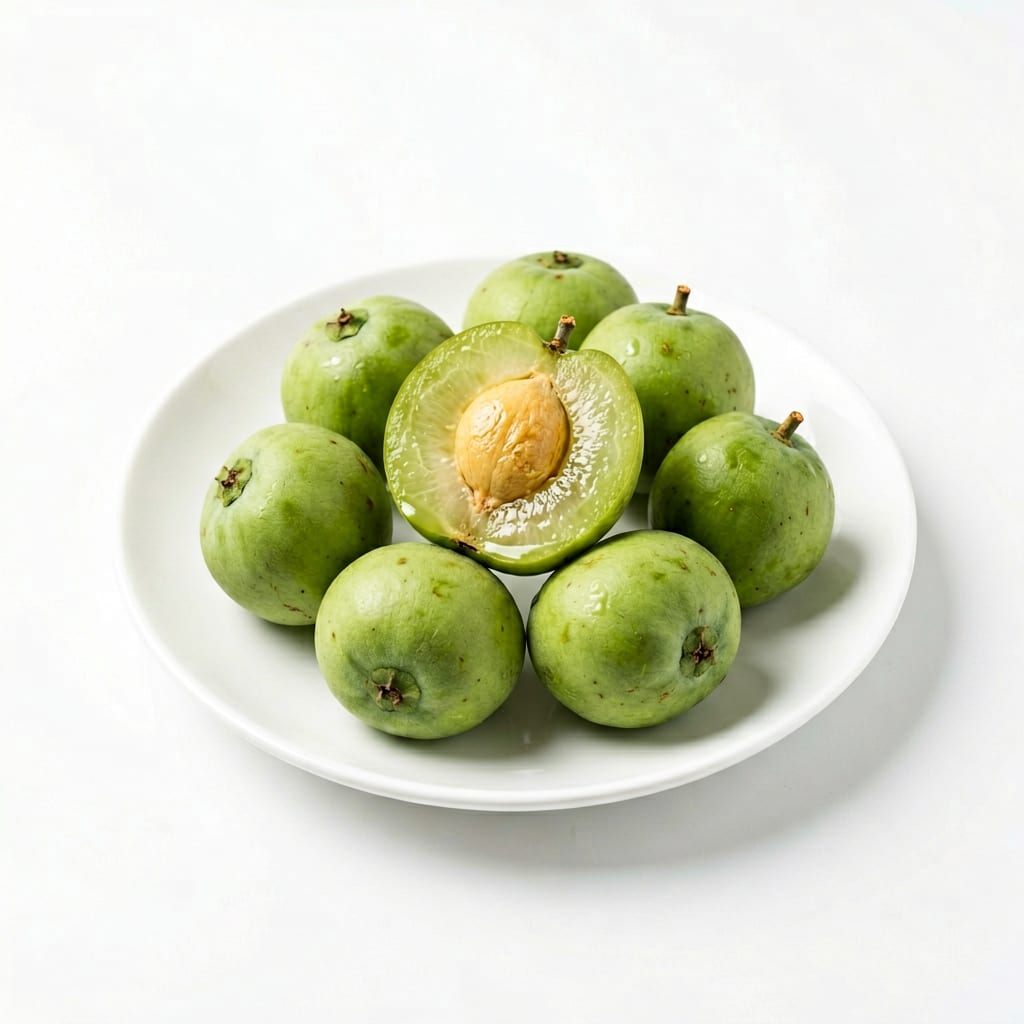
Loquat
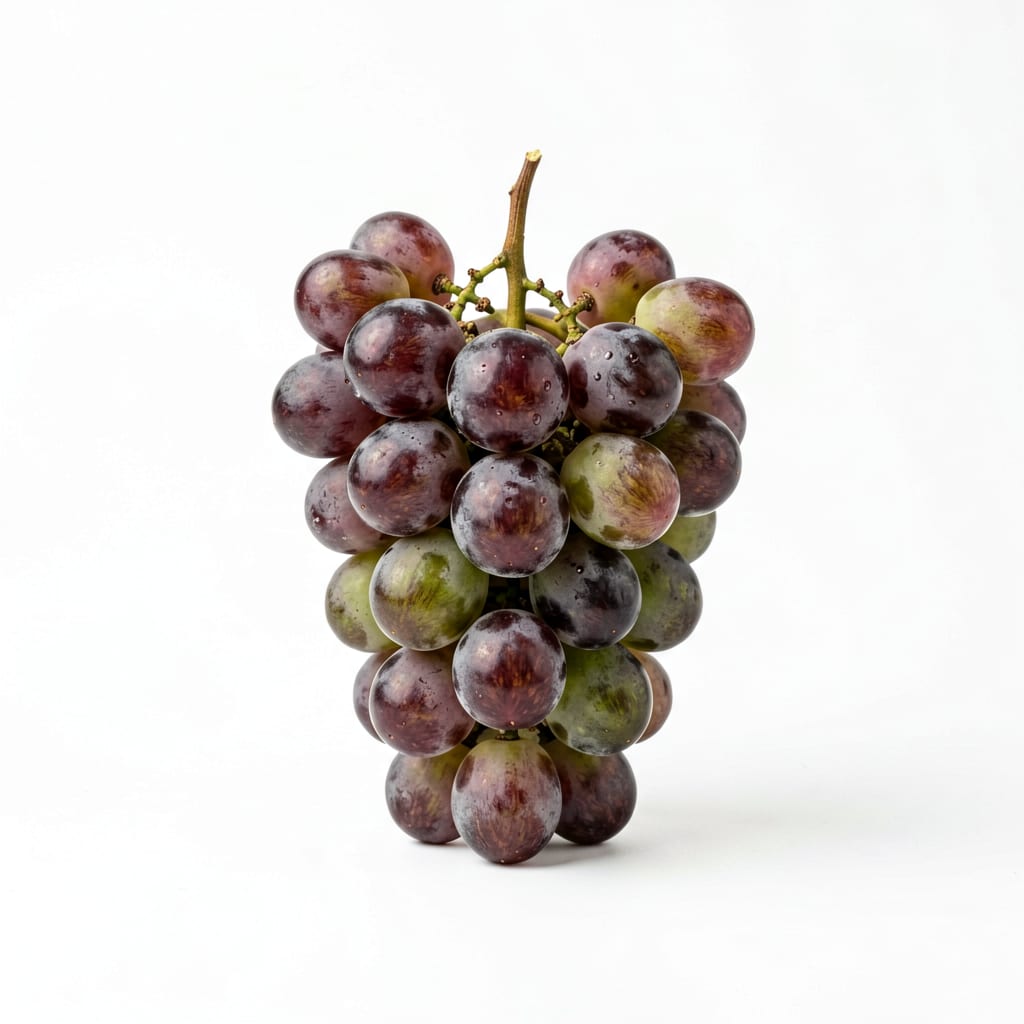
Grape
Loquats win on sugar control and unique antioxidants; grapes win on convenience, resveratrol, and everyday practicality.
Loquats score higher for nutritional density and lower sugar, but grapes score much higher for practicality and accessibility. The overall gap is moderate because daily usability matters as much as nutrient profile.
Loquats offer a lower-sugar, more nutrient-dense bite but are hard to find. Grapes are everywhere and packed with resveratrol but can spike blood sugar and are easy to overeat.
At a glance
Executive summary
Overall
It depends
Healthier
Loquat
More practical
Grape
Daily use
Grape
Key comparison lenses
sugar content and blood sugar management
Grapes are notably high in sugar for a fruit, while loquats are significantly lower, making this the most impactful health difference
antioxidant and phytonutrient profile
Grapes offer resveratrol and anthocyanins; loquats provide unique triterpenes and carotenoids — different but valuable compounds
convenience and availability
Grapes are available year-round everywhere; loquats are seasonal and harder to find, affecting real-world usability
weight management and overeating risk
Grapes are easy to overeat due to high palatability and low satiety; loquats are more self-limiting
pesticide and safety concerns
Grapes frequently appear on pesticide concern lists; loquats have seed toxicity risks that users should know about
Best choice for
Loquat
- People managing diabetes or insulin resistance
- Anyone watching sugar intake who still wants fruit
- Those seeking novel anti-inflammatory compounds
- People trying to lose weight without giving up sweets
Grape
- Athletes needing quick natural energy
- Anyone wanting heart-protective resveratrol daily
- Busy people who need grab-and-go fruit
- Families wanting affordable, kid-friendly fruit year-round
Least suitable for
Loquat
- People who need readily available fruit options
- Anyone unfamiliar with proper seed avoidance
- Those living outside subtropical growing regions
- People wanting bulk fruit on a budget
Grape
- People with strict blood sugar management needs
- Anyone prone to mindless snacking on sweet foods
- Those avoiding high-pesticide produce without organic access
- People on very low-carb or keto diets
Deep comparison
Dimension by dimension
Each lens scores both foods and breaks down who each option suits.
- Dimension 1 · Priority 92Loquat
sugar_and_blood_sugar_impact
Loquat · 85Grape · 45Loquats contain roughly half the sugar of grapes per serving, making them far gentler on blood sugar.
Tradeoff
Grapes provide faster energy for athletes but risk blood sugar spikes and cravings in sedentary people.
Why it matters
Sugar differences between fruits seem small until you eat them daily. Over a year, consistently choosing lower-sugar fruit meaningfully reduces metabolic strain.
Real-world impact
A bowl of grapes can deliver 23g of sugar before you feel full. Loquats satisfy with roughly 10g per cup, making portion control almost automatic.
Loquat
- Steady energy without afternoon crashes
- Diabetes-friendly fruit option
- Less hunger rebound after eating
Better for
- Not enough quick carbs for intense exercise fueling
Worse for
Grape
- Quick pre-workout fuel
- Fast carbohydrate replenishment after exercise
- Immediate energy when feeling depleted
Better for
- Blood sugar spikes in insulin-resistant individuals
- Triggers cravings for more sweet foods
- Easy to accidentally overconsume sugar
Worse for
- Dimension 2 · Priority 85It depends
antioxidant_and_phytonutrient_diversity
Loquat · 78Grape · 80Grapes deliver resveratrol and anthocyanins; loquats offer unique triterpenes and carotenoids. Both are valuable but in different ways.
Tradeoff
Grapes have stronger evidence for cardiovascular benefits. Loquats have emerging research on anti-inflammatory and respiratory benefits that grapes cannot match.
Why it matters
Eating the same antioxidants daily has diminishing returns. Rotating between different phytonutrient profiles gives broader protection.
Real-world impact
Red grapes are your heart health ally. Loquats are your anti-inflammatory wildcard. Both deserve a spot, just not necessarily at the same time.
Loquat
- Unique triterpenes not found in common fruits
- Carotenoid content supports eye and skin health
- Traditional use for respiratory and digestive support
Better for
- Less clinical research on specific health outcomes
Worse for
Grape
- Resveratrol with strong cardiovascular evidence
- Anthocyanins supporting vascular function
- Polyphenol content extensively studied in humans
Better for
- Narrower phytonutrient range compared to less common fruits
Worse for
- Dimension 3 · Priority 80Grape
convenience_and_availability
Loquat · 30Grape · 92Grapes are available everywhere year-round. Loquats have a short season and limited geographic availability.
Tradeoff
You can act on the grape recommendation today. Loquats may require farmers markets, specialty stores, or growing your own tree.
Why it matters
The healthiest food only works if you can actually get it. Availability often determines what people eat more than nutrition facts.
Real-world impact
Grapes are in every grocery store always. Loquats might require a trip to an Asian market during spring — if you even have one nearby.
Loquat
- Specialty appeal for adventurous eaters
- Seasonal eating alignment
Better for
- Very limited seasonal window
- Hard to find outside subtropical regions
- Often more expensive per serving
- Short shelf life once ripe
Worse for
Grape
- Year-round grocery availability
- No preparation needed beyond washing
- Easy to pack for work, school, or travel
- Consistent pricing and supply
Better for
- None significant for this dimension
Worse for
- Dimension 4 · Priority 78Loquat
satiety_and_overeating_risk
Loquat · 75Grape · 40Loquats are more self-limiting due to their tartness and large pits. Grapes are notoriously easy to overeat.
Tradeoff
Grapes taste so good you may eat too many. Loquats naturally slow you down with their seed-to-flesh ratio and milder sweetness.
Why it matters
Fruit is healthy until you eat three cups of grapes mindlessly and consume 70g of sugar. Satiety signals matter more than people think.
Real-world impact
Most people stop after 5-6 loquats. Few people stop before finishing an entire bag of grapes.
Loquat
- Built-in portion control from large seeds
- Tartness signals satisfaction naturally
- Lower calorie density per serving
Better for
- Some people find the tartness less enjoyable
Worse for
Grape
- Higher palatability if you struggle to eat enough fruit
Better for
- Very easy to overeat without noticing
- High sugar load accumulates quickly
- Low fiber-to-sugar ratio fails to trigger fullness
Worse for
- Dimension 5 · Priority 72Loquat
pesticide_and_safety_concerns
Loquat · 70Grape · 45Grapes are consistently on the EWG Dirty Dozen list for pesticide residues. Loquats have seed toxicity but lower pesticide concerns.
Tradeoff
Grape pesticide risk is manageable with organic choices. Loquat seed risk is manageable by simply not eating the seeds.
Why it matters
Chronic low-dose pesticide exposure adds up. Knowing which fruits carry more residue helps you prioritize organic spending.
Real-world impact
If you eat grapes daily, budget for organic. Loquats are less pesticide-heavy but never chew or swallow the seeds — they release cyanogenic compounds.
Loquat
- Lower pesticide residue risk
- Less likely to appear on contamination watch lists
Better for
- Seeds contain amygdalin — toxic if crushed and consumed in quantity
Worse for
Grape
- Well-established safety data from decades of consumption
Better for
- Frequent high pesticide residue detections
- Often requires organic purchase to mitigate risk
- Thin skin absorbs and retains sprays easily
Worse for
Timeline
Health impact over time
Short-term
Hours to days
Loquat
- Mild blood sugar stability after eating
- Slight digestive support from fiber and traditional compounds
- Tart flavor can feel refreshing and appetite-suppressing
Grape
- Quick energy boost from natural sugars
- Noticeable blood sugar rise, especially on empty stomach
- Hydrating due to high water content
Long-term
Months to years
Loquat
- Lower cumulative sugar exposure supports metabolic health
- Unique triterpenes may reduce chronic inflammation markers
- Carotenoid intake supports long-term eye and skin health
Grape
- Regular resveratrol intake supports cardiovascular protection
- Consistent polyphenol exposure benefits vascular elasticity
- High daily sugar from overconsumption may undermine metabolic health
Risk profile
Safety & processing
Both are whole, unprocessed fruits eaten as nature intended. Neither contains additives when fresh. The main concern is agricultural chemicals on grapes, not processing.
Loquat
Cyanogenic seed toxicity
mediumLoquat seeds contain amygdalin, which releases cyanide when crushed. Accidentally swallowing a whole seed is low risk, but chewing multiple seeds can cause serious illness. Keep away from children and pets.
Limited food safety data
lowAs a less commercially dominant fruit, loquats have less rigorous contamination monitoring compared to major crops.
Grape
Pesticide residue exposure
highGrapes consistently rank among the top 12 most pesticide-contaminated fruits. Non-organic grapes often carry multiple residue types. Washing helps but does not eliminate all exposure.
Choking hazard for young children
mediumWhole grapes are a documented choking risk for children under 4. Always cut grapes lengthwise before serving to young kids.
Who wins for whom
Audience fit
Same foods, different winners depending on your goal.
children
GrapeGrapes are sweeter, more familiar, and more kid-accepted — but must be cut lengthwise for safety. Loquat seeds pose a toxicity risk if children chew them.
daily consumption
GrapeGrapes are available and affordable year-round, making daily consumption realistic. Loquats cannot be sourced consistently enough for daily habits.
diabetes
LoquatRoughly half the sugar per serving and a gentler glycemic impact make loquats the safer choice for blood sugar management.
elderly
LoquatLower sugar and higher carotenoid content support metabolic and eye health in aging. The tartness may also stimulate appetite in older adults.
muscle gain
GrapeGrapes provide faster carbohydrates that support glycogen replenishment after training. Loquats do not offer enough quick energy for this purpose.
weight loss
LoquatLower sugar, lower calorie density, and built-in portion control make loquats more weight-loss friendly. Grapes are easy to overconsume.
Your move
Decision guide
Choose Loquat
- You are managing blood sugar, insulin resistance, or diabetes
- You want a lower-sugar fruit that still feels like a treat
- You have access to fresh loquats in season
- You tend to overeat sweet fruits and need something self-limiting
- You are curious about anti-inflammatory compounds not found in common fruits
Choose Grape
- You need quick natural energy before or after exercise
- You want reliable year-round fruit availability
- Heart health is your top priority and you value resveratrol
- You are buying for a family that prefers familiar, sweet fruit
- You can afford organic grapes and want a convenient daily fruit
Either works if
- You simply want more fruit variety in your diet
- You have no specific health conditions driving your choice
- You enjoy rotating seasonal fruits throughout the year
Avoid both if
- You are on a strict very-low-carb or ketogenic diet
- You have a severe fructose intolerance
- You need high-protein snacks and fruit does not fit your macro targets
Final recommendation
Eat loquats when you can find them for their unique nutrients and lower sugar. Eat grapes the rest of the time for convenience and resveratrol — but buy organic and watch your portions. The best approach is seasonal rotation, not either-or loyalty.
Practical
Consumer tips
- 1
Always discard loquat seeds — never chew or blend them into smoothies
- 2
If buying grapes non-organic, wash thoroughly with a baking soda soak to reduce surface pesticide residue
- 3
Freeze grapes for a naturally sweet, long-lasting treat that slows down eating speed
- 4
Look for loquats at Asian grocery stores and farmers markets in late spring
- 5
Choose red or purple grapes over green for higher resveratrol and anthocyanin content
- 6
If loquats are unavailable, other low-sugar fruit alternatives include raspberries, kiwi, and guava
- 7
Limit grape portions to about 1 cup per sitting to keep sugar intake reasonable