
Nutrition comparison
Loquat vs Banana: Which Fruit Is Better for Blood Sugar, Weight Loss, and Daily Snacking?
Compare loquat and banana on sugar content, calories, safety, and convenience. Learn which fruit fits your health goals and when each one is the smarter choice.
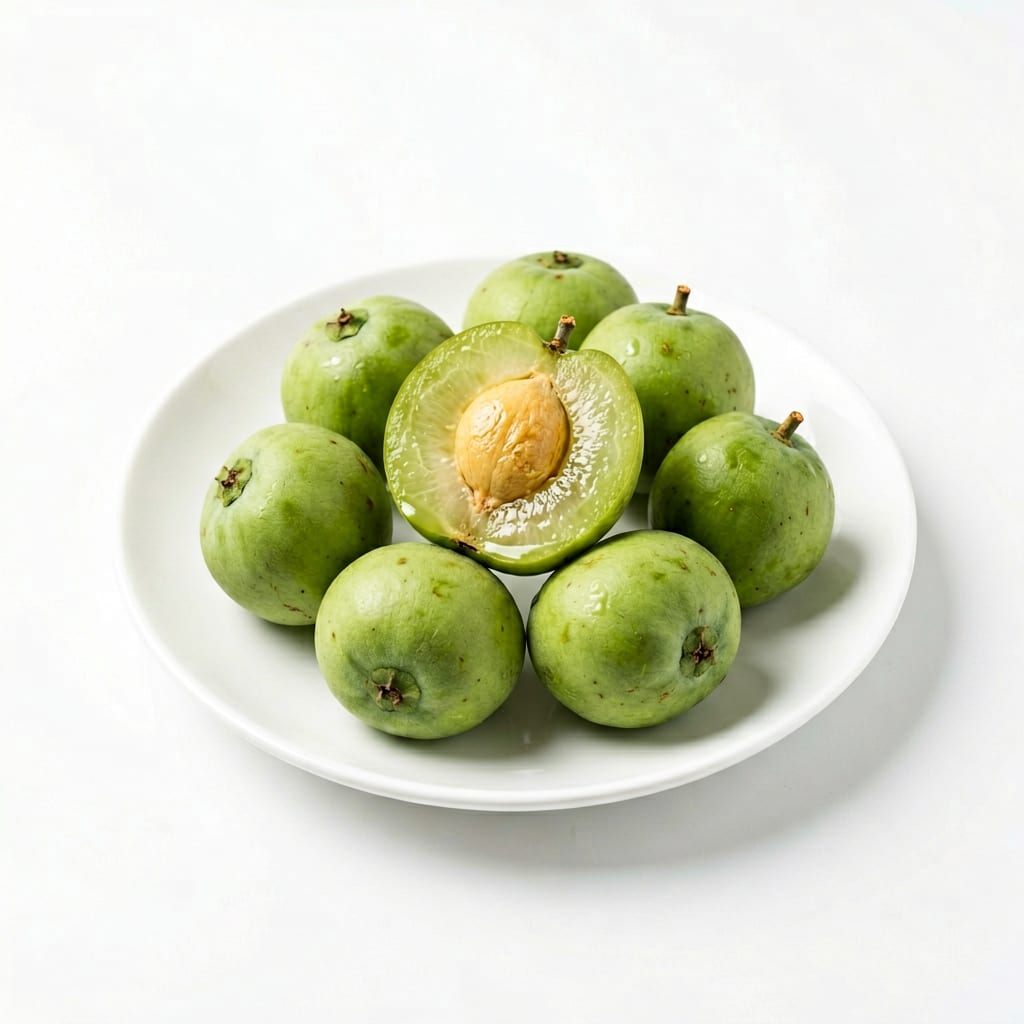
Loquat
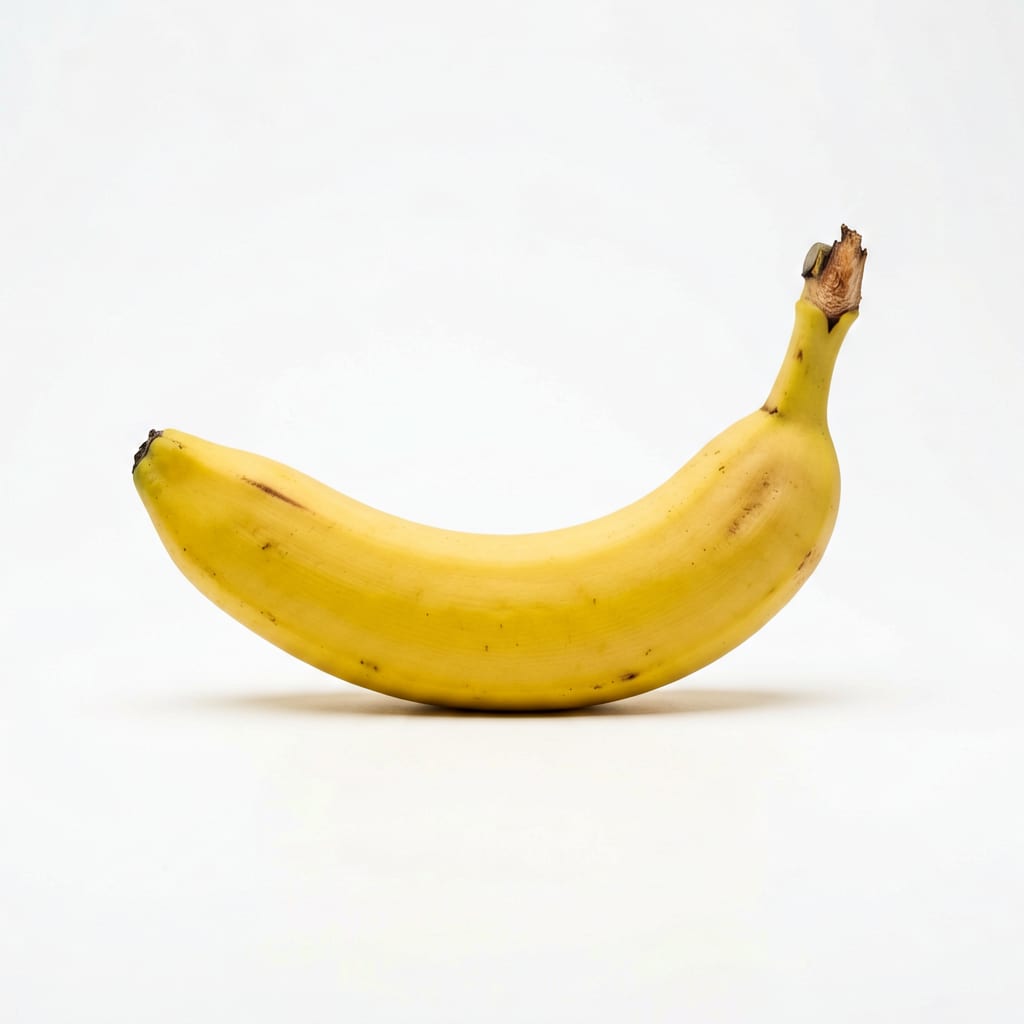
Banana
Banana wins on convenience and energy; loquat wins on blood sugar control and calorie density. Your lifestyle determines the winner.
Banana edges ahead slightly due to overwhelming practicality and broader nutrient density, but loquat's lower sugar and unique antioxidants keep it competitive for specific health goals.
Banana gives you quick, portable fuel but with a sugar spike. Loquat offers lighter, steadier nutrition but requires effort to find and prepare safely.
At a glance
Executive summary
Overall
It depends
Healthier
Loquat
More practical
Banana
Daily use
Banana
Key comparison lenses
blood sugar management
Bananas are notably higher in sugar and glycemic impact, making this a critical differentiator for many health-conscious users
everyday convenience and availability
Bananas are ubiquitous and year-round; loquats are seasonal and harder to find, heavily influencing real-world choice
weight management and calorie control
Loquats are significantly lower in calories per serving, appealing to those monitoring intake
safety and toxicity awareness
Loquat seeds contain cyanogenic compounds, an unusual safety concern for a fruit that users must know about
antioxidant and micronutrient diversity
Loquats offer unique antioxidants like chlorogenic acid that bananas lack, while bananas excel in potassium and B6
Best choice for
Loquat
- People managing blood sugar or insulin resistance
- Those counting calories who want a sweet treat without the load
- Anyone seeking unique antioxidants not found in common fruits
- Gardeners or foragers with access to fresh loquat trees
Banana
- Athletes needing quick pre-workout energy
- Busy people wanting an affordable, no-prep snack
- Those needing potassium support for cramps or blood pressure
- Families wanting a kid-friendly, widely available fruit
Least suitable for
Loquat
- Young children who might accidentally chew the toxic seeds
- Anyone without reliable access to seasonal specialty produce
- People wanting a filling, energy-dense snack
Banana
- People with poorly controlled diabetes or severe insulin resistance
- Those on strict low-carb or keto diets
- Anyone sensitive to blood sugar crashes
Deep comparison
Dimension by dimension
Each lens scores both foods and breaks down who each option suits.
- Dimension 1 · Priority 92Loquat
Blood Sugar Stability
Loquat · 82Banana · 48Loquats have roughly half the sugar of bananas and a lower glycemic impact, making them far gentler on blood sugar.
Tradeoff
You sacrifice the quick energy burst bananas provide, but avoid the crash that can follow.
Why it matters
Steady blood sugar means fewer cravings, better focus, and less fatigue between meals.
Real-world impact
A loquat afternoon snack won't leave you reaching for coffee 45 minutes later. A banana might.
Loquat
- People with prediabetes or insulin resistance
- Those prone to afternoon energy crashes
- Low-carb dieters wanting fruit
Better for
- Situations requiring immediate energy
Worse for
Banana
- Endurance athletes mid-run
- Anyone needing rapid carbohydrate fuel
Better for
- Sedentary evenings when sugar sits unused
- Diabetic meal planning
Worse for
- Dimension 2 · Priority 88Banana
Convenience and Availability
Loquat · 30Banana · 95Bananas are available everywhere, year-round, and need zero prep. Loquats are seasonal, regional, and require careful seed removal.
Tradeoff
Banana's convenience is unmatched, but you miss the diverse phytonutrients that rarer fruits offer.
Why it matters
The best fruit is the one you actually eat. Accessibility drives consistency more than nutrition labels.
Real-world impact
You can grab a banana at any gas station. Finding fresh loquats might require a farmers market or your own tree.
Loquat
- People who enjoy seasonal eating and variety
- Home gardeners with loquat trees
Better for
- Travel or on-the-go snacking
- Rural areas without specialty markets
Worse for
Banana
- Commuters needing grab-and-go fuel
- Families shopping at standard grocery stores
- Meal preppers wanting reliable weekly staples
Better for
- Those bored of eating the same fruit daily
Worse for
- Dimension 3 · Priority 85Loquat
Calorie Density and Weight Management
Loquat · 86Banana · 58Loquats contain roughly half the calories per 100g compared to bananas, making them a lighter option for weight-conscious eating.
Tradeoff
Fewer calories also means less satiety. A banana will keep you fuller longer than a handful of loquats.
Why it matters
Volume eaters benefit from low-calorie fruits that let them eat more without overshooting intake.
Real-world impact
You could eat twice the volume of loquats for the same calories as a banana, but you might still feel hungry sooner.
Loquat
- Volume eaters who want large portions
- Calorie counters seeking sweet satisfaction
- Intermittent fasters breaking a fast gently
Better for
- Those needing a snack that actually fills them up
Worse for
Banana
- People who need one snack to hold them over for hours
- Underweight individuals needing easy calories
Better for
- Grazers who eat without tracking portions
Worse for
- Dimension 4 · Priority 80Banana
Safety and Toxicity
Loquat · 55Banana · 90Loquat seeds contain amygdalin, which releases cyanide when crushed or chewed. Banana has no meaningful toxicity risk.
Tradeoff
Loquat flesh is perfectly safe, but the seed danger requires awareness, especially around children.
Why it matters
One safety incident erases all nutritional benefits. Awareness prevents harm.
Real-world impact
A toddler chewing loquat seeds could cause real harm. A banana is worry-free in any hands.
Loquat
- Adults who prepare fruit carefully and discard seeds properly
Better for
- Any setting where seed removal cannot be guaranteed
Worse for
Banana
- Households with young children
- Distracted eaters who might accidentally bite seeds
- School lunches and unsupervised snacking
Better for
- Dimension 5 · Priority 72Loquat
Micronutrient and Antioxidant Diversity
Loquat · 78Banana · 70Loquats offer unique compounds like chlorogenic acid and triterpenes with anti-inflammatory potential. Bananas dominate in potassium and B6.
Tradeoff
Loquats provide rarer antioxidants but in smaller absolute quantities. Bananas deliver proven electrolytes in meaningful doses.
Why it matters
Diverse plant compounds support long-term health in ways single nutrients cannot replicate.
Real-world impact
Eating loquats adds variety to your antioxidant intake. Eating bananas reliably prevents cramps and supports nerve function.
Loquat
- People already eating bananas who want phytochemical diversity
- Those interested in anti-inflammatory eating patterns
Better for
- Situations where proven electrolyte replenishment matters most
Worse for
Banana
- Athletes losing electrolytes through sweat
- People on diuretics needing potassium replenishment
- Pregnant women needing B6 support
Better for
- Those wanting to broaden their antioxidant spectrum beyond common fruits
Worse for
- Dimension 6 · Priority 75Banana
Satiety and Fullness
Loquat · 50Banana · 80Bananas are denser and more filling per fruit. Loquats are light and watery, leaving hunger returning faster.
Tradeoff
Fullness from bananas comes with more calories. Loquats let you eat light but you may need to pair them with protein or fat.
Why it matters
A snack that doesn't satisfy leads to more snacking, often negating the original calorie savings.
Real-world impact
A banana at 3pm can bridge you to dinner. Loquats alone at 3pm might have you raiding the pantry by 4pm.
Loquat
- People who prefer grazing light throughout the day
Better for
- Anyone trying to reduce snacking frequency
Worse for
Banana
- Those who need one snack to last 2-3 hours
- Manual laborers needing sustained fuel between meals
Better for
- People who find dense fruit uncomfortable before exercise
Worse for
Timeline
Health impact over time
Short-term
Hours to days
Loquat
- Gentle blood sugar response without spikes
- Light, refreshing feeling without heaviness
- Risk of cyanide exposure if seeds are chewed or blended
Banana
- Quick energy boost within 15-20 minutes
- Noticeable fullness that can replace a small meal
- Possible blood sugar dip 45-60 minutes after eating on an empty stomach
Long-term
Months to years
Loquat
- Anti-inflammatory benefits from unique polyphenols with regular consumption
- Lower cumulative sugar exposure supporting metabolic health
- Minimal long-term risk when seeds are consistently avoided
Banana
- Consistent potassium intake supporting cardiovascular health and blood pressure
- B6 intake supporting brain function and mood regulation
- Higher cumulative sugar load if eaten multiple times daily without activity
Risk profile
Safety & processing
Both fruits are whole, unprocessed foods as typically consumed. Neither carries additive concerns. The main distinction is that bananas are often commercially ripened with ethylene gas, while loquats are typically tree-ripened and sold closer to their natural state.
Loquat
Cyanogenic glycosides in seeds
highLoquat seeds contain amygdalin, which metabolizes to cyanide. Crushing, chewing, or blending seeds is dangerous. Always discard seeds completely and keep away from children.
Pesticide residue on skin
mediumAs a lesser-consumed fruit, loquat pesticide practices are less standardized. Washing thoroughly or choosing organic reduces exposure.
Banana
Pesticide residue
lowBananas have thick peels that protect the edible flesh. Conventional bananas rank low for pesticide concern in the edible portion.
Latex-fruit syndrome cross-reaction
lowPeople with latex allergies may react to banana proteins. This is uncommon but worth knowing if you have latex sensitivity.
Who wins for whom
Audience fit
Same foods, different winners depending on your goal.
children
BananaBananas are choking-hazard-free, widely accepted by kids, and require no seed removal. Loquat seeds pose a real toxicity risk for young children.
daily consumption
BananaYear-round availability, consistent quality, and ease of use make bananas the more sustainable daily habit for most people.
diabetes
LoquatSignificantly less sugar and a gentler glycemic response make loquats safer for blood sugar management, though portion control still matters.
elderly
BananaSofter texture, reliable potassium for blood pressure, and no safety concerns make bananas more practical for older adults.
muscle gain
BananaMore calories, more carbs for glycogen replenishment, and higher potassium for muscle recovery make bananas the better training companion.
weight loss
LoquatHalf the calories per gram and lower sugar make loquats easier to fit into a calorie deficit, though you may need to pair them with protein for lasting satisfaction.
Your move
Decision guide
Choose Loquat
- You are managing blood sugar, insulin resistance, or prediabetes
- You want a low-calorie sweet snack and can pair it with nuts or cheese for fullness
- You have access to fresh loquats and enjoy seasonal eating
- You are comfortable carefully removing and discarding all seeds
Choose Banana
- You need quick, reliable energy before or after exercise
- You want an affordable, available-anywhere daily fruit
- You are feeding children who need safe, easy-to-eat snacks
- You need potassium support for cramps, blood pressure, or recovery
Either works if
- You simply want whole fruit as part of a balanced diet
- You rotate fruits weekly for nutrient diversity
- You are healthy, active, and have no blood sugar concerns
Avoid both if
- You are on a strict ketogenic diet keeping carbs under 20g daily
- You have a rare allergy to either fruit
Final recommendation
Eat bananas for daily reliability and energy. Eat loquats when available for blood sugar control and antioxidant variety. Never eat loquat seeds. The best approach is rotating both based on season and your body's needs that day.
Practical
Consumer tips
- 1
Never blend whole loquats into smoothies. Always remove seeds first, as blending releases amygdalin into the drink.
- 2
Choose slightly underripe bananas if you want less sugar impact. The resistant starch in greener bananas feeds gut bacteria and slows absorption.
- 3
Wash loquats thoroughly, especially if non-organic, as their delicate skin can hold pesticide residue.
- 4
Pair loquats with a handful of almonds or a slice of cheese to make the snack actually filling.
- 5
Freeze overripe bananas for smoothies instead of tossing them. Their sweetness intensifies, letting you skip added sugar.
- 6
If you have a loquat tree, enjoy the fruit fresh during its brief season rather than trying to store it. Loquats deteriorate quickly after picking.