
Nutrition comparison
Loquat vs Apricot: Nutrition, Calories, and Health Benefits Compared
Comparing loquat vs apricot? Discover the nutritional differences, health benefits, and which low-calorie fruit is better for your diet.
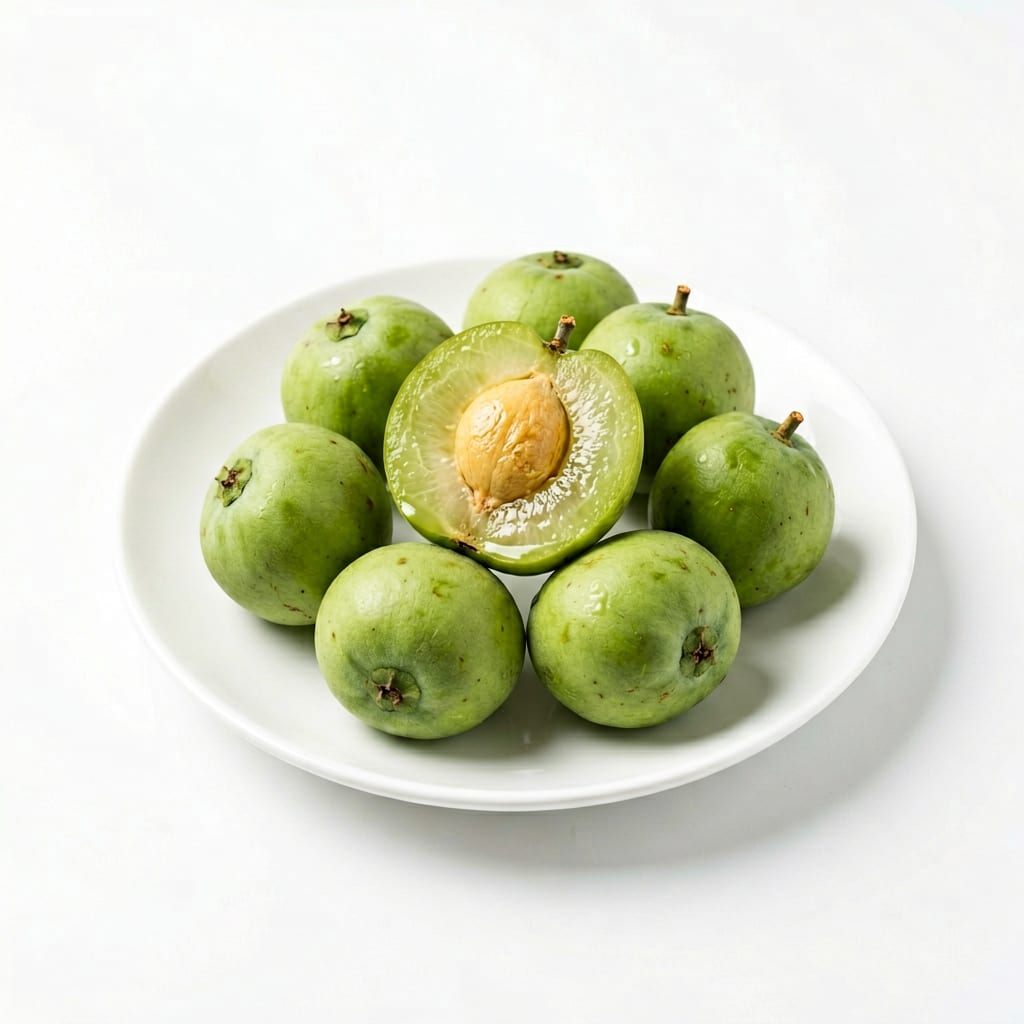
Loquat

Apricot
Loquats are a lighter, juicier low-calorie treat, while apricots pack more vitamin A and potassium per bite and are far easier to find.
Apricots score higher due to superior micronutrient density and year-round availability, though loquats remain an excellent low-calorie alternative when in season.
Widespread availability and higher nutrient density versus lower calories and a unique tart-floral flavor.
At a glance
Executive summary
Overall
It depends
Healthier
Apricot
More practical
Apricot
Daily use
Apricot
Key comparison lenses
Micronutrient density comparison
Both fruits look similar but differ significantly in vitamin A and potassium content.
Weight management and calorie control
Loquats are exceptionally low in calories and high in water, making them a volume-eating favorite.
Availability and seasonal practicality
Apricots are a grocery store staple, while loquats are highly seasonal and harder to source.
Blood sugar impact
Users often compare similar-looking fruits to determine which is safer for glucose management.
Best choice for
Loquat
- Low-calorie volume snacking
- Hydrating summer refreshment
- Unique tart and floral flavor lovers
Apricot
- Boosting vitamin A and potassium intake
- Reliable everyday fruit snacking
- Convenient meal prep and grocery shopping
Least suitable for
Loquat
- People without access to specialty or farmers markets
- Those needing a calorie-dense energy source
Apricot
- Individuals strictly limiting dietary sugar
- People with stone fruit allergies
Deep comparison
Dimension by dimension
Each lens scores both foods and breaks down who each option suits.
- Dimension 1 · Priority 90Apricot
Nutrient Density
Loquat · 60Apricot · 88Apricots deliver significantly more vitamin A and potassium than loquats.
Tradeoff
You get more eye-health and blood-pressure supporting nutrients per calorie with apricots, but loquats offer a lighter eating experience.
Why it matters
Vitamin A is crucial for vision and immunity, while potassium helps regulate blood pressure and prevent muscle cramps.
Real-world impact
Eating apricots helps you hit your daily vitamin A targets much faster, keeping your eyes sharp and immune system strong.
Loquat
- Those who already get plenty of vitamin A from other sources
Better for
- Relying on them as a primary source of vitamin A
Worse for
Apricot
- Anyone needing a natural boost in eye health nutrients
- Active individuals needing potassium for muscle recovery
Better for
- Those avoiding higher sugar fruits
Worse for
- Dimension 2 · Priority 85Loquat
Weight Management & Satiety
Loquat · 88Apricot · 75Loquats are remarkably low in calories and high in water, making them a volume-eating favorite.
Tradeoff
Loquats let you eat a larger volume for fewer calories, but apricats provide slightly more fiber to keep you full longer.
Why it matters
High-water, low-calorie fruits let you satisfy the urge to snack generously without overconsuming calories.
Real-world impact
You can eat a generous bowl of loquats for the same calorie cost as just a couple of apricots.
Loquat
- Volume eaters watching their calorie intake
- Hot summer days when you want a hydrating, light snack
Better for
- Times when you need a calorie-dense energy boost
Worse for
Apricot
- Those who need a small snack to hold them over between meals
Better for
- Mindless snacking where calories can add up quickly
Worse for
- Dimension 3 · Priority 80Apricot
Availability & Practicality
Loquat · 35Apricot · 92Apricots are available in almost any grocery store year-round; loquats are highly seasonal and niche.
Tradeoff
Loquats offer a fun, seasonal eating experience, but apricots are a reliable staple you can count on any week.
Why it matters
Consistency matters for long-term healthy habits. You can only eat what you can actually find.
Real-world impact
Apricots are an easy grab-and-go snack anywhere; loquats require a specialty store or farmers market visit.
Loquat
- Enjoying seasonal, local produce when available
Better for
- Relying on them as a dietary staple
- Living in areas without specialty markets
Worse for
Apricot
- Consistent weekly meal prepping
- Convenient grocery runs anywhere
Better for
- Culinary adventures seeking unique flavors
Worse for
- Dimension 4 · Priority 70It depends
Blood Sugar Impact
Loquat · 80Apricot · 75Both have low glycemic loads, though loquats contain slightly less sugar per serving.
Tradeoff
Loquats have a milder sugar impact, but both are safe for moderate consumption by most people.
Why it matters
Stable blood sugar prevents afternoon energy crashes and cravings.
Real-world impact
Both are safe afternoon snacks that won't cause a sugar spike, but portion control matters slightly more with apricots.
Loquat
- People closely monitoring daily sugar grams
- Diabetics looking for the lowest sugar stone fruit
Better for
- Those wanting a sweet treat to satisfy a sugar craving
Worse for
Apricot
- Pre-workout energy needing slightly more carbs
Better for
- Very insulin-resistant individuals eating large portions
Worse for
Timeline
Health impact over time
Short-term
Hours to days
Loquat
- Quick hydration from high water content
- Light, non-heavy feeling after eating
Apricot
- Quick natural energy from slightly higher sugars
- Satisfying a sweet craving with whole food
Long-term
Months to years
Loquat
- Supports weight maintenance via effortless low-calorie snacking
- Antioxidant benefits from unique phenolic compounds
Apricot
- Stronger eye health support from high beta-carotene
- Better blood pressure regulation from potassium
Risk profile
Safety & processing
Both are whole, raw fruits with no additives when eaten fresh. However, dried apricots often contain sulfites, which can be a concern for sensitive individuals.
Loquat
Toxic seeds
mediumLoquat seeds contain amygdalin, which releases cyanide when crushed or chewed; avoid eating the pits.
Pesticide residue
lowAs with all fruit, washing thoroughly is recommended to remove surface residues.
Apricot
Toxic seeds
mediumApricot kernels contain amygdalin; eating large amounts of the pits is dangerous and can cause cyanide poisoning.
Sulfites in dried versions
mediumDried apricots are often treated with sulfites to preserve color, which can trigger asthma in sensitive individuals.
Who wins for whom
Audience fit
Same foods, different winners depending on your goal.
children
ApricotApricots are sweeter, easier to find, and more familiar to kids, making them a more reliable snack.
daily consumption
ApricotApricots are available year-round and offer consistent, dense nutrition for daily habits.
diabetes
LoquatLoquats have a slightly lower sugar content and glycemic impact per serving.
elderly
ApricotThe higher potassium and vitamin A in apricots support aging eyes and cardiovascular health.
muscle gain
ApricotApricots provide slightly more carbohydrates for workout energy and more potassium to prevent cramps.
weight loss
LoquatLoquats offer more volume and hydration per calorie, making it easier to stay in a deficit.
Your move
Decision guide
Choose Loquat
- You find them fresh at a local market and want a seasonal treat
- You want a very low-calorie, hydrating snack
- You enjoy tart, floral flavors over sweet ones
Choose Apricot
- You need a reliable, easy-to-find fruit any time of year
- You want to boost your vitamin A and potassium intake
- You prefer sweeter, richer stone fruit flavors
Either works if
- You want a portable, whole-food snack
- You are looking for natural antioxidants
- You need a light pre-workout bite
Avoid both if
- You have a severe stone fruit allergy
- You are looking for a high-protein or high-fat snack
Final recommendation
Opt for apricots as your everyday staple for their nutrient density and convenience, but grab loquats when in season for a refreshing, low-calorie treat.
Practical
Consumer tips
- 1
Always spit out and discard the pits of both fruits, as the seeds contain toxic compounds.
- 2
If you buy dried apricots, look for unsulfured varieties to avoid sulfite exposure.
- 3
Loquats bruise easily and spoil quickly, so eat them within a day or two of purchasing.
- 4
Pair either fruit with a handful of almonds for a more balanced, blood-sugar-friendly snack.