
Nutrition comparison
Longan vs Mango: Which Tropical Fruit Is Healthier?
Compare longan and mango on sugar, fiber, vitamins, and real-world health impact. Discover which fruit is better for weight loss, diabetes, and daily nutrition.
Overall winner · Mango
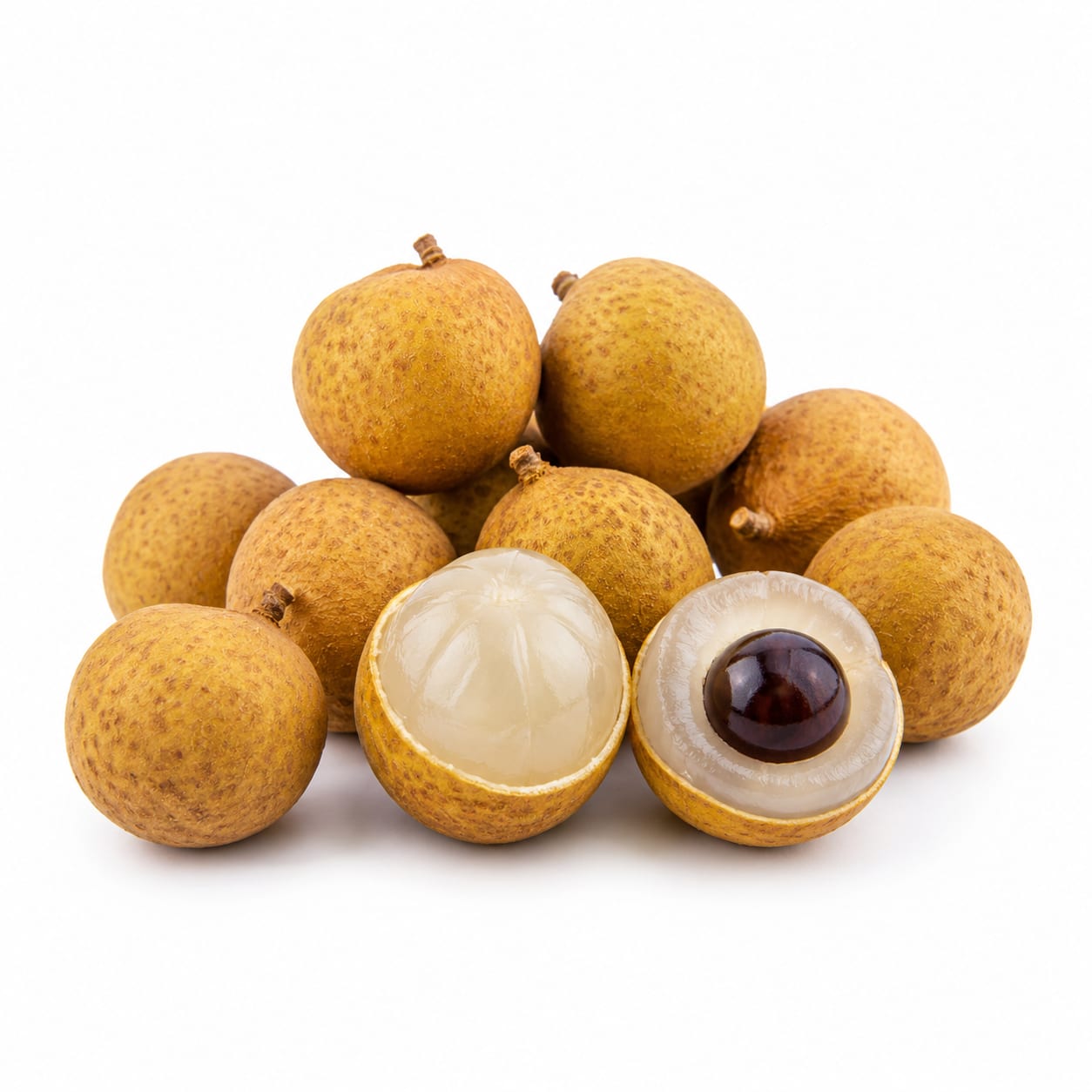
Longan
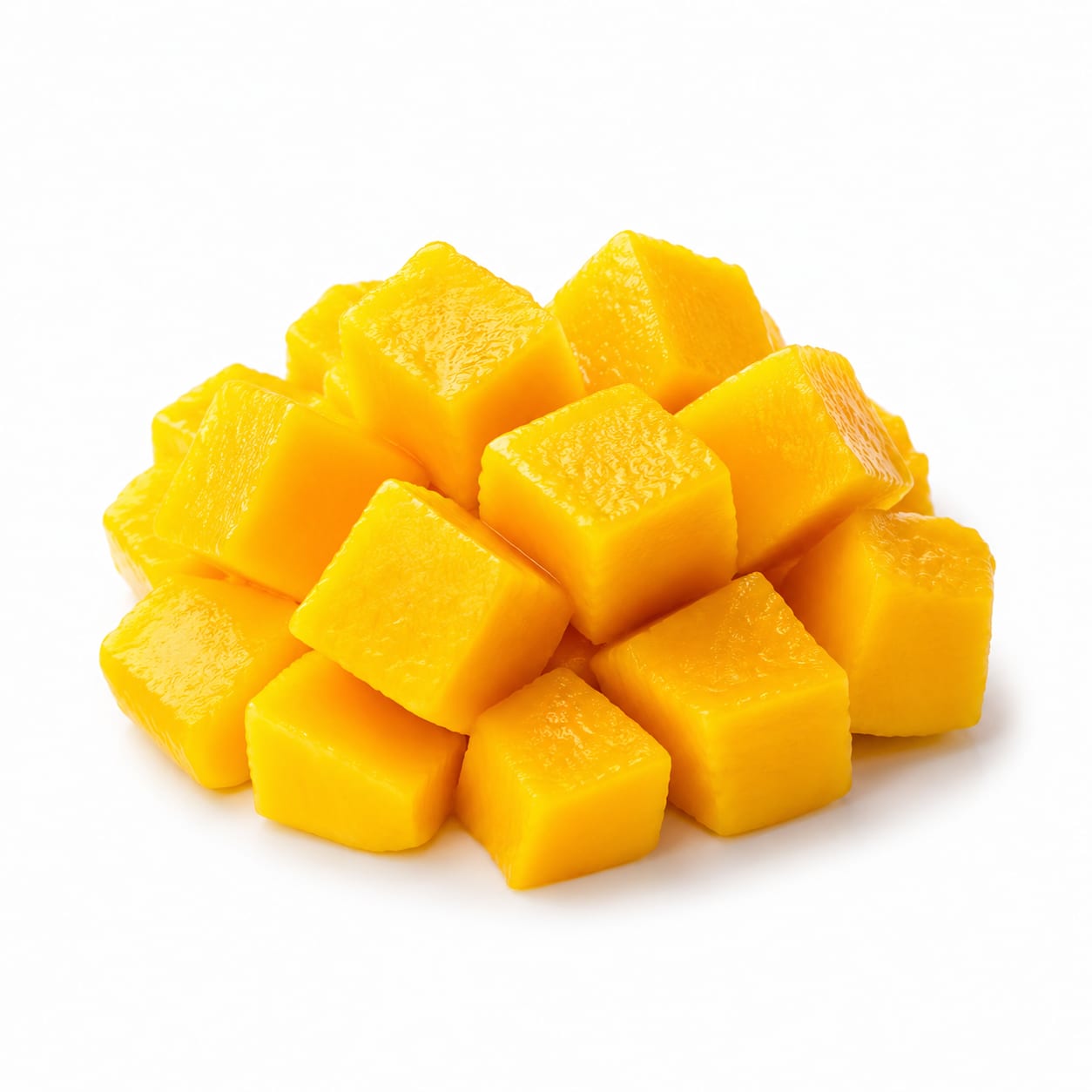
Mango
Mango wins on nutrition, fiber, and satiety. Longan is the lighter, lower-calorie option but packs a surprisingly high sugar punch for its size.
Mango scores notably higher due to superior fiber, vitamin A, and satiety. Longan is not unhealthy but offers less nutritional return per serving and carries hidden sugar risks that drag its score down.
Mango gives you more vitamins, fiber, and fullness per serving. Longan gives you fewer calories but less nutritional payoff and a deceptively high sugar density.
At a glance
Executive summary
Overall
Mango
Healthier
Mango
More practical
Mango
Daily use
Mango
Key comparison lenses
sugar impact and diabetes risk
Both are sweet tropical fruits with significant sugar content, making blood sugar response the top concern for most users
nutrient density and vitamins
Mango delivers far more vitamin A and C per serving, while longan offers different micronutrients — a key differentiator
weight management and calorie control
Longan is lower in calories per serving but easier to overeat due to small size; mango is more filling per piece
everyday practicality and availability
Mango is widely available globally; fresh longan is harder to find outside Asia, often sold dried with concentrated sugar
antioxidant and immune benefit
Both fruits offer antioxidants but through different compounds — mango via carotenoids, longan via phenolics
Best choice for
Longan
- Strict calorie counters who want a sweet treat under 40 calories per serving
- People seeking traditional warming foods in Chinese medicine contexts
- Those who prefer small, pop-able snacks over slicing a large fruit
Mango
- Anyone prioritizing vitamin A for skin and eye health
- Active people needing a more filling, energizing fruit
- Families wanting a versatile fruit for smoothies, salads, and snacking
Least suitable for
Longan
- People managing diabetes — the sugar-to-fiber ratio is unfavorable
- Those who struggle with portion control on small sweet foods
- Anyone needing significant fiber intake from fruit
- Consumers outside Asia who only have access to dried longan with added sugar
Mango
- People strictly limiting calorie intake per meal
- Those with latex-fruit syndrome who may react to mango
- Anyone needing a compact, portable snack
Deep comparison
Dimension by dimension
Each lens scores both foods and breaks down who each option suits.
- Dimension 1 · Priority 92Mango
sugar_and_blood_stability
Longan · 38Mango · 55Both are sugary fruits, but longan's sugar is more concentrated with almost no fiber to slow absorption. Mango has enough fiber to take the edge off the spike.
Tradeoff
Longan has fewer total grams of sugar per serving, but proportionally it's sugar-dense with minimal fiber buffer. Mango has more sugar overall but delivers it with significantly more fiber.
Why it matters
If you're watching blood sugar, neither is ideal in large amounts — but mango is the safer bet because its fiber slows glucose absorption noticeably.
Real-world impact
Eating a bowl of longan can spike your blood sugar faster than you'd expect from such a small fruit. A mango slice fills you up sooner, making overeating less likely.
Longan
- Small precise portions under 5-6 fruits as a light sweet treat
Better for
- Anyone counting on fiber to blunt sugar absorption
- Late-night snacking when blood sugar stability matters
Worse for
Mango
- Sustained energy without the rapid crash
- More forgiving if you accidentally eat a larger portion
Better for
- Very low-carb diets where even moderate sugar is too much
Worse for
- Dimension 2 · Priority 85Mango
vitamin_and_mineral_density
Longan · 42Mango · 88Mango is a nutritional powerhouse with outstanding vitamin A and C content. Longan provides some vitamin C and potassium but cannot compete on breadth or volume.
Tradeoff
Mango delivers dramatically more vitamin A (over 50x more beta-carotene) and roughly double the vitamin C per serving. Longan offers modest potassium and iron but at lower absolute amounts.
Why it matters
Vitamin A supports vision, skin, and immune function. If you're eating fruit partly for micronutrients, mango is far more efficient per calorie.
Real-world impact
One cup of mango covers roughly 25% of your daily vitamin A needs and 67% of vitamin C. Longan covers vitamin C decently but contributes almost nothing toward vitamin A.
Longan
- Adding variety to a diet already rich in orange fruits and vegetables
Better for
- Reliance on it as a primary vitamin source
- Preventing vitamin A deficiency in restrictive diets
Worse for
Mango
- Skin health and immune support through carotenoids
- Anyone who doesn't eat many vitamin A sources elsewhere
- Recovery from illness when vitamin C demand is higher
Better for
- Supplement-level vitamin A intake is unnecessary if you already eat lots of carrots and sweet potatoes
Worse for
- Dimension 3 · Priority 80Mango
fiber_and_satiety
Longan · 25Mango · 72Mango provides meaningful fiber per serving. Longan is fiber-poor, making it far less filling and less helpful for digestion.
Tradeoff
A cup of mango delivers about 2.6g of fiber. The same amount of longan gives you under 1g. That gap directly affects how satisfied you feel after eating.
Why it matters
Fiber isn't just about digestion — it's what makes fruit actually filling. Without it, you're eating sugar with a vitamin chaser and still feeling hungry.
Real-world impact
A mango slice with breakfast keeps you full until lunch. A handful of longan disappears in seconds and leaves you reaching for more food within the hour.
Longan
- Very light snacking when you don't want to feel full
Better for
- Using fruit as a filling snack — it won't work
- Managing appetite on a calorie deficit
Worse for
Mango
- Staying satisfied between meals
- Supporting healthy digestion and gut motility
- Reducing the urge to overeat other sweets
Better for
- Right before intense exercise when you want light digestion
Worse for
- Dimension 4 · Priority 68It depends
antioxidant_profile
Longan · 65Mango · 70Mango wins on carotenoid antioxidants. Longan offers unique phenolic compounds. Both contribute meaningfully but through different pathways.
Tradeoff
Mango's beta-carotene and mangiferin support skin and anti-inflammation. Longan's phenolics and corilagin have shown interesting immune and anti-fatigue properties in research, but human evidence is thinner.
Why it matters
Antioxidant diversity matters more than quantity alone. Rotating both fruits gives you broader coverage than eating either one exclusively.
Real-world impact
Mango visibly contributes beta-carotene (your skin can actually take on a healthy glow). Longan's benefits are more subtle and harder to feel day-to-day.
Longan
- Adding phenolic diversity to an antioxidant-rich diet
- Traditional contexts where longan is valued for vitality
Better for
- Expecting visible or quickly noticeable antioxidant effects
Worse for
Mango
- Tangible skin and anti-inflammatory benefits
- Post-sun exposure recovery through carotenoids
Better for
- Situations where you already consume excessive beta-carotene from other sources
Worse for
- Dimension 5 · Priority 72Mango
availability_and_convenience
Longan · 35Mango · 82Mango is available year-round in most countries. Fresh longan is hard to find outside Asia and is often sold dried with added sugar.
Tradeoff
Mango requires peeling and cutting but is easy to find. Longan is convenient when fresh (just peel and eat) but sourcing quality fresh longan is a real barrier for most consumers globally.
Why it matters
The healthiest fruit is the one you can actually access and eat regularly. Availability directly impacts consistency.
Real-world impact
Most people outside Southeast Asia will encounter longan only as a dried, sweetened product — which is essentially candy with a health halo. Fresh mango is straightforward to find and use.
Longan
- Living in or near Asian markets with reliable fresh longan supply
- When you want a no-prep, pop-in-your-mouth fruit
Better for
- Anyone relying on typical Western supermarkets
- Dried longan is a compromised product with concentrated sugar
Worse for
Mango
- Consistent year-round access in most regions
- Versatility in cooking — smoothies, salsas, desserts, salads
Better for
- Need for cutting and prep — not as grab-and-go as small fruits
Worse for
Timeline
Health impact over time
Short-term
Hours to days
Longan
- Quick blood sugar spike due to concentrated sugar with minimal fiber
- Mild energy boost followed by a potential crash if eaten in quantity
- Easy to overconsume because each fruit feels insubstantial
Mango
- More sustained energy release thanks to fiber slowing sugar absorption
- Noticeable fullness that reduces subsequent snacking
- Digestive comfort from natural enzymes like amylases
Long-term
Months to years
Longan
- Regular large portions may contribute to elevated fasting blood sugar over time
- Lower fiber intake means less digestive and gut microbiome support compared to other fruits
- Traditional medicine contexts associate longan with improved sleep and reduced anxiety, though evidence is limited
Mango
- Consistent vitamin A intake supports eye health and immune resilience long-term
- Fiber contributes to healthier cholesterol levels and gut diversity
- Carotenoid-rich diets are associated with lower sun damage and skin aging
Risk profile
Safety & processing
Both fruits are whole foods when fresh. However, longan is frequently sold dried with added sugar or syrup, which significantly changes its nutritional profile. Fresh mango is almost always consumed as-is. If your longan is dried and sweetened, it's closer to a confection than a fresh fruit.
Longan
Added sugar in dried products
mediumDried longan commonly contains added sugar or is packed in syrup. This transforms a whole fruit into something closer to candy, dramatically increasing sugar load per serving.
Sulfur dioxide preservative
lowSome dried longan is treated with sulfur dioxide for color preservation. Sensitive individuals may experience respiratory or digestive reactions.
Mango
Latex-fruit syndrome cross-reactivity
mediumPeople with latex allergies may react to mango, particularly the peel. Reactions can range from oral itching to anaphylaxis in severe cases.
Urushiol in mango peel
lowMango peel contains urushiol, the same compound as poison ivy. Most people are unaffected, but sensitive individuals can develop contact dermatitis from handling the peel.
Who wins for whom
Audience fit
Same foods, different winners depending on your goal.
children
MangoMango is a nutrient-dense, gentle introduction to fruit with strong vitamin A benefits for growing kids. Longan's small round shape is a choking hazard for very young children, and its high sugar density isn't ideal for developing palates.
daily consumption
MangoMango offers broader, more consistent nutritional benefits and is easier to source fresh. Daily longan consumption would require careful portion control and reliable access to fresh — not dried — fruit.
diabetes
MangoMango's fiber meaningfully slows sugar absorption. Longan's poor fiber-to-sugar ratio makes it riskier for blood sugar management, despite smaller portion sizes.
elderly
MangoMango's soft texture, fiber for digestion, and vitamin A for eye health make it more suitable. Longan's traditional use for sleep may appeal but lacks strong clinical evidence.
muscle gain
MangoNeither fruit is a protein source, but mango provides more carbs for glycogen replenishment and more vitamin C for recovery support.
weight loss
MangoMango's fiber and volume make it more satiating per calorie. Longan's low calorie count is undermined by how easy it is to eat 20+ pieces without feeling full.
Your move
Decision guide
Choose Longan
- You have access to fresh longan and want a light, low-calorie sweet snack
- You're exploring traditional Chinese food therapy and longan fits your constitution
- You prefer small, portion-controlled fruit over slicing and preparing larger fruits
- You already eat plenty of fiber-rich and vitamin A-rich foods elsewhere
Choose Mango
- You want maximum nutritional value per serving of fruit
- Blood sugar stability matters to you and you need fiber to buffer sugar intake
- You're feeding a family and need a versatile, widely available fruit
- Skin health, eye health, or immune support are priorities
- You live outside Asia and want reliable access to fresh tropical fruit
Either works if
- You simply want a sweet tropical fruit and both are available fresh
- You're rotating fruits for antioxidant diversity — both add unique compounds
- You're eating fruit as part of a balanced diet with plenty of other fiber and vitamin sources
Avoid both if
- You're on a strict very-low-carb or ketogenic diet — both have too much sugar
- You have severe blood sugar instability and need to limit all sweet fruits temporarily
- You have a known allergy to either fruit or related species
Final recommendation
Mango is the stronger everyday choice for most people — more nutrients, more fiber, better satiety, easier to find fresh. Longan is a perfectly enjoyable occasional fruit if you have access to the fresh version, but treat it as a light dessert rather than a nutritional staple. If your only option is dried sweetened longan, it's closer to candy than fruit, and mango becomes the clear winner by default.
Practical
Consumer tips
- 1
If buying longan, always check the ingredient list on dried versions — added sugar is extremely common and changes the nutritional profile dramatically
- 2
Fresh longan should be refrigerated and consumed within 3-5 days; it spoils faster than most people expect
- 3
To pick a ripe mango, gently squeeze — it should yield slightly like a peach, not feel rock-hard or mushy
- 4
Freeze mango chunks for smoothies — it retains nutrients well and adds natural creaminess
- 5
If you're sensitive to mango peel, have someone else cut it or wear gloves to avoid urushiol contact
- 6
Limit longan to about 8-10 fresh fruits per sitting to keep sugar intake reasonable
- 7
Pair either fruit with a protein or fat source (like yogurt or nuts) to further blunt blood sugar impact