
Nutrition comparison
Lingonberry vs Strawberry: Which Berry is Healthier?
Compare lingonberry vs strawberry for nutrition, sugar, antioxidants, and pesticides. Find out which berry is better for weight loss, diabetes, and daily health.
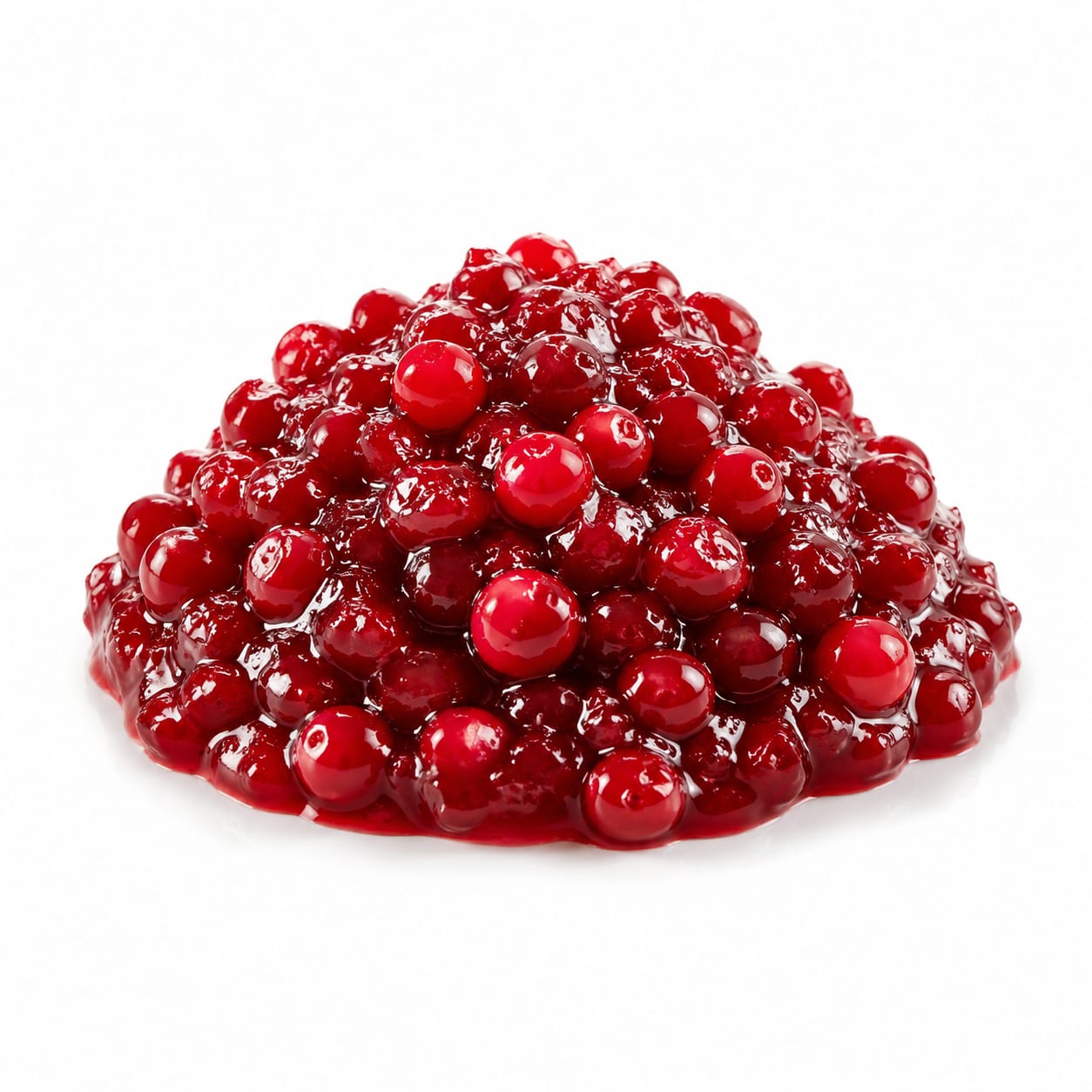
Lingonberry
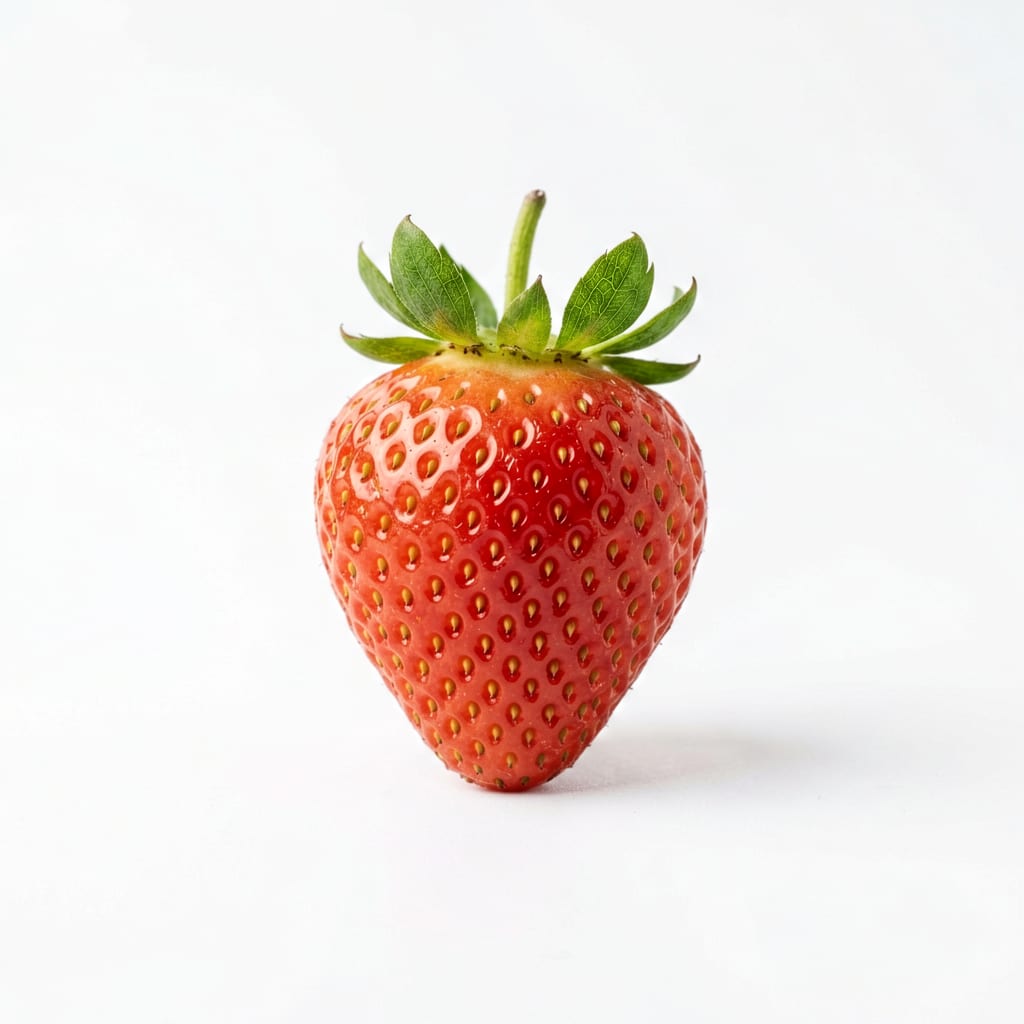
Strawberry
Lingonberries win for lower sugar and higher antioxidant diversity, but strawberries are far more practical for daily fresh eating and Vitamin C.
Lingonberry scores slightly higher due to its superior sugar profile and antioxidant specificity, but Strawberry remains a nutritional powerhouse that is much easier to incorporate into a daily routine.
You trade the metabolic safety and unique polyphenols of lingonberries for the fresh convenience, sweetness, and Vitamin C of strawberries.
At a glance
Executive summary
Overall
It depends
Healthier
Lingonberry
More practical
Strawberry
Daily use
Strawberry
Key comparison lenses
Antioxidant diversity and specific polyphenol benefits
Lingonberries are renowned for unique compounds like arbutin and quercetin, while strawberries excel in Vitamin C and ellagic acid.
Sugar content and blood sugar impact
Lingonberries are notably tart and lower in sugar, making them distinctly different from sweeter strawberries for metabolic concerns.
Pesticide exposure and food safety
Strawberries consistently rank at the top of the EWG Dirty Dozen list for pesticide residues, a major consumer concern.
Fresh availability versus processed forms
Strawberries are ubiquitous fresh, whereas lingonberries are mostly found frozen or as jams, changing how people actually eat them.
Best choice for
Lingonberry
- People managing blood sugar or diabetes
- Those seeking urinary tract health support
- Consumers wanting to avoid high-pesticide produce
- Fans of tart, complex flavors
Strawberry
- Anyone needing a fresh, easy-to-find daily fruit
- Kids who prefer sweet flavors
- People looking to boost Vitamin C intake
- Smoothie and dessert makers
Least suitable for
Lingonberry
- People who only enjoy sweet fruits
- Those without access to specialty or frozen food sections
- Anyone wanting a quick, ready-to-eat fresh snack
Strawberry
- People strictly limiting fructose or sugar
- Those highly concerned about pesticide exposure unless organic
- Individuals seeking specific urinary tract benefits
Deep comparison
Dimension by dimension
Each lens scores both foods and breaks down who each option suits.
- Dimension 1 · Priority 90Lingonberry
Antioxidant & Phytonutrient Profile
Lingonberry · 92Strawberry · 85Lingonberries contain a wider array of specific polyphenols like quercetin and proanthocyanidins, while strawberries rely heavily on Vitamin C and ellagic acid.
Tradeoff
Lingonberries offer more targeted anti-inflammatory and urinary tract benefits, whereas strawberries provide a more straightforward immune system boost.
Why it matters
Different antioxidants support different body systems. Variety in polyphenols often translates to broader cellular protection over time.
Real-world impact
Eating lingonberries regularly might better fend off low-grade inflammation and UTIs, while strawberries are better for quick immune support during cold season.
Lingonberry
- Reducing urinary tract infections
- Broad anti-inflammatory protection
- Unique polyphenol diversity
Better for
- Less effective for quick Vitamin C repletion
Worse for
Strawberry
- Boosting collagen for skin health
- Immediate immune system support
- High single-source antioxidant hit
Better for
- Lacks the specific compounds that prevent bacteria from adhering to the urinary tract
Worse for
- Dimension 2 · Priority 85Lingonberry
Sugar Content & Blood Sugar Stability
Lingonberry · 90Strawberry · 70Lingonberries are significantly lower in sugar and higher in fiber relative to their sugar content, leading to a gentler blood sugar response.
Tradeoff
You get a metabolically safer fruit with lingonberries, but the intense tartness makes them harder to eat plain compared to sweet strawberries.
Why it matters
Lower sugar fruits prevent the energy spikes and crashes that drive cravings and fatigue later in the day.
Real-world impact
A bowl of strawberries can cause a noticeable blood sugar rise for sensitive individuals; lingonberries will keep energy much steadier.
Lingonberry
- Steadier energy throughout the day
- Diabetic-friendly fruit option
- Less likely to trigger sugar cravings
Better for
- Too tart for many people to eat without sweetening
Worse for
Strawberry
- Quick pre-workout energy
- More satisfying as a standalone sweet snack
Better for
- Higher sugar load can spike blood glucose if eaten in large amounts
Worse for
- Dimension 3 · Priority 75Strawberry
Vitamin C Content
Lingonberry · 65Strawberry · 95Strawberries are an exceptional source of Vitamin C, delivering nearly a full day's supply in a single cup, while lingonberries provide a more modest amount.
Tradeoff
Strawberries are a top-tier Vitamin C food, making them ideal for skin and immunity, whereas lingonberries require you to get your Vitamin C elsewhere.
Why it matters
Vitamin C is essential for collagen production, wound healing, and fighting off everyday infections.
Real-world impact
Eating strawberries easily covers your daily Vitamin C needs without supplements; relying on lingonberries leaves a nutritional gap.
Lingonberry
- Still offers some immune support
Better for
- Not a reliable primary source of Vitamin C
Worse for
Strawberry
- Excellent for skin elasticity and anti-aging
- Strong defense against common colds
- Boosts iron absorption from meals
Better for
- None regarding Vitamin C
Worse for
- Dimension 4 · Priority 80Lingonberry
Pesticide & Contamination Risk
Lingonberry · 90Strawberry · 45Strawberries are notoriously high in pesticide residues, often topping the Dirty Dozen list, while lingonberries are typically grown in wild or low-spray environments.
Tradeoff
Lingonberries offer peace of mind regarding chemical exposure, while conventional strawberries carry a real risk unless you buy organic.
Why it matters
Chronic pesticide exposure is linked to hormonal disruption and neurological concerns, making it a key factor for daily fruit choices.
Real-world impact
Choosing conventional strawberries means ingesting multiple pesticide residues weekly; lingonberries bypass this issue almost entirely.
Lingonberry
- Safer for children and pregnant women
- Minimal chemical exposure
- Often wild-harvested and naturally organic
Better for
- None regarding pesticides
Worse for
Strawberry
- Organic options are widely available if you prioritize safety
Better for
- High likelihood of multiple pesticide residues unless organic
- Difficult to wash off all chemicals due to porous skin
Worse for
- Dimension 5 · Priority 70Strawberry
Availability & Practicality
Lingonberry · 40Strawberry · 95Strawberries are available fresh year-round in most grocery stores, while fresh lingonberries are rare and usually found frozen or in jams.
Tradeoff
Strawberries are effortless to find and eat raw, whereas lingonberries require specialty shopping and often come with added sugar in processed forms.
Why it matters
The healthiest food is the one you can actually find, afford, and easily incorporate into your routine.
Real-world impact
You can grab strawberries anywhere for a quick snack; finding quality lingonberries takes effort and planning.
Lingonberry
- Frozen versions retain nutrients well for smoothies
Better for
- Hard to find fresh outside Scandinavia
- Often sold as jam with high added sugar
- More expensive per serving
Worse for
Strawberry
- Easy to find in any supermarket
- Perfect for fresh snacking without prep
- More affordable and accessible year-round
Better for
- Highly perishable and spoil quickly in the fridge
Worse for
Timeline
Health impact over time
Short-term
Hours to days
Lingonberry
- Provides steady energy without a sugar crash
- Offers a tart flavor that can curb sweet cravings
Strawberry
- Delivers a quick Vitamin C boost for immune support
- Provides fast-acting carbohydrates for immediate energy
Long-term
Months to years
Lingonberry
- May reduce the frequency of urinary tract infections
- Supports lower systemic inflammation due to diverse polyphenols
- Helps maintain stable blood sugar over the years
Strawberry
- Promotes healthier skin and joints via high Vitamin C collagen synthesis
- Supports heart health through anthocyanins and fiber
- Potential pesticide exposure if conventionally grown long-term
Risk profile
Safety & processing
Both fruits are whole foods when fresh or frozen. However, lingonberries are frequently processed into jams and syrups with added sugars, which drastically changes their health profile. Strawberries are almost always eaten in their natural state.
Lingonberry
Added sugars in processed forms
mediumMost lingonberry products like jams and concentrates contain high amounts of added sugar to balance their natural tartness, negating their low-sugar advantage.
Strawberry
Pesticide residues
highStrawberries consistently rank number one on the EWG Dirty Dozen list, often testing positive for multiple fungicides and insecticides even after washing.
Mold and rapid spoilage
mediumStrawberries are highly perishable and prone to mold, which can introduce mycotoxins if not consumed or frozen quickly.
Who wins for whom
Audience fit
Same foods, different winners depending on your goal.
children
StrawberryStrawberries are sweeter, softer, and more appealing to kids, making them an easier sell for getting children to eat fruit.
daily consumption
StrawberryStrawberries are far easier to find fresh and eat daily without getting palate fatigue from extreme tartness.
diabetes
LingonberryThe lower sugar content and higher fiber-to-sugar ratio of lingonberries make them much safer for blood sugar management.
elderly
StrawberryStrawberries provide exceptional Vitamin C for aging skin and immune systems, and their soft texture is easy on dentures and sensitive teeth.
muscle gain
It dependsNeither fruit is a significant protein source, though strawberries offer slightly more natural carbs for post-workout glycogen replenishment.
weight loss
LingonberryLingonberries are lower in sugar and calories, making them easier to fit into a calorie-controlled diet without triggering sweet cravings.
Your move
Decision guide
Choose Lingonberry
- You are managing diabetes or watching your blood sugar
- You want to avoid high-pesticide produce but cannot afford organic
- You struggle with urinary tract infections
- You enjoy tart flavors and want a unique antioxidant boost
Choose Strawberry
- You want a convenient, fresh fruit for daily snacking
- You need to increase your Vitamin C intake naturally
- You are making smoothies, desserts, or fruit salads
- You can source organic berries to avoid pesticide concerns
Either works if
- You are simply trying to eat more berries instead of processed sweets
- You want to add more fiber and antioxidants to your breakfast
Avoid both if
- You have a severe allergy to berries
- You are on a very strict low-fodmap diet and are sensitive to excess fructose
Final recommendation
Choose strawberries for everyday fresh snacking and Vitamin C, but keep frozen lingonberries on hand for smoothies and blood-sugar-friendly antioxidant boosts. If you buy strawberries, go organic to avoid the heavy pesticide load.
Practical
Consumer tips
- 1
Always buy organic strawberries to avoid the high pesticide residues typical of conventional farming.
- 2
Buy frozen lingonberries instead of jams to get all the tart flavor and antioxidants without the added sugar.
- 3
Mix the two: sweet strawberries can balance out the tartness of lingonberries in a smoothie or yogurt bowl.
- 4
Wash strawberries right before eating, not before storing, to prevent them from getting mushy and moldy faster.