
Nutrition comparison
Lingonberry vs Red Currant: Which Berry Is Healthier?
Compare lingonberry and red currant nutrition, antioxidants, vitamin C, and health benefits. Find out which berry is better for UTIs, immunity, and daily eating.
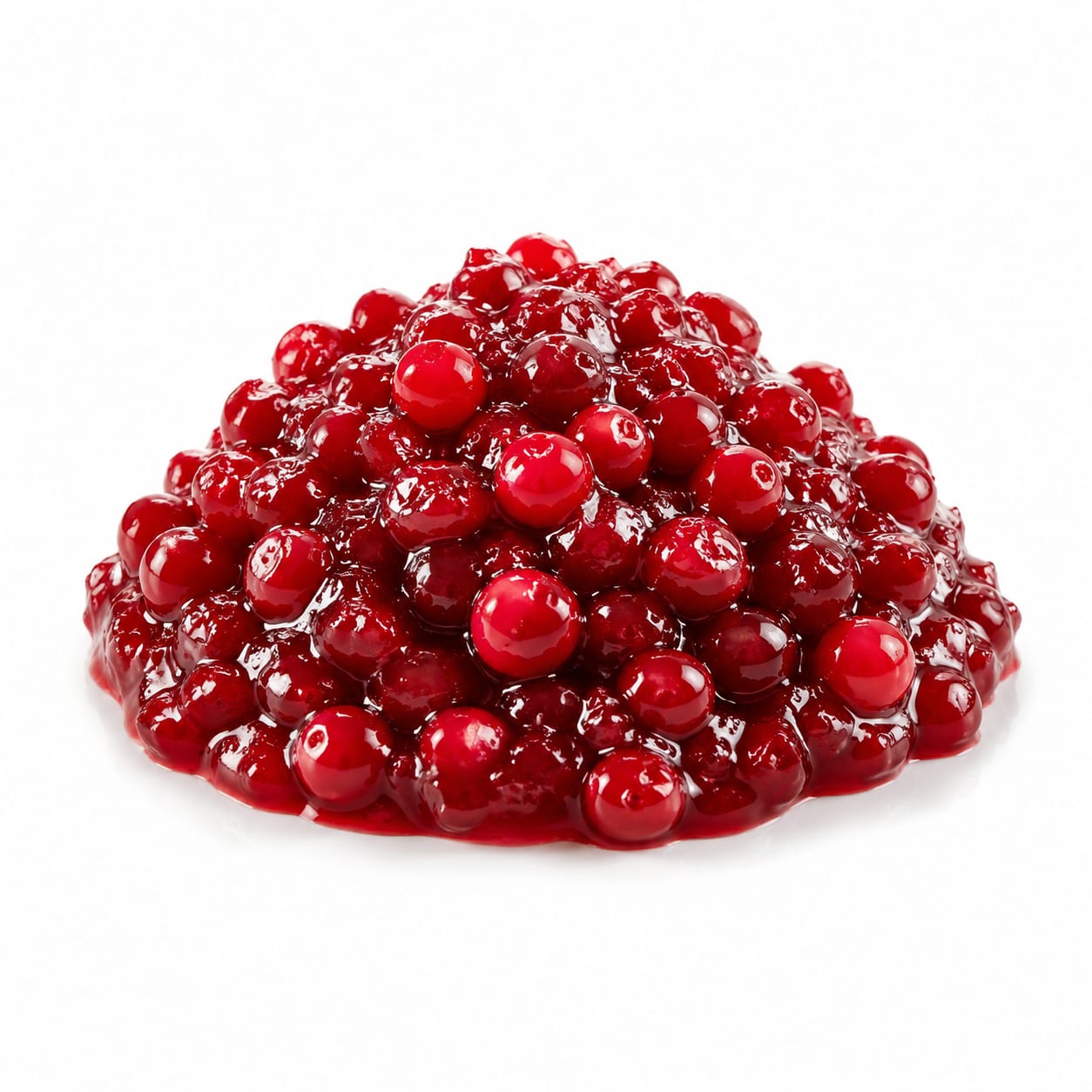
Lingonberry
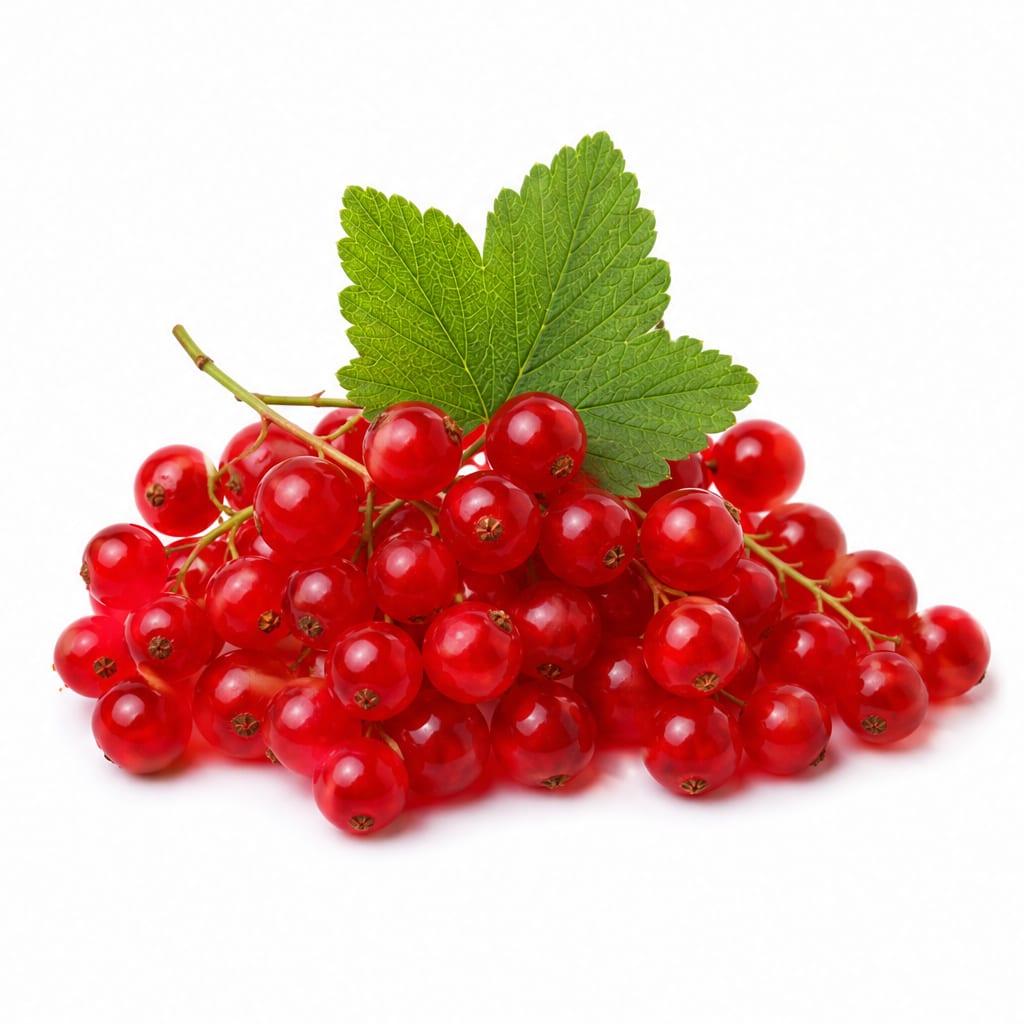
Red Currant
Lingonberries win on antioxidants and urinary tract benefits; red currants win on vitamin C and everyday accessibility.
Lingonberry edges ahead on medicinal and antioxidant density, but red currant stays competitive with superior vitamin C and practical availability. The gap is small because both are excellent berry choices.
You choose between deeper medicinal properties (lingonberry) and higher vitamin C with easier availability (red currant).
At a glance
Executive summary
Overall
It depends
Healthier
Lingonberry
More practical
Red Currant
Daily use
Red Currant
Key comparison lenses
antioxidant potential
Both berries are prized for polyphenols, but lingonberries have significantly higher concentrations of unique compounds like arbutin and proanthocyanidins
urinary tract health
Lingonberries are traditionally used for UTI prevention, a distinguishing factor most users care about
vitamin c intake
Red currants deliver substantially more vitamin C, making this a key tradeoff
everyday availability
Red currants are easier to find fresh in most markets, while lingonberries are often only available preserved or frozen
low sugar snacking
Both are low-sugar berries, appealing to those managing blood sugar or weight
Best choice for
Lingonberry
- Recurrent UTI prevention
- Maximum antioxidant protection
- Anti-inflammatory support
- Nordic diet enthusiasts
Red Currant
- Boosting vitamin C intake
- Fresh berry snacking
- Home gardeners wanting easy berries
- Immune system support during cold season
Least suitable for
Lingonberry
- People who need easy fresh availability
- Those sensitive to tart flavors without added sweetener
- Budget-conscious shoppers (often pricey when imported)
Red Currant
- Those specifically seeking UTI prevention benefits
- People wanting the highest polyphenol density per calorie
- Anyone looking for arbutin or unique lingonberry compounds
Deep comparison
Dimension by dimension
Each lens scores both foods and breaks down who each option suits.
- Dimension 1 · Priority 92Lingonberry
antioxidant_density
Lingonberry · 91Red Currant · 72Lingonberries pack significantly more polyphenols per serving, including rare proanthocyanidins not found in red currants.
Tradeoff
You get deeper antioxidant coverage with lingonberries but sacrifice the vitamin C potency that red currants provide.
Why it matters
Higher antioxidant diversity translates to better long-term cellular protection and anti-inflammatory effects.
Real-world impact
Regular lingonberry consumption may reduce oxidative stress markers more noticeably over months, especially if you lack other polyphenol-rich foods.
Lingonberry
- Chronic inflammation concerns
- Long-term cellular health optimization
- Those eating limited polyphenol variety
Better for
- Situations where fresh vitamin C matters more than polyphenol diversity
Worse for
Red Currant
- Short-term immune challenges like cold season
- People already eating a polyphenol-rich diet
Better for
- Anyone seeking the most concentrated antioxidant punch per calorie
Worse for
- Dimension 2 · Priority 80Red Currant
vitamin_c_content
Lingonberry · 55Red Currant · 88Red currants deliver roughly 2-3 times more vitamin C than lingonberries per serving.
Tradeoff
Red currants are clearly superior for vitamin C, but lingonberries compensate with other bioactive compounds.
Why it matters
Vitamin C supports immune function, collagen synthesis, and iron absorption — daily essentials that matter practically.
Real-world impact
A cup of red currants covers most of your daily vitamin C needs, while lingonberries cover about a third.
Lingonberry
- Those already getting ample vitamin C from other sources
Better for
- Anyone relying on berries as a primary vitamin C source
Worse for
Red Currant
- Immune support during winter months
- Skin health and collagen support
- Vegetarians needing better iron absorption
Better for
- Not a concern — red currants excel here
Worse for
- Dimension 3 · Priority 88Lingonberry
urinary_tract_benefits
Lingonberry · 95Red Currant · 30Lingonberries contain arbutin and proanthocyanidins that actively prevent bacteria from adhering to the urinary tract lining.
Tradeoff
This is lingonberry's standout medicinal advantage — red currants offer no comparable UTI-specific benefit.
Why it matters
For anyone prone to UTIs, lingonberries are one of the most evidence-supported dietary interventions available.
Real-world impact
Regular lingonberry intake can meaningfully reduce UTI recurrence, potentially decreasing antibiotic reliance.
Lingonberry
- Women with recurrent UTIs
- Anyone wanting to reduce antibiotic use
- Preventive urinary tract maintenance
Better for
- Not a concern — lingonberry dominates here
Worse for
Red Currant
- Not applicable for this dimension
Better for
- Anyone specifically seeking UTI prevention from their berry choices
Worse for
- Dimension 4 · Priority 75Red Currant
availability_and_convenience
Lingonberry · 40Red Currant · 78Red currants are easier to find fresh in mainstream grocery stores and farmers markets across Europe and North America.
Tradeoff
Lingonberries are typically imported, frozen, or sold as preserves — fresh access is limited outside Scandinavia.
Why it matters
The best berry nutritionally is meaningless if you cannot reliably buy or afford it.
Real-world impact
You can likely grab fresh red currants seasonally at local markets; lingonberries usually require specialty stores or online orders.
Lingonberry
- People living in Nordic countries with local access
- Those comfortable buying frozen or preserved berries
Better for
- Impulse purchases at regular grocery stores
- Budget-conscious weekly meal planning
Worse for
Red Currant
- Weekly grocery shoppers wanting fresh berries
- Home gardeners in temperate climates
- Those who prefer eating berries raw rather than as preserves
Better for
- Not a significant concern for availability
Worse for
- Dimension 5 · Priority 70Lingonberry
blood_sugar_friendliness
Lingonberry · 86Red Currant · 79Both berries are low-sugar, but lingonberries have slightly less sugar and more fiber-like polyphenols that slow glucose absorption.
Tradeoff
The difference is modest — both are excellent choices for blood sugar management compared to most fruits.
Why it matters
For diabetics or anyone monitoring glucose, small differences in sugar load and polyphenol content add up over time.
Real-world impact
Neither berry will spike blood sugar significantly, making both safe for regular consumption by most people with diabetes.
Lingonberry
- Strict glycemic control needs
- Metabolic syndrome management
- Keto-adjacent eating patterns
Better for
- Not a concern for this dimension
Worse for
Red Currant
- Still very blood-sugar friendly, just slightly less optimized
Better for
- Marginally higher sugar means slightly less ideal for very strict low-carb approaches
Worse for
- Dimension 6 · Priority 65It depends
taste_and_culinary_versatility
Lingonberry · 70Red Currant · 72Both are tart, but lingonberries have a more complex earthy-sweet profile while red currants are brighter and more acidic.
Tradeoff
Lingonberries pair better with savory dishes; red currants shine in desserts and fresh applications.
Why it matters
Taste determines whether you actually keep eating a food long-term, which matters more than marginal nutrient differences.
Real-world impact
Lingonberry jam with meatballs is iconic for a reason; red currants make stunning tarts and garnishes.
Lingonberry
- Savory pairings with game meats and Nordic dishes
- Those who enjoy complex, less sweet flavors
Better for
- Eating raw by the handful — too tart for most people without sweetener
Worse for
Red Currant
- Fresh snacking and dessert recipes
- Garnishing and visual appeal on plates
- Those preferring bright, clean tartness
Better for
- Lacking the depth for savory-sweet combinations
Worse for
Timeline
Health impact over time
Short-term
Hours to days
Lingonberry
- Mild blood sugar stabilization after meals
- Quick antioxidant boost, especially if consumed as a preserve with fat
- Tart flavor may aid digestion by stimulating saliva and gastric juices
Red Currant
- Noticeable vitamin C surge supporting immediate immune activity
- Refreshing hydration from high water content
- Mild diuretic effect from potassium content
Long-term
Months to years
Lingonberry
- Reduced UTI recurrence with regular consumption
- Lower systemic inflammation markers from sustained polyphenol intake
- Potential gut microbiome benefits from unique prebiotic compounds
- Better vascular health from proanthocyanidin activity
Red Currant
- Improved collagen integrity from consistent vitamin C intake
- Better iron status in plant-based eaters
- Sustained antioxidant protection, though less diverse than lingonberry
- Support for healthy skin aging
Risk profile
Safety & processing
Both berries are whole foods when fresh. However, lingonberries are most commonly sold as preserves or jams with added sugar, which changes the nutritional profile significantly. Red currants are more often available and consumed fresh. Always check labels on lingonberry products for added sugars.
Lingonberry
Added sugar in preserves
mediumMost lingonberry products outside Scandinavia are sweetened preserves, which can add 20-30g sugar per serving and undermine the blood sugar benefits.
Pesticide residue on imported berries
lowImported frozen lingonberries may carry trace pesticide residues from country of origin, though levels are typically within safety limits.
Red Currant
Pesticide residue on conventionally grown currants
mediumRed currants are small with delicate skins, making them prone to pesticide retention. Washing helps but does not remove all residue.
Oxalate content
lowRed currants contain moderate oxalates, which could be a minor concern for people prone to calcium oxalate kidney stones.
Who wins for whom
Audience fit
Same foods, different winners depending on your goal.
children
Red CurrantBrighter flavor, higher vitamin C for growing immune systems, and easier fresh availability make red currants more kid-friendly and practical.
daily consumption
Red CurrantEasier to find fresh, more versatile in meals, and reliable vitamin C delivery make red currants more sustainable as a daily habit.
diabetes
LingonberryLower sugar content and glucose-modulating polyphenols give lingonberries a slight edge, provided they are consumed without added sugar.
elderly
LingonberryUTI prevention, anti-inflammatory properties, and vascular benefits from proanthocyanidins are especially valuable for older adults.
muscle gain
Red CurrantHigher vitamin C supports collagen synthesis for connective tissue repair, and better fresh availability makes them easier to eat consistently alongside protein-rich meals.
weight loss
LingonberrySlightly lower sugar and more blood-sugar-stabilizing polyphenols make lingonberries marginally better for appetite control, though both are excellent low-calorie choices.
Your move
Decision guide
Choose Lingonberry
- You struggle with recurrent UTIs or want preventive urinary tract support
- Maximizing antioxidant diversity is a priority
- You have access to unsweetened frozen or fresh lingonberries
- You enjoy Nordic-style savory-sweet food pairings
- Anti-inflammatory eating is a core health goal
Choose Red Currant
- You want a reliable daily vitamin C source from whole food
- Fresh berry availability matters for your routine
- You prefer eating berries raw by the handful
- You garden and want an easy-to-grow berry bush
- Immune support during cold and flu season is your main concern
Either works if
- You simply want a low-sugar, antioxidant-rich berry in your diet
- Both are available and affordable where you shop
- You enjoy rotating different berries for nutrient diversity
- Blood sugar management is important but not critically sensitive
Avoid both if
- You have a severe berry allergy or salicylate sensitivity
- You are on a very restricted low-FODMAP diet during elimination phase
- You primarily need calorie-dense or high-protein foods for weight gain
Final recommendation
If UTI prevention or maximum antioxidant depth matters most, choose lingonberries — ideally unsweetened frozen or preserve with minimal added sugar. If you want a practical, vitamin-C-rich daily berry you can actually find fresh, go with red currants. The best long-term strategy is rotating both when possible, since their nutrient profiles complement each other beautifully.
Practical
Consumer tips
- 1
If buying lingonberry preserves, look for products with less than 8g added sugar per serving — or buy frozen unsweetened lingonberries instead.
- 2
Fresh red currants freeze well; buy in season and freeze on a baking sheet before transferring to bags for year-round use.
- 3
Wash red currants gently right before eating, not before storing, to prevent mold and spoilage.
- 4
Lingonberry powder supplements exist but lack the fiber and full-spectrum polyphenols of whole berries — prioritize whole food forms.
- 5
Growing red currants at home is surprisingly easy in temperate climates and gives you pesticide-free fresh berries each summer.
- 6
If using lingonberries for UTI prevention, consistency matters more than quantity — a small daily serving outperforms occasional large amounts.