
Nutrition comparison
Lingonberry vs Raspberry: Which Berry Is Healthier for You?
Compare lingonberries and raspberries on fiber, sugar, antioxidants, and UTI benefits. Find out which berry fits your health goals and daily routine better.
Overall winner · Raspberry
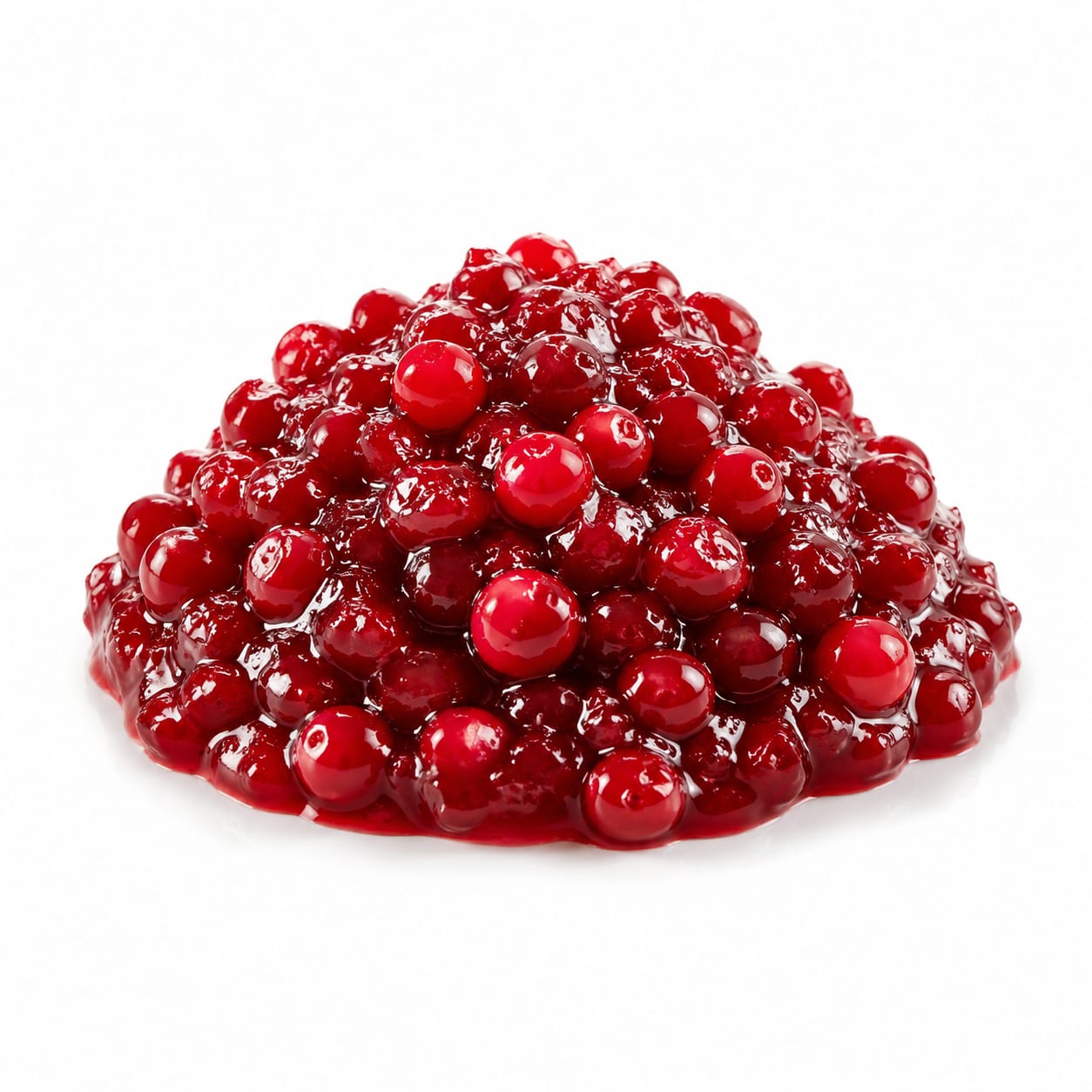
Lingonberry

Raspberry
Raspberries win on fiber, vitamin C, and everyday accessibility, while lingonberries offer unique urinary tract benefits and lower sugar when eaten fresh.
Raspberries score higher due to superior fiber, wider availability, and versatility. Lingonberries remain valuable for specific health benefits but lose points on accessibility and the common added-sugar processing issue.
Lingonberries provide specialized antimicrobial compounds and less sugar, but raspberries deliver far more fiber and are dramatically easier to find and eat fresh.
At a glance
Executive summary
Overall
Raspberry
Healthier
Raspberry
More practical
Raspberry
Daily use
Raspberry
Key comparison lenses
antioxidant and berry nutrition comparison
Both are antioxidant-rich berries, so users want to know which delivers more health value per serving
sugar and carb conscious snacking
Berry choices often come down to sugar content and blood sugar impact
availability and everyday practicality
Lingonberries are harder to find fresh, making real-world access a key decision factor
urinary and gut health benefits
Lingonberries are famous for urinary tract benefits, raspberries for digestive fiber
fresh vs processed consumption
Lingonberries are often eaten as jam or preserves, which changes their nutritional profile significantly
Best choice for
Lingonberry
- People prone to urinary tract infections
- Those watching sugar intake closely
- Anyone seeking unique Nordic berry antioxidants
- Low-carb dieters wanting tart berry flavor
Raspberry
- People prioritizing digestive health and fiber
- Anyone wanting an easy-to-find fresh berry
- Those seeking vitamin C and manganese
- Meal preppers and smoothie makers
Least suitable for
Lingonberry
- People without access to specialty stores
- Anyone avoiding added sugars in lingonberry preserves
- Those wanting high-fiber fruit options
Raspberry
- People needing very low-sugar fruit options
- Those specifically targeting urinary tract health
- Anyone with raspberry allergy or salicylate sensitivity
Deep comparison
Dimension by dimension
Each lens scores both foods and breaks down who each option suits.
- Dimension 1 · Priority 94Raspberry
fiber_content
Lingonberry · 35Raspberry · 92Raspberries are one of the highest-fiber berries available, delivering roughly 6.5g per cup. Lingonberries contain about 2.3g per cup, which is modest by comparison.
Tradeoff
Choosing lingonberries means sacrificing significant digestive and satiety benefits that raspberries' fiber provides effortlessly.
Why it matters
Fiber keeps you full longer, stabilizes blood sugar, and feeds gut bacteria. This is one of the biggest nutritional gaps between these two berries.
Real-world impact
A cup of raspberries with breakfast can keep you satisfied until lunch. The same amount of lingonberries leaves you hungrier sooner.
Lingonberry
- Light snacking when you want less bulk
Better for
- Reliance on other foods for daily fiber needs
Worse for
Raspberry
- Digestive regularity
- Staying full between meals
- Gut microbiome support
- Blood sugar stability after eating
Better for
- None significant for fiber
Worse for
- Dimension 2 · Priority 90Lingonberry
sugar_and_carb_profile
Lingonberry · 88Raspberry · 62Fresh lingonberries contain roughly 4-5g of sugar per cup compared to raspberries at about 5.4g. The real advantage is lingonberries' tartness means they are rarely overconsumed.
Tradeoff
Lingonberries' lower sugar advantage disappears almost entirely if you eat them as sweetened preserves or jam, which is how most people consume them.
Why it matters
Lower sugar berries are gentler on blood sugar and easier to fit into low-carb eating patterns.
Real-world impact
Fresh lingonberries let you enjoy berry flavor with minimal sugar impact. But reach for lingonberry jam and you are getting more sugar than a cup of raspberries.
Lingonberry
- Low-carb and keto-friendly eating
- Blood sugar management
- Avoiding sugar crashes
Better for
- Most commercial lingonberry products add significant sugar
Worse for
Raspberry
- Natural sweetness without needing added sugar
Better for
- Higher natural sugar than lingonberries when both are fresh
Worse for
- Dimension 3 · Priority 87It depends
antioxidant_diversity
Lingonberry · 82Raspberry · 80Lingonberries are rich in proanthocyanidins and quercetin. Raspberries excel in ellagic acid and anthocyanins. Both are excellent but target different body systems.
Tradeoff
Neither berry is clearly superior here. They simply offer different antioxidant strengths that complement each other well.
Why it matters
Diverse antioxidants protect different tissues and systems. Variety matters more than quantity for long-term health.
Real-world impact
Eating both berries regularly gives you broader protection than loading up on just one.
Lingonberry
- Urinary tract antimicrobial defense
- Anti-inflammatory quercetin benefits
Better for
- Less ellagic acid than raspberries
Worse for
Raspberry
- Cell-protective ellagic acid
- Skin and vascular anthocyanin support
Better for
- Fewer proanthocyanidins than lingonberries
Worse for
- Dimension 4 · Priority 85Raspberry
availability_and_convenience
Lingonberry · 30Raspberry · 95Raspberries are available fresh or frozen in virtually every grocery store. Fresh lingonberries are nearly impossible to find outside Scandinavia and specialty importers.
Tradeoff
You can act on a raspberry decision today. Finding fresh lingonberries may require online orders, specialty shops, or accepting processed versions.
Why it matters
The healthiest food is the one you can actually buy and eat consistently.
Real-world impact
Raspberries are a spontaneous grocery grab. Lingonberries require planning, research, and often compromise on form.
Lingonberry
- Specialty Nordic cooking and baking
Better for
- Difficulty sourcing fresh berries
- Limited options outside northern Europe
Worse for
Raspberry
- Everyday grocery shopping
- Meal prep and smoothie routines
- Consistent daily berry consumption
Better for
- Shorter fresh shelf life than some other berries
Worse for
- Dimension 5 · Priority 78Raspberry
vitamin_and_mineral_density
Lingonberry · 60Raspberry · 82Raspberries deliver more vitamin C, manganese, and vitamin K per serving. Lingonberries provide decent vitamin C and some vitamin E but fall short on overall mineral density.
Tradeoff
Raspberries function better as a daily nutrient contributor, while lingonberries serve more as a targeted functional food.
Why it matters
If berries are a primary fruit source, vitamin and mineral density adds up meaningfully over time.
Real-world impact
A daily cup of raspberries covers about 54% of your vitamin C needs. Lingonberries cover roughly 22%.
Lingonberry
- Vitamin E contribution
- Benzoic acid as natural preservative benefit
Better for
- Lower overall micronutrient contribution per serving
Worse for
Raspberry
- Vitamin C daily needs
- Manganese for bone and metabolic health
- Vitamin K for blood clotting and bone density
Better for
- Less vitamin E than lingonberries
Worse for
- Dimension 6 · Priority 76Lingonberry
urinary_and_specialized_health_benefits
Lingonberry · 93Raspberry · 40Lingonberries contain unique proanthocyanidins that prevent bacteria from adhering to urinary tract walls, similar to but potentially more effective than cranberries.
Tradeoff
This is lingonberries' standout superpower. No other common berry matches this specific benefit. Raspberries offer nothing comparable.
Why it matters
For anyone with recurrent UTIs, this is not a minor benefit. It can meaningfully reduce infection frequency.
Real-world impact
Regular lingonberry consumption can reduce UTI recurrence similarly to cranberry, with a more pleasant taste profile.
Lingonberry
- UTI prevention and management
- Antimicrobial gut support
- Women prone to recurrent infections
Better for
- None for this specific dimension
Worse for
Raspberry
- General antioxidant support without specific antimicrobial action
Better for
- No meaningful urinary tract protective compounds
Worse for
Timeline
Health impact over time
Short-term
Hours to days
Lingonberry
- Quick antioxidant boost when eaten fresh
- Tart flavor reduces overeating tendency
- If consumed as jam, blood sugar spike from added sugar
Raspberry
- Noticeable fullness from high fiber content
- Steady energy without sugar crash
- Vitamin C supports immediate immune function
Long-term
Months to years
Lingonberry
- Reduced UTI recurrence with regular consumption
- Anti-inflammatory benefits from quercetin accumulation
- Risk of excess added sugar if relying on preserves
Raspberry
- Improved digestive regularity and gut health
- Better blood sugar management over months
- Cell-protective benefits from consistent ellagic acid intake
Risk profile
Safety & processing
Both berries are naturally whole foods when fresh. However, lingonberries are most commonly sold as sweetened preserves or jams, which introduces significant added sugar. Raspberries are typically eaten fresh or frozen without additives.
Lingonberry
Added sugar in commercial preserves
mediumMost lingonberry products outside Scandinavia are jams with 30-50% added sugar, undermining the natural low-sugar advantage
Pesticide residue on imported berries
lowImported lingonberries may carry pesticide residues from country of origin, though rates are generally low for berries
Raspberry
Pesticide residue on conventional raspberries
mediumRaspberries consistently rank on EWG's Dirty Dozen list for pesticide residue; organic is strongly recommended
Mold and spoilage
lowFresh raspberries spoil quickly and can develop mold within days, requiring careful storage and quick consumption
Who wins for whom
Audience fit
Same foods, different winners depending on your goal.
children
RaspberryRaspberries are sweeter, easier to find, and their soft texture is kid-friendly. Most children prefer the milder taste.
daily consumption
RaspberryRaspberries are accessible, versatile, and nutrient-dense enough to eat every day without effort or compromise.
diabetes
LingonberryFresh lingonberries have lower sugar content and a gentler blood sugar impact, though this advantage vanishes with sweetened preserves.
elderly
RaspberryRaspberries' fiber supports digestive regularity, a common concern with aging. Their vitamin K also supports bone health.
muscle gain
It dependsNeither berry is a meaningful protein source. Both work equally well as antioxidant-rich accompaniments to protein-focused meals.
weight loss
RaspberryRaspberries' high fiber creates lasting fullness with minimal calories, making overeating unlikely and satisfaction high.
Your move
Decision guide
Choose Lingonberry
- You struggle with recurrent urinary tract infections
- You eat a low-carb or keto diet and want minimal sugar berries
- You can source fresh or unsweetened frozen lingonberries
- You enjoy tart, bold flavors over sweet ones
Choose Raspberry
- You want a high-fiber berry for digestive health
- You need something available at any grocery store
- You meal prep smoothies, oatmeal, or yogurt bowls
- You prioritize vitamin C and overall nutrient density
Either works if
- You simply want antioxidant-rich fruit variety
- You rotate berries seasonally for diverse phytonutrients
- Both fit your calorie and sugar budget comfortably
Avoid both if
- You have a berry allergy or salicylate sensitivity
- You need high-protein snacks and berries displace protein sources
Final recommendation
Make raspberries your daily berry for fiber, convenience, and broad nutrition. Add lingonberries when you can find them unsweetened, especially if urinary tract health is a personal concern. Eating both gives you the best of each berry's unique strengths.
Practical
Consumer tips
- 1
Buy organic raspberries whenever possible — they rank high for pesticide residue on conventional farms
- 2
If buying lingonberries, check labels carefully to avoid added sugar in preserves and jams
- 3
Frozen raspberries retain nearly all nutrients and are far more practical than fresh for daily use
- 4
Mix both berries together for a broader antioxidant spectrum and balanced sweet-tart flavor
- 5
Unsweetened frozen lingonberries are available from Nordic specialty importers online if local stores do not carry them