
Nutrition comparison
Lingonberry vs Goji Berry: Which Superberry Is Better for You?
Compare lingonberries and goji berries on sugar, antioxidants, safety, and health benefits. Find out which berry fits your goals—eye health, blood sugar control, or daily nutrition.
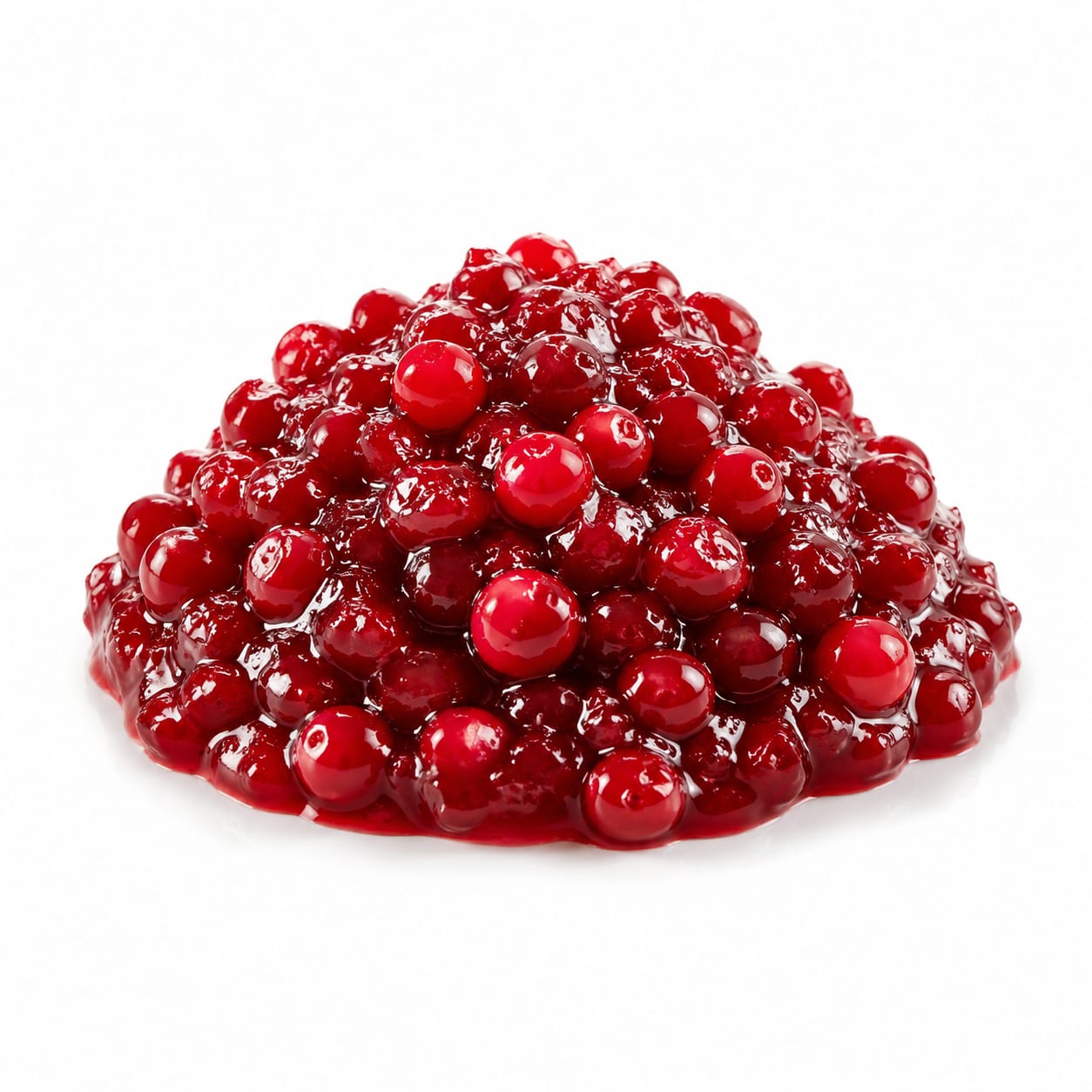
Lingonberry
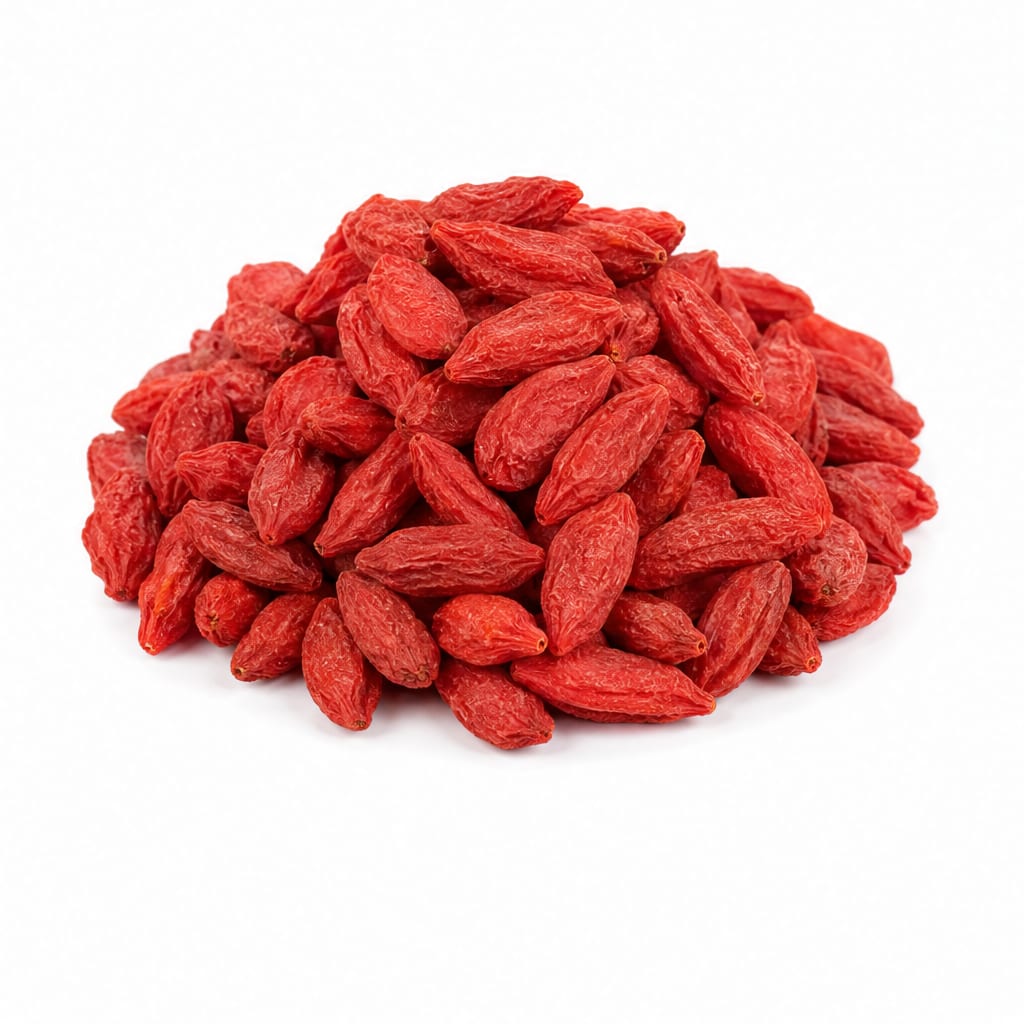
Goji Berry
Lingonberries win on lower sugar and cleaner sourcing; goji berries win on eye health and convenience. Your priority determines the winner.
Lingonberries score higher due to lower sugar, cleaner sourcing, and stronger evidence for urinary tract benefits. Goji berries remain compelling for eye health and convenience but lose points on pesticide risk and higher sugar density when dried.
Lingonberries offer tart, low-sugar protection for urinary and metabolic health from pristine environments, while goji berries deliver sweeter, more accessible eye-health benefits but carry higher sugar and pesticide concerns.
At a glance
Executive summary
Overall
It depends
Healthier
Lingonberry
More practical
Goji Berry
Daily use
It depends
Key comparison lenses
antioxidant superfood comparison
Both are marketed as antioxidant powerhouses, so users want to know which delivers more real-world benefit
sugar and blood impact
Goji berries are notably sweeter and often dried, raising blood sugar concerns that lingonberries avoid
sourcing safety and contamination
Goji berries are predominantly sourced from China with documented pesticide issues, while lingonberries grow in cleaner Nordic environments
eye health vs urinary health
Each berry shines in a different health niche—goji for vision, lingonberry for urinary tract protection
daily practicality and versatility
Fresh lingonberries are hard to find outside Scandinavia, while dried goji berries are widely available but concentrated in sugar
Best choice for
Lingonberry
- People watching blood sugar or cutting sugar intake
- Those prone to urinary tract infections
- Consumers worried about pesticide exposure and sourcing transparency
- Anyone seeking a tart, low-calorie flavor addition to meals
Goji Berry
- People focused on eye health and macular protection
- Those wanting an easy-to-find dried superberry for trail mixes and smoothies
- Anyone needing portable, shelf-stable nutrition
- People looking for higher protein content in a berry
Least suitable for
Lingonberry
- People who cannot find fresh or minimally sweetened lingonberry products locally
- Anyone sensitive to tart flavors who would default to sugar-laden lingonberry jam instead
- Those specifically seeking zeaxanthin for eye health
Goji Berry
- People managing diabetes or insulin resistance who need to limit sugar
- Those on blood-thinning medications (goji can interact with warfarin)
- Consumers who prioritize organic or low-pesticide sourcing guarantees
Deep comparison
Dimension by dimension
Each lens scores both foods and breaks down who each option suits.
- Dimension 1 · Priority 92Lingonberry
sugar_and_blood_sugar_impact
Lingonberry · 88Goji Berry · 52Lingonberries are naturally low in sugar and have a gentler effect on blood glucose. Dried goji berries are significantly sweeter and more concentrated.
Tradeoff
Goji berries taste more appealing as a standalone snack, but that sweetness comes with a blood sugar cost that lingonberries sidestep entirely.
Why it matters
For anyone managing weight, energy crashes, or metabolic health, the sugar difference is the most consequential factor between these two berries.
Real-world impact
A handful of dried goji berries can spike blood sugar similarly to other dried fruits, while lingonberries provide tart flavor without the glucose roller coaster.
Lingonberry
- Steadier energy throughout the day
- Lower risk of sugar-driven cravings
- More forgiving for diabetic or prediabetic diets
Better for
- Too tart to enjoy alone for many people
- Often consumed as jam with added sugar, negating the benefit
Worse for
Goji Berry
- More satisfying as a standalone sweet snack
- Easier to eat without adding sweeteners
Better for
- Dried form concentrates sugar significantly
- Easy to overeat due to sweet taste and small size
Worse for
- Dimension 2 · Priority 90It depends
antioxidant_profile_and_disease_prevention
Lingonberry · 82Goji Berry · 85Goji berries edge ahead on total antioxidant variety and zeaxanthin for eye health. Lingonberries excel with proanthocyanidins that specifically protect the urinary tract.
Tradeoff
Goji berries offer broader antioxidant coverage with a vision-specific superpower, while lingonberries deliver targeted protection where few other foods can compete.
Why it matters
Your personal health concerns should drive this choice—eye health leans goji, urinary and anti-inflammatory needs lean lingonberry.
Real-world impact
Regular goji consumption supports long-term eye health in a way lingonberries cannot match, but lingonberries prevent UTIs in a way goji berries cannot replicate.
Lingonberry
- Urinary tract infection prevention comparable to cranberry
- Strong anti-inflammatory compounds that may ease joint discomfort
- Polyphenols linked to metabolic protection
Better for
- Less research on eye-specific benefits
- Smaller body of clinical evidence overall compared to goji
Worse for
Goji Berry
- Highest natural source of zeaxanthin for macular health
- Broader spectrum of carotenoids and vitamin A precursors
- More studied for immune modulation and anti-aging effects
Better for
- Lacks the specific proanthocyanidins that prevent bacterial adhesion in the urinary tract
- Some antioxidant claims are inflated by marketing beyond what evidence supports
Worse for
- Dimension 3 · Priority 86Lingonberry
sourcing_safety_and_contamination
Lingonberry · 90Goji Berry · 48Lingonberries grow wild in Nordic forests with minimal pesticide exposure. Most goji berries are imported from China, where pesticide residue issues are well-documented.
Tradeoff
Goji berries are far more available globally, but that convenience comes with less transparency about growing conditions and chemical treatments.
Why it matters
Long-term exposure to pesticide residues matters more than most people think, especially for foods consumed daily as health supplements.
Real-world impact
Choosing organic goji berries mitigates much of this concern, but organic certification from Chinese supply chains is harder to verify than Nordic wild-harvested lingonberries.
Lingonberry
- Wild-harvested in clean Nordic environments with minimal chemical exposure
- Stronger regulatory oversight from Scandinavian food safety authorities
- Lower risk of heavy metal contamination
Better for
- Limited sourcing transparency when sold as processed products like jam
Worse for
Goji Berry
- Organic options are increasingly available from reputable brands
Better for
- Documented pesticide residue issues in multiple testing surveys
- Supply chain opacity for many bulk and discount brands
- Potential heavy metal exposure from soil in some growing regions
Worse for
- Dimension 4 · Priority 75Goji Berry
availability_and_everyday_convenience
Lingonberry · 45Goji Berry · 85Dried goji berries are available in nearly every health food store and online retailer. Fresh lingonberries are scarce outside Scandinavia, often limited to preserves or frozen forms.
Tradeoff
Goji berries win on accessibility, but the dried form changes the nutritional profile. Lingonberries are harder to find but worth seeking out if you can access them.
Why it matters
The healthiest berry in the world does nothing if you cannot reliably buy and eat it.
Real-world impact
Most people can grab goji berries at a local store today, while finding real lingonberries might require specialty shopping or online orders.
Lingonberry
- Available as preserves and frozen puree through Nordic specialty retailers
- Growing online availability of unsweetened lingonberry products
Better for
- Fresh lingonberries are essentially unavailable outside Nordic countries
- Most commercial lingonberry products are jam with high added sugar
- Requires more effort to find unsweetened or minimally processed forms
Worse for
Goji Berry
- Universally available in health food stores, supermarkets, and online
- Shelf-stable dried form requires no refrigeration
- Easy to add to oatmeal, yogurt, smoothies, and trail mix without prep
Better for
- Dried form is less versatile for savory dishes compared to fresh berries
Worse for
- Dimension 5 · Priority 78Lingonberry
nutrient_density_per_calorie
Lingonberry · 82Goji Berry · 70Lingonberries deliver more micronutrient value per calorie due to their lower sugar content. Goji berries offer more iron and protein but at a higher caloric cost.
Tradeoff
Goji berries provide nutrients that lingonberries lack, especially iron and vitamin A, but you pay for them with more calories and sugar.
Why it matters
If you are tracking calories or eating berries primarily for health rather than enjoyment, nutrient density per calorie matters.
Real-world impact
You can eat a larger volume of lingonberries for fewer calories, making them easier to incorporate into calorie-conscious diets.
Lingonberry
- More vitamins and antioxidants per calorie consumed
- Lower calorie density allows larger portions without guilt
- Higher fiber relative to sugar content
Better for
- Lower in iron and vitamin A compared to goji berries
- Less protein per serving
Worse for
Goji Berry
- Meaningful iron content rare in berries
- Notable vitamin A and beta-carotene levels
- More protein per serving than most berries including lingonberry
Better for
- Higher calorie density means smaller margin for overeating
- Sugar displaces some of the micronutrient advantage
Worse for
- Dimension 6 · Priority 70Lingonberry
medication_interactions_and_safety
Lingonberry · 88Goji Berry · 62Lingonberries have no significant documented drug interactions. Goji berries can interact with blood thinners like warfarin and may affect blood pressure medications.
Tradeoff
Goji berries have more pharmacological activity, which is a double-edged sword—more potential benefit but also more potential for unwanted interactions.
Why it matters
Anyone on medication needs to know that goji berries are not inert and can change how drugs work in the body.
Real-world impact
A person on warfarin could experience dangerous bleeding changes from regular goji consumption, while lingonberries pose essentially no interaction risk.
Lingonberry
- No known significant drug interactions
- Safe for people on blood thinners, blood pressure meds, and most prescriptions
- Lower risk of unexpected side effects
Better for
- Less researched for specific therapeutic applications
Worse for
Goji Berry
- Pharmacological activity may offer additional therapeutic benefits for some conditions
Better for
- Documented interaction with warfarin and other anticoagulants
- May affect blood pressure medication efficacy
- Can alter how the liver metabolizes certain drugs
Worse for
Timeline
Health impact over time
Short-term
Hours to days
Lingonberry
- Tart flavor may reduce overconsumption compared to sweeter berries
- Low sugar content prevents energy crashes after eating
- Proanthocyanidins begin protecting urinary tract within hours of consumption
Goji Berry
- Quick source of natural sugar for pre-workout energy
- Noticeable satiety from fiber and protein content in dried form
- Zeaxanthin begins accumulating in retinal tissue with regular intake
Long-term
Months to years
Lingonberry
- Consistent urinary tract protection reduces infection frequency over time
- Low sugar intake supports metabolic health and weight maintenance
- Anti-inflammatory polyphenols may lower chronic disease risk with regular consumption
Goji Berry
- Zeaxanthin accumulation protects against age-related macular degeneration
- Iron and vitamin A content supports long-term energy and immune function
- Pesticide exposure from non-organic sources could undermine some benefits
Risk profile
Safety & processing
Both berries are naturally wholesome, but the drying process for goji berries concentrates sugar and changes the nutritional profile. Fresh or frozen lingonberries are closer to their natural state, while most commercially available goji berries have been dried, sometimes with added sulfites or sweeteners.
Lingonberry
Added sugar in commercial lingonberry products
mediumMost lingonberry jams and preserves contain substantial added sugar, which can negate the natural low-sugar advantage. Always check labels for unsweetened versions.
Limited fresh availability leading to processed alternatives
lowOutside Nordic countries, finding unprocessed lingonberries is difficult, pushing consumers toward sweeter preserved forms.
Goji Berry
Pesticide residue contamination
highMultiple studies have found concerning pesticide levels in goji berries sourced from China, including residues of chemicals banned in the EU and US. Choosing certified organic mitigates but does not eliminate this risk.
Sulfite preservatives in some dried goji products
mediumSome producers use sulfur dioxide to preserve color and extend shelf life, which can trigger reactions in sensitive individuals.
Drug interaction with anticoagulants
highGoji berries can significantly increase the effect of warfarin and other blood thinners, potentially causing dangerous bleeding. Anyone on these medications should consult their doctor.
Who wins for whom
Audience fit
Same foods, different winners depending on your goal.
children
Goji BerryKids prefer the sweeter taste of goji berries, making them more likely to actually eat them. The iron content also supports growing bodies.
daily consumption
LingonberryLower sugar, no drug interactions, and cleaner sourcing make lingonberries more sustainable as a daily habit without accumulating risks.
diabetes
LingonberrySignificantly lower sugar content and gentler blood sugar impact make lingonberries the safer choice for glucose management.
elderly
It dependsGoji berries protect aging eyes with zeaxanthin, but lingonberries are safer for seniors on blood thinners. The choice depends on medication status and eye health priorities.
muscle gain
Goji BerryGoji berries provide more protein and iron per serving, which matters more for muscle recovery and energy during training.
weight loss
LingonberryLower sugar and calorie density make lingonberries easier to enjoy without derailing a calorie deficit. Dried goji berries are easy to overeat.
Your move
Decision guide
Choose Lingonberry
- You are managing blood sugar, insulin resistance, or diabetes
- You want a low-sugar berry that will not trigger cravings
- You are on blood-thinning medication
- Pesticide exposure and sourcing transparency matter deeply to you
- You struggle with urinary tract infections
Choose Goji Berry
- Eye health and macular protection are your top priority
- You need a portable, shelf-stable superfood for travel or busy schedules
- You want a sweeter berry that satisfies as a standalone snack
- You need more iron and vitamin A in your diet
- You are not on anticoagulant medications
Either works if
- You simply want to add more antioxidant-rich berries to your diet
- You enjoy rotating different berries for variety and broader nutrient coverage
- You can access high-quality organic goji berries and unsweetened lingonberry products
Avoid both if
- You have a berry allergy or salicylate sensitivity
- You are looking for a significant protein source—neither berry delivers enough to matter
Final recommendation
If you can find unsweetened lingonberry products, they are the safer, lower-sugar choice for daily use. If eye health is your primary concern and you choose organic goji berries from reputable brands, goji is a worthy addition. The best approach for most people is rotating both—lingonberries for urinary and metabolic protection, goji berries for vision support—while staying mindful of sugar from dried goji and sourcing quality for both.
Practical
Consumer tips
- 1
Avoid lingonberry jam as a health product—most commercial versions contain more sugar than fruit. Look for frozen, dried without sugar, or puree forms instead.
- 2
Choose organic goji berries whenever possible, and research the brand's sourcing transparency. Cheap bulk goji berries often carry the highest pesticide risk.
- 3
If you are on warfarin or any blood thinner, skip goji berries entirely and enjoy lingonberries without worry.
- 4
Rehydrate dried goji berries in water or tea before eating to reduce sugar density per bite and make them more filling.
- 5
Mix both berries into oatmeal or yogurt for complementary benefits—lingonberries for tartness and UTI protection, goji berries for sweetness and eye health.
- 6
Store dried goji berries in the refrigerator after opening to preserve nutrients and prevent rancidity of their delicate fatty acids.