
Nutrition comparison
Lingonberry vs Elderberry: Nutrition, Immunity, and Safety Compared
Compare Lingonberry vs Elderberry for immune support, safety, and daily use. Learn which berry is better for colds, gut health, and everyday eating.
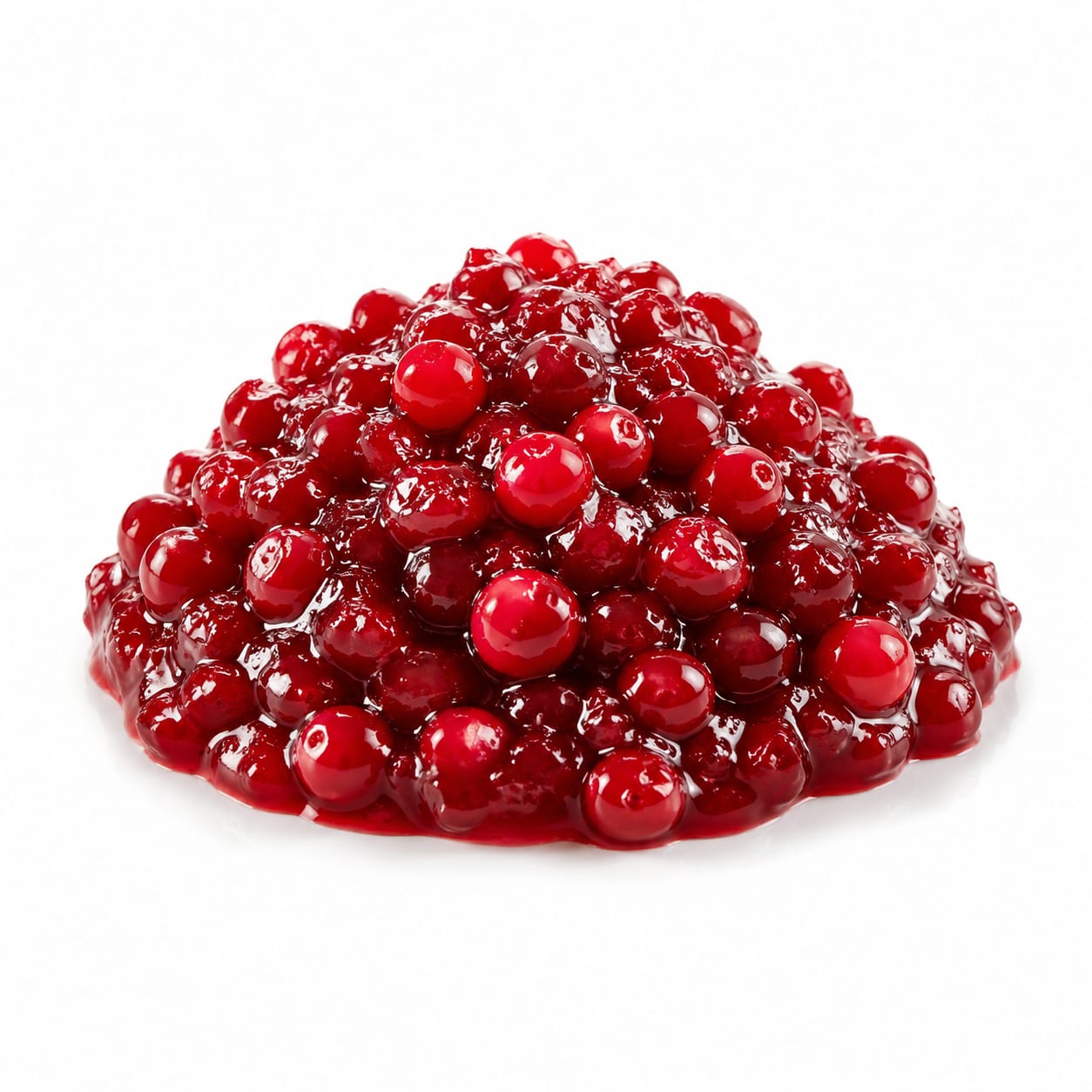
Lingonberry
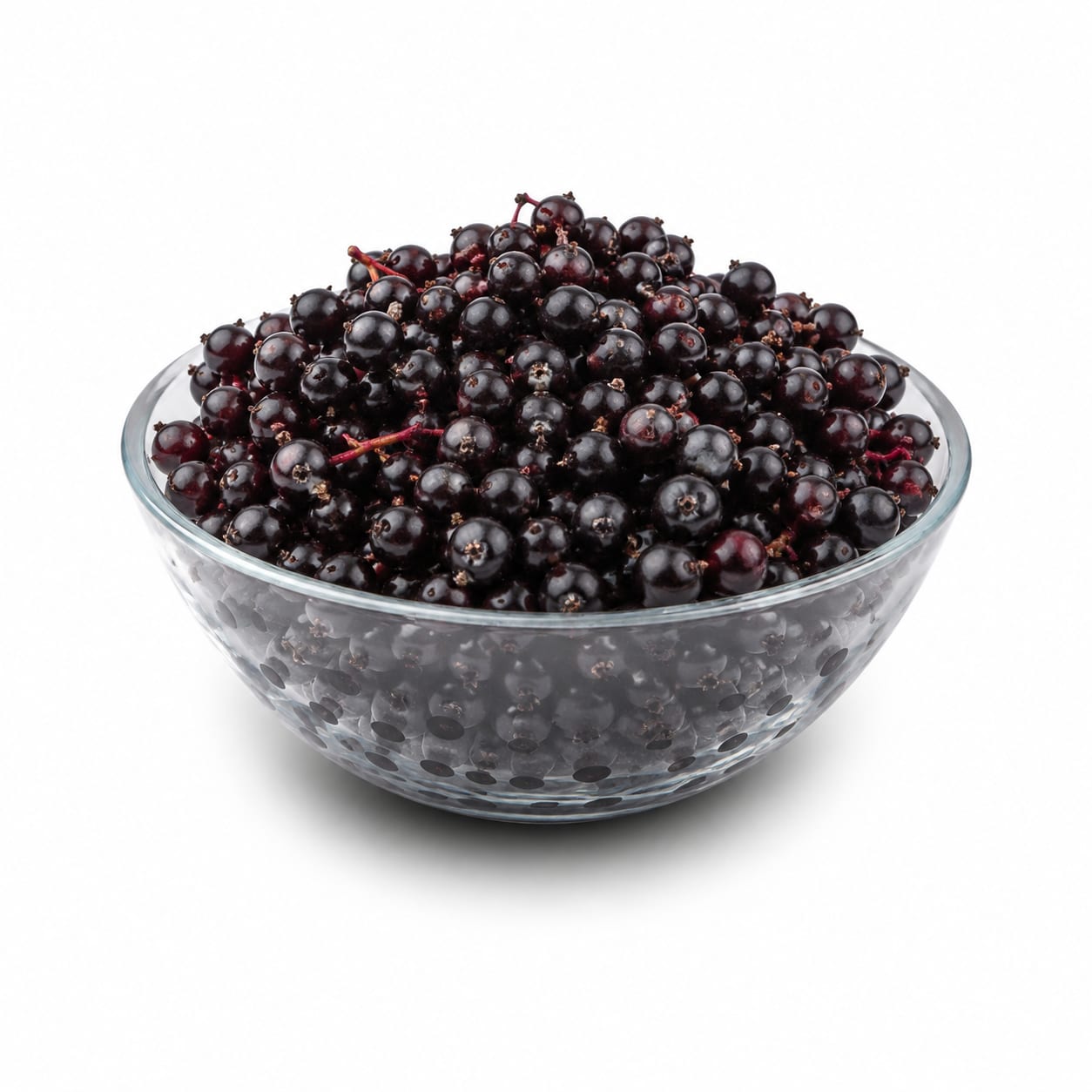
Elderberry
Lingonberry is a safer, more versatile everyday food, while Elderberry is a potent but strictly supplemental immune booster that requires careful preparation.
Lingonberry scores slightly higher for daily safety and versatility, while Elderberry's superior immune potency is balanced by its strict preparation requirements and toxicity risks.
Elderberry offers stronger targeted immune support but carries raw toxicity risks, whereas Lingonberry is safer to eat freely but usually consumed with more added sugar.
At a glance
Executive summary
Overall
It depends
Healthier
It depends
More practical
Lingonberry
Daily use
Lingonberry
Key comparison lenses
Immune support and illness prevention
Elderberry is famously used for cold and flu relief, making immune support the primary reason consumers compare these two berries.
Safety and preparation requirements
Elderberry carries toxicity risks when raw, while Lingonberries are safe to eat fresh, creating a major safety tradeoff.
Everyday nutritional value versus therapeutic use
Consumers need to know if they should eat these berries daily for general health or use them specifically when sick.
Best choice for
Lingonberry
- Everyday condiment use
- Safe raw snacking
- Gut health and digestion
Elderberry
- Cold and flu season immune support
- Targeted antioxidant supplementation
- Occasional therapeutic use
Least suitable for
Lingonberry
- Targeted acute immune support
- Those avoiding all added sugars (if eating traditional jam)
Elderberry
- Casual raw snacking
- Children without supervision (raw berry risk)
Deep comparison
Dimension by dimension
Each lens scores both foods and breaks down who each option suits.
- Dimension 1 · Priority 95Elderberry
Immune Support & Antioxidant Density
Lingonberry · 75Elderberry · 95Elderberry packs a heavier punch of anthocyanins and has strong clinical backing for reducing cold and flu duration.
Tradeoff
You get more immune power from Elderberry, but it must be properly cooked to neutralize toxins.
Why it matters
When you feel a cold coming on, you want reliable, concentrated immune support.
Real-world impact
Taking Elderberry syrup at the first sign of a sniffle might shorten your sick days, while Lingonberry acts more as general maintenance.
Lingonberry
- Daily antioxidant maintenance
- Low-risk long-term use
Better for
- Targeted acute illness support
Worse for
Elderberry
- Acute cold and flu relief
- High-dose anthocyanin intake
Better for
- Casual, unprepared consumption
Worse for
- Dimension 2 · Priority 90Lingonberry
Safety & Preparation Requirements
Lingonberry · 95Elderberry · 40Lingonberries are safe to eat raw right off the bush, while raw Elderberries contain cyanogenic glycosides that cause nausea and vomiting.
Tradeoff
Elderberry requires cooking or processing to be safe, adding a step that Lingonberry skips entirely.
Why it matters
Eating the wrong berry raw can ruin your day with stomach cramps and sickness.
Real-world impact
You can toss fresh Lingonberries into a salad safely, but doing the same with Elderberries could send you to the bathroom for hours.
Lingonberry
- Safe raw snacking
- Worry-free foraging
Better for
Elderberry
- Cooked recipes and syrups
Better for
- Raw eating
- Quick unprepared snacking
- Unsupervised children
Worse for
- Dimension 3 · Priority 80Lingonberry
Blood Sugar & Typical Preparation
Lingonberry · 55Elderberry · 50Both are extremely tart and rarely eaten raw without sweeteners, but Lingonberry preserves often contain slightly less added sugar than commercial Elderberry syrups and gummies.
Tradeoff
Neither berry is a low-sugar win in its typical form, though both offer decent fiber to soften the blood sugar spike.
Why it matters
If you are watching your sugar, the form you buy these in matters more than the berry itself.
Real-world impact
A spoonful of Lingonberry jam might have less sugar than a dose of Elderberry syrup, but both will add sugar to your day.
Lingonberry
- Lower-sugar condiment options
Better for
- Sugar-free snacking (if eating jam)
Worse for
Elderberry
- Therapeutic dosing rather than casual eating
Better for
- Avoiding added sugars (syrups are very sweet)
Worse for
- Dimension 4 · Priority 75Lingonberry
Anti-inflammatory & Gut Health
Lingonberry · 85Elderberry · 80Lingonberries have unique compounds like resveratrol and arbutin that specifically support gut lining integrity and fight gut inflammation.
Tradeoff
Elderberry fights systemic inflammation well, but Lingonberry has a slight edge for digestive tract health.
Why it matters
A healthy gut lining prevents bloating and supports overall immunity.
Real-world impact
Regularly eating Lingonberries might lead to smoother digestion and less bloating compared to the more systemically-focused Elderberry.
Lingonberry
- Gut lining support
- Digestive regularity
Better for
Elderberry
- Systemic inflammation reduction
Better for
- Targeted gut microbiome benefits
Worse for
Timeline
Health impact over time
Short-term
Hours to days
Lingonberry
- Quick antioxidant boost
- Mild blood sugar increase if eating Lingonberry jam
Elderberry
- Potential stomach upset if eating raw Elderberry
- Immune system stimulation if taking Elderberry syrup
Long-term
Months to years
Lingonberry
- Improved gut health from Lingonberries
- Steady anti-inflammatory protection
Elderberry
- Reduced frequency and duration of viral infections from Elderberry
- Strong systemic antioxidant defense
Risk profile
Safety & processing
Both are natural berries, but Elderberry is almost always processed into syrups or extracts for safety and taste, while Lingonberries are often enjoyed simply cooked with sugar.
Lingonberry
Pesticide residue (conventional farming)
lowAs with all berries, washing is recommended, but Lingonberries are generally low on the pesticide scale.
Elderberry
Cyanogenic glycoside toxicity (raw berries)
highRaw Elderberries contain compounds that convert to cyanide in the body, causing severe nausea, vomiting, and diarrhea. Must be cooked before consumption.
Commercial syrup sugar content
mediumMany Elderberry syrups are loaded with sugar or honey to be palatable, which can be a concern for daily use.
Who wins for whom
Audience fit
Same foods, different winners depending on your goal.
children
LingonberryLingonberry is safe for kids to eat in any form, whereas raw Elderberries pose a significant poisoning risk to curious children.
daily consumption
LingonberryLingonberry is safer and more versatile for everyday eating without the strict preparation rules of Elderberry.
diabetes
LingonberryLingonberry has a lower typical sugar load in its common forms compared to heavily sweetened Elderberry syrups.
elderly
It dependsElderberry is excellent for elderly immune support, but Lingonberry is safer and better for daily gut health maintenance.
muscle gain
It dependsNeither berry is relevant for muscle gain; they are both low-protein, low-calorie foods.
weight loss
LingonberryLingonberry is easier to find in lower-sugar preserves and offers more fiber per typical serving, keeping you fuller.
Your move
Decision guide
Choose Lingonberry
- You want a safe, versatile Lingonberry condiment for everyday meals
- You prefer Lingonberry's savory pairing potential with meats and oats
- You are focused on gut health and steady anti-inflammatory intake from Lingonberries
- You have children and want worry-free Lingonberry snacks
Choose Elderberry
- You are looking for targeted Elderberry immune support during cold season
- You are comfortable cooking or buying properly prepared Elderberry syrups
- You want the highest concentration of anthocyanins from Elderberry
- You need short-term therapeutic Elderberry use rather than daily snacking
Either works if
- You want a general antioxidant boost
- You are adding cooked berries to a recipe
Avoid both if
- You are on a strict zero-added-sugar diet and only have access to sweetened versions
- You have a severe salicylate sensitivity
Final recommendation
Keep Lingonberry in your kitchen for daily use and gut health, but stock Elderberry syrup in your medicine cabinet for when cold season hits.
Practical
Consumer tips
- 1
Never eat raw Elderberries; always cook them thoroughly or buy pre-cooked syrups.
- 2
Look for low-sugar Lingonberry preserves to get the benefits without the blood sugar spike.
- 3
If buying Elderberry syrup, check the label for added sugars and actual berry content.
- 4
Frozen Lingonberries retain their nutrients well and are easy to add to smoothies or oatmeal.
- 5
For immune support, Elderberry is most effective at the very first sign of a cold, not as a daily preventative.