
Nutrition comparison
Lingonberry vs Blueberry: Which Berry Is Healthier for You?
Compare lingonberries and blueberries on sugar, antioxidants, brain health, UTI prevention, and practicality. Find out which berry fits your health goals better.
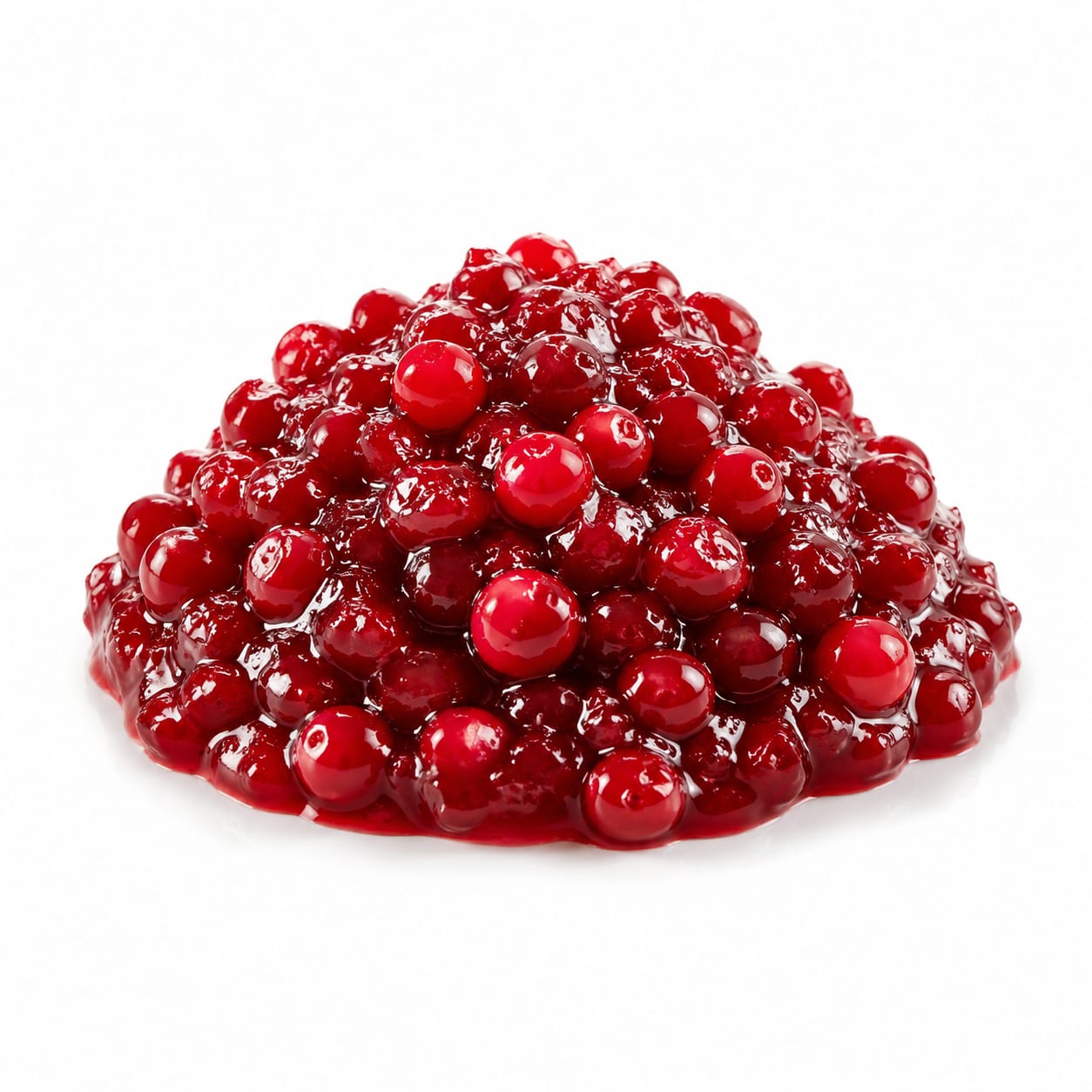
Lingonberry
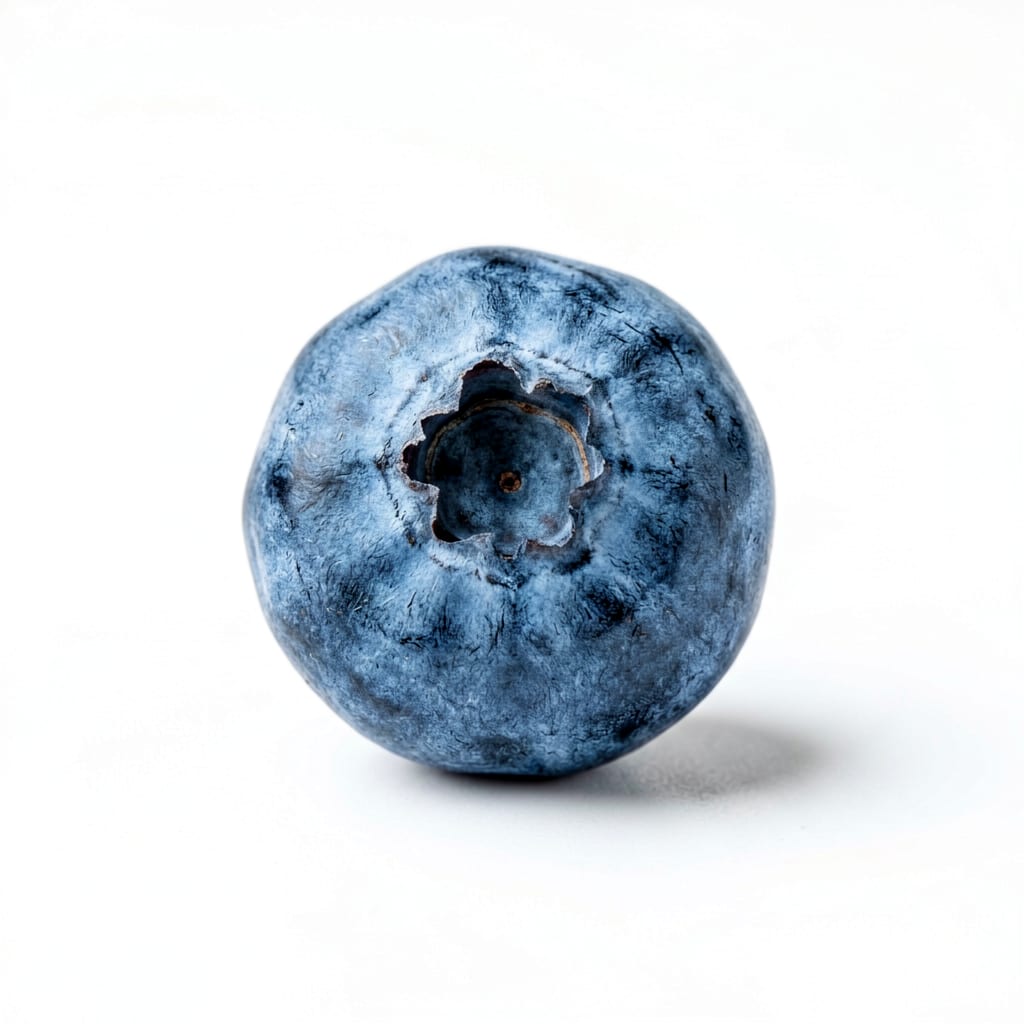
Blueberry
Blueberries win on convenience and brain health, while lingonberries win on lower sugar and urinary tract protection — but most lingonberry products are heavily sweetened, which erases that advantage.
Blueberries score higher mainly due to fresh availability and broader research backing. Lingonberries would score closer if you can find unsweetened versions, but most consumers encounter them as jam with significant added sugar.
Lingonberries are naturally lower in sugar and uniquely protective for urinary health, but finding them without added sugar is difficult. Blueberries are easier to find fresh and have stronger evidence for cognitive benefits.
At a glance
Executive summary
Overall
It depends
Healthier
It depends
More practical
Blueberry
Daily use
Blueberry
Key comparison lenses
antioxidant diversity and brain health
Both berries are antioxidant powerhouses but with different phytonutrient profiles that target different health outcomes
availability and processing concerns
Lingonberries are rarely available fresh and often sold as sugar-laden jam, which dramatically changes their health profile
sugar content and blood impact
Lingonberries are notably lower in sugar, making them relevant for blood sugar conscious consumers
urinary tract vs cognitive benefits
Each berry has a signature health benefit that differentiates them meaningfully
pesticide exposure risk
Blueberries frequently appear on pesticide concern lists while lingonberries typically grow in less contaminated northern environments
Best choice for
Lingonberry
- People prone to urinary tract infections
- Those strictly limiting sugar intake
- Anyone seeking gut-friendly prebiotic effects
- Nordic diet enthusiasts wanting traditional ingredients
Blueberry
- People prioritizing brain health and memory
- Those wanting fresh berries year-round
- Anyone seeking well-studied antioxidant benefits
- People who want a versatile everyday berry
Least suitable for
Lingonberry
- People avoiding added sugar who can only find lingonberry jam
- Those wanting fresh berries for salads or snacking
- Anyone unfamiliar with tart flavors
Blueberry
- People strictly limiting sugar who eat large portions
- Those concerned about pesticide exposure who cannot afford organic
- Anyone seeking UTI-specific benefits
Deep comparison
Dimension by dimension
Each lens scores both foods and breaks down who each option suits.
- Dimension 1 · Priority 93Blueberry
antioxidant_profile_and_disease_protection
Lingonberry · 78Blueberry · 88Blueberries have more extensively studied anthocyanin content linked to brain health, while lingonberries offer unique proanthocyanidins that target urinary and gut health differently.
Tradeoff
Blueberries give you stronger cognitive protection evidence; lingonberries give you antimicrobial and gut benefits that blueberries cannot match.
Why it matters
If memory and focus are your priority, blueberries have the edge. If urinary tract health or gut flora balance matters more, lingonberries are the better pick.
Real-world impact
Eating blueberries regularly may help you stay sharper as you age. Eating lingonberries regularly may mean fewer UTIs and better digestion.
Lingonberry
- Urinary tract infection prevention
- Gut microbiome support
- Antimicrobial protection
Better for
- Limited human clinical trials compared to blueberries
Worse for
Blueberry
- Cognitive function and memory
- Cardiovascular protection
- Eye health
Better for
- Less effective for UTI prevention
- Weaker antimicrobial properties
Worse for
- Dimension 2 · Priority 87Lingonberry
sugar_content_and_blood_sugar_impact
Lingonberry · 86Blueberry · 68Fresh lingonberries contain roughly half the sugar of blueberries, making them gentler on blood sugar. However, most lingonberry products add sugar that reverses this advantage entirely.
Tradeoff
The natural sugar advantage of lingonberries disappears the moment you buy them as jam or preserves. Blueberries are sweeter but consistently eaten fresh.
Why it matters
If you are watching blood sugar or managing diabetes, the form in which you consume lingonberries determines whether they are actually the better choice.
Real-world impact
A cup of fresh blueberries has about 15g of sugar. A cup of fresh lingonberries has about 7g. But two tablespoons of lingonberry jam can contain 12g of added sugar alone.
Lingonberry
- Lower natural sugar content
- Gentler blood sugar response when unsweetened
- Better for keto or low-carb approaches if found unsweetened
Better for
- Added sugar in most commercial products
- Difficult to find unsweetened outside Scandinavia
Worse for
Blueberry
- Predictable sugar content since usually eaten fresh
- No hidden added sugars
- Easier to portion control
Better for
- Higher natural sugar per serving
- Easier to overeat due to sweetness
Worse for
- Dimension 3 · Priority 90Blueberry
availability_and_everyday_practicality
Lingonberry · 42Blueberry · 91Blueberries are available fresh year-round in most grocery stores. Lingonberries are rarely found fresh outside Scandinavia and are typically sold as jam, dried, or frozen.
Tradeoff
You can grab blueberries anywhere. Finding real lingonberries without added sugar requires effort, specialty stores, or online ordering.
Why it matters
The healthiest berry is the one you can actually eat regularly. Availability often determines consistency more than nutrition profiles.
Real-world impact
Blueberries are an easy weekly grocery staple. Lingonberries might be a specialty purchase you make once a month or less.
Lingonberry
- Long shelf life when purchased as preserves
- Unique flavor that adds variety to meals
Better for
- Very limited fresh availability outside Nordic countries
- Often only found as sugar-heavy jam
- Higher cost when imported
Worse for
Blueberry
- Available fresh in virtually every grocery store
- Easy to find organic options
- Available frozen without added sugar
- More versatile in recipes
Better for
- Can be expensive out of season
- Organic options cost significantly more
Worse for
- Dimension 4 · Priority 76Lingonberry
pesticide_and_contamination_risk
Lingonberry · 84Blueberry · 62Blueberries frequently rank on EWG's Dirty Dozen list for pesticide residues. Lingonberries typically grow in northern wilderness areas with lower contamination exposure.
Tradeoff
Lingonberries grow in cleaner environments but are harder to verify organically. Blueberries have higher pesticide risk but organic options are widely available.
Why it matters
If you eat berries daily, pesticide accumulation matters more. Choosing organic blueberries eliminates most concern.
Real-world impact
Conventional blueberries are one of the more pesticide-heavy fruits you can buy. Lingonberries from northern regions carry less of this burden naturally.
Lingonberry
- Grows in low-contamination northern environments
- Less likely to have heavy pesticide residues
- Often wild-harvested rather than intensively farmed
Better for
- Harder to find certified organic labeling
- Processing may introduce other contaminants
Worse for
Blueberry
- Organic blueberries are widely available
- Well-regulated certification standards
Better for
- Conventional blueberries often have multiple pesticide residues
- Frequently on EWG Dirty Dozen list
Worse for
- Dimension 5 · Priority 72Blueberry
taste_and_culinary_versatility
Lingonberry · 65Blueberry · 82Blueberries are sweeter and more versatile in both sweet and savory dishes. Lingonberries are distinctly tart and pair best with specific Nordic and savory applications.
Tradeoff
Blueberries work in smoothies, baking, salads, and snacking. Lingonberries shine with meat dishes, oatmeal, and traditional Scandinavian recipes but feel limiting elsewhere.
Why it matters
If a food does not taste good in your routine, you will not eat it regardless of its health profile.
Real-world impact
Most people can eat blueberries daily without getting bored. Lingonberries are more of an occasional flavor accent than a daily staple.
Lingonberry
- Excellent with savory meat dishes like Swedish meatballs
- Unique tartness that cuts through rich foods
- Traditional pairing with oatmeal and porridge
Better for
- Too tart for most people to eat fresh by the handful
- Limited recipe compatibility outside Nordic cuisine
Worse for
Blueberry
- Pleasant sweetness works in smoothies and baking
- Easy to eat plain as a snack
- Works in both sweet and savory recipes
- Kid-friendly flavor
Better for
- Can feel one-dimensionally sweet in savory dishes
- Less complexity than tart berries
Worse for
Timeline
Health impact over time
Short-term
Hours to days
Lingonberry
- Quick satiety from tartness reducing overeating
- Potential blood sugar stability when consumed unsweetened
- Mild antimicrobial effect supporting urinary comfort
Blueberry
- Natural energy boost from easily digestible sugars
- Quick antioxidant absorption supporting circulation
- Mild mood lift from sweet taste and carb content
Long-term
Months to years
Lingonberry
- Reduced UTI recurrence with regular consumption
- Gut microbiome diversity improvements from unique prebiotic fibers
- Lower cumulative sugar exposure if unsweetened versions are sourced
Blueberry
- Better cognitive preservation with age based on extensive research
- Cardiovascular risk reduction from consistent anthocyanin intake
- Potential eye health benefits from accumulated antioxidant protection
Risk profile
Safety & processing
Fresh or frozen blueberries are typically sold with no additives. Lingonberries are most commonly found as jam or preserves with added sugar and sometimes pectin, making them significantly more processed in practice.
Lingonberry
Added sugar in commercial products
highMost lingonberry jam contains 40-50% added sugar, which can negate the natural low-sugar advantage and contribute to metabolic issues if consumed regularly.
Limited sourcing transparency
lowWild-harvested lingonberries may come from areas with less quality oversight compared to commercially farmed berries.
Blueberry
Pesticide residues on conventional berries
mediumBlueberries frequently test positive for multiple pesticide residues. Washing helps but does not eliminate all exposure. Organic reduces this significantly.
Mold and spoilage
lowFresh blueberries spoil quickly and can harbor mold that spreads fast. Inspect containers carefully and refrigerate promptly.
Who wins for whom
Audience fit
Same foods, different winners depending on your goal.
children
BlueberryBlueberries are sweeter, easier to find fresh, and kids actually enjoy eating them plain. Lingonberries are too tart for most children unless sweetened, which defeats the purpose.
daily consumption
BlueberryBlueberries are practical, available, and well-tolerated for daily eating. Lingonberries are harder to source consistently and most commercial options contain too much sugar for daily use.
diabetes
LingonberryFresh lingonberries have a lower glycemic impact due to less sugar and more fiber relative to sugar content. Again, this assumes unsweetened forms only.
elderly
BlueberryBlueberries have stronger evidence for cognitive protection in aging populations, which is often the most relevant health concern for older adults.
muscle gain
BlueberryBlueberries provide slightly more carbohydrates for post-workout recovery and are far easier to eat in larger quantities alongside protein sources.
weight loss
LingonberryUnsweetened lingonberries have roughly half the sugar and calories per serving, making them easier to fit into a calorie deficit. But this only holds if you find them without added sugar.
Your move
Decision guide
Choose Lingonberry
- You struggle with recurrent urinary tract infections
- You can find frozen or dried lingonberries without added sugar
- You want a lower-sugar berry for oatmeal or yogurt
- You enjoy tart flavors and Nordic cuisine
Choose Blueberry
- You want brain health and memory protection
- You need a berry you can buy fresh any week of the year
- You are feeding kids who prefer sweeter fruit
- You want maximum antioxidant research backing
- You eat berries daily and need something sustainable
Either works if
- You just want more berry variety in your diet
- You are generally healthy and adding fruit for micronutrients
- You alternate between different berries throughout the week
Avoid both if
- You have a severe berry allergy
- You are on a very strict very-low-carb diet and cannot spare the carbohydrates
Final recommendation
Eat blueberries as your daily default berry for convenience and cognitive benefits. Add lingonberries when you can find unsweetened versions, especially if urinary tract health is a personal concern. The best approach is rotating both, but prioritize the one you will actually eat consistently.
Practical
Consumer tips
- 1
If buying lingonberries, check the ingredient list carefully. Many lingonberry jams contain more sugar than fruit.
- 2
Frozen wild blueberries often have higher antioxidant levels than fresh conventional blueberries and cost less.
- 3
If you find unsweetened frozen lingonberries, buy them in bulk. They store well and are rare to find.
- 4
Wash blueberries right before eating, not before storing. Pre-washing accelerates mold growth.
- 5
Organic blueberries are worth the premium if you eat them daily. The pesticide reduction is meaningful at high consumption levels.
- 6
Mixing both berries together gives you the broadest antioxidant coverage and a more interesting flavor profile.