
Nutrition comparison
Lima Beans vs Pinto Beans: Nutrition, Fiber, and Which to Choose
Compare Lima Beans and Pinto Beans on fiber, minerals, blood sugar impact, and culinary versatility. Find out which bean fits your health goals and kitchen routine.
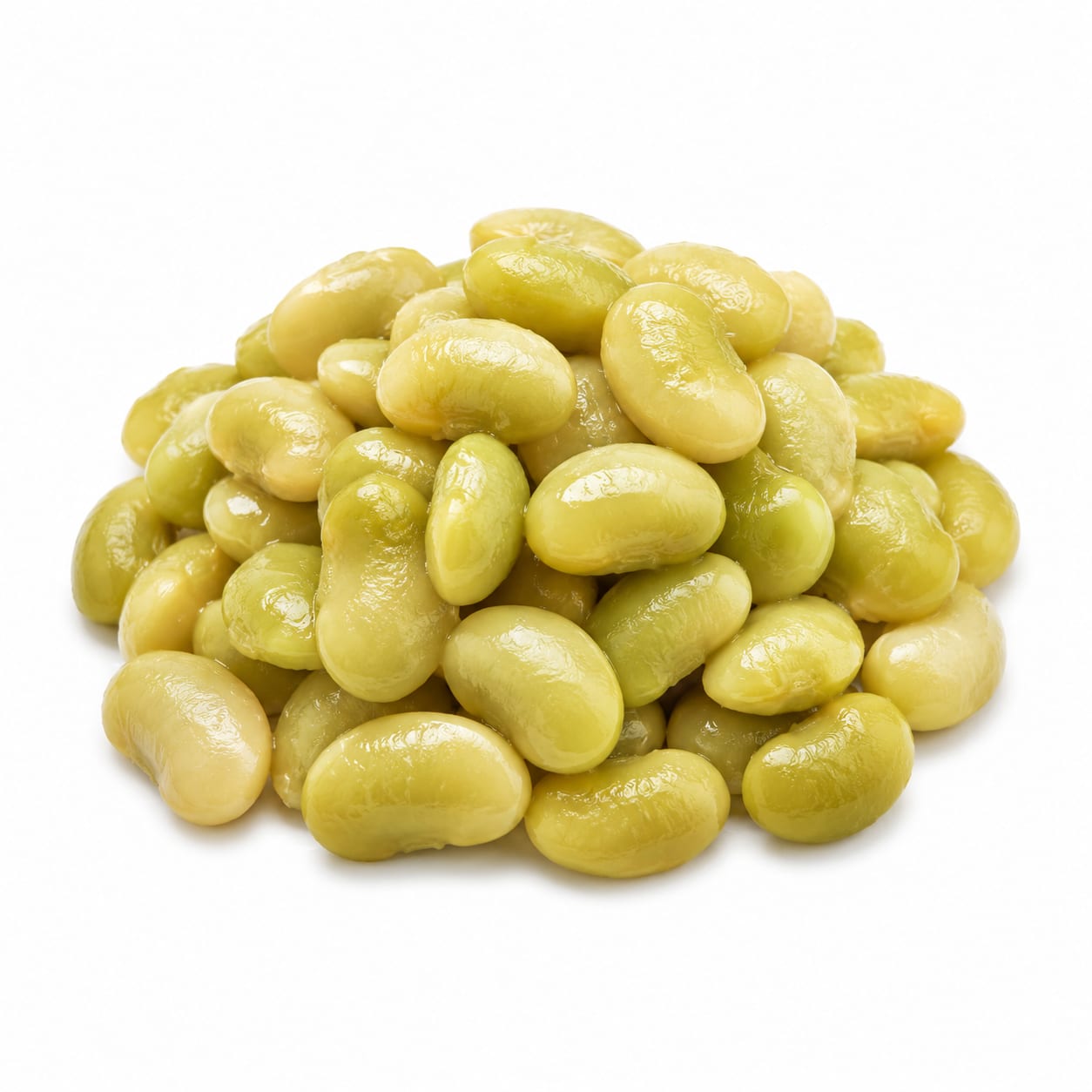
Lima Bean
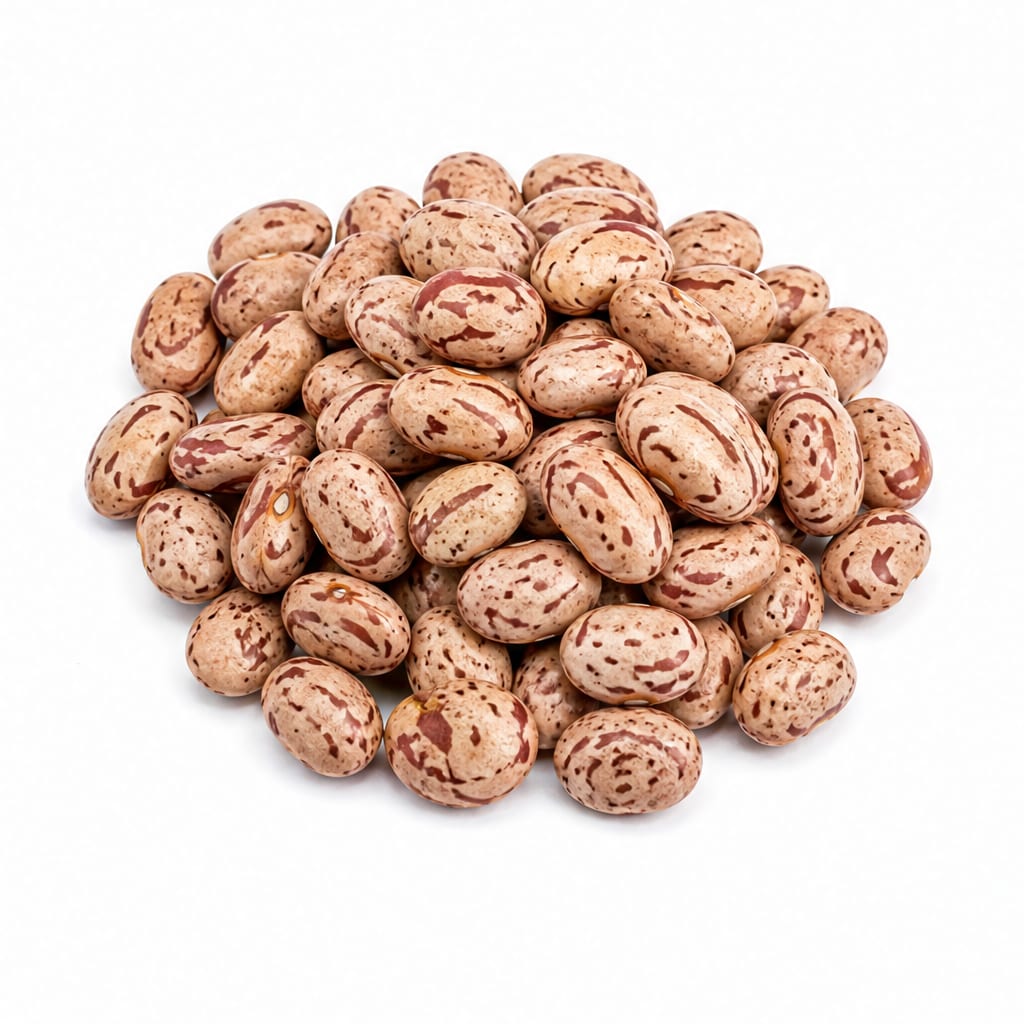
Pinto Beans
Lima Beans win on fiber and mineral density; Pinto Beans win on culinary versatility and easier daily integration.
Pinto Beans edge ahead on practicality and daily usability while Lima Beans offer a slight nutritional edge. The close scores reflect that both are excellent legume choices with different strengths.
More micronutrient firepower and fullness from Lima Beans versus more recipe flexibility and wider acceptance from Pinto Beans.
At a glance
Executive summary
Overall
It depends
Healthier
Lima Bean
More practical
Pinto Beans
Daily use
Pinto Beans
Key comparison lenses
fiber and digestive health
Both are high-fiber legumes but Lima Beans deliver significantly more fiber per serving, making gut health a key differentiator
blood sugar management
Carb density and fiber differences create meaningful glycemic tradeoffs between these two staples
mineral density and micronutrition
Lima Beans pack more iron, potassium, and manganese per calorie, which matters for anemia-prone and active populations
culinary practicality and recipe versatility
Pinto Beans dominate everyday cooking especially in Latin American cuisine while Lima Beans are more niche
satiety and weight management
Calorie density and fiber content differ enough to affect how full you feel and how easily portions stay controlled
safety and preparation requirements
Raw Lima Beans contain cyanogenic glycosides requiring proper cooking, a safety concern absent in Pinto Beans
Best choice for
Lima Bean
- People prioritizing maximum fiber intake
- Those needing extra iron or potassium
- Anyone seeking stronger satiety per serving
- Slow-carb and low-glycemic meal planners
Pinto Beans
- Home cooks wanting versatile everyday legumes
- Families with picky eaters who prefer milder flavors
- Meal preppers building batch-friendly recipes
- Anyone new to cooking dried beans from scratch
Least suitable for
Lima Bean
- People unfamiliar with proper legume preparation safety
- Those who dislike creamy or buttery bean textures
- Anyone seeking quick weeknight meal solutions with limited cooking time
Pinto Beans
- Those strictly maximizing fiber per calorie
- People needing the highest mineral density possible from legumes
- Anyone avoiding higher-sodium canned options when dry cooking is not feasible
Deep comparison
Dimension by dimension
Each lens scores both foods and breaks down who each option suits.
- Dimension 1 · Priority 92Lima Bean
fiber and digestive health
Lima Bean · 88Pinto Beans · 72Lima Beans deliver roughly 50% more fiber per cooked cup, making them significantly better for gut health and regularity.
Tradeoff
That extra fiber can cause bloating if you ramp up too quickly, especially for people not used to high-fiber diets.
Why it matters
Fiber is the nutrient most people consistently underconsume, and the gap here is large enough to meaningfully affect digestion and fullness.
Real-world impact
A cup of Lima Beans at lunch keeps you fuller through the afternoon better than the same volume of Pinto Beans.
Lima Bean
- People with sluggish digestion needing more roughage
- Anyone trying to hit 30g+ daily fiber targets efficiently
Better for
- Those prone to bloating or IBS flare-ups from high fiber
Worse for
Pinto Beans
- People with sensitive stomachs who need moderate fiber without overload
- Anyone transitioning to a higher-fiber diet gradually
Better for
- Anyone counting on beans alone to meet high fiber goals
Worse for
- Dimension 2 · Priority 88Lima Bean
blood sugar stability
Lima Bean · 82Pinto Beans · 76Lima Beans have a slightly lower glycemic load thanks to higher fiber slowing carbohydrate absorption.
Tradeoff
Both are solid choices for blood sugar compared to refined carbs, so the difference matters most for people actively managing diabetes or insulin resistance.
Why it matters
Even small glycemic advantages compound over years of daily eating patterns.
Real-world impact
After a Lima Bean-based meal you may notice less of an energy dip two hours later compared to Pinto Beans, though both perform well.
Lima Bean
- People with prediabetes or type 2 diabetes
- Anyone pairing beans with higher-glycemic foods who wants to blunt the spike
Better for
- Those who find higher-fiber meals uncomfortable before physical activity
Worse for
Pinto Beans
- Athletes who actually want faster carb availability post-workout
Better for
- Anyone sensitive to post-meal blood sugar fluctuations
Worse for
- Dimension 3 · Priority 85Lima Bean
mineral density
Lima Bean · 86Pinto Beans · 70Lima Beans provide substantially more iron, potassium, magnesium, and manganese per serving than Pinto Beans.
Tradeoff
Higher mineral content is only beneficial if your body can absorb it; both beans contain phytates that reduce mineral bioavailability unless properly prepared.
Why it matters
Iron and potassium are common shortfalls in many diets, and Lima Beans are one of the most concentrated plant sources.
Real-world impact
For someone with borderline iron levels, regularly choosing Lima Beans over Pinto Beans could make a noticeable difference over months.
Lima Bean
- Women of reproductive age concerned about iron intake
- Anyone on a plant-based diet needing to maximize mineral density per calorie
- People with low potassium looking for food-based sources
Better for
- People with hemochromatosis or iron overload conditions
Worse for
Pinto Beans
- Those who already eat a varied mineral-rich diet and do not need the extra density
Better for
- Anyone relying heavily on beans as a primary mineral source
Worse for
- Dimension 4 · Priority 80Pinto Beans
culinary versatility and daily practicality
Lima Bean · 62Pinto Beans · 88Pinto Beans are a kitchen workhorse that fits into burritos, soups, dips, and sides effortlessly. Lima Beans are more of a specialty ingredient.
Tradeoff
You will actually eat Pinto Beans more often because they are easier to incorporate, which matters more than marginal nutritional differences.
Why it matters
The healthiest food is the one you consistently prepare and enjoy.
Real-world impact
Most people can name three Pinto Bean recipes off the top of their head. Lima Beans often require looking up a recipe first.
Lima Bean
- Adventurous cooks exploring Southern or Mediterranean recipes
- Anyone wanting a creamy texture substitute for butter or dairy in dishes
Better for
- People who meal-prep on Sundays and need one versatile bean for everything
Worse for
Pinto Beans
- Busy families needing reliable crowd-pleasing meals
- Meal preppers who batch-cook one bean for multiple weekly recipes
- Anyone building a pantry staple they will actually use weekly
Better for
- Cooks looking for a unique texture or flavor to elevate a dish
Worse for
- Dimension 5 · Priority 78Lima Bean
satiety and calorie efficiency
Lima Bean · 80Pinto Beans · 74Lima Beans are slightly more filling per calorie due to their higher fiber-to-calorie ratio and denser texture.
Tradeoff
Pinto Beans are lower in calories per cup, which gives more flexibility for larger portions if you prefer volume eating.
Why it matters
Feeling full on fewer calories is one of the most practical levers for weight management.
Real-world impact
A Lima Bean side dish at dinner may keep you from snacking later, while Pinto Beans leave room for a slightly larger serving if you prefer bigger plates.
Lima Bean
- People who struggle with late-night hunger after dinner
- Anyone trying to reduce overall calorie intake without feeling deprived
Better for
- Those who find dense meals uncomfortably heavy
Worse for
Pinto Beans
- Volume eaters who prefer larger portions with slightly fewer calories per cup
Better for
- Anyone who finds themselves hungry again within two hours of a bean-based meal
Worse for
- Dimension 6 · Priority 75Pinto Beans
safety and preparation requirements
Lima Bean · 65Pinto Beans · 85Raw Lima Beans contain cyanogenic glycosides that can release cyanide if not properly cooked. Pinto Beans have no such risk.
Tradeoff
Both require soaking and thorough cooking for digestibility, but Lima Beans have an additional safety layer that demands attention.
Why it matters
Undercooked Lima Beans can cause genuine illness, especially in large amounts. This is not a theoretical risk.
Real-world impact
If you are new to cooking dried beans, Pinto Beans are more forgiving. Lima Beans require you to be more careful with cooking time and method.
Lima Bean
- Experienced cooks who already follow thorough legume preparation protocols
Better for
- People who occasionally undercook beans or use quick-prep methods
- Anyone preparing beans in a slow cooker without pre-boiling
Worse for
Pinto Beans
- Beginners cooking dried beans for the first time
- Anyone using slow cookers where temperatures may not reliably hit the levels needed to neutralize Lima Bean toxins
Better for
- No significant safety downside compared to Lima Beans
Worse for
Timeline
Health impact over time
Short-term
Hours to days
Lima Bean
- Higher fiber may cause gas and bloating if you are not used to it
- More filling meals that reduce between-meal snacking
- Risk of nausea or illness if undercooked due to cyanogenic compounds
Pinto Beans
- Milder digestive adjustment for most people
- Steady energy without heavy fullness
- Occasional gas typical of all legumes but generally well tolerated
Long-term
Months to years
Lima Bean
- Better long-term gut health from higher fiber intake
- Improved iron status reducing fatigue and anemia risk
- Greater cardiovascular benefit from higher potassium and fiber
- Potential for improved blood sugar regulation over years
Pinto Beans
- Consistent daily legume intake supporting heart health
- Easier long-term adherence due to recipe variety and familiarity
- Steady folate intake supporting cellular repair and DNA synthesis
- Lower sodium intake potential when cooking from dried versus canned options
Risk profile
Safety & processing
Both Lima Beans and Pinto Beans are whole foods in their dried form. Canned versions may contain added sodium, so rinsing or choosing low-sodium cans is recommended for both.
Lima Bean
Cyanogenic glycosides in raw beans
highRaw Lima Beans contain linamarin, which can release hydrogen cyanide when consumed. Boiling for at least 10 minutes destroys the toxin. Never eat raw or undercooked Lima Beans, and avoid preparing them in slow cookers without pre-boiling.
Phytic acid reducing mineral absorption
lowLike all legumes, Lima Beans contain phytates that bind minerals. Soaking and cooking reduces this significantly and is not a health risk for people eating a varied diet.
Pinto Beans
Phytic acid reducing mineral absorption
lowStandard legume concern. Soaking and cooking handles this adequately for most people.
Phytohaemagglutinin in undercooked beans
mediumAll raw kidney-type beans contain this lectin, which can cause gastrointestinal distress. Thorough cooking eliminates it. Pinto Beans have lower levels than red kidney beans but still require proper cooking.
Who wins for whom
Audience fit
Same foods, different winners depending on your goal.
children
Pinto BeansPinto Beans are milder in flavor, more familiar in kid-friendly recipes like burritos and quesadillas, and lack the cyanogenic compound risk of Lima Beans.
daily consumption
Pinto BeansPinto Beans are easier to incorporate into daily meals across diverse recipes, making consistent long-term consumption more realistic.
diabetes
Lima BeanThe higher fiber content slows glucose absorption more effectively, giving Lima Beans a meaningful edge for blood sugar management.
elderly
Lima BeanHigher iron and potassium intake is especially valuable for older adults, and the satiety benefits help prevent undernutrition from poor appetite.
muscle gain
Pinto BeansPinto Beans offer slightly more protein per calorie and are easier to eat in larger volumes, supporting higher caloric needs for muscle building.
weight loss
Lima BeanHigher fiber and greater satiety per calorie make Lima Beans slightly better for controlling hunger on a calorie deficit.
Your move
Decision guide
Choose Lima Bean
- You want maximum fiber and mineral density from your legumes
- Blood sugar management is a top health priority
- You enjoy cooking and are comfortable with proper bean preparation
- You are plant-based and need to optimize iron and potassium intake
Choose Pinto Beans
- You want a versatile bean you will actually cook with every week
- You are feeding a family and need crowd-pleasing recipes
- You are new to cooking dried beans and want a forgiving option
- You prefer milder flavors that blend into dishes rather than standing out
Either works if
- You are simply trying to eat more legumes and both are available
- You are rotating beans for dietary variety and microbiome diversity
- You are already eating a nutrient-dense diet and the differences are marginal for your needs
Avoid both if
- You have a diagnosed legume allergy
- You are in an acute IBS flare and need a temporary low-FODMAP approach
- You are unwilling to properly soak and cook dried beans or rinse canned versions
Final recommendation
Keep both in your pantry. Use Lima Beans when you want a nutrient-dense side dish or need the extra fiber and iron. Use Pinto Beans as your everyday workhorse for tacos, soups, and bowls. Variety between the two gives you the best of both worlds without overthinking it.
Practical
Consumer tips
- 1
Always boil Lima Beans for at least 10 minutes before slow cooking or adding to any dish to neutralize cyanogenic compounds
- 2
Soak both bean types overnight and discard the soaking water to reduce gas-causing oligosaccharides and improve mineral absorption
- 3
If using canned beans, rinse thoroughly under running water to remove approximately 40% of the added sodium
- 4
Start with half-cup servings if you are new to eating beans regularly and increase gradually over two weeks to let your gut adjust
- 5
Pair either bean with a vitamin C source like bell peppers or tomatoes to boost iron absorption by up to sixfold
- 6
Freeze cooked beans in portioned bags so you always have ready-to-use legumes without relying on canned options