
Nutrition comparison
Lima Beans vs Navy Beans: Nutrition, Safety, and Which to Choose
Compare Lima Beans and Navy Beans on protein, fiber, calories, safety, and blood sugar impact. Find out which bean is better for weight loss, diabetes, and daily meals.
Overall winner · Navy Beans
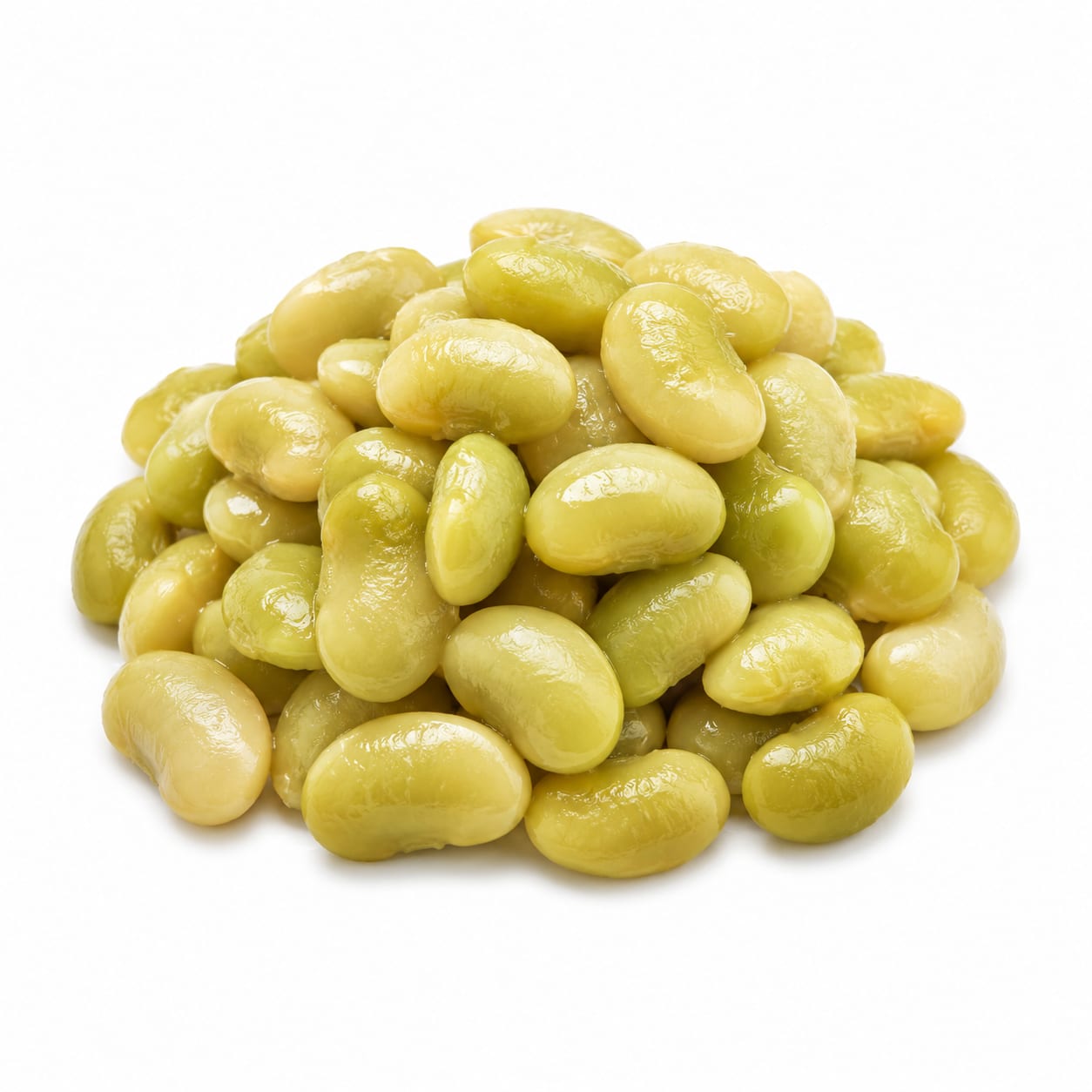
Lima Bean
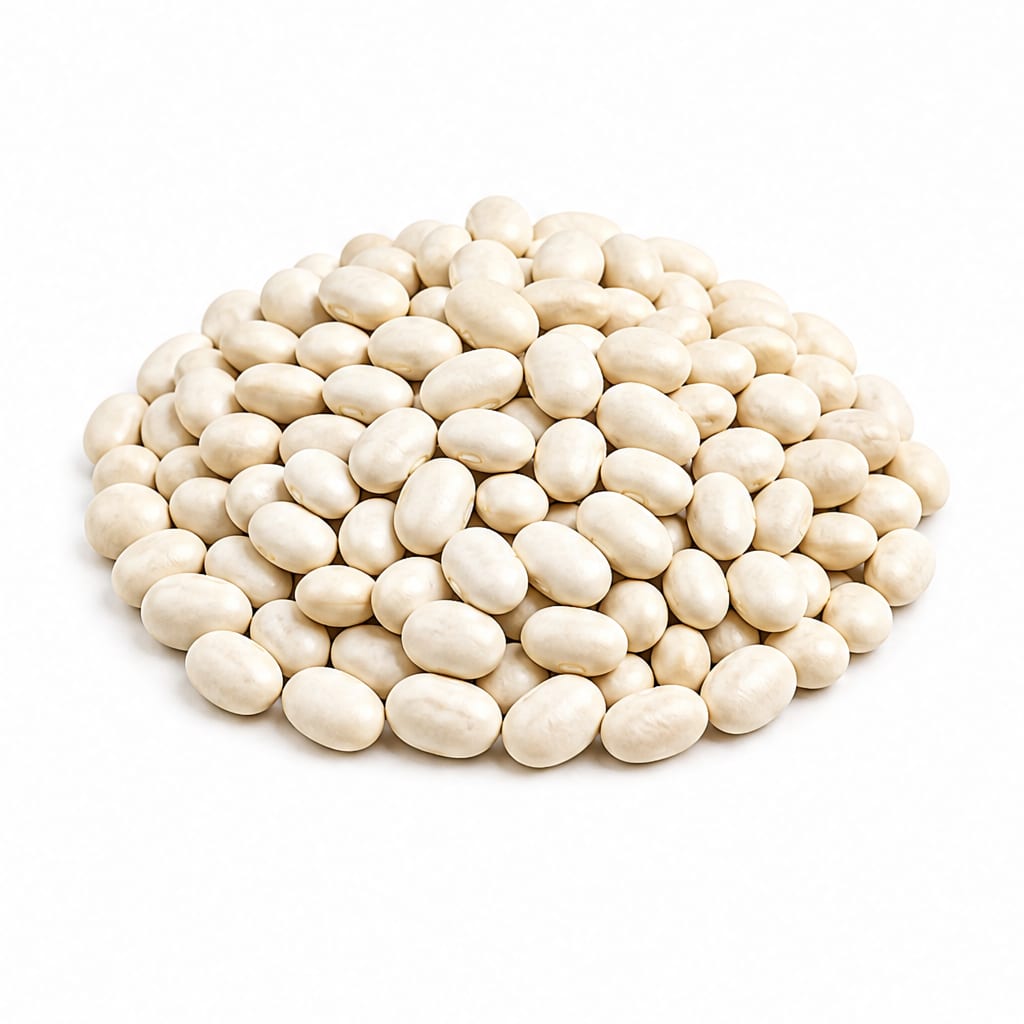
Navy Beans
Navy Beans edge out Lima Beans with more protein, more fiber, fewer calories, and no toxin concerns — though Lima Beans offer more potassium and a creamier texture.
Navy Beans score higher due to superior protein-to-calorie ratio, higher fiber, lower caloric density, and absence of cyanogenic glycoside concerns. Lima Beans remain nutritious but carry a safety caveat and slightly less favorable macros.
Navy Beans deliver better nutritional density and safety, while Lima Beans provide a butterier mouthfeel and slightly more potassium for electrolyte balance.
At a glance
Executive summary
Overall
Navy Beans
Healthier
Navy Beans
More practical
Navy Beans
Daily use
Navy Beans
Key comparison lenses
protein and fiber density for satiety
Both are legumes, so users want to know which keeps them fuller and supports digestion better
blood sugar management
Bean choice matters heavily for glycemic control and steady energy throughout the day
weight loss and calorie efficiency
Caloric density differs meaningfully, impacting portion control and diet sustainability
safety and toxin concerns
Lima Beans contain cyanogenic glycosides requiring proper cooking, a unique safety consideration
heart health and cholesterol
Soluble fiber content varies and directly affects cardiovascular outcomes
cooking versatility and convenience
Texture and cook time differences affect meal prep decisions
Best choice for
Lima Bean
- Potassium supplementation and blood pressure management
- Creamy textures in soups and purees
- Those wanting a milder, less beany flavor
Navy Beans
- Weight loss and calorie-controlled diets
- Blood sugar stabilization and diabetes management
- Heart health and cholesterol reduction
- High-protein plant-based meal planning
Least suitable for
Lima Bean
- Those concerned about improper cooking and toxin exposure
- Strict calorie counters wanting maximum protein per calorie
Navy Beans
- Those seeking a creamy, buttery texture in dishes
- People needing high potassium for electrolyte replenishment
Deep comparison
Dimension by dimension
Each lens scores both foods and breaks down who each option suits.
- Dimension 1 · Priority 93Navy Beans
protein density
Lima Bean · 65Navy Beans · 88Navy Beans pack significantly more protein per calorie, making them more efficient for muscle maintenance and satiety.
Tradeoff
Lima Beans offer slightly more protein per cup in absolute terms but at a higher calorie cost.
Why it matters
Higher protein density means you stay full longer without overshooting your calorie budget.
Real-world impact
A bowl of Navy Beans at lunch keeps afternoon hunger at bay more effectively than the same volume of Lima Beans.
Lima Bean
- Bulky meals where total protein matters more than calorie efficiency
Better for
- Portion-controlled diets requiring lean protein sources
Worse for
Navy Beans
- Cutting phases where every calorie must earn its protein
- Plant-based eaters needing efficient amino acid intake
Better for
- Those who find higher-protein beans more gas-producing
Worse for
- Dimension 2 · Priority 90Navy Beans
fiber content
Lima Bean · 70Navy Beans · 89Navy Beans deliver substantially more fiber per serving, supporting digestion and blood sugar control more effectively.
Tradeoff
Lima Beans still provide solid fiber but lag behind Navy Beans by a meaningful margin.
Why it matters
More fiber means steadier blood sugar, better gut health, and longer-lasting fullness after meals.
Real-world impact
Navy Beans help prevent the mid-morning energy crash that hits after lower-fiber breakfast options.
Lima Bean
- Those easing into high-fiber diets who need a gentler start
Better for
- Those needing maximum fiber for digestive health
Worse for
Navy Beans
- Constipation relief and gut regularity
- Blood sugar stabilization for prediabetics
- Cholesterol-lowering protocols
Better for
- People with sensitive digestion unaccustomed to high fiber intake
Worse for
- Dimension 3 · Priority 87Navy Beans
caloric efficiency
Lima Bean · 62Navy Beans · 86Navy Beans provide more nutrition per calorie, making them the smarter choice for weight management.
Tradeoff
Lima Beans are starchier and more calorie-dense, which can be satisfying but adds up faster.
Why it matters
Lower calorie density lets you eat larger portions while staying within your daily target.
Real-world impact
You can eat a heftier serving of Navy Beans without that overly stuffed feeling that follows a dense Lima Bean meal.
Lima Bean
- Athletes or laborers needing concentrated calorie intake
Better for
- Sedentary individuals watching their waistline
Worse for
Navy Beans
- Weight loss diets requiring volume eating
- Anyone tracking calories who wants bigger portions
Better for
- Underweight individuals needing calorie-dense foods
Worse for
- Dimension 4 · Priority 82Lima Bean
mineral profile
Lima Bean · 84Navy Beans · 76Lima Beans shine with notably more potassium and slightly more iron, supporting blood pressure and oxygen transport.
Tradeoff
Navy Beans counter with more magnesium and folate, which matter for muscle function and cell repair.
Why it matters
Potassium is chronically underconsumed and directly affects blood pressure and cramping.
Real-world impact
After a sweaty workout, Lima Beans replenish potassium more effectively, reducing post-exercise cramps.
Lima Bean
- Blood pressure management through potassium intake
- Post-workout electrolyte replenishment
- Iron-deficient individuals needing plant-based sources
Better for
- Those relying heavily on bean folate for prenatal nutrition
Worse for
Navy Beans
- Magnesium support for muscle recovery and sleep
- Pregnancy nutrition needing extra folate
Better for
- People with hypertension needing maximum potassium
Worse for
- Dimension 5 · Priority 80Navy Beans
safety and toxin risk
Lima Bean · 58Navy Beans · 92Lima Beans contain cyanogenic glycosides that can release cyanide if undercooked, while Navy Beans carry no such risk.
Tradeoff
Proper cooking eliminates the risk entirely, but the margin for error exists only with Lima Beans.
Why it matters
Even small lapses in cooking thoroughness can cause headaches, nausea, or worse with raw Lima Beans.
Real-world impact
A rushed weeknight dinner with undercooked Lima Beans could leave you feeling unwell — Navy Beans forgive imperfect cooking.
Lima Bean
- Experienced cooks who always boil thoroughly and never rush prep
Better for
- Novice cooks unfamiliar with proper bean preparation
- Those using quick-cook methods like microwaving
Worse for
Navy Beans
- Busy households where cooking vigilance varies
- Slow cooker meals with variable temperature control
- Anyone feeding children or elderly who are more sensitive to toxins
Better for
- No significant safety downside
Worse for
- Dimension 6 · Priority 86Navy Beans
blood sugar stability
Lima Bean · 68Navy Beans · 87Navy Beans have a lower glycemic load thanks to more fiber and less starch, producing steadier blood sugar responses.
Tradeoff
Lima Beans are starchier and can cause a slightly faster rise, though still far better than refined carbs.
Why it matters
Steadier blood sugar means fewer cravings, better focus, and less fatigue between meals.
Real-world impact
A Navy Bean lunch keeps your energy stable through the 3pm slump; Lima Beans might leave you reaching for a snack sooner.
Lima Bean
- Those wanting quicker post-workout glycogen replenishment
Better for
- Insulin-resistant individuals sensitive to starch
Worse for
Navy Beans
- Diabetics and prediabetics managing glucose spikes
- Anyone prone to afternoon energy crashes
- Intermittent fasters breaking their fast gently
Better for
- Endurance athletes needing faster carb availability
Worse for
- Dimension 7 · Priority 72It depends
culinary versatility
Lima Bean · 78Navy Beans · 80Navy Beans excel in soups, stews, and baked dishes; Lima Beans shine in purees, succotash, and creamy applications.
Tradeoff
Lima Beans offer a buttery texture that is hard to replicate, while Navy Beans hold their shape better in long-cooked dishes.
Why it matters
Enjoyment drives consistency — the bean you actually want to eat is the one you will keep eating.
Real-world impact
Navy Beans make a heartier minestrone; Lima Beans make a silkier dip.
Lima Bean
- Creamy soups and dips where texture matters
- Southern and South American traditional recipes
- Dishes where a mild, buttery flavor is desired
Better for
- Dishes requiring beans to maintain firm texture after long cooking
Worse for
Navy Beans
- Hearty soups and stews requiring structural integrity
- Baked bean recipes and casseroles
- Meal prep where beans must survive reheating
Better for
- Recipes calling for a smooth, luxurious mouthfeel
Worse for
Timeline
Health impact over time
Short-term
Hours to days
Lima Bean
- More immediate satiety from starch density, but potentially faster hunger return
- Slightly higher gas production due to starch complexity
- Risk of mild nausea if undercooked due to cyanogenic compounds
Navy Beans
- Longer-lasting fullness from superior fiber content
- Steadier energy without the starch-driven rise and dip
- Initial digestive adjustment if transitioning from lower-fiber diet
Long-term
Months to years
Lima Bean
- Good potassium intake supports healthy blood pressure over time
- Starch-heavy profile may challenge insulin sensitivity if overconsumed
- Consistent fiber intake supports cardiovascular health, though less than Navy Beans
Navy Beans
- Superior fiber intake strongly correlates with reduced heart disease risk
- Lower glycemic load supports long-term insulin sensitivity
- High folate intake benefits cell repair and prenatal health across decades
Risk profile
Safety & processing
Both Lima Beans and Navy Beans are whole, minimally processed foods when purchased dried or plain canned. Neither carries additive concerns unless bought in flavored or seasoned varieties.
Lima Bean
Cyanogenic glycoside exposure
mediumRaw or undercooked Lima Beans contain linamarin, which releases hydrogen cyanide. Thorough boiling for at least 10 minutes destroys the enzyme responsible. Canned Lima Beans are pre-cooked and safe.
Phytohemagglutinin toxicity
lowLike all beans, Lima Beans contain lectins that can cause gastrointestinal distress if undercooked, though levels are lower than in red kidney beans.
Navy Beans
Phytohemagglutinin toxicity
lowNavy Beans contain lectins that require proper cooking to neutralize, but the risk is low with standard boiling or pressure cooking.
BPA exposure from canned varieties
lowCanned Navy Beans may have BPA in can linings. Choose BPA-free cans or cook from dried to avoid this entirely.
Who wins for whom
Audience fit
Same foods, different winners depending on your goal.
children
Navy BeansNo cyanogenic glycoside risk and a milder flavor when blended make Navy Beans safer and more kid-friendly.
daily consumption
Navy BeansBetter safety profile, stronger nutritional density, and more consistent blood sugar support make Navy Beans the more reliable daily staple.
diabetes
Navy BeansLower glycemic load and higher fiber produce steadier blood sugar responses critical for glucose management.
elderly
Navy BeansSuperior fiber supports digestive regularity, and higher folate aids cellular repair in aging bodies.
muscle gain
Navy BeansHigher protein density makes Navy Beans more efficient for supporting muscle maintenance in a calorie-controlled plan.
weight loss
Navy BeansNavy Beans provide more fiber and protein per calorie, keeping you full longer on fewer calories.
Your move
Decision guide
Choose Lima Bean
- You prioritize potassium for blood pressure or cramp prevention
- You want a creamier, butterier texture in soups or side dishes
- You are cooking traditional succotash or South American recipes
- You are an experienced cook who always boils beans thoroughly
Choose Navy Beans
- You want maximum nutrition per calorie for weight management
- You are managing blood sugar or insulin resistance
- You prefer a bean that holds its shape in soups and stews
- You want a worry-free cooking experience with no toxin concerns
- You are meal prepping for the week and need reliable results
Either works if
- You simply need a fiber-rich legume to round out a plant-based diet
- You are rotating bean varieties for gut microbiome diversity
- You are making a bean salad where either works texturally
Avoid both if
- You have severe legume allergies or sensitivities
- You are in the acute phase of a low-FODMAP elimination diet
- You experience significant digestive distress from all beans despite gradual introduction
Final recommendation
Navy Beans are the stronger everyday choice for most people — more protein, more fiber, fewer calories, and no cyanide risk. But Lima Beans deserve a place in your rotation for their potassium content and unmatched creamy texture. The best approach: cook Navy Beans most days, enjoy Lima Beans when the dish calls for that buttery richness, and always boil Lima Beans thoroughly.
Practical
Consumer tips
- 1
If buying canned Lima Beans, verify they are fully cooked — commercial canning eliminates cyanogenic glycosides completely.
- 2
Soak dried Navy Beans overnight to reduce cooking time and improve digestibility.
- 3
Never cook Lima Beans in a slow cooker on low heat — the temperature may not be sufficient to destroy cyanogenic compounds.
- 4
Rinse canned beans of either type to reduce sodium by up to 40%.
- 5
Introduce either bean gradually if you are not used to high-fiber foods — start with a quarter cup and increase over two weeks.
- 6
Combine either bean with a grain like rice or quinoa for a complete protein profile.
- 7
Freeze cooked beans in portion-sized bags for instant meal prep convenience.