
Nutrition comparison
Lima Beans vs Kidney Beans: Nutrition, Safety, and Which to Choose
Compare lima beans and kidney beans on protein, fiber, digestion, and safety. Learn which bean fits your health goals and how to cook both safely.
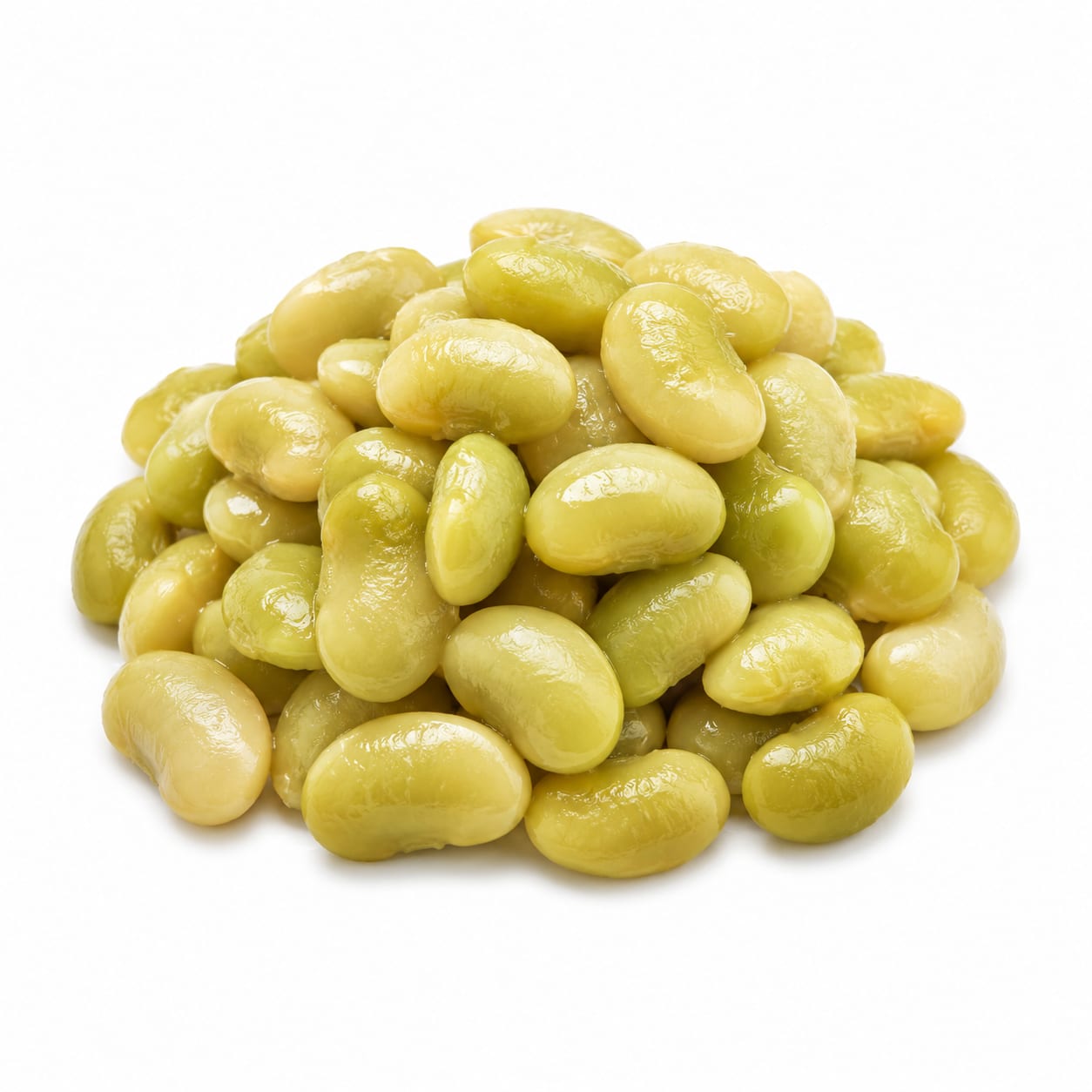
Lima Bean
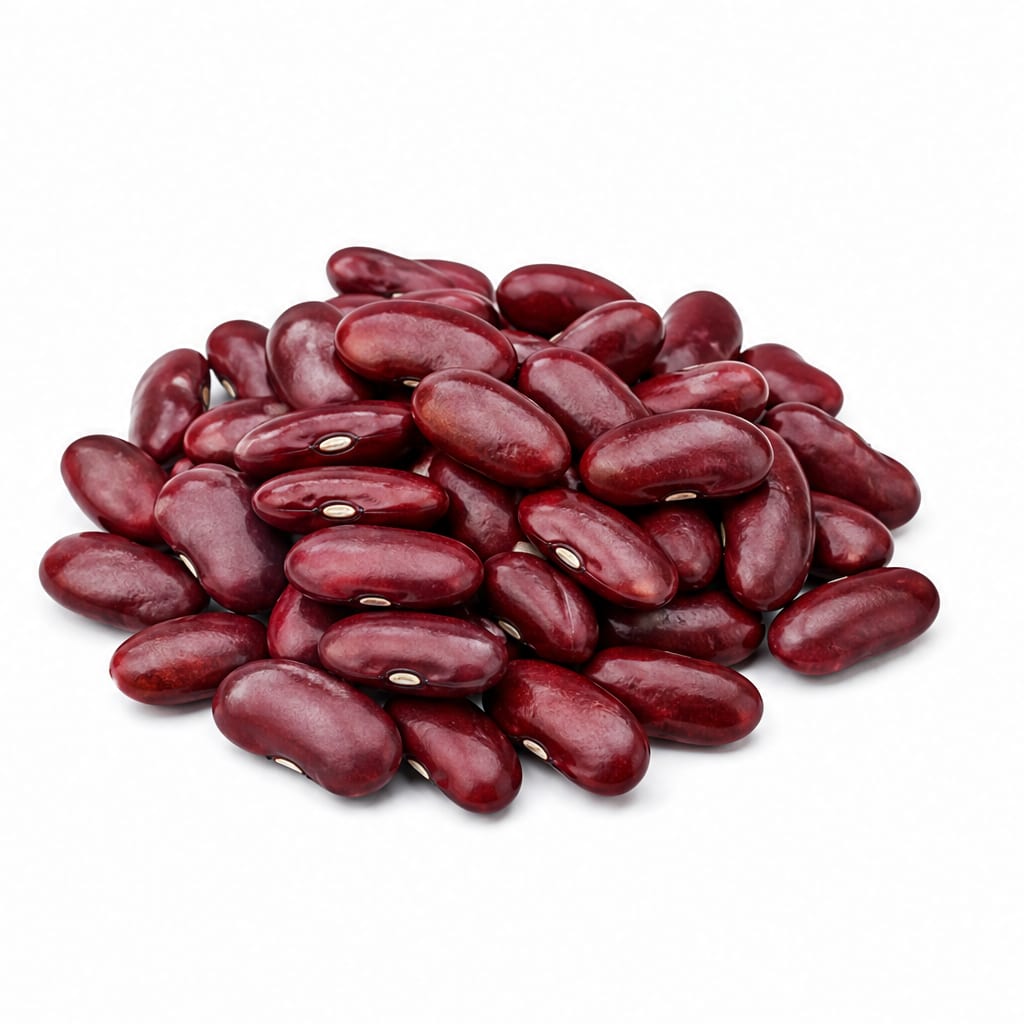
Kidney Beans
Kidney Beans edge ahead on protein and antioxidant power, while Lima Beans offer creamier texture and slightly gentler digestion for some people.
Kidney Beans score higher due to stronger protein content, broader culinary versatility, and richer antioxidant profile. Lima Beans remain a solid choice but are more niche, offering advantages mainly in texture and digestibility for sensitive stomachs.
More protein and recipe flexibility with Kidney Beans versus softer texture and easier digestion with Lima Beans.
At a glance
Executive summary
Overall
It depends
Healthier
Kidney Beans
More practical
Kidney Beans
Daily use
Kidney Beans
Key comparison lenses
safety and proper preparation
Both contain natural toxins when raw that must be neutralized by cooking, a critical real-world concern
protein and satiety comparison
Both are legumes but differ significantly in protein density, affecting how filling they are
blood sugar management
Users comparing beans often care about glycemic impact and steady energy
culinary versatility and meal integration
How easily each bean fits into everyday meals affects long-term adherence
mineral and micronutrient density
Different mineral profiles make each better suited for different nutritional gaps
Best choice for
Lima Bean
- People with sensitive digestion who find tougher beans uncomfortable
- Anyone wanting a creamier, milder-flavored bean for soups and purées
- Those prioritizing potassium intake for blood pressure management
- Home cooks making comfort dishes like succotash or creamy stews
Kidney Beans
- Anyone focused on maximizing protein per calorie
- People managing blood sugar who want slower glucose release
- Those wanting a versatile pantry staple for chili, salads, and grain bowls
- Anyone seeking higher antioxidant intake from everyday foods
Least suitable for
Lima Bean
- People who dislike soft, creamy textures in beans
- Anyone needing high protein density from plant sources
- Those unfamiliar with proper cooking methods for raw lima bean toxicity
Kidney Beans
- People with IBS or severe bloating from tougher legumes
- Anyone who might undercook beans and skip safety steps
- Those who find the strong flavor overpowering in mild dishes
Deep comparison
Dimension by dimension
Each lens scores both foods and breaks down who each option suits.
- Dimension 1 · Priority 92Kidney Beans
protein and satiety
Lima Bean · 65Kidney Beans · 85Kidney Beans deliver noticeably more protein per serving, keeping you fuller for longer.
Tradeoff
Lima Beans are still filling thanks to fiber, but you get less protein per calorie.
Why it matters
Protein is the main satiety driver in legumes. More protein means less snacking between meals.
Real-world impact
A kidney bean lunch bowl keeps hunger away longer than a similar portion of lima beans.
Lima Bean
- Lighter meals where you don't want heavy fullness
Better for
- Situations where you need sustained fullness for hours
Worse for
Kidney Beans
- Post-workout recovery meals
- Anyone trying to hit protein targets on a plant-based diet
- Main dishes where beans are the primary protein source
Better for
- Very light meals where dense protein feels too heavy
Worse for
- Dimension 2 · Priority 88Kidney Beans
fiber and blood sugar stability
Lima Bean · 72Kidney Beans · 82Both are excellent for blood sugar, but Kidney Beans have a slight edge with more soluble fiber and a lower glycemic index.
Tradeoff
The difference is modest. Both are far superior to refined carbs for steady energy.
Why it matters
Soluble fiber slows sugar absorption, preventing energy spikes and crashes.
Real-world impact
Swapping white rice for either bean gives you noticeably steadier afternoon energy.
Lima Bean
- People who find very high-fiber meals cause bloating
Better for
- Those needing maximum glycemic control
Worse for
Kidney Beans
- Diabetics seeking the slowest possible glucose release
- Anyone prone to afternoon energy crashes
Better for
- People already struggling with excessive fiber intake
Worse for
- Dimension 3 · Priority 82Lima Bean
digestive tolerance
Lima Bean · 78Kidney Beans · 65Lima Beans tend to be gentler on the digestive system, with softer texture and slightly less gas-producing compounds.
Tradeoff
Easier digestion comes with less protein and fewer antioxidants.
Why it matters
If beans cause you discomfort, you're less likely to eat them regularly regardless of nutrition.
Real-world impact
Someone who avoids beans due to bloating may tolerate lima beans better in small portions.
Lima Bean
- People with mild IBS or sensitive digestion
- Anyone reintroducing legumes after a break
- Older adults with slower digestion
Better for
- Those who want maximum fiber intake without concern
Worse for
Kidney Beans
- People with iron stomachs who tolerate all legumes well
Better for
- Anyone who experiences significant bloating from beans
- People new to high-fiber diets
Worse for
- Dimension 4 · Priority 78It depends
mineral density and micronutrients
Lima Bean · 76Kidney Beans · 78Kidney Beans win on iron and manganese, while Lima Beans lead on potassium and copper. Both are strong mineral sources.
Tradeoff
Your choice should match what you're most likely deficient in.
Why it matters
Mineral gaps affect energy, immunity, and bone health in subtle but cumulative ways.
Real-world impact
If you're low on iron, kidney beans help more. If blood pressure is your concern, lima beans offer more potassium.
Lima Bean
- People managing blood pressure through potassium intake
- Anyone needing more copper for iron metabolism
Better for
- Those specifically targeting iron deficiency
Worse for
Kidney Beans
- Vegetarians and vegans needing plant-based iron
- Women of reproductive age with higher iron needs
Better for
- People focusing on potassium for heart health
Worse for
- Dimension 5 · Priority 80Kidney Beans
antioxidant and anti-inflammatory potential
Lima Bean · 60Kidney Beans · 88Kidney Beans are antioxidant powerhouses, especially the dark red variety, with far more protective phytonutrients.
Tradeoff
Lima Beans still offer some antioxidants but cannot compete with the deep pigment-rich compounds in kidney beans.
Why it matters
Chronic inflammation drives most long-term disease. Food-based antioxidants are a practical daily defense.
Real-world impact
Regular kidney bean consumption is linked to lower markers of oxidative stress in population studies.
Lima Bean
- Situations where antioxidant density matters less than digestibility
Better for
- Those prioritizing maximum antioxidant intake from food
Worse for
Kidney Beans
- Anyone focused on long-term disease prevention
- People with inflammatory conditions seeking dietary support
- Those eating mostly plant-based who need diverse phytonutrients
Better for
- Situations where the stronger flavor overpowers delicate dishes
Worse for
- Dimension 6 · Priority 85Kidney Beans
culinary versatility and convenience
Lima Bean · 62Kidney Beans · 84Kidney Beans appear in far more recipes globally, from chili to salads to curries, making them easier to use regularly.
Tradeoff
Lima Beans shine in specific dishes but have a narrower recipe range.
Why it matters
The best bean for you is the one you'll actually cook and eat consistently.
Real-world impact
Most people already have kidney bean recipes they enjoy. Lima beans require more intentional meal planning.
Lima Bean
- Creamy soups and purées where texture matters most
- Traditional Southern or South American comfort recipes
Better for
- Quick weeknight cooking with limited recipe ideas
Worse for
Kidney Beans
- Weeknight chili, stews, and grain bowls
- Cold salads and meal prep containers
- Any recipe where the bean needs to hold its shape
Better for
- Dishes requiring a smooth, creamy bean texture
Worse for
Timeline
Health impact over time
Short-term
Hours to days
Lima Bean
- Softer, creamier mouthfeel makes meals feel more comforting
- Moderate fiber provides gentle fullness without heavy bloating for most people
- Slightly faster gastric emptying compared to denser legumes
Kidney Beans
- Stronger satiety signal after eating due to higher protein and fiber density
- More likely to cause gas and bloating if you're not used to high-fiber foods
- Steadier blood sugar for hours after a meal
Long-term
Months to years
Lima Bean
- Consistent potassium intake supports healthy blood pressure over time
- Gentler fiber load may improve adherence for digestion-sensitive individuals
- Lower antioxidant intake means less anti-inflammatory protection compared to darker beans
Kidney Beans
- Higher antioxidant consumption linked to reduced chronic disease risk in population studies
- Superior protein intake supports muscle maintenance, especially important with aging
- Excellent fiber intake promotes long-term gut health and microbiome diversity
Risk profile
Safety & processing
Both beans are whole, minimally processed foods when bought dried or plain canned. Watch for canned versions with added sodium or preservatives.
Lima Bean
Raw lima bean toxicity from cyanogenic glycosides
highRaw lima beans contain linamarin, which releases cyanide when ingested. Always boil thoroughly for at least 10 minutes. Never eat them raw or undercooked.
Canned sodium content
mediumCanned lima beans often contain added salt. Rinse thoroughly or choose low-sodium versions.
Kidney Beans
Raw kidney bean toxicity from phytohaemagglutinin
highRaw or undercooked kidney beans contain PHA, a lectin that causes severe nausea, vomiting, and diarrhea. Slow cookers are risky because temperatures may not reach safe levels. Always boil vigorously for at least 10 minutes after soaking.
Canned sodium content
mediumCanned kidney beans frequently contain significant added sodium. Rinsing removes about 40% of it.
Who wins for whom
Audience fit
Same foods, different winners depending on your goal.
children
Lima BeanSofter texture and milder flavor make lima beans easier for kids to accept, though both must always be fully cooked.
daily consumption
Kidney BeansBetter nutritional density and more recipe variety make kidney beans easier to eat regularly without getting bored.
diabetes
Kidney BeansLower glycemic index and higher soluble fiber slow glucose absorption more effectively.
elderly
Lima BeanGentler on digestion and easier to chew, lima beans are more practical for older adults with sensitive stomachs or dental concerns.
muscle gain
Kidney BeansKidney Beans provide more protein per serving, making them a better plant-based muscle support food.
weight loss
Kidney BeansHigher protein and fiber per calorie make kidney beans more satiating, helping you eat less overall.
Your move
Decision guide
Choose Lima Bean
- You find most beans cause uncomfortable bloating or gas
- You want a creamy bean for soups, purées, or comfort food dishes
- Blood pressure management through potassium is a priority
- You're cooking for kids or older adults who prefer softer textures
Choose Kidney Beans
- You want maximum protein from a plant-based staple
- Blood sugar control is a daily concern
- You cook chili, stews, grain bowls, or bean salads regularly
- Long-term antioxidant and anti-inflammatory benefits matter to you
Either works if
- You're simply trying to eat more legumes and both are available
- You rotate beans for microbiome diversity, which is ideal
- You're making a mixed bean dish where variety is the goal
Avoid both if
- You have a diagnosed legume allergy
- You're currently on a low-FODMAP elimination phase for IBS
- You won't commit to proper cooking methods for safety
Final recommendation
Kidney Beans are the stronger all-around choice for most people thanks to higher protein, better blood sugar control, and richer antioxidants. But Lima Beans deserve a real place in your rotation if you struggle with digestion or want a creamier texture. The best approach is keeping both in your pantry and alternating based on the meal.
Practical
Consumer tips
- 1
Always soak dried beans overnight and boil vigorously for at least 10 minutes to destroy natural toxins
- 2
Never use a slow cooker for kidney beans without boiling them first — the temperature may not be high enough to neutralize PHA
- 3
Rinse canned beans thoroughly to remove about 40% of added sodium
- 4
If beans cause bloating, start with small portions of lima beans and gradually increase as your gut adapts
- 5
Add a piece of kombu seaweed while cooking beans to help reduce gas-producing compounds
- 6
Buy dried beans in bulk for the best value and lowest sodium — they store for over a year in airtight containers
- 7
Mix both beans in a single dish for broader nutrient coverage and interesting texture contrast