
Nutrition comparison
Lima Beans vs Fava Beans: Nutrition, Safety, and Which to Choose
Compare Lima Beans and Fava Beans on protein, fiber, safety, and L-dopa benefits. Learn which legume fits your health goals and the critical favism risk you need to know.
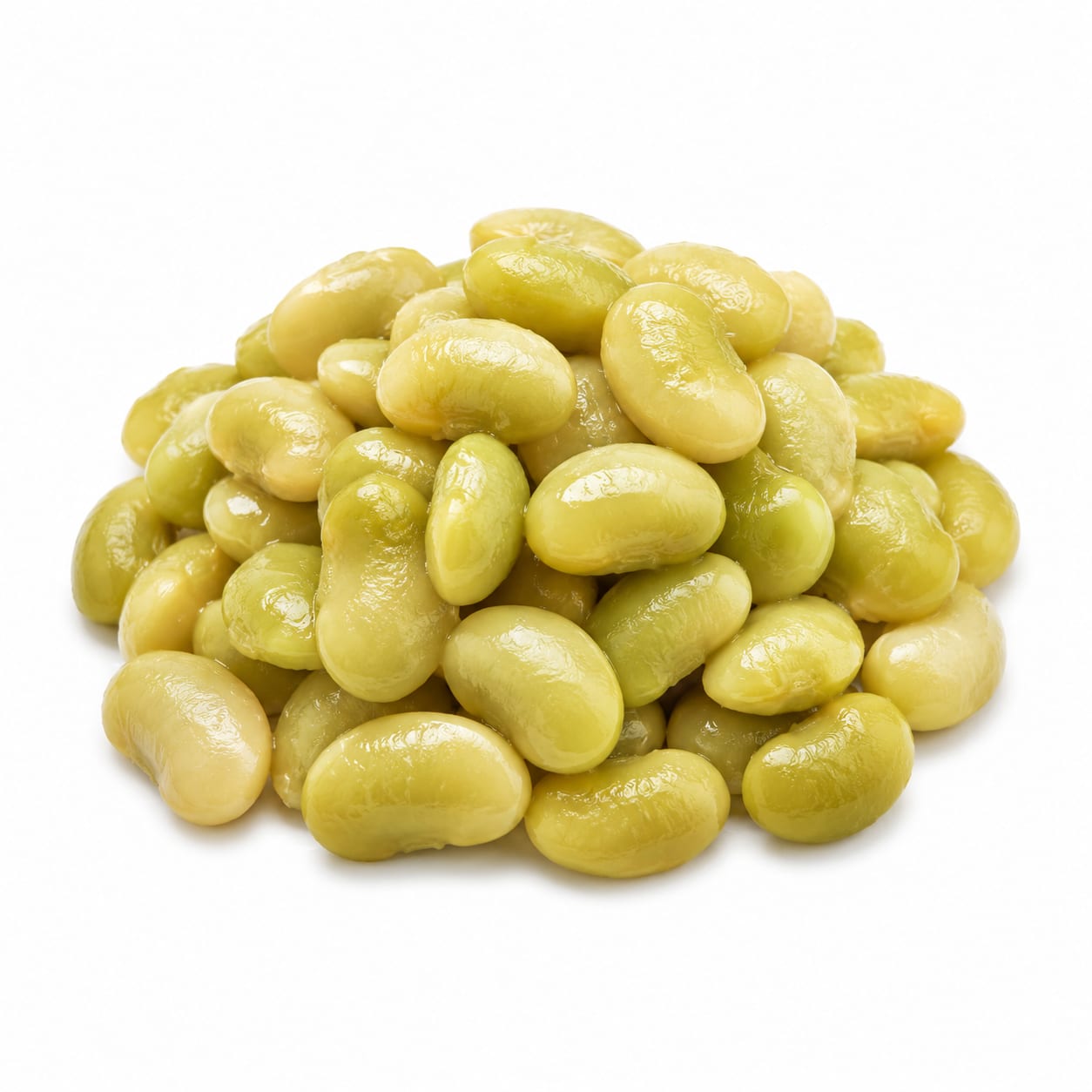
Lima Bean
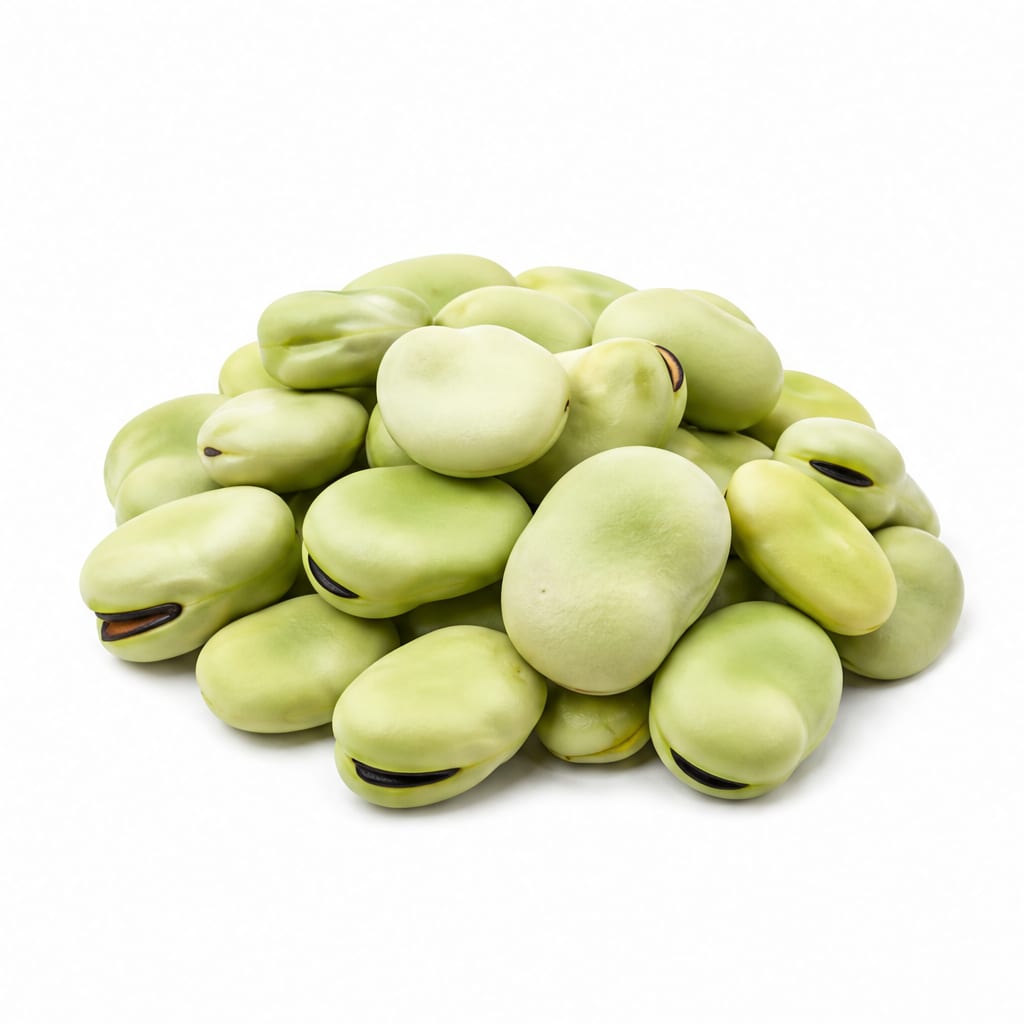
Fava Beans
Lima Beans win on convenience and safety, while Fava Beans offer unique neurological benefits and slightly more protein per serving.
Lima Beans score slightly higher due to broader safety, easier availability, and higher fiber content. Fava Beans close the gap with unique L-dopa content and marginally more protein, but their favism risk and demanding prep hold them back for everyday use.
You trade easier prep and broader safety for L-dopa and higher protein when choosing between these two.
At a glance
Executive summary
Overall
It depends
Healthier
It depends
More practical
Lima Bean
Daily use
Lima Bean
Key comparison lenses
safety and genetic sensitivity concerns
Fava Beans carry a unique favism risk for G6PD-deficient individuals, while Lima Beans contain cyanogenic glycosides requiring proper cooking
protein quality and plant-based meal planning
Both are legumes often chosen as protein sources, so protein density and quality matter deeply for this comparison
preparation convenience and everyday practicality
Fava Beans require double-podding and are more labor-intensive, while Lima Beans are easier to prepare and more available canned
blood sugar management and satiety
Both are fiber-rich legumes compared for diabetes-friendly eating and sustained energy
neurological and cognitive benefits
Fava Beans are uniquely rich in L-dopa, making them relevant for Parkinson's and cognitive health discussions
Best choice for
Lima Bean
- People wanting a low-effort, high-fiber legume for weekly meals
- Anyone with G6PD deficiency who must avoid Fava Beans entirely
- Those prioritizing blood sugar stability and steady energy
- Home cooks wanting canned or frozen convenience
Fava Beans
- Older adults interested in natural L-dopa for cognitive support
- Athletes and active people seeking slightly more protein per serving
- Mediterranean diet followers wanting authentic cuisine
- Anyone without G6PD deficiency looking for a nutrient-dense spring vegetable
Least suitable for
Lima Bean
- People seeking L-dopa or dopamine-precursor benefits
- Those wanting a fresh seasonal bean experience with vibrant flavor
Fava Beans
- Anyone with G6PD deficiency — can trigger serious hemolytic anemia
- Busy home cooks who dislike time-consuming prep like double-podding
- People who need a readily available legume year-round in any grocery store
Deep comparison
Dimension by dimension
Each lens scores both foods and breaks down who each option suits.
- Dimension 1 · Priority 90Fava Beans
protein content and density
Lima Bean · 68Fava Beans · 76Fava Beans deliver slightly more protein per cooked cup, making them a marginally better choice for plant-based protein goals.
Tradeoff
The protein difference is modest — roughly 1-2 grams per serving — so this alone rarely justifies choosing one over the other.
Why it matters
For vegetarians and vegans, every gram of protein counts toward meeting daily targets, especially at meals where legumes are the main protein source.
Real-world impact
Over a week of daily legume consumption, Fava Beans might contribute an extra 7-14 grams of protein — meaningful but not transformative.
Lima Bean
- Meals where fiber matters more than protein maximization
Better for
- Athletes optimizing every gram of protein intake
Worse for
Fava Beans
- Post-workout meals where extra protein supports recovery
- Plant-based eaters trying to hit higher protein targets
Better for
- People assuming the protein gap is large enough to ignore other factors
Worse for
- Dimension 2 · Priority 88Lima Bean
fiber and digestive health
Lima Bean · 82Fava Beans · 70Lima Beans contain significantly more fiber per serving, supporting better digestion and longer-lasting fullness.
Tradeoff
More fiber means better satiety and gut health, but can also mean more gas and bloating if you increase intake too quickly.
Why it matters
Fiber is the unsung hero of metabolic health — it slows sugar absorption, feeds gut bacteria, and keeps you fuller between meals.
Real-world impact
A serving of Lima Beans can provide nearly a third of your daily fiber needs, making it easier to hit targets without supplements.
Lima Bean
- Anyone struggling to reach 25-30g of daily fiber
- People managing blood sugar who benefit from slower carbohydrate absorption
- Those wanting to stay full longer between meals
Better for
- Individuals with IBS who are sensitive to high fiber loads
Worse for
Fava Beans
- People with sensitive digestion who find very high-fiber meals uncomfortable
Better for
- Those relying on legumes as their primary fiber source
Worse for
- Dimension 3 · Priority 95Lima Bean
safety and genetic sensitivity
Lima Bean · 85Fava Beans · 55Fava Beans pose a serious risk for people with G6PD deficiency, while Lima Beans only require proper cooking to neutralize mild toxins.
Tradeoff
Favism can cause acute hemolytic anemia in susceptible individuals — this is not a minor concern in regions where G6PD deficiency is common.
Why it matters
G6PD deficiency affects roughly 400 million people worldwide, particularly those of Mediterranean, African, and Southeast Asian descent.
Real-world impact
One serving of Fava Beans can trigger a medical emergency in affected individuals, whereas Lima Beans simply need thorough cooking to be safe for everyone.
Lima Bean
- Anyone who has not been tested for G6PD deficiency
- Families cooking for groups with unknown genetic backgrounds
- People in high-prevalence regions for G6PD deficiency
Better for
- People who undercook them and risk mild cyanogenic glycoside exposure
Worse for
Fava Beans
- Confirmed G6PD-normal individuals who can safely enjoy them
Better for
- Undiagnosed G6PD-deficient individuals — risk is severe and unpredictable
Worse for
- Dimension 4 · Priority 85Lima Bean
preparation convenience and availability
Lima Bean · 80Fava Beans · 50Lima Beans are widely available canned or frozen and require minimal prep, while Fava Beans demand double-podding and have limited seasonal availability.
Tradeoff
The ritual of preparing fresh Fava Beans can be rewarding, but it is undeniably time-consuming and impractical for busy weeknights.
Why it matters
Convenience determines whether a food actually gets eaten regularly or sits in the pantry unused.
Real-world impact
You can open a can of Lima Beans in 30 seconds; fresh Fava Beans can take 15-20 minutes of podding and blanching before cooking even starts.
Lima Bean
- Weeknight dinners when time is limited
- Meal prepping large batches efficiently
- Anyone relying on pantry staples between grocery runs
Better for
- Culinary enthusiasts who find canned legumes uninspiring
Worse for
Fava Beans
- Weekend cooking as a mindful, slower culinary experience
- Spring seasonal meals where freshness is the priority
Better for
- Anyone cooking after a long workday
- People without access to fresh seasonal produce
Worse for
- Dimension 5 · Priority 75Fava Beans
neurological and cognitive benefits
Lima Bean · 40Fava Beans · 88Fava Beans are one of the richest natural sources of L-dopa, a direct precursor to dopamine with documented relevance for Parkinson's disease.
Tradeoff
L-dopa content varies by bean maturity and preparation, and dietary L-dopa should not be confused with pharmaceutical dosing for Parkinson's management.
Why it matters
For older adults or those concerned about cognitive decline, natural L-dopa sources offer a meaningful dietary advantage few other foods provide.
Real-world impact
Regular consumption of Fava Beans may support dopamine-related functions including mood, motivation, and motor control — but effects are modest compared to medication.
Lima Bean
- People who do not prioritize cognitive-specific benefits from food
Better for
- Anyone specifically seeking L-dopa from dietary sources
Worse for
Fava Beans
- Older adults interested in dietary dopamine support
- People exploring natural approaches to mood and motivation
- Those with mild motor concerns seeking food-based L-dopa
Better for
- People expecting Fava Beans to replace prescribed Parkinson's medication
Worse for
- Dimension 6 · Priority 72It depends
mineral density and micronutrients
Lima Bean · 75Fava Beans · 74Lima Beans lead in manganese and potassium, while Fava Beans offer more iron and folate — each excels in different mineral categories.
Tradeoff
Neither legume dominates across all minerals, so the better choice depends on which nutrients you personally need more of.
Why it matters
Mineral gaps are common, and targeted food choices can help close them without supplements.
Real-world impact
If you need potassium for blood pressure management, Lima Beans are stronger. If iron deficiency is your concern, Fava Beans have the edge.
Lima Bean
- People managing blood pressure who benefit from potassium
- Those needing manganese for bone and connective tissue health
Better for
- Those specifically targeting iron deficiency through food
Worse for
Fava Beans
- Women of reproductive age needing more iron and folate
- Pregnant women seeking natural folate sources (after confirming G6PD status)
Better for
- People prioritizing potassium intake for cardiovascular health
Worse for
Timeline
Health impact over time
Short-term
Hours to days
Lima Bean
- High fiber provides steady energy without blood sugar spikes
- Can cause gas and bloating if intake increases suddenly
- Mild cyanogenic compounds neutralized by thorough cooking — undercooked beans may cause nausea
Fava Beans
- L-dopa content may produce a subtle mood or alertness lift within hours of eating
- Double-podding and blanching can reduce some heat-sensitive nutrients
- In G6PD-deficient individuals, even small amounts can trigger rapid red blood cell breakdown
Long-term
Months to years
Lima Bean
- Consistent fiber intake supports gut microbiome diversity and colorectal health
- Regular legume consumption is associated with lower cardiovascular disease risk
- Potassium and magnesium contribute to sustained blood pressure regulation
Fava Beans
- Chronic L-dopa intake from food may support dopaminergic system health with aging
- Iron and folate content supports long-term hematologic health in G6PD-normal individuals
- Favism risk persists lifelong for G6PD-deficient individuals — no adaptation occurs
Risk profile
Safety & processing
Both Lima Beans and Fava Beans are whole, minimally processed foods. Canned Lima Beans may contain added sodium, so rinsing or choosing low-sodium versions is advisable. Dried or fresh Fava Beans have no additive concerns.
Lima Bean
Cyanogenic glycoside exposure from undercooking
mediumRaw Lima Beans contain linamarin, which releases cyanide when ingested. Thorough boiling for at least 10 minutes eliminates this risk entirely. Canned and frozen Lima Beans are pre-cooked and safe.
Fava Beans
Favism in G6PD-deficient individuals
highVicine and convicine in Fava Beans can trigger acute hemolytic anemia in people with G6PD deficiency. This can be life-threatening. Prevalence is highest in Mediterranean, African, Middle Eastern, and Southeast Asian populations.
Oxalate content
lowFava Beans contain moderate oxalates, which may be a concern for people prone to calcium oxalate kidney stones, though the risk is lower than with spinach or beets.
Who wins for whom
Audience fit
Same foods, different winners depending on your goal.
children
Lima BeanLima Beans are safer for children who have not been screened for G6PD deficiency, and their milder flavor and creamier texture are more kid-friendly.
daily consumption
Lima BeanBroader safety, easier prep, wider availability, and higher fiber make Lima Beans more sustainable as a daily staple.
diabetes
Lima BeanMore fiber means slower glucose absorption and steadier blood sugar after meals, making Lima Beans the more reliable choice for glycemic control.
elderly
It dependsFava Beans offer L-dopa benefits relevant to aging brains, but Lima Beans provide better fiber for digestive health common in older adults. It depends on the individual's priority.
muscle gain
Fava BeansSlightly higher protein content in Fava Beans gives a marginal edge for muscle-building meals, though both should be paired with other protein sources.
weight loss
Lima BeanHigher fiber content in Lima Beans provides greater satiety per calorie, helping control appetite more effectively during a calorie deficit.
Your move
Decision guide
Choose Lima Bean
- You want a reliable, easy-to-prepare legume for regular meals
- You or your family members have not been tested for G6PD deficiency
- Blood sugar management or digestive regularity is your top priority
- You prefer canned or frozen convenience for weeknight cooking
Choose Fava Beans
- You are confirmed G6PD-normal and want L-dopa benefits for cognitive health
- You enjoy seasonal cooking and do not mind the extra prep time
- Slightly higher protein per serving matters for your dietary goals
- You are exploring Mediterranean cuisine and want authentic ingredients
Either works if
- You simply want a nutritious legume to rotate into your weekly meals
- You are G6PD-normal and have no strong preference on prep time
- You are focusing on overall plant-based diet diversity
Avoid both if
- You have a severe legume allergy
- You are on a very low-carb or ketogenic diet and cannot accommodate the carbohydrate content
- You have G6PD deficiency — specifically avoid Fava Beans, and consult your doctor about Lima Beans
Final recommendation
For most people seeking a practical, safe, fiber-rich legume, Lima Beans are the easier daily choice. But if you are G6PD-normal, enjoy cooking, and want the unique cognitive benefits of natural L-dopa, Fava Beans are a worthy seasonal addition. The best approach is rotating both when possible — variety always wins over picking a single winner.
Practical
Consumer tips
- 1
Always boil Lima Beans thoroughly for at least 10 minutes to neutralize cyanogenic compounds — never eat them raw or lightly steamed
- 2
If buying canned Lima Beans, rinse them well to remove up to 40% of the added sodium
- 3
When preparing fresh Fava Beans, blanch them for 30 seconds before peeling the outer skin of each bean — this improves both texture and digestibility
- 4
Get tested for G6PD deficiency if you have Mediterranean, African, Middle Eastern, or Southeast Asian ancestry before eating Fava Beans
- 5
Frozen Lima Beans retain nearly all the nutrients of fresh and skip the soaking step entirely
- 6
Pair either bean with a vitamin C source like bell peppers or tomatoes to boost iron absorption by 2-3x
- 7
Introduce either legume gradually if you are not used to high-fiber foods — start with half-cup servings to minimize gas and bloating