
Nutrition comparison
Lima Beans vs Edamame: Which Legume Is Better for You?
Compare Lima Beans and Edamame on protein, carbs, safety, and convenience. Find out which legume fits your diet, from weight loss to muscle gain to diabetes management.
Overall winner · Edamame
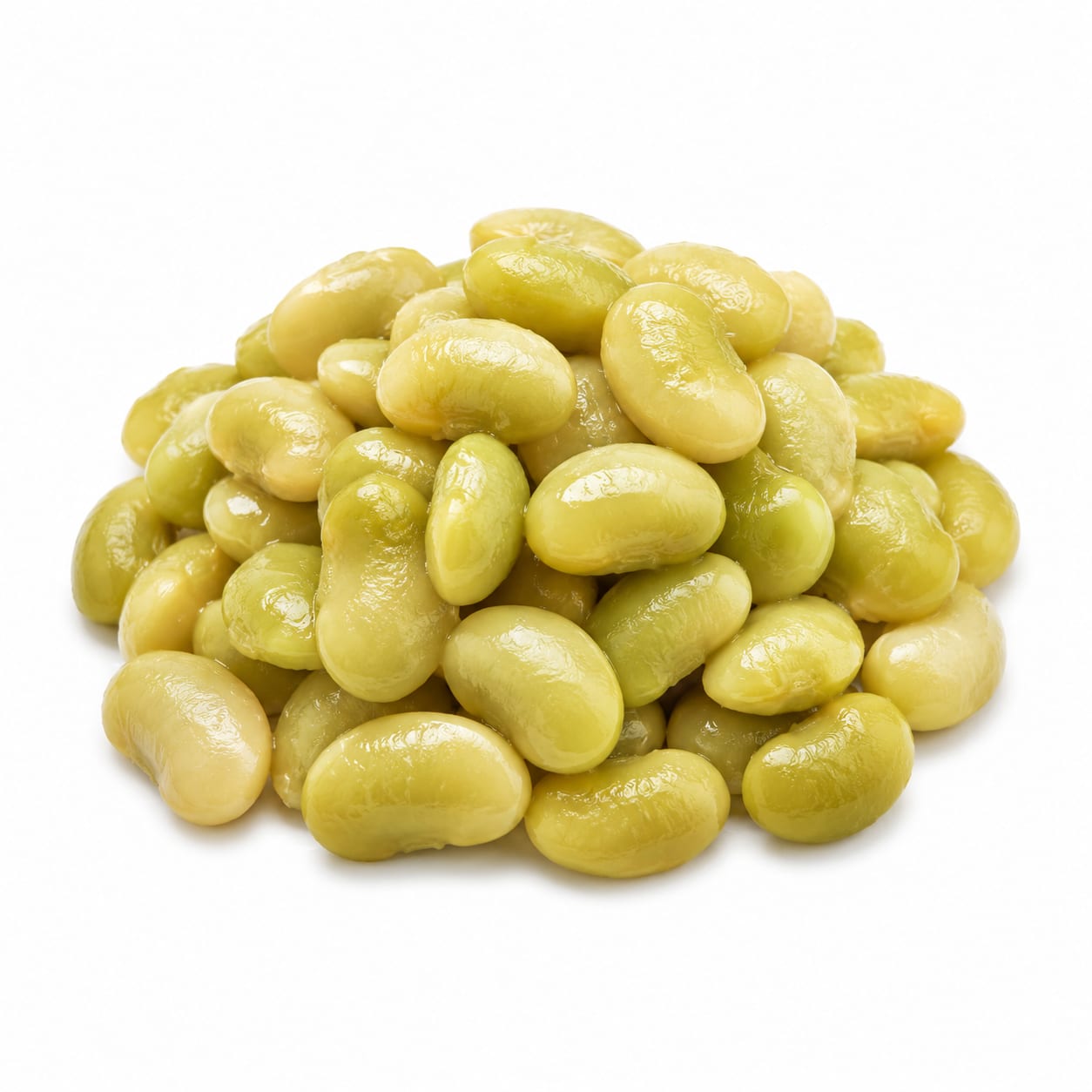
Lima Bean
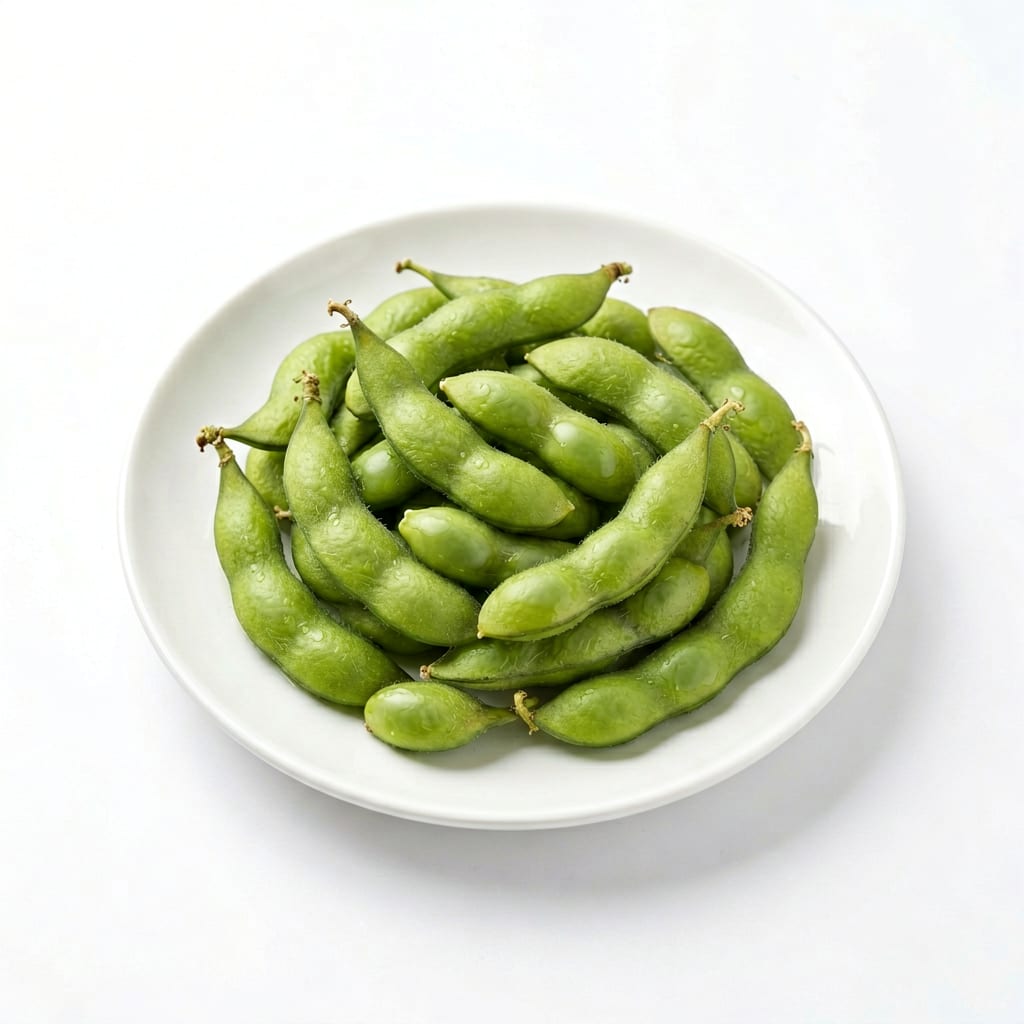
Edamame
Edamame wins for most everyday use thanks to its complete protein, lower carb load, and snack-friendly convenience. Lima Beans shine when you want creamy texture, higher iron, or cheaper calories.
Edamame scores notably higher due to superior protein quality, lower glycemic impact, and everyday convenience. Lima Beans remain solid nutritionally but their higher carb load, cooking requirements, and raw toxicity risk pull the score down. The gap reflects real-world usability, not a dramatic health difference.
Edamame gives you more protein per bite with less starch; Lima Beans give you more filling fiber and calories for less money but require careful cooking.
At a glance
Executive summary
Overall
Edamame
Healthier
Edamame
More practical
Edamame
Daily use
Edamame
Key comparison lenses
protein quality and plant-based muscle support
Edamame is a complete protein source while Lima Beans are not, making this critical for vegetarians and vegans deciding between the two
blood sugar management and carbohydrate load
Lima Beans are significantly higher in starch and carbs, which matters for diabetics and low-carb eaters comparing these legumes
convenience and everyday snackability
Edamame is commonly available ready-to-eat or quick-steam, while Lima Beans require longer prep and are rarely eaten as a standalone snack
safety and preparation requirements
Raw Lima Beans contain cyanogenic compounds that require thorough cooking, whereas Edamame has fewer safety concerns but carries soy allergy risk
fiber type and digestive health
Both are high-fiber but Lima Beans lean heavier on soluble fiber while Edamame offers a different fiber profile with resistant starch benefits
Best choice for
Lima Bean
- People needing extra iron on a budget
- Those wanting higher calorie intake from whole foods
- Anyone seeking creamy texture in soups and stews
- Low-sodium diets since dried Lima Beans are naturally sodium-free
Edamame
- Vegetarians and vegans needing complete protein
- Anyone managing blood sugar or reducing carbs
- People wanting a quick high-protein snack
- Athletes seeking plant-based muscle recovery food
Least suitable for
Lima Bean
- People with soy allergies looking for a soy-free alternative who might confuse these
- Anyone wanting a quick no-cook protein source
- Low-carb dieters since Lima Beans are starch-heavy
- Those who skip long cooking times and might undercook them
Edamame
- People with soy allergies or soy sensitivity
- Anyone avoiding phytoestrogens for hormonal reasons
- Those on strict low-fat diets since Edamame is higher in fat
- Budget-conscious shoppers since Edamame costs more per calorie
Deep comparison
Dimension by dimension
Each lens scores both foods and breaks down who each option suits.
- Dimension 1 · Priority 92Edamame
Protein Quality and Content
Lima Bean · 55Edamame · 90Edamame delivers roughly 50% more protein per serving and contains all nine essential amino acids. Lima Beans provide decent protein but fall short on methionine, making them incomplete alone.
Tradeoff
You get more total protein and better amino acid coverage with Edamame, but Lima Beans pair well with grains to close the amino acid gap cheaply.
Why it matters
For plant-based eaters, complete protein sources are harder to find. Edamame removes the need to combine foods strategically.
Real-world impact
A cup of Edamame after a workout gives you usable protein right away. With Lima Beans you would need rice or corn alongside to get similar muscle-building value.
Lima Bean
- Budget meals paired with rice for complete amino acids
Better for
- Solo protein needs since the amino acid profile is incomplete
Worse for
Edamame
- Post-workout recovery
- Standalone high-protein snacks
- Vegan meal planning without food combining
Better for
- Soy-allergic individuals who need legume protein
Worse for
- Dimension 2 · Priority 85Edamame
Blood Sugar and Carbohydrate Impact
Lima Bean · 60Edamame · 82Lima Beans carry nearly double the carbs of Edamame per serving. Both have decent fiber, but Edamame's lower starch content means a gentler blood sugar curve.
Tradeoff
Lima Beans provide more sustained energy from complex carbs, which is great for active people. Edamame keeps glucose steadier with less total carbohydrate load.
Why it matters
If you are watching blood sugar, the carb difference is significant. Lima Beans have about 30g carbs per cup versus Edamame's 15g.
Real-world impact
Eating Lima Beans as a side can feel more like eating a starch similar to potatoes. Edamame feels more like a protein side with a light carb touch.
Lima Bean
- Endurance athletes needing carb fuel
- Active people wanting sustained energy from whole food starch
Better for
- Insulin-resistant individuals
- Sedentary people who do not need the extra starch
Worse for
Edamame
- Diabetics managing glucose spikes
- Low-carb or keto-adjacent eaters
- Anyone avoiding afternoon energy crashes
Better for
- Carb-loading before endurance events
Worse for
- Dimension 3 · Priority 80Edamame
Convenience and Everyday Practicality
Lima Bean · 45Edamame · 85Edamame is available frozen and steams in minutes. Lima Beans require soaking and long cooking, and are rarely eaten as a standalone snack.
Tradeoff
Lima Beans are cheaper per pound dried but cost you time. Edamame costs more but is ready when you are.
Why it matters
The food you can prepare easily is the food you will actually eat. Convenience often determines whether a healthy staple becomes a habit or gets forgotten.
Real-world impact
Frozen Edamame goes from freezer to plate in under 5 minutes. Dried Lima Beans need overnight soaking plus 45-60 minutes of cooking.
Lima Bean
- Batch cooking and meal prep sessions
- Budget households with time to cook
Better for
- Busy professionals with limited cooking time
- Anyone wanting grab-and-go healthy food
Worse for
Edamame
- Quick weeknight dinners
- Office or on-the-go snacking
- Last-minute meal additions
Better for
- Those cooking for large families on tight budgets
Worse for
- Dimension 4 · Priority 78Edamame
Safety and Preparation Risks
Lima Bean · 55Edamame · 80Raw Lima Beans contain linamarin, a cyanogenic glycoside that can release cyanide if undercooked. Edamame's main risk is soy allergy, which is well-known and easier to avoid.
Tradeoff
Lima Beans require diligent cooking to be safe, especially large varieties which contain more toxin. Edamame is safer to prepare but unsafe for those with soy allergies.
Why it matters
Cyanogenic compounds in Lima Beans are not a minor concern. Undercooked batches have caused real poisoning incidents, particularly with raw or slow-cooked beans.
Real-world impact
Boiling Lima Beans thoroughly for at least 10-15 minutes destroys the toxin. Slow cookers are unsafe for Lima Beans because temperatures may not get high enough.
Lima Bean
- People with soy allergies who need a soy-free legume
Better for
- Inexperienced cooks who might undercook
- Slow cooker recipes where temperature may not reach safe levels
Worse for
Edamame
- Home cooks who want less food safety worry
- Anyone using slow cookers or instant pots without checking toxin guidelines
Better for
- Soy-allergic individuals
- People avoiding phytoestrogens during pregnancy or hormone-sensitive conditions
Worse for
- Dimension 5 · Priority 72It depends
Micronutrient Density
Lima Bean · 78Edamame · 80Lima Beans win on iron, potassium, and manganese. Edamame wins on folate, vitamin K, and omega-3 fats. They complement each other well.
Tradeoff
Lima Beans are better for minerals especially iron and potassium. Edamame brings more vitamins and unique compounds like isoflavones that Lima Beans lack entirely.
Why it matters
Iron deficiency is common, especially in women, making Lima Beans a valuable source. But Edamame's folate and vitamin K support different critical functions.
Real-world impact
If you are borderline anemic, Lima Beans are the better pick. If you are pregnant or need folate, Edamame has the edge.
Lima Bean
- Iron-deficient individuals
- Those needing potassium for blood pressure management
- People wanting manganese for bone health
Better for
- Those primarily seeking folate or vitamin K
Worse for
Edamame
- Pregnant women needing folate
- Anyone wanting vitamin K for bone and blood health
- People seeking omega-3 from plant sources
Better for
- People who need high iron intake from food
Worse for
- Dimension 6 · Priority 70Lima Bean
Satiety and Fullness
Lima Bean · 82Edamame · 75Lima Beans are more filling per serving thanks to higher total fiber and starch content. They stick with you longer. Edamame satisfies through protein and fat but with less bulk.
Tradeoff
Lima Beans give you that heavy, comforted fullness. Edamame gives you a lighter satisfied feeling without the starch coma.
Why it matters
If you are trying to eat less overall, the type of fullness matters. Starch-based fullness lasts longer but can feel heavy. Protein-based fullness feels cleaner.
Real-world impact
A bowl of Lima Beans feels like a proper meal side that keeps you full for hours. Edamame feels like a satisfying snack that does not weigh you down.
Lima Bean
- Big eaters who need to stay full longer
- Manual laborers needing sustained energy
- Anyone replacing heavy starch sides with something healthier
Better for
- People who dislike feeling heavy after meals
Worse for
Edamame
- Light lunchers who want protein without feeling stuffed
- Between-meal snacking without killing appetite for dinner
Better for
- Those who get hungry again quickly after light meals
Worse for
Timeline
Health impact over time
Short-term
Hours to days
Lima Bean
- Provides sustained energy from complex starch, keeping you fueled for hours
- Can cause bloating or gas if you are not used to high-fiber legumes
- Undercooked Lima Beans may cause nausea, vomiting, or dizziness from cyanogenic compounds
Edamame
- Delivers quick-access protein that supports muscle and satiety within the hour
- May cause mild digestive adjustment if soy is new to your diet
- Soy allergic individuals can experience hives, swelling, or anaphylaxis within minutes
Long-term
Months to years
Lima Bean
- Regular consumption supports heart health through potassium and soluble fiber
- Consistent intake helps with blood pressure regulation due to high potassium content
- Long-term reliance without variety may expose you to lower protein quality if not paired with complementary proteins
Edamame
- Isoflavones may support bone density and reduce menopausal symptoms over time
- Regular soy intake is associated with lower cardiovascular risk in population studies
- Phytoestrogen concerns remain debated; moderate intake appears safe but high daily consumption may affect hormone-sensitive individuals
Risk profile
Safety & processing
Both foods are whole legumes with minimal processing when bought dried or frozen. Frozen Edamame sometimes comes with salt, so check labels. Canned Lima Beans may contain added sodium. Dried versions of both are the cleanest option.
Lima Bean
Cyanogenic glycoside toxicity from undercooking
highRaw or undercooked Lima Beans contain linamarin which releases hydrogen cyanide. Large butter beans are especially risky. Always boil thoroughly for at least 10-15 minutes and never use slow cookers for Lima Beans.
Phytic acid reducing mineral absorption
lowLike most legumes, Lima Beans contain phytic acid which can reduce iron and zinc absorption. Soaking before cooking mitigates this significantly.
Edamame
Soy allergy reactions
highSoy is one of the top 8 allergens. Reactions can range from mild hives to life-threatening anaphylaxis. Always confirm no soy allergy before regular consumption.
Phytoestrogen exposure with high daily intake
mediumIsoflavones in Edamame act as weak estrogens. Moderate intake appears safe for most people, but those with hormone-sensitive conditions should consult their doctor about daily soy consumption.
GMO exposure if not organic
mediumMost soy grown in the US is genetically modified. Choose organic Edamame to avoid GMO varieties if that matters to you.
Who wins for whom
Audience fit
Same foods, different winners depending on your goal.
children
EdamameEdamame is fun to eat, easy to prepare safely, and provides growing bodies with complete protein and folate. Lima Beans require careful cooking to eliminate toxins and are less appealing to most kids.
daily consumption
EdamameEdamame's convenience, complete protein, and lower carb load make it easier to eat daily without much planning. Lima Beans work well daily too but require more preparation effort and careful cooking.
diabetes
EdamameHalf the carbohydrates per serving with comparable fiber means Edamame has a gentler impact on blood sugar. Lima Beans are still a decent choice among starches but carry more glycemic load.
elderly
EdamameHigher protein and folate support muscle preservation and cognitive health in aging. Edamame is also easier to prepare correctly, reducing the risk of undercooking that exists with Lima Beans.
muscle gain
EdamameComplete protein with all essential amino acids makes Edamame superior for muscle repair and growth. Lima Beans need to be paired with grains to achieve similar amino acid coverage.
weight loss
EdamameEdamame provides more protein with fewer carbs and calories, making it easier to stay in a deficit while feeling satisfied. Lima Beans are not bad for weight loss but their higher starch content makes portion control harder.
Your move
Decision guide
Choose Lima Bean
- You need affordable iron and potassium from whole food sources
- You are batch cooking soups, stews, or succotash where creamy texture shines
- You are cooking for a family on a tight budget and have time to prep
- You have a soy allergy and need a safe legume alternative
- You want a hearty side dish that replaces potatoes or rice
Choose Edamame
- You want a quick high-protein snack that requires almost no prep
- You are vegetarian or vegan and need complete protein sources
- You are managing blood sugar, reducing carbs, or watching your weight
- You want a convenient freezer staple for busy weeknights
- You are an athlete needing plant-based muscle recovery food
Either works if
- You simply want more legumes in your diet and enjoy both
- You are meal prepping and can cook Lima Beans in bulk while keeping Edamame frozen for quick meals
- You rotate between them for nutrient diversity across the week
Avoid both if
- You have severe legume allergies or intolerances
- You are on a very low-fiber diet for digestive recovery
- You have gout and are sensitive to purines in legumes
Final recommendation
Keep both in rotation if you can. Edamame is your daily driver for quick protein and snacking. Lima Beans are your budget-friendly, iron-rich comfort food for soups and stews. If you must pick one, Edamame wins for most people because it is easier to prepare safely, offers complete protein, and fits more eating patterns. Just always boil Lima Beans thoroughly and choose organic Edamame when possible.
Practical
Consumer tips
- 1
Always boil Lima Beans for at least 10-15 minutes and never cook them in a slow cooker to destroy cyanogenic compounds
- 2
Buy organic Edamame to avoid GMO soy if that concerns you
- 3
Check frozen Edamame labels for added salt and choose unsalted versions when possible
- 4
Soak dried Lima Beans overnight to reduce cooking time and phytic acid
- 5
Keep a bag of frozen Edamame in your freezer for emergency protein on busy days
- 6
Pair Lima Beans with corn, rice, or whole grains to create a complete amino acid profile
- 7
Rinse canned Lima Beans to remove about 40% of the added sodium
- 8
If trying Edamame for the first time, start with a small portion to check for soy sensitivity