
Nutrition comparison
Lima Beans vs Chickpeas: Nutrition, Protein, and Which Is Healthier
Compare lima beans and chickpeas on protein, fiber, iron, blood sugar impact, and versatility. Find out which legume fits your health goals and cooking style.
Overall winner · Chickpeas
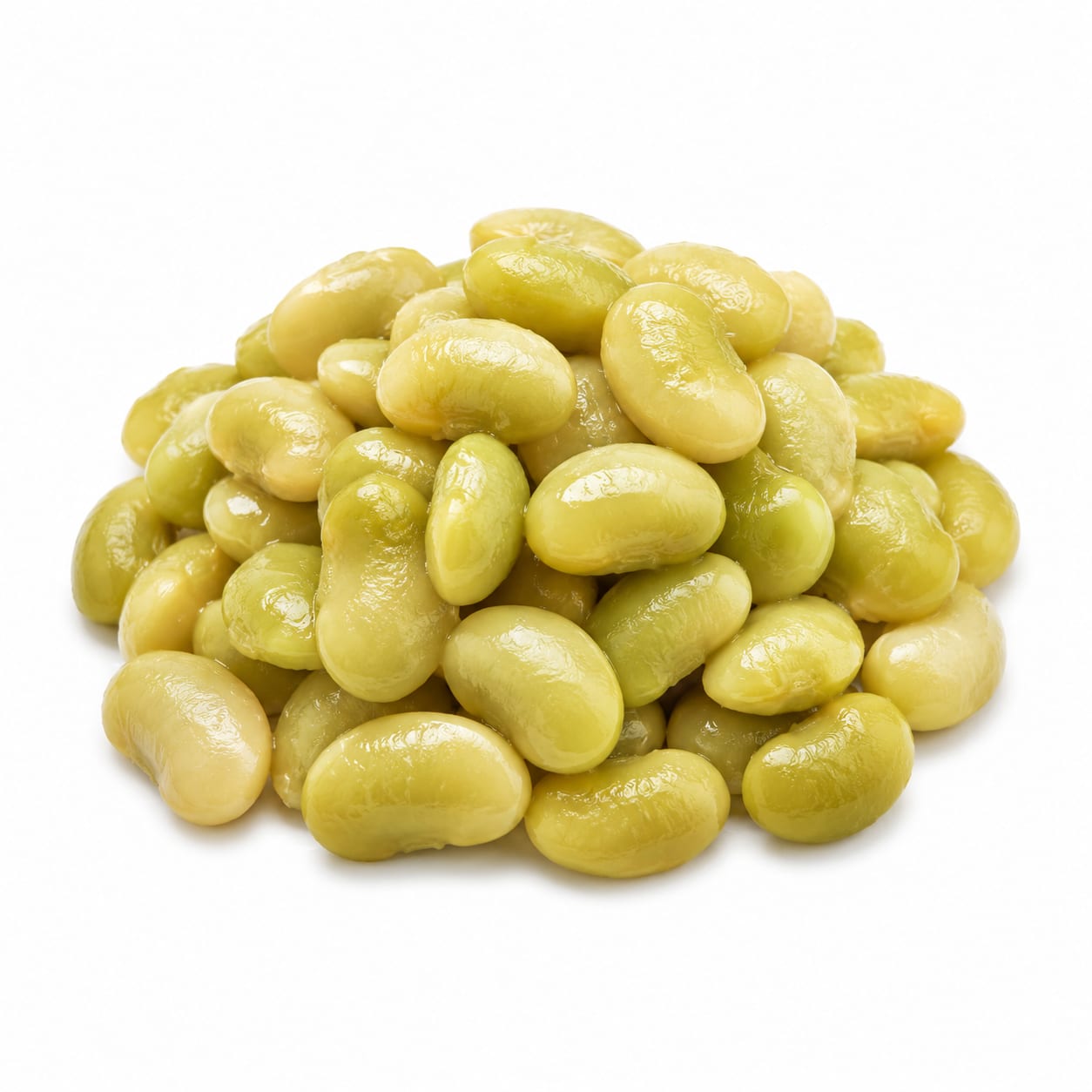
Lima Bean
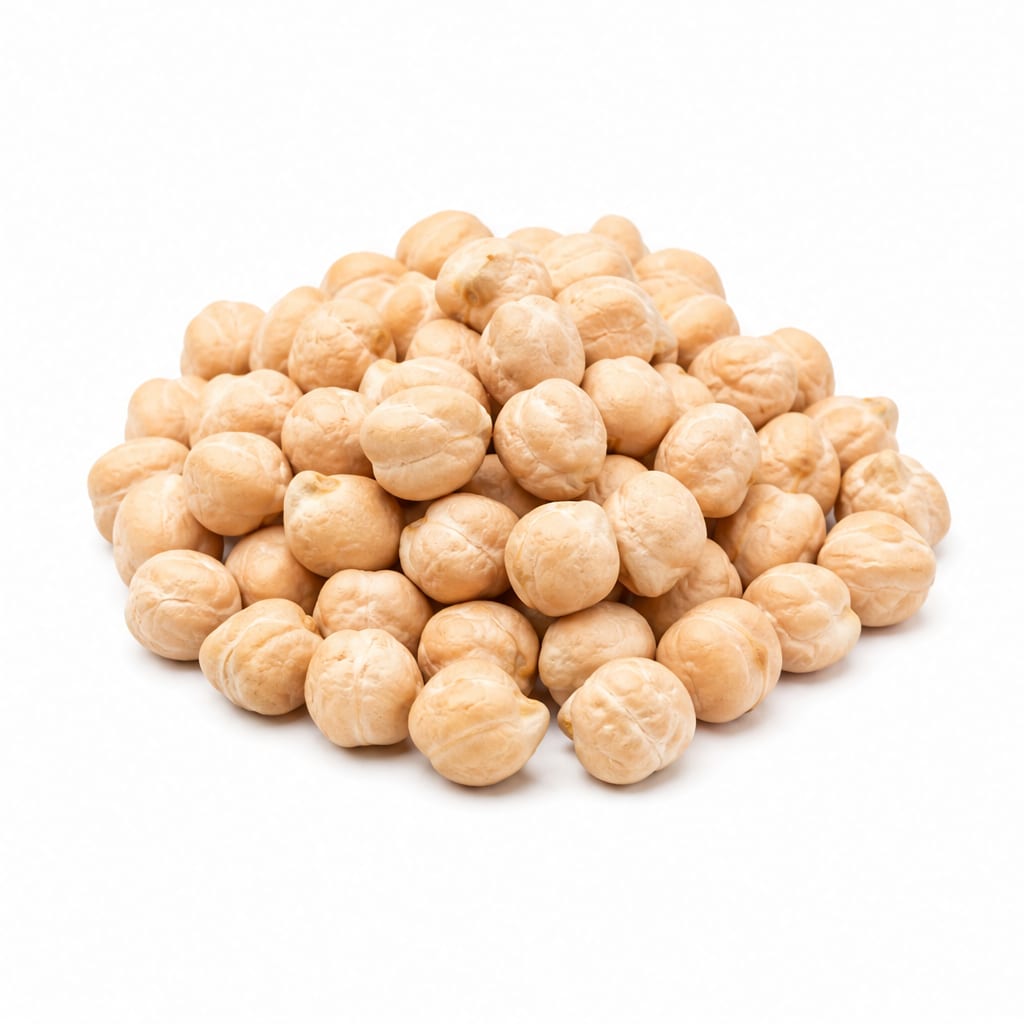
Chickpeas
Chickpeas win on protein, versatility, and safety, while lima beans edge ahead on iron, potassium, and soluble fiber for blood sugar control.
Chickpeas score higher due to superior protein, broader culinary utility, and simpler safety profile. Lima beans remain nutritionally strong, especially for minerals and blood sugar, but their narrower use and cooking demands pull the score down.
Chickpeas give you more protein and easier everyday use; lima beans offer denser minerals and steadier blood sugar but demand careful cooking and have fewer recipe options.
At a glance
Executive summary
Overall
Chickpeas
Healthier
It depends
More practical
Chickpeas
Daily use
Chickpeas
Key comparison lenses
plant-based protein quality and quantity
Both are staple legumes often chosen for protein; chickpeas deliver noticeably more per serving
blood sugar management and fiber type
Lima beans excel in soluble fiber which steadies glucose; chickpeas offer more total fiber overall
everyday versatility and meal integration
Chickpeas appear in hummus, curries, salads, and roasted snacks; lima beans have a narrower recipe range
mineral density especially iron and potassium
Lima beans pack more iron and potassium per calorie, relevant for anemia-prone and active populations
safety and preparation requirements
Lima beans contain cyanogenic glycosides requiring thorough cooking; chickpeas are safer with simpler prep
Best choice for
Lima Bean
- People managing diabetes or insulin resistance
- Those needing extra iron such as menstruating women
- Anyone seeking potassium for blood pressure or cramp prevention
- Slow-digesting carb sources for sustained energy
Chickpeas
- Plant-based eaters prioritizing protein intake
- Meal preppers wanting versatile batch-cooked legumes
- Families wanting a kid-friendly legume option
- Anyone new to cooking legumes who wants simpler prep
Least suitable for
Lima Bean
- People unfamiliar with proper legume cooking techniques
- Those wanting quick weeknight meal solutions
- Anyone sensitive to the texture of creamy, starchy beans
- Individuals with cyanide metabolism concerns
Chickpeas
- People strictly limiting calorie intake who find them easy to overeat
- Those with severe FODMAP sensitivities
- Anyone who dislikes the taste or texture of chickpea-based dishes
Deep comparison
Dimension by dimension
Each lens scores both foods and breaks down who each option suits.
- Dimension 1 · Priority 92Chickpeas
Protein Content and Quality
Lima Bean · 62Chickpeas · 84Chickpeas deliver roughly 50% more protein per cooked cup than lima beans, making them a stronger anchor for plant-based meals.
Tradeoff
You sacrifice some protein density with lima beans but gain more carbohydrate energy, which can suit endurance activities better.
Why it matters
Protein is the hardest macronutrient to get on plant-based diets; every gram counts toward satiety and muscle maintenance.
Real-world impact
A chickpea bowl keeps you fuller longer after lunch; a lima bean side may leave you reaching for a snack sooner.
Lima Bean
- Endurance athletes needing carb-heavy fuel
Better for
- People relying on one legume as their main protein source
Worse for
Chickpeas
- Plant-based dieters hitting protein targets
- Anyone wanting a single legume to anchor a meal
Better for
- Those who find high-protein meals too heavy before exercise
Worse for
- Dimension 2 · Priority 88Lima Bean
Fiber and Blood Sugar Stability
Lima Bean · 86Chickpeas · 78Lima beans have a higher proportion of soluble fiber, which slows glucose absorption more effectively than the insoluble fiber dominant in chickpeas.
Tradeoff
Chickpeas still offer excellent total fiber, but lima beans create a noticeably flatter blood sugar curve after eating.
Why it matters
Steadier blood sugar means fewer energy crashes, less cravings, and better long-term metabolic health.
Real-world impact
After a lima bean meal you are less likely to feel that mid-afternoon energy dip that sends you toward sugary snacks.
Lima Bean
- People with diabetes or prediabetes
- Anyone prone to post-meal energy crashes
Better for
- People who find very high soluble fiber causes bloating
Worse for
Chickpeas
- Those needing more digestive regularity from insoluble fiber
Better for
- Those tracking glycemic response closely
Worse for
- Dimension 3 · Priority 80Lima Bean
Mineral Density
Lima Bean · 85Chickpeas · 72Lima beans provide significantly more iron, potassium, and manganese per serving than chickpeas.
Tradeoff
Chickpeas offer more folate and phosphorus, but lima beans win on the minerals most people are actually deficient in.
Why it matters
Iron deficiency is the most common nutrient gap worldwide; potassium shortfall drives high blood pressure and cramps.
Real-world impact
Regular lima bean consumption can meaningfully move the needle on iron stores and blood pressure numbers over months.
Lima Bean
- Menstruating women needing iron
- Active individuals losing potassium through sweat
- Anyone with borderline low iron labs
Better for
- People with hemochromatosis who must limit iron
Worse for
Chickpeas
- Pregnant women prioritizing folate intake
Better for
- Those relying on legumes as a primary iron source
Worse for
- Dimension 4 · Priority 85Chickpeas
Culinary Versatility
Lima Bean · 48Chickpeas · 90Chickpeas adapt to hummus, curries, roasted snacks, salads, and pasta; lima beans are mostly a side dish or soup ingredient.
Tradeoff
Lima beans have a unique creamy-buttery texture that is hard to replicate, but you will run out of recipe ideas faster.
Why it matters
Food you enjoy cooking repeatedly is food you actually eat; versatility drives long-term dietary consistency.
Real-world impact
You can eat chickpeas five days a week in different forms without getting bored; lima beans get repetitive after two.
Lima Bean
- Cooks wanting a distinctive creamy side dish
- Southern and South American recipe traditions
Better for
- Anyone who gets bored eating the same preparation repeatedly
Worse for
Chickpeas
- Meal preppers who batch-cook one legume for the week
- Families needing kid-friendly formats like hummus or roasted snacks
Better for
- Those seeking a uniquely buttery bean texture
Worse for
- Dimension 5 · Priority 75Chickpeas
Safety and Preparation Simplicity
Lima Bean · 55Chickpeas · 88Lima beans contain cyanogenic glycosides that must be neutralized by thorough cooking; chickpeas only need standard soaking and boiling.
Tradeoff
Properly cooked lima beans are perfectly safe, but the extra vigilance adds friction that discourages regular use.
Why it matters
Safety complexity is a real barrier; people skip foods that feel risky or annoying to prepare.
Real-world impact
You can casually toss chickpeas into a weeknight dinner; lima beans require more planning and attention to cook correctly.
Lima Bean
- Experienced cooks comfortable with legume preparation
Better for
- Anyone unfamiliar with the cyanogenic compound risk
- People who rush cooking and might undercook beans
Worse for
Chickpeas
- Beginners cooking legumes for the first time
- Busy households wanting simple weeknight options
Better for
- Those who find soaking overnight inconvenient
Worse for
- Dimension 6 · Priority 72It depends
Digestive Tolerance
Lima Bean · 68Chickpeas · 65Both cause gas and bloating in sensitive individuals; chickpeas are slightly worse for FODMAP reactions while lima beans can feel heavier in the stomach.
Tradeoff
Neither is a clear win; tolerance is highly individual and depends on gut microbiome adaptation.
Why it matters
The healthiest food on paper is useless if it causes discomfort that makes you avoid eating it.
Real-world impact
Start with small portions of either bean and increase gradually over weeks to let your gut adjust.
Lima Bean
- People sensitive to galacto-oligosaccharides in chickpeas
Better for
- People sensitive to high soluble fiber loads
Worse for
Chickpeas
- Those who find starchy, creamy beans too heavy
Better for
- Those following a low-FODMAP elimination phase
Worse for
Timeline
Health impact over time
Short-term
Hours to days
Lima Bean
- Steadier post-meal energy due to high soluble fiber slowing digestion
- Possible bloating if you are not used to high-fiber legumes
- Risk of mild cyanide symptoms if undercooked, though rare with proper boiling
Chickpeas
- Stronger satiety from higher protein keeping hunger at bay for hours
- Possible gas and bloating, especially if you eat large portions without gradual introduction
- Quick meal assembly since canned chickpeas are ready to use after rinsing
Long-term
Months to years
Lima Bean
- Better blood sugar control reducing diabetes risk over years
- Improved iron status supporting energy and immune function
- Higher potassium intake helping maintain healthy blood pressure
Chickpeas
- Greater protein intake supporting muscle preservation as you age
- Consistent fiber intake lowering cholesterol and supporting gut health
- Easier dietary adherence due to versatility, making healthy eating more sustainable
Risk profile
Safety & processing
Both lima beans and chickpeas are whole, minimally processed foods in their dried or plain canned forms. Canned versions may contain added sodium, so rinsing or choosing no-salt-added varieties is worthwhile for both.
Lima Bean
Cyanogenic glycoside exposure from undercooking
mediumRaw lima beans contain linamarin, which releases hydrogen cyanide when digested. Boiling for at least 10 minutes destroys the compound. Slow cookers are not recommended because they may not reach sufficient temperature.
Phytohemagglutinin toxicity from undercooked beans
lowLike many legumes, undercooked lima beans can cause nausea and vomiting. Thorough boiling eliminates this risk entirely.
Chickpeas
BPA exposure from canned chickpeas
lowMost canned chickpeas are in BPA-lined cans. Choosing tetra-packed or BPA-free canned options, or cooking from dried, avoids this concern.
Sodium load from canned varieties
lowCanned chickpeas can contain 300-400mg sodium per serving. Rinsing removes about 40% of added sodium, or choose no-salt-added versions.
Who wins for whom
Audience fit
Same foods, different winners depending on your goal.
children
ChickpeasChickpeas in hummus or roasted form are more appealing and familiar to kids; lima beans are often rejected for texture and have a safety consideration if undercooked.
daily consumption
ChickpeasChickpeas are easier to prepare safely, more versatile across meals, and less likely to cause cooking fatigue or boredom over time.
diabetes
Lima BeanLima beans have more soluble fiber and a lower effective glycemic impact, creating a flatter blood sugar response after meals.
elderly
Lima BeanHigher iron and potassium in lima beans address common elderly deficiencies, and the softer texture when cooked is easier to chew and swallow.
muscle gain
ChickpeasChickpeas provide more protein per serving, which directly supports muscle repair and growth when paired with resistance training.
weight loss
ChickpeasHigher protein in chickpeas increases satiety per calorie, making it easier to eat less overall without feeling deprived.
Your move
Decision guide
Choose Lima Bean
- You are managing diabetes or insulin resistance and want the flattest blood sugar response
- You need more iron and potassium in your diet, especially if labs are borderline low
- You enjoy creamy, buttery textures and cook legumes from scratch regularly
- You want a slow-digesting carb source for long endurance activities
Choose Chickpeas
- You want the most protein-dense legume option for plant-based meals
- You value versatility and want one legume that works in dozens of recipes
- You are new to cooking legumes and want the simplest, safest option
- You meal prep weekly and need a bean that stays interesting across different dishes
Either works if
- You are simply trying to eat more legumes for general health and fiber
- You rotate between different beans each week for nutrient diversity
- You tolerate both well digestively and enjoy variety
Avoid both if
- You are in the elimination phase of a low-FODMAP diet
- You have a diagnosed legume allergy
- You experience severe digestive distress from all beans despite gradual introduction
Final recommendation
Make chickpeas your everyday legume for their protein, versatility, and ease of use. Add lima beans as a strategic secondary choice when you need extra iron, potassium, or tighter blood sugar control. Rotating both gives you the broadest mineral coverage and keeps meals interesting.
Practical
Consumer tips
- 1
Always boil lima beans for at least 10 minutes; never use a slow cooker for them as it may not reach safe temperatures
- 2
Rinse canned chickpeas thoroughly to remove about 40% of added sodium and reduce gas-causing oligosaccharides
- 3
Soak dried chickpeas overnight with a pinch of baking soda to reduce cooking time and improve digestibility
- 4
Start with quarter-cup portions of either bean if you are not used to high-fiber foods, then increase gradually over two weeks
- 5
Choose no-salt-added canned varieties of both beans when available, or cook from dried for full sodium control
- 6
Roast chickpeas with olive oil and spices at 400°F for 25 minutes for a crunchy snack that replaces chips
- 7
Freeze cooked lima beans in portioned bags so you always have properly prepared beans ready without the cooking wait