
Nutrition comparison
Lentils vs Kidney Beans: Nutrition, Digestion, and Which to Choose
Complete comparison of lentils and kidney beans covering protein, fiber, iron, digestion, cooking time, and safety. Find out which legume is better for your goals.
Overall winner · Lentil
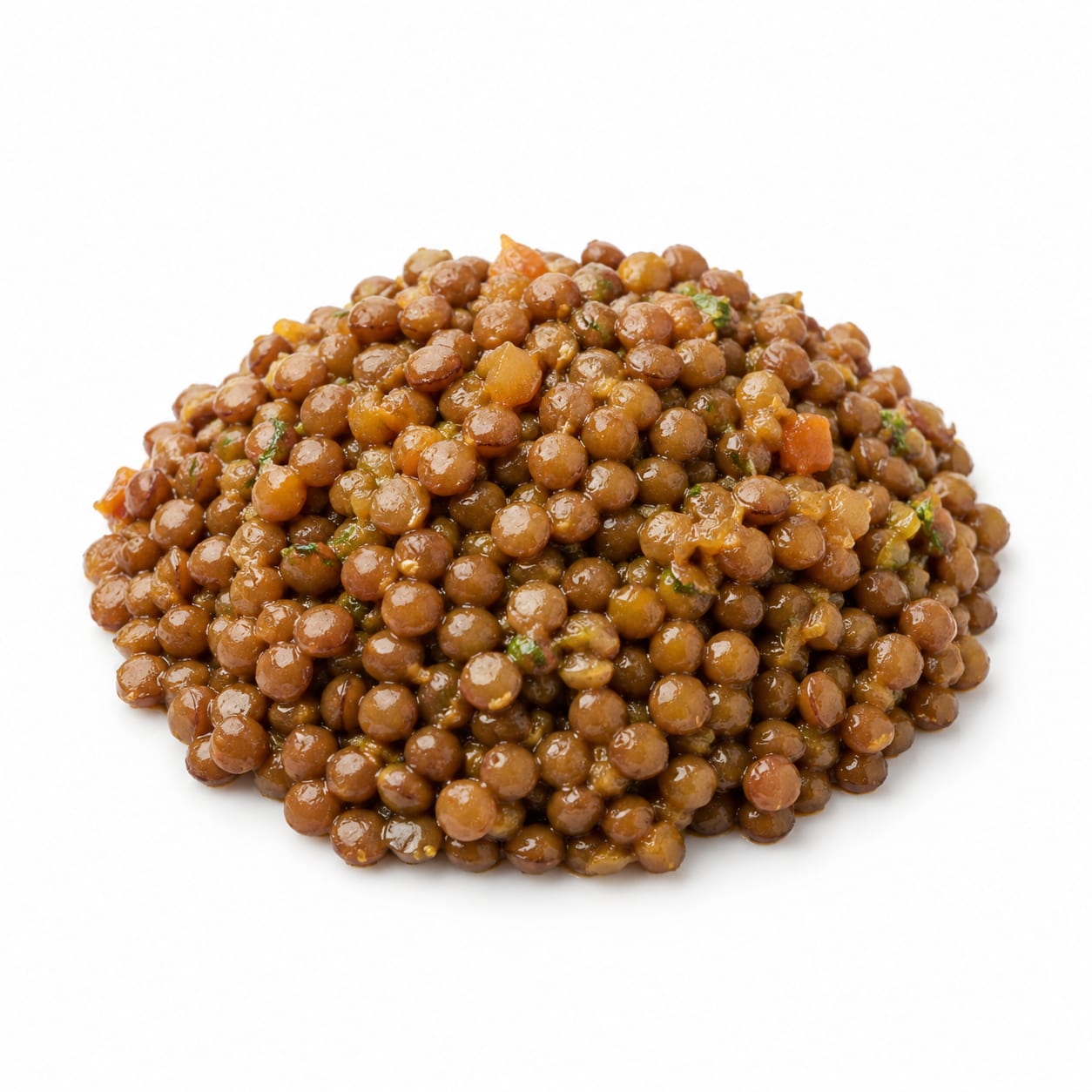
Lentil
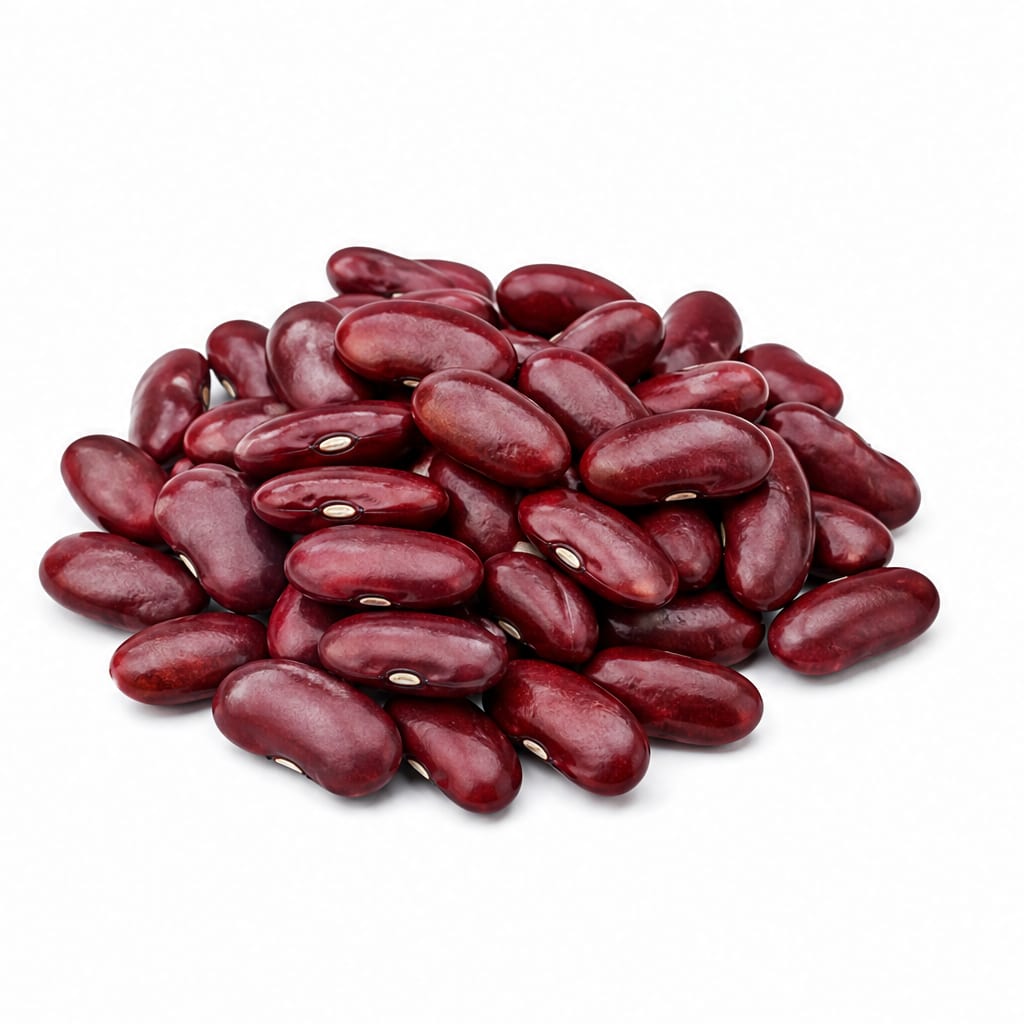
Kidney beans
Lentils edge out kidney beans thanks to faster cooking, easier digestion, and higher iron and folate content, though kidney beans offer superior antioxidants and a heartier texture for certain dishes.
Lentils win by a meaningful margin due to cooking convenience, digestive ease, and a stronger micronutrient profile for everyday needs. Kidney beans remain excellent but their safety requirement and slower preparation create real-world friction.
Speed and digestibility versus antioxidant power and structural heft in recipes.
At a glance
Executive summary
Overall
Lentil
Healthier
Lentil
More practical
Lentil
Daily use
Lentil
Key comparison lenses
digestive tolerance
Legumes differ significantly in gas production and ease of digestion, a top concern for everyday eaters
cooking convenience
Lentils cook in 20 minutes while kidney beans need over an hour, heavily influencing meal planning
nutrient density comparison
Both are nutritional powerhouses but with distinct micronutrient profiles worth understanding
safety and toxin concerns
Undercooked kidney beans contain dangerous lectins, a unique safety consideration
blood sugar management
Both are low glycemic but subtle differences matter for diabetics choosing between them
meal versatility
Texture and flavor differences affect which dishes each legume works best in
Best choice for
Lentil
- Weeknight dinners when time is tight
- People prone to bloating or gas from beans
- Iron-deficient individuals, especially women
- Pregnant women needing folate
- Those new to legumes and building tolerance
Kidney beans
- Slow-cooked stews and chilis where texture matters
- People seeking maximum antioxidant intake
- Meal preppers cooking large batches ahead of time
- Those wanting a denser, more filling base for bowls
Least suitable for
Lentil
- Dishes requiring firm, intact beans that hold shape under long cooking
- People wanting maximum potassium intake
Kidney beans
- Last-minute meals or quick weeknight cooking
- Anyone with a sensitive stomach or IBS flare-ups
- Situations where proper boiling cannot be guaranteed
Deep comparison
Dimension by dimension
Each lens scores both foods and breaks down who each option suits.
- Dimension 1 · Priority 92Lentil
digestive_tolerance
Lentil · 82Kidney beans · 58Lentils are noticeably gentler on the digestive system, producing less gas and bloating than kidney beans.
Tradeoff
If you tolerate beans well, the digestive gap shrinks to near zero, making this concern situational.
Why it matters
Gas and bloating are the number one reason people abandon legumes, so easier digestion translates directly to more consistent eating habits.
Real-world impact
A lentil soup lunch is far less likely to leave you uncomfortably bloated through an afternoon meeting than a kidney bean chili.
Lentil
- People with IBS or sensitive digestion
- Legume beginners building gut tolerance
- Workday lunches where post-meal comfort matters
Better for
- Those who find lentils' softer texture less satisfying
Worse for
Kidney beans
- People with well-adapted gut microbiomes who handle beans easily
Better for
- Anyone avoiding beans due to bloating history
- Social situations where gas would be embarrassing
Worse for
- Dimension 2 · Priority 88Lentil
cooking_convenience
Lentil · 90Kidney beans · 45Lentils cook in 15-25 minutes with no soaking. Kidney beans require overnight soaking plus 60-90 minutes of boiling.
Tradeoff
Canned kidney beans close the convenience gap but add sodium and cost more per serving than dried lentils.
Why it matters
The difference between a 20-minute meal and a 2-hour cooking project determines whether you actually cook legumes or reach for something easier.
Real-world impact
On a Tuesday at 6pm, lentils are a realistic dinner. Dried kidney beans are not happening without prior planning.
Lentil
- Spontaneous weeknight cooking
- Anyone without meal-prep habits
- Budget-conscious cooks avoiding canned options
Better for
- Dishes where you want beans to stay firm and intact
Worse for
Kidney beans
- Weekend meal prep sessions where long cook times are fine
- Slow cooker recipes where time is irrelevant
Better for
- Anyone who forgets to soak beans ahead of time
- Small households cooking single portions
Worse for
- Dimension 3 · Priority 85Lentil
micronutrient_density
Lentil · 84Kidney beans · 76Lentils deliver significantly more iron and folate. Kidney beans offer more potassium and manganese.
Tradeoff
Iron and folate are more commonly deficient nutrients, giving lentils a practical edge for most people.
Why it matters
Iron deficiency affects roughly 25% of the global population, and folate is critical for women of childbearing age, making lentils' strengths more broadly relevant.
Real-world impact
A cup of lentils provides about 37% of your daily iron needs versus roughly 26% from kidney beans, a meaningful difference over time.
Lentil
- Women with heavy menstrual cycles needing iron
- Pregnant women or those trying to conceive
- Vegetarians and vegans managing iron intake
Better for
- Situations where potassium intake is the priority
Worse for
Kidney beans
- People needing to boost potassium for blood pressure management
- Those getting adequate iron from other sources
Better for
- Iron-deficient individuals who need every advantage
Worse for
- Dimension 4 · Priority 78Kidney beans
antioxidant_content
Lentil · 62Kidney beans · 85Dark red kidney beans are among the top antioxidant-rich foods available, significantly outscoring lentils.
Tradeoff
Antioxidants matter for long-term disease prevention but are invisible in how you feel day to day.
Why it matters
Kidney beans' deep red pigment signals concentrated anthocyanins and flavonoids linked to reduced inflammation and cellular protection over decades.
Real-world impact
Regularly eating kidney beans contributes to long-term cellular defense in ways lentils cannot fully match, though both are still strong choices.
Lentil
- Those prioritizing immediate nutritional needs over long-term optimization
Better for
- Long-term antioxidant optimization
Worse for
Kidney beans
- People focused on anti-aging and longevity nutrition
- Anyone with chronic inflammation concerns
- Those eating a varied diet already rich in iron
Better for
- Situations where immediate energy and digestibility take priority
Worse for
- Dimension 5 · Priority 78Lentil
blood_sugar_stability
Lentil · 88Kidney beans · 82Both are excellent for blood sugar, but lentils have a slightly lower glycemic index and higher fiber ratio.
Tradeoff
The difference is small enough that both are top-tier choices for diabetics, with lentils holding a marginal advantage.
Why it matters
For people managing diabetes, even small glycemic differences compound over thousands of meals across years.
Real-world impact
Both foods produce slow, steady energy release without spikes, but lentils may give slightly more predictable blood sugar responses.
Lentil
- Diabetics optimizing for the lowest possible glycemic response
- People prone to afternoon energy crashes
Better for
- Those who find lentils less satisfying and end up eating more carbs later
Worse for
Kidney beans
- Diabetics who tolerate beans well and prefer their texture
Better for
- Sensitive blood sugar situations where every point of GI matters
Worse for
- Dimension 6 · Priority 75Kidney beans
satiety_and_fullness
Lentil · 74Kidney beans · 82Kidney beans feel denser and more filling per serving, likely due to their firmer texture and slightly higher resistant starch content.
Tradeoff
More satiety comes with more digestive effort, so the fuller feeling may include bloating for some.
Why it matters
Feeling satisfied after a meal directly affects whether you snack later, making this a weight management factor.
Real-world impact
A kidney bean bowl tends to keep you full longer than a lentil soup, but may also leave you feeling heavier.
Lentil
- Those who prefer lighter meals that do not sit heavy
- People eating multiple smaller meals per day
Better for
- Those who find themselves hungry again within two hours
Worse for
Kidney beans
- Anyone trying to reduce between-meal snacking
- People who find lighter meals unsatisfying
Better for
- People who dislike feeling overly full or heavy after eating
Worse for
- Dimension 7 · Priority 82Lentil
safety_and_toxin_risk
Lentil · 95Kidney beans · 65Undercooked kidney beans contain phytohaemagglutinin, a lectin that causes severe nausea, vomiting, and diarrhea. Lentils carry no such risk.
Tradeoff
Proper boiling eliminates the toxin completely, but the risk exists if kidney beans are slow-cooked without prior boiling.
Why it matters
Even five undercooked kidney beans can cause acute poisoning. This is not a theoretical risk but a documented real-world hazard.
Real-world impact
If you use a slow cooker for kidney beans without boiling them first at 100°C for at least 10 minutes, you risk serious food poisoning.
Lentil
- Inexperienced cooks who may not know about lectin risks
- Slow cooker users who skip boiling steps
- Anyone cooking for children where safety margins matter most
Better for
- No meaningful safety downside
Worse for
Kidney beans
- Experienced cooks who always properly prepare beans
Better for
- Slow cooker recipes without pre-boiling
- Camping or off-grid cooking where rolling boils are hard to guarantee
Worse for
Timeline
Health impact over time
Short-term
Hours to days
Lentil
- Quick-cooking lentils provide fast, steady energy with minimal digestive discomfort
- High fiber supports immediate satiety without heaviness
- Iron content helps combat afternoon fatigue for those with low stores
Kidney beans
- Kidney beans deliver strong fullness that curbs snacking for hours
- May cause noticeable gas and bloating, especially if your body is not accustomed to them
- Undercooked beans can cause acute nausea and vomiting within hours of eating
Long-term
Months to years
Lentil
- Consistent lentil consumption supports heart health through fiber and folate
- Superior iron content helps maintain healthy ferritin levels over years
- Easier digestion makes long-term adherence to legume-rich eating more sustainable
Kidney beans
- Outstanding antioxidant intake contributes to reduced chronic disease risk over decades
- High potassium supports long-term blood pressure regulation
- Resistant starch feeds gut bacteria that produce protective short-chain fatty acids
Risk profile
Safety & processing
Both lentils and kidney beans are whole, minimally processed foods in their dried form. Canned versions remain relatively clean but often contain added sodium, so rinsing is recommended.
Lentil
Minimal lectin content
lowLentils contain trace lectins that are fully neutralized by normal cooking, with no special precautions needed.
Kidney beans
Phytohaemagglutinin lectin poisoning
highRaw or undercooked kidney beans contain dangerous levels of this lectin. As few as 4-5 raw beans can cause symptoms. Must be boiled at 100°C for at least 10 minutes. Slow cookers alone may not reach sufficient temperature.
Canned sodium content
mediumCanned kidney beans often contain 400-500mg sodium per serving. Rinsing removes about 40% but not all.
Who wins for whom
Audience fit
Same foods, different winners depending on your goal.
children
LentilLentils cook into softer textures that are easier for kids to eat, carry no lectin poisoning risk, and their milder flavor is more kid-friendly.
daily consumption
LentilFaster cooking, gentler digestion, and no safety concerns make lentils the more practical daily staple for most people.
diabetes
LentilBoth are excellent low-glycemic choices, but lentils' slightly lower GI and higher fiber-to-carb ratio provide marginally better blood sugar control.
elderly
LentilOlder adults often have reduced digestive capacity and higher anemia risk, making lentils' easier digestion and higher iron content more valuable.
muscle gain
LentilLentils provide about 18g protein per cooked cup versus 15g in kidney beans, giving a meaningful edge for muscle-building diets.
weight loss
LentilLentils offer slightly fewer calories per cup, more fiber, and easier portion control due to lighter texture, making them more sustainable for calorie-conscious eating.
Your move
Decision guide
Choose Lentil
- You want a quick-cooking legume for weeknight meals
- Digestive sensitivity has kept you from eating beans regularly
- You are focused on iron or folate intake
- You are new to cooking legumes and want a forgiving starting point
- You meal-prep in real time rather than planning days ahead
Choose Kidney beans
- You are making chili, stew, or any slow-cooked dish where firm beans shine
- Long-term antioxidant intake is a priority for you
- You already soak and batch-cook beans weekly
- You tolerate beans well and want maximum satiety per serving
- You are looking for variety alongside lentils in your rotation
Either works if
- You simply want more plant-based protein and fiber in your diet
- You are eating for heart health and diabetes prevention
- You rotate between multiple legume types throughout the week
- Both are available and you want to mix textures in a dish
Avoid both if
- You have a diagnosed legume allergy
- You are in an acute IBS flare and your doctor has recommended a low-FODMAP elimination phase
- You are on a very low-carb or ketogenic diet
Final recommendation
Keep both in your pantry but let lentils be your daily driver. Their speed, digestibility, and safety make them the more sustainable everyday choice. Save kidney beans for weekend chilis and hearty stews where their texture and antioxidants truly shine. Variety beats loyalty to either one.
Practical
Consumer tips
- 1
If using canned kidney beans, always rinse thoroughly to remove about 40% of the added sodium
- 2
Never cook dry kidney beans in a slow cooker without boiling them vigorously for at least 10 minutes first
- 3
Add a pinch of baking soda to lentil cooking water to reduce cooking time by a few minutes
- 4
Start with small portions of either legume and gradually increase to let your gut microbiome adapt, reducing gas over weeks
- 5
Red and green lentils cook even faster than brown lentils, in about 15 minutes, making them the fastest legume option available
- 6
Freeze cooked lentils in portion-sized bags for instant protein additions to any meal throughout the week