
Nutrition comparison
Lentils vs Edamame: Which Plant Protein Is Better for You?
Compare lentils and edamame on protein quality, fiber, digestion, cost, and hormonal effects. Find out which legume fits your health goals and budget best.
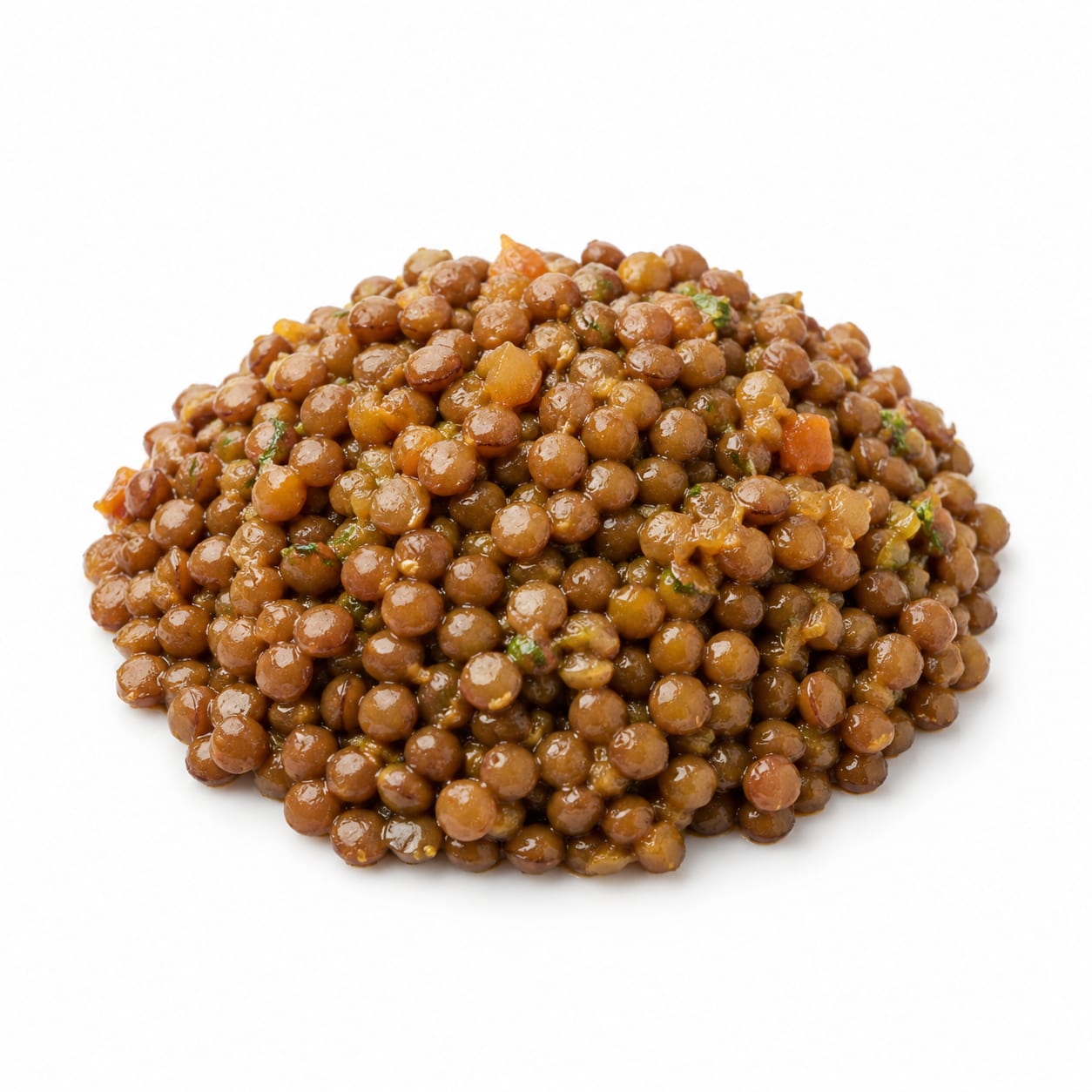
Lentil

Edamame
Lentils win on fiber, iron, and budget. Edamame wins on protein quality, healthy fats, and digestibility. Your pick depends on what your plate needs most.
Lentils edge ahead slightly due to superior fiber, mineral density, and cost-effectiveness for daily use. Edamame matches closely with better protein quality and easier digestion. The near-tie reflects that both are excellent choices with different strengths.
Lentils offer more fiber and minerals at a lower cost but are harder to digest. Edamame delivers complete protein and healthy fats but costs more and carries phytoestrogen considerations.
At a glance
Executive summary
Overall
It depends
Healthier
It depends
More practical
Lentil
Daily use
Lentil
Key comparison lenses
plant protein source selection
Both are top plant proteins but differ significantly in protein quality, fat content, and amino acid profiles
digestive tolerance and gut health
Lentils are notorious for causing gas while edamame is generally easier to digest for most people
hormonal and phytoestrogen concerns
Edamame contains isoflavones which raise legitimate questions about hormonal effects that lentils do not
blood sugar management
Different carb-to-fiber ratios make these foods behave very differently for glucose control
budget and meal prep practicality
Lentils are dramatically cheaper and store longer, making them more practical for bulk cooking
Best choice for
Lentil
- People on a tight grocery budget
- Anyone needing more iron and folate
- Meal preppers who cook in bulk
- Those avoiding soy for hormonal reasons
- Vegans needing mineral-dense calories
Edamame
- People prioritizing complete protein intake
- Anyone with sensitive digestion who struggles with beans
- Those wanting healthy fats alongside protein
- Post-workout recovery snackers
- People who want minimal prep time
Least suitable for
Lentil
- People with severe IBS or FODMAP sensitivities
- Anyone who experiences bloating from legumes
- Those wanting a quick no-cook protein option
Edamame
- People with soy allergies
- Those avoiding phytoestrogens due to hormone-sensitive conditions
- Budget-conscious shoppers feeding a large family
Deep comparison
Dimension by dimension
Each lens scores both foods and breaks down who each option suits.
- Dimension 1 · Priority 95Edamame
Protein Quality and Content
Lentil · 70Edamame · 88Edamame provides a complete protein with all essential amino acids. Lentils are slightly deficient in methionine but still offer solid protein density.
Tradeoff
Edamame's complete amino acid profile makes it more efficient for muscle building and repair, while lentils need to be paired with grains to achieve completeness.
Why it matters
Complete proteins support muscle maintenance more efficiently, which matters especially for active people and older adults preventing muscle loss.
Real-world impact
After a workout, edamame gives you a more usable protein hit. With lentils, add rice or quinoa to round out the amino acids.
Lentil
- Higher protein per dollar spent
- Still substantial protein at roughly 18g per cooked cup
Better for
- Missing adequate methionine without grain pairing
- Lower total protein per serving than edamame
Worse for
Edamame
- All essential amino acids in one food
- Higher protein density per calorie
- Better absorbed protein for muscle synthesis
Better for
- More expensive protein source per gram
Worse for
- Dimension 2 · Priority 90Lentil
Fiber and Digestive Health
Lentil · 92Edamame · 68Lentils deliver significantly more fiber per serving, feeding gut bacteria and promoting fullness. Edamame has respectable fiber but cannot match lentils here.
Tradeoff
More fiber means better long-term gut health but also more gas and bloating during adjustment. Edamame offers gentler fiber with less digestive drama.
Why it matters
Fiber intake is the single most predictive dietary factor for long-term digestive health and disease prevention.
Real-world impact
A cup of lentils keeps you full for hours and supports daily bowel regularity. But if your gut is sensitive, that same cup can mean uncomfortable bloating.
Lentil
- Roughly 16g fiber per cooked cup versus 8g in edamame
- Excellent prebiotic fuel for beneficial gut bacteria
- Superior for long-term gut microbiome diversity
Better for
- High FODMAP content triggers bloating in sensitive people
- Requires gradual introduction to avoid digestive discomfort
Worse for
Edamame
- Easier on the stomach for most people
- Less gas-producing than lentils
- Better tolerated by those with mild IBS
Better for
- Half the fiber of lentils per serving
- Less impactful for chronic constipation relief
Worse for
- Dimension 3 · Priority 85Lentil
Blood Sugar Stability
Lentil · 86Edamame · 80Lentils have a remarkably low glycemic index around 32, among the best of all carbohydrate foods. Edamame is also excellent but has slightly less fiber to slow glucose absorption.
Tradeoff
Lentils provide steadier blood sugar over a longer window. Edamame's lower carb content means less glucose impact overall but also less sustained energy.
Why it matters
Stable blood sugar prevents energy crashes, reduces cravings, and protects against type 2 diabetes over time.
Real-world impact
A lentil-based lunch keeps afternoon energy stable without a crash. Edamame as a snack barely moves blood sugar at all but also provides less staying power.
Lentil
- Very low glycemic index of approximately 32
- High fiber creates a slow, sustained energy release
- Proven to improve glycemic control in studies
Better for
- Contains more total carbohydrates to manage
- Portion still matters for diabetics counting carbs
Worse for
Edamame
- Very few net carbs means minimal glucose spike
- Safe choice for strict low-carb eaters
Better for
- Less fiber means less glucose-buffering effect
- Lower calorie contribution may leave you hungry sooner
Worse for
- Dimension 4 · Priority 80Edamame
Fat Profile and Heart Health
Lentil · 55Edamame · 85Edamame provides beneficial polyunsaturated fats including omega-3s. Lentils are nearly fat-free, which is neither good nor bad but means you miss those heart-healthy fats.
Tradeoff
Edamame's fat content adds calories but also cardiovascular protection and hormone support. Lentils keep fat near zero but require you to get healthy fats elsewhere.
Why it matters
Omega-3 and omega-6 fatty acids from whole food sources support heart health, brain function, and inflammation regulation.
Real-world impact
Eating edamame as a snack gives you protein and heart-healthy fats in one package. With lentils, you need to add olive oil, avocado, or nuts to get those fats.
Lentil
- Virtually no fat means easy fit into low-fat diets
- Fewer calories from fat allows larger portions
Better for
- Essentially zero healthy fats requires dietary pairing
- Less hormonally satisfying without fat content
Worse for
Edamame
- Contains alpha-linolenic acid, a plant omega-3
- Polyunsaturated fats support cardiovascular health
- More satiating due to fat-protein combination
Better for
- Higher calorie density from fat content
- Fat adds up if eating large portions frequently
Worse for
- Dimension 5 · Priority 75Lentil
Mineral Density
Lentil · 88Edamame · 72Lentils are exceptional for iron, folate, and manganese. Edamame provides good minerals but cannot match lentils for iron and folate specifically.
Tradeoff
Lentils are a mineral powerhouse, especially critical for menstruating women and pregnant people. Edamame offers more calcium and vitamin K but less iron.
Why it matters
Iron deficiency is the most common nutrient deficiency worldwide, and folate is critical for fetal development and cellular repair.
Real-world impact
For anyone prone to low iron, lentils are one of the best plant sources available. Edamame supports bone health better but will not move the needle on iron as much.
Lentil
- Roughly 6.6mg iron per cooked cup versus 3.5mg in edamame
- Excellent folate content critical for pregnancy
- High manganese supports bone health and metabolism
Better for
- Non-heme iron is less absorbable than animal sources
- Phytates can reduce mineral absorption
Worse for
Edamame
- More calcium per serving for bone density
- Vitamin K content supports blood clotting and bone health
Better for
- Significantly less iron per serving
- Lower folate content
Worse for
- Dimension 6 · Priority 70Lentil
Cost and Accessibility
Lentil · 95Edamame · 60Dried lentils are among the cheapest protein sources on earth. Edamame costs roughly three to four times more per gram of protein.
Tradeoff
Lentils make plant-based eating affordable at scale. Edamame is a reasonable treat but expensive as a daily staple for most households.
Why it matters
Cost is the most practical barrier to healthy eating. Affordable nutrition that actually gets eaten beats expensive nutrition that does not.
Real-world impact
A pound of dried lentils costs around two dollars and makes eight servings. The same protein from edamame costs six to eight dollars.
Lentil
- One of the cheapest protein sources available globally
- Dried lentils last years in the pantry
- Widely available in any grocery store
Better for
- Requires cooking time and planning
Worse for
Edamame
- Frozen edamame is convenient and still reasonably priced
- Available in most stores including convenience formats
Better for
- Three to four times more expensive per gram of protein
- Less accessible in food deserts or budget-constrained households
Worse for
- Dimension 7 · Priority 75Lentil
Hormonal Considerations
Lentil · 82Edamame · 62Lentils have no phytoestrogen activity. Edamame contains isoflavones that mimic estrogen weakly, which is beneficial for some people but concerning for others.
Tradeoff
Edamame's isoflavones may help with menopause symptoms and bone density but raise questions for those with estrogen-sensitive conditions. Lentils avoid this entirely.
Why it matters
For anyone with a history of hormone-sensitive cancers or thyroid conditions, soy phytoestrogens require careful consideration.
Real-world impact
Most healthy people can eat edamame daily without issue. But if you have breast cancer history or thyroid problems, lentils give you protein without the hormonal question mark.
Lentil
- Zero phytoestrogen activity eliminates hormonal concerns
- Safe for anyone avoiding soy for medical reasons
- No interference with thyroid medication absorption
Better for
- No isoflavone benefits for menopause symptom relief
Worse for
Edamame
- Isoflavones may ease menopausal hot flashes
- Potential bone-protective effects in postmenopausal women
- Moderate intake associated with reduced breast cancer risk in some studies
Better for
- Isoflavones may concern those with estrogen-receptor-positive breast cancer
- Can interfere with thyroid function in iodine-deficient individuals
- Controversial for infants and children in large amounts
Worse for
Timeline
Health impact over time
Short-term
Hours to days
Lentil
- High satiety from fiber and protein combination keeps hunger away for hours
- Potential gas and bloating especially if your body is not used to high-fiber legumes
- Steady energy without blood sugar spikes or crashes
- May cause digestive discomfort when eaten in large portions without gradual introduction
Edamame
- Quick satisfying snack with minimal digestive upset for most people
- Protein and fat combination provides comfortable fullness without heaviness
- Very gentle on blood sugar
- Mild soy aftertaste that some people find unpleasant
Long-term
Months to years
Lentil
- Consistent lentil consumption linked to lower heart disease risk in large population studies
- Excellent for maintaining healthy cholesterol levels through soluble fiber
- Supports gut microbiome diversity which influences immunity and mood
- High folate intake supports cellular repair and healthy pregnancy outcomes
Edamame
- Regular soy consumption associated with moderate cardiovascular benefits
- Isoflavones may support bone mineral density in postmenopausal women
- Complete protein intake helps preserve muscle mass with aging
- Long-term soy intake remains debated for hormone-sensitive individuals
Risk profile
Safety & processing
Both foods are whole-food legumes with minimal processing. Dried lentils are simply harvested and dried. Frozen edamame is steamed and frozen. Both are about as natural as protein gets. The only concern is that most edamame in the US is conventionally grown with pesticides, and the majority of soy is genetically modified, so organic edamame is worth the premium if you want to avoid GMOs.
Lentil
Phytic acid reducing mineral absorption
lowPhytates in lentils bind to iron and zinc, reducing absorption. Soaking or sprouting lentils before cooking significantly reduces this effect.
Lectin content in undercooked lentils
mediumRaw or undercooked lentils contain lectins that can cause nausea and vomiting. Always cook lentils thoroughly until completely soft.
Edamame
GMO soy exposure
mediumOver 90% of US soy is genetically modified. Choose organic edamame to avoid GMOs if that matters to you.
Pesticide residue on conventional soy
mediumSoy is a heavily sprayed crop. Organic edamame significantly reduces pesticide exposure.
Soy allergy
highSoy is one of the top eight allergens. Reactions can range from mild hives to anaphylaxis in sensitive individuals.
Who wins for whom
Audience fit
Same foods, different winners depending on your goal.
children
It dependsEdamame is fun to eat, easy to digest, and provides complete protein for growing bodies. However, some pediatricians recommend limiting soy for young children due to isoflavones. Lentils avoid that concern but may cause digestive discomfort in kids not used to them.
daily consumption
LentilLentils are cheaper, store indefinitely, and have no hormonal considerations. They are easier to justify eating every day both financially and from a safety standpoint.
diabetes
LentilLentils have one of the lowest glycemic indices of any carbohydrate food and more fiber to buffer glucose absorption. Studies consistently show lentils improve glycemic control.
elderly
EdamameOlder adults benefit from edamame's complete protein for muscle preservation, healthy fats for joint and brain health, and easier digestibility. The isoflavones may also support bone density.
muscle gain
EdamameEdamame's complete amino acid profile and higher protein bioavailability make it more efficient for muscle protein synthesis, especially post-workout.
weight loss
LentilLentils provide more fiber and fewer calories per serving, creating stronger satiety signals that naturally reduce overeating. The high fiber volume physically fills the stomach for longer.
Your move
Decision guide
Choose Lentil
- You are on a budget and need affordable daily protein
- You want maximum fiber for gut health and fullness
- You have iron deficiency or need folate support
- You are avoiding soy for hormonal or allergy reasons
- You meal prep and want a shelf-stable pantry staple
Choose Edamame
- You want complete protein without pairing foods
- You experience bloating or gas from other legumes
- You need a quick protein snack with minimal cooking
- You want healthy fats alongside your protein
- You are post-workout and need efficient muscle recovery fuel
Either works if
- You simply want more plant protein in your diet
- You are transitioning away from meat and need satisfying alternatives
- You want to improve heart health through legume consumption
- You are building a grain bowl and either works as the protein base
Avoid both if
- You have a legume allergy that crosses both lentils and soy
- You are on a strict very-low-carb or ketogenic diet
- You have severe IBS and cannot tolerate any FODMAPs currently
Final recommendation
Keep both in rotation. Use lentils as your affordable daily workhorse for soups, stews, and grain bowls. Use edamame as your convenient, gut-friendly protein for quick meals and post-workout snacks. If budget forces a choice, lentils give you more nutrition per dollar. If digestion forces a choice, edamame is gentler. Neither is a wrong answer.
Practical
Consumer tips
- 1
Soak lentils for at least four hours or overnight to reduce gas-causing compounds and improve mineral absorption
- 2
If lentils cause bloating, start with red lentils which are easier to digest than green or brown varieties
- 3
Buy organic edamame to avoid GMOs and pesticide residue, since conventional soy is heavily sprayed
- 4
Rinse canned lentils thoroughly to remove about 40% of the sodium from processing
- 5
Sprout lentils for two to three days to dramatically increase vitamin C and reduce phytic acid
- 6
Keep frozen edamame on hand for emergencies. It steams in the microwave in three minutes
- 7
Pair lentils with a vitamin C source like tomatoes or bell peppers to boost iron absorption by up to six times
- 8
Avoid edamame if you take thyroid medication, as soy can interfere with absorption. Separate by at least four hours