
Nutrition comparison
Lentils vs Chickpeas: Which Is Healthier for Daily Eating?
Lentils and chickpeas compared on protein, digestion, cooking time, and weight loss. Find out which legume fits your health goals and when to choose each.
Overall winner · Lentil
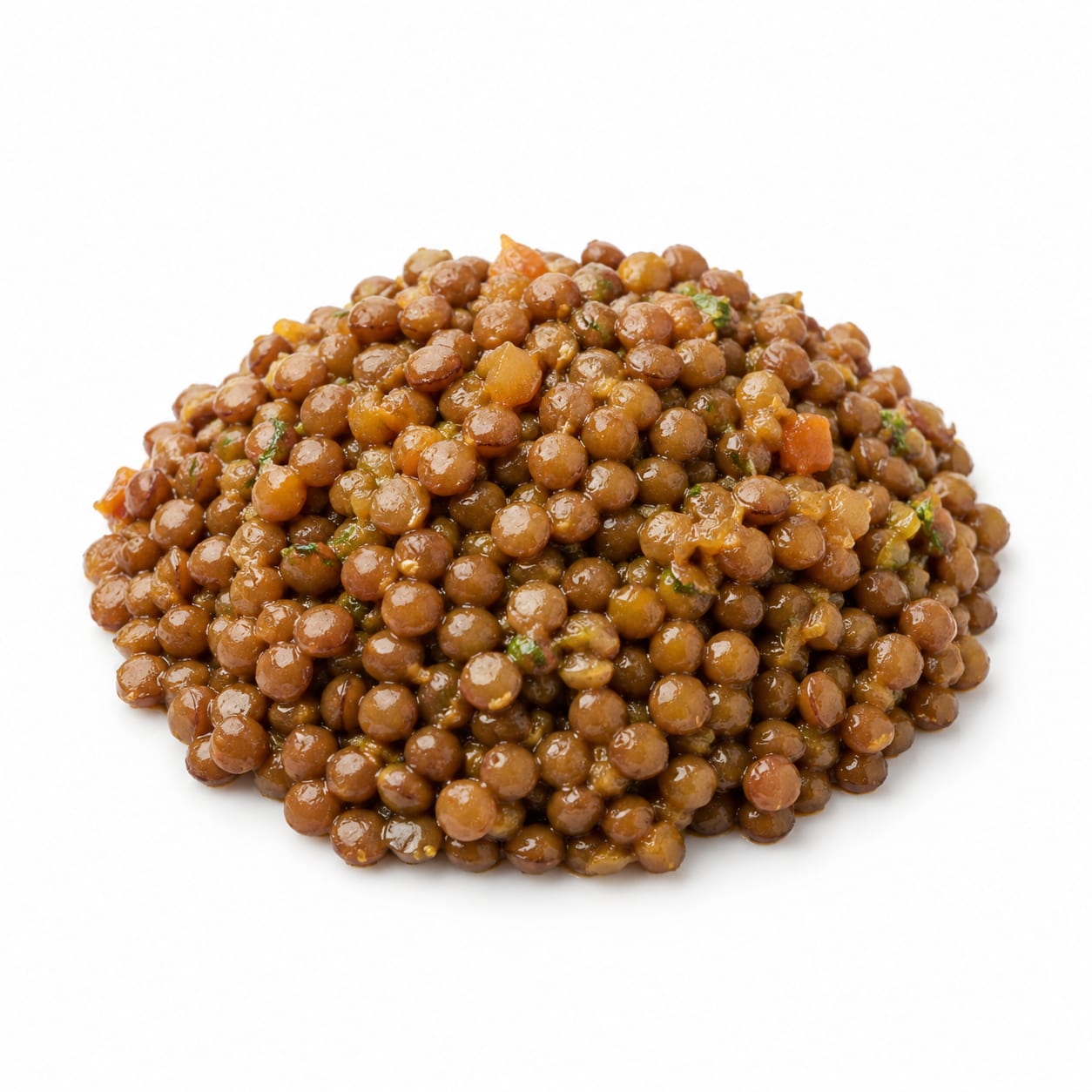
Lentil
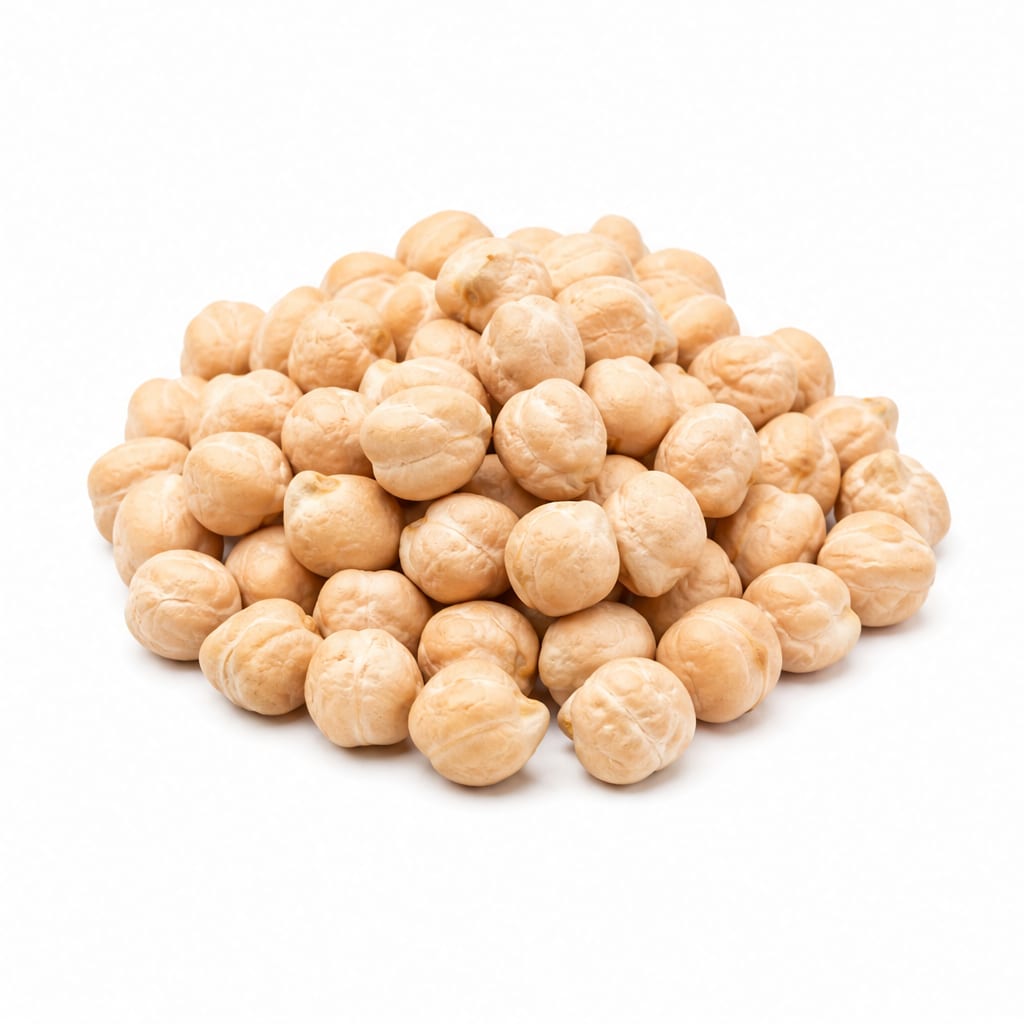
Chickpeas
Lentils edge out chickpeas for most everyday health goals thanks to higher protein density, faster cooking, and easier digestion, but chickpeas win on versatility and satisfying texture.
Lentils score higher due to superior protein-per-calorie ratio, faster cook time, and better digestive tolerance. Chickpeas remain strong on versatility and healthy fat content but carry a calorie and digestion penalty that narrows their everyday appeal.
Lentils give you more nutrition per bite and less prep time, while chickpeas offer more culinary flexibility and a creamier, more satisfying mouthfeel.
At a glance
Executive summary
Overall
Lentil
Healthier
Lentil
More practical
Lentil
Daily use
Lentil
Key comparison lenses
protein density per calorie
Both are plant protein staples but lentils deliver noticeably more protein per calorie, which matters for anyone tracking macros
digestive comfort and gas
Legumes are notorious for bloating and lentils tend to be gentler, making this a daily-life dealbreaker for many
cooking convenience
Lentils cook in 15-25 minutes while chickpeas need 60-90 minutes unsoaked, heavily influencing weeknight meal choices
meal versatility
Chickpeas shine in hummus, salads, and roasted snacks while lentils lean toward soups and stews
blood sugar management
Both are low-glycemic but subtle differences in fiber type and starch content affect glucose response
Best choice for
Lentil
- People counting calories or macros
- Anyone prone to bloating from beans
- Weeknight cooks short on time
- Those managing blood sugar closely
- Budget-conscious meal preppers
Chickpeas
- Snackers wanting roasted crunch
- Hummus and dip lovers
- Anyone needing higher calorie intake
- Mediterranean and Middle Eastern cooking
- Those who find lentils too bland or mushy
Least suitable for
Lentil
- People wanting a crunchy snack food
- Those who dislike soft or mushy textures
- Anyone needing calorie-dense fuel for heavy training
Chickpeas
- People with severe IBS or FODMAP sensitivity
- Anyone counting every calorie strictly
- Impatient cooks who forget to soak beans overnight
Deep comparison
Dimension by dimension
Each lens scores both foods and breaks down who each option suits.
- Dimension 1 · Priority 93Lentil
Protein Density
Lentil · 88Chickpeas · 72Lentils deliver roughly 18g protein per cup cooked versus chickpeas at 15g, and they do it with 30% fewer calories.
Tradeoff
Chickpeas provide slightly more fat which slows digestion and extends satiety, but the protein-per-calorie crown goes to lentils.
Why it matters
If you are eating plant-based and need to hit protein targets without overeating calories, lentils get you there faster.
Real-world impact
A lentil bowl hits your protein goal with room for more veggies, while a chickpea bowl may require portion control to stay within calorie limits.
Lentil
- Lean muscle maintenance on a calorie deficit
- Plant-based meal prep with macro tracking
Better for
- Recovery meals needing higher total calorie intake
Worse for
Chickpeas
- Extended energy release during long activities
- Meals where calorie density is actually welcome
Better for
- Cutting phases where every calorie counts
Worse for
- Dimension 2 · Priority 88Lentil
Digestive Tolerance
Lentil · 82Chickpeas · 65Lentils produce less gas and bloating than chickpeas for most people, especially red and yellow varieties which are easier to break down.
Tradeoff
Chickpeas have more resistant starch which feeds gut bacteria long-term, but the short-term discomfort is real and often deters people from eating legumes regularly.
Why it matters
The healthiest food only works if you actually eat it. Digestive discomfort is the number one reason people abandon beans.
Real-world impact
Lentils at lunch mean a comfortable afternoon. Chickpeas at lunch might mean bloating and button-loosening by 3pm if your gut is sensitive.
Lentil
- IBS-prone individuals
- Office workers who cannot afford afternoon bloating
- Legume beginners building tolerance
Better for
- Those who want maximum prebiotic fiber diversity
Worse for
Chickpeas
- People with robust digestion wanting prebiotic benefits
- Gradual gut microbiome strengthening protocols
Better for
- Date nights and social events where bloating is unacceptable
- Anyone just starting to eat more legumes
Worse for
- Dimension 3 · Priority 85Lentil
Cooking Convenience
Lentil · 90Chickpeas · 55Red and yellow lentils cook in 15 minutes with no soaking. Even green and brown lentils need only 20-25 minutes. Chickpeas require 60-90 minutes or overnight soaking plus 45 minutes.
Tradeoff
Canned chickpeas close the convenience gap significantly, but add sodium and cost more per serving than dried lentils cooked fresh.
Why it matters
When dinner needs to happen in 30 minutes, lentils cooperate and chickpeas do not. This shapes weekly meal patterns more than people realize.
Real-world impact
Lentils are a spontaneous weeknight dinner. Dried chickpeas require planning or a can opener, and canned versions cost 3-4 times more per serving.
Lentil
- Last-minute weeknight meals
- Meal preppers cooking from dried
- Budget cooks avoiding canned goods
Better for
- Recipes needing a firm, round bean that holds shape
Worse for
Chickpeas
- Batch cooking sessions where you cook a huge pot once
- Recipes specifically calling for chickpea texture
Better for
- Spontaneous cooking without canned backup
- Anyone trying to minimize sodium from canned goods
Worse for
- Dimension 4 · Priority 82Chickpeas
Versatility and Meal Integration
Lentil · 68Chickpeas · 86Chickpeas transform into hummus, get roasted into crunchy snacks, bulk up salads, and anchor curries. Lentils mostly shine in soups, stews, and dal.
Tradeoff
Lentils blend into dishes more seamlessly but rarely become the star. Chickpeas can carry a dish on texture alone.
Why it matters
Food variety prevents meal fatigue. Chickpeas give you more ways to eat legumes without feeling like you are repeating the same meal.
Real-world impact
You can eat chickpeas three different ways in a week — hummus dip, roasted snack, salad topper — and it feels like three different foods. Lentils three ways usually feels like three variations of soup.
Lentil
- Thickening soups and stews without flour
- Quick dal that feels comforting and complete
Better for
- Snack and appetizer occasions
- Raw or cold salad applications
Worse for
Chickpeas
- Appetizer and snack scenarios
- Salad toppings needing firm texture
- Dips and spreads for entertaining
Better for
- Meals needing a thick, hearty base that blends in
Worse for
- Dimension 5 · Priority 78Lentil
Blood Sugar Stability
Lentil · 83Chickpeas · 76Both are low-glycemic, but lentils have a slightly lower glycemic index and more fiber per calorie, resulting in steadier glucose curves.
Tradeoff
Chickpeas have more fat which slows sugar absorption, partially offsetting their slightly higher glycemic load. The practical difference is modest.
Why it matters
For prediabetics and anyone avoiding afternoon energy crashes, every point of glycemic advantage compounds over thousands of meals.
Real-world impact
A lentil lunch keeps energy smoother through the 3pm slump. A chickpea lunch is still far better than grains, but may produce a slightly quicker rise.
Lentil
- Prediabetics optimizing every meal
- Those sensitive to post-meal energy dips
Better for
- Endurance athletes wanting slower, longer energy release
Worse for
Chickpeas
- Active people who need moderate energy release during exercise
Better for
- Tight glycemic control requirements
Worse for
- Dimension 6 · Priority 75It depends
Micronutrient Profile
Lentil · 80Chickpeas · 79Lentils dominate folate and iron. Chickpeas lead in manganese, copper, and healthy fats. It is essentially a tie with different strengths.
Tradeoff
If you need iron and folate — common deficiencies in plant-based eaters — lentils are the better pick. If you want trace minerals and fat-soluble vitamin absorption support, chickpeas have the edge.
Why it matters
Micronutrient gaps accumulate silently. Choosing the legume that fills your specific gap matters more than generic rankings.
Real-world impact
Pregnant women or those with low iron should lean lentil. People focused on bone health and antioxidant enzyme function get more from chickpeas.
Lentil
- Women of reproductive age needing folate
- Plant-based eaters at risk for iron deficiency
- Pregnancy nutrition planning
Better for
- Those needing more dietary fat for hormone production
Worse for
Chickpeas
- Bone health and connective tissue support
- Diets low in healthy fats needing a boost
Better for
- Iron-deficient individuals
Worse for
Timeline
Health impact over time
Short-term
Hours to days
Lentil
- Steady energy with minimal blood sugar spike
- Moderate fullness without heaviness
- Lower gas and bloating compared to most beans
- Quick satiety from high protein-to-calorie ratio
Chickpeas
- Longer-lasting fullness from higher fat and calorie content
- More noticeable bloating if digestion is sensitive
- Satisfying creamy texture that reduces cravings for less healthy foods
- Slightly slower energy onset but extended duration
Long-term
Months to years
Lentil
- Better weight management due to lower calorie density
- Improved iron status reducing fatigue risk
- Consistent fiber intake supporting gut regularity
- Easier daily adherence because of cooking convenience
Chickpeas
- Stronger prebiotic fiber feeding diverse gut bacteria over time
- Healthy fat intake supporting hormone balance
- Greater dietary variety preventing meal fatigue and dropout
- Manganese and copper supporting long-term bone density
Risk profile
Safety & processing
Both lentils and chickpeas are whole foods in their dried form. Canned versions introduce sodium and potential BPA exposure from can linings, but the beans themselves remain minimally processed. Dried lentils and chickpeas are as clean as food gets.
Lentil
Lectin content in undercooked lentils
mediumRaw or undercooked lentils contain lectins that can cause nausea and vomiting. Always cook until fully tender — this is especially important for red lentils which cook so fast people sometimes undercook them.
Pesticide residue on conventional crops
lowLentils are relatively low on the pesticide concern scale, but conventional farming does use herbicides. Organic is preferable but not critical.
Chickpeas
Lectin content in undercooked chickpeas
highUndercooked chickpeas carry higher lectin risk than lentils because their larger size and denser texture make it easier to undercook the center. Slow cooking at low heat without boiling first can actually increase lectin levels.
Canned chickpea BPA exposure
mediumMost canned chickpeas are lined with BPA-containing resin. Choosing BPA-free cans or cooking from dried eliminates this concern entirely.
Sodium in canned varieties
mediumA single cup of canned chickpeas can contain 400-700mg sodium. Rinsing reduces this by about 30% but does not eliminate it. People watching blood pressure should prioritize dried.
Who wins for whom
Audience fit
Same foods, different winners depending on your goal.
children
ChickpeasChickpeas have a milder, slightly nutty flavor and firmer texture that kids accept more readily, especially as hummus or roasted snacks.
daily consumption
LentilFaster cooking, lower calorie density, and better digestive tolerance make lentils easier to eat every single day without fatigue or discomfort.
diabetes
LentilLower glycemic index and higher fiber-per-calorie ratio give lentils a measurable edge for glucose control.
elderly
LentilEasier digestion, higher folate for cognitive health, and softer texture when cooked make lentils more suitable for aging digestive systems.
muscle gain
LentilHigher protein density per serving supports muscle protein synthesis more efficiently, though both should be paired with grains for complete amino acids.
weight loss
LentilLentils provide more protein and fiber per calorie, making it easier to stay full while maintaining a deficit.
Your move
Decision guide
Choose Lentil
- You want maximum nutrition with minimum calories
- Digestive sensitivity has stopped you from eating beans before
- You cook dinner on weeknights and need food ready in under 30 minutes
- You are managing blood sugar or trying to lose weight
- You need more iron and folate in your diet
Choose Chickpeas
- You want a crunchy roasted snack or creamy hummus dip
- Meal variety matters more than marginal nutritional differences
- You are cooking for kids who reject mushy textures
- You need calorie-dense fuel for active days or athletic training
- You are batch cooking on weekends and do not mind long cook times
Either works if
- You are simply trying to eat more legumes and both sound good
- You are building a grain bowl and want plant protein
- You are making a curry and have both in the pantry
- You want to rotate between them for nutrient diversity
Avoid both if
- You are in the elimination phase of a strict low-FODMAP diet
- You have a diagnosed legume allergy
Final recommendation
Keep both in your pantry but make lentils your daily driver. They cook faster, digest easier, and deliver more protein per calorie. Save chickpeas for hummus nights, roasted snack cravings, and recipes where their texture truly shines. Rotating between the two gives you the broadest micronutrient coverage and prevents meal boredom.
Practical
Consumer tips
- 1
Buy dried lentils in bulk — they cost roughly half as much per serving as canned chickpeas and cook almost as fast as opening a can
- 2
If you use canned chickpeas, rinse thoroughly to remove about 30% of the sodium and always choose BPA-free cans when available
- 3
Red and yellow lentils cook in 15 minutes and are the gentlest on digestion — start here if beans usually bother you
- 4
Soak chickpeas overnight with a pinch of baking soda to reduce cooking time by 40% and cut gas-producing compounds
- 5
Pair either legume with a grain like rice or quinoa to get complete protein — this matters most for plant-based eaters
- 6
Freeze cooked lentils and chickpeas in portioned bags so you always have ready-to-use legumes without the wait
- 7
Add a piece of kombu seaweed when cooking chickpeas — it helps break down gas-causing oligosaccharides and adds trace minerals