
Nutrition comparison
Lentils vs Brown Rice: Which Is Healthier for Daily Eating?
Lentils pack 3-4x more protein and fiber than brown rice with better blood sugar control and no arsenic risk. See which staple fits your goals best.
Overall winner · Lentil
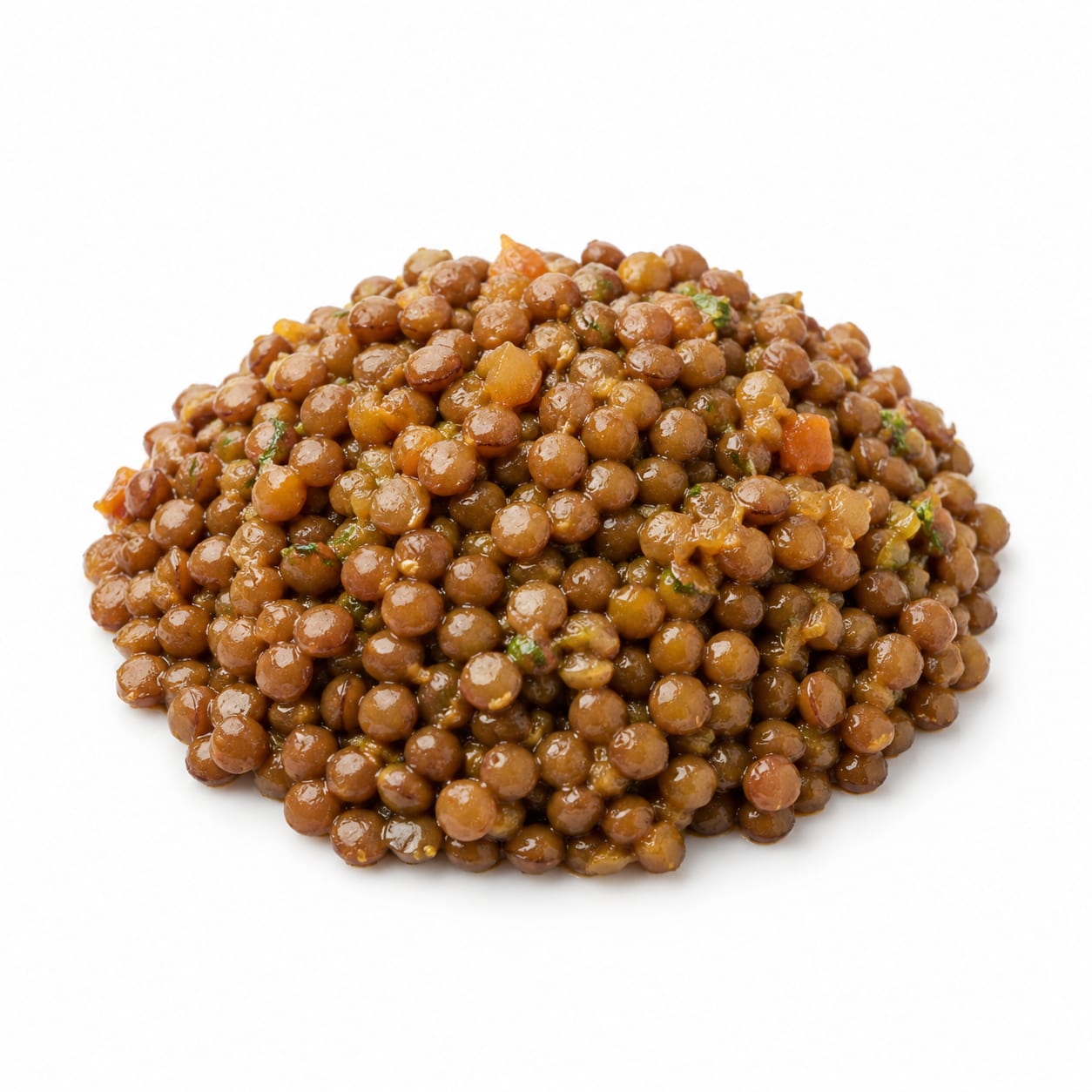
Lentil
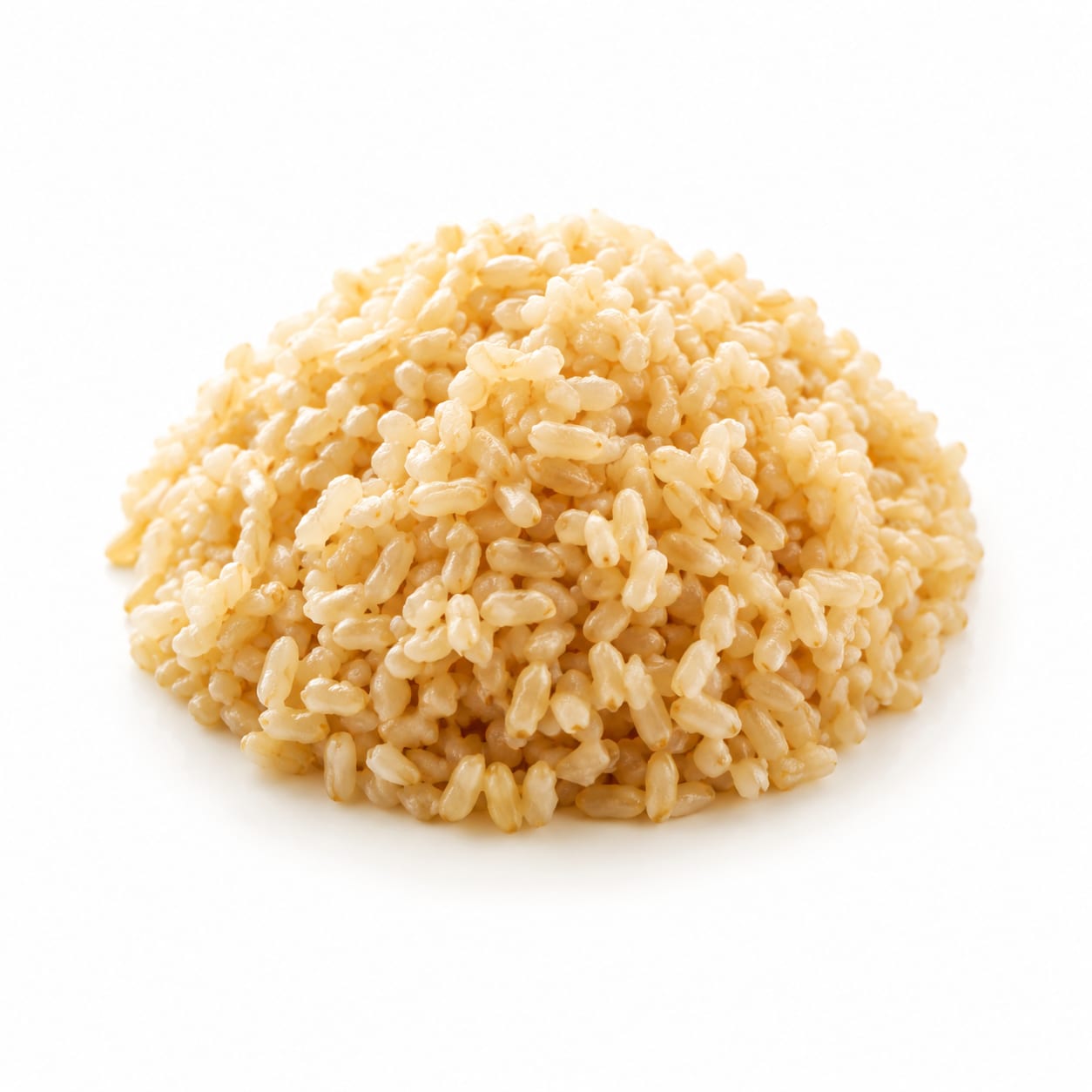
Brown rice
Lentils deliver far more protein, fiber, and minerals per calorie than brown rice, making them the nutritionally superior staple for most people.
Lentils score significantly higher due to superior protein, fiber, mineral density, and blood sugar stability. Brown rice remains a reasonable staple but offers less nutritional value per calorie and carries arsenic concerns.
You gain protein and satiety with lentils but lose the mild, neutral versatility and easier digestion that brown rice provides.
At a glance
Executive summary
Overall
Lentil
Healthier
Lentil
More practical
Brown rice
Daily use
Lentil
Key comparison lenses
plant-based protein source selection
Lentils dramatically outperform brown rice in protein, making this the central decision factor for most users
blood sugar management
Both are carb-rich staples but have very different glycemic impacts, critical for diabetes and energy stability
weight loss satiety
Fiber and protein differences make one far more filling per calorie, a key concern for portion control
staple carb replacement
Users often choose between these as their daily carb base, so long-term sustainability matters
contamination safety
Arsenic in brown rice is a legitimate concern that many consumers are unaware of
Best choice for
Lentil
- People seeking plant-based protein
- Anyone managing blood sugar or diabetes
- Weight loss focused eaters who need to stay full longer
- Those wanting more iron and folate from food
Brown rice
- People with sensitive digestion who struggle with legumes
- Athletes needing a gentle carb source before training
- Anyone wanting a neutral base that pairs with anything
- Families wanting a familiar, kid-friendly staple
Least suitable for
Lentil
- People with severe legume intolerance or IBS triggers
- Anyone needing a low-fiber diet temporarily
- Those who dislike the texture or earthy flavor
Brown rice
- People concerned about arsenic exposure
- Those needing high protein from their carb source
- Anyone watching blood sugar closely
Deep comparison
Dimension by dimension
Each lens scores both foods and breaks down who each option suits.
- Dimension 1 · Priority 95Lentil
Protein Content and Quality
Lentil · 90Brown rice · 30Lentils provide roughly 3-4 times more protein per serving than brown rice, making them one of the best plant-based protein sources available.
Tradeoff
Brown rice protein is less abundant and less complete, but it digests more easily for sensitive stomachs.
Why it matters
If your carb staple is also your protein source, lentils save you from needing a separate protein at every meal.
Real-world impact
A cup of cooked lentils gives you about 18g of protein versus only 5g from brown rice — that is the difference between a satisfying meal and one that leaves you hungry in an hour.
Lentil
- Vegetarians and vegans building muscle
- Anyone trying to hit protein goals without supplements
- Older adults preserving lean mass
Better for
- Those who find high-protein meals too heavy before exercise
Worse for
Brown rice
- Post-workout meals needing quick-digesting carbs with light protein
- People combining rice with a separate dense protein source
Better for
- Anyone relying on a single staple for both carbs and protein
Worse for
- Dimension 2 · Priority 90Lentil
Fiber and Satiety
Lentil · 92Brown rice · 45Lentils are dramatically more filling per calorie thanks to roughly four times the fiber of brown rice.
Tradeoff
That same fiber can cause bloating or gas if your gut is not used to it, while brown rice is gentler on digestion.
Why it matters
Higher satiety means you naturally eat less without trying, which is the foundation of sustainable weight management.
Real-world impact
A lentil bowl at lunch often keeps you full until dinner. A brown rice bowl may have you reaching for a snack by 3pm.
Lentil
- Weight loss efforts relying on portion control
- Anyone prone to afternoon energy crashes and cravings
- Meal preppers wanting fewer daily meals to feel satisfied
Better for
- People with IBS or FODMAP sensitivities during flare-ups
Worse for
Brown rice
- Those recovering from digestive illness needing low-fiber foods temporarily
- Endurance athletes needing calorie density without fullness during training
Better for
- Chronic snackers who never feel full after meals
Worse for
- Dimension 3 · Priority 88Lentil
Blood Sugar Stability
Lentil · 85Brown rice · 50Lentils have a much lower glycemic index and glycemic load, producing steadier blood sugar with less spiking.
Tradeoff
Brown rice is not terrible for blood sugar, but it requires more careful portion control to avoid spikes.
Why it matters
Steadier blood sugar means fewer energy crashes, less cravings, and better long-term metabolic health.
Real-world impact
After a lentil meal, you feel calm and focused. After a large brown rice portion, you might feel a brief energy surge followed by a dip.
Lentil
- People with prediabetes or type 2 diabetes
- Anyone trying to reduce sugar cravings
- Those wanting steady energy through long workdays
Better for
- Those needing quick energy right after intense exercise
Worse for
Brown rice
- Athletes immediately post-workout who want faster glycogen replenishment
Better for
- Anyone monitoring HbA1c or fasting glucose
Worse for
- Dimension 4 · Priority 82Lentil
Mineral and Vitamin Density
Lentil · 85Brown rice · 50Lentils are richer in iron, folate, magnesium, potassium, and zinc, while brown rice offers more manganese and selenium.
Tradeoff
Lentils contain phytic acid that can reduce mineral absorption, but soaking and cooking largely resolves this.
Why it matters
If your staple food is also your mineral source, lentils contribute meaningfully to daily targets; brown rice contributes minimally.
Real-world impact
A serving of lentils covers about 37% of your daily iron needs. Brown rice covers roughly 5%.
Lentil
- Women of reproductive age needing iron and folate
- Plant-based eaters at risk for mineral deficiencies
- Pregnant women seeking natural folate sources
Better for
- People who do not soak or cook lentils properly, reducing mineral absorption
Worse for
Brown rice
- Those specifically needing selenium support for thyroid health
Better for
- Anyone relying on grains as a primary mineral source
Worse for
- Dimension 5 · Priority 78Brown rice
Digestive Tolerance
Lentil · 50Brown rice · 80Brown rice is gentler on the digestive system for most people, while lentils commonly cause gas and bloating.
Tradeoff
Lentil fiber feeds beneficial gut bacteria long-term, but the adjustment period can be uncomfortable.
Why it matters
The healthiest food only works if you can actually eat it without discomfort.
Real-world impact
If lentils leave you bloated and avoiding social situations after lunch, brown rice may be the more sustainable daily choice for you.
Lentil
- People with healthy, adapted gut microbiomes who tolerate fiber well
- Anyone wanting to improve gut bacteria diversity over time
Better for
- New plant-based eaters whose guts have not adapted to legumes yet
Worse for
Brown rice
- Those with IBS or sensitive digestion
- People transitioning to whole foods who need a gentler starting point
- Anyone eating before a date, meeting, or event where bloating is unwelcome
Better for
- People whose digestion is fine and want maximum nutritional benefit
Worse for
- Dimension 6 · Priority 75Lentil
Contamination and Safety
Lentil · 82Brown rice · 48Brown rice is a known accumulator of inorganic arsenic, a concern for daily consumers. Lentils carry minimal heavy metal risk.
Tradeoff
Arsenic risk in brown rice is dose-dependent and manageable with sourcing and rinsing, but it is a real long-term consideration.
Why it matters
If you eat rice daily, arsenic exposure accumulates. This is especially relevant for children and pregnant women.
Real-world impact
Regular brown rice consumers may want to rotate with other grains or choose lentils as their primary staple to reduce cumulative arsenic exposure.
Lentil
- Daily staple eaters concerned about long-term heavy metal exposure
- Parents feeding young children
- Pregnant women being cautious about contaminants
Better for
- Those who do not sort and rinse lentils, risking debris or minor contamination
Worse for
Brown rice
- Occasional eaters for whom arsenic accumulation is negligible
Better for
- Anyone eating brown rice multiple times daily for years
Worse for
- Dimension 7 · Priority 70Brown rice
Versatility and Convenience
Lentil · 60Brown rice · 82Brown rice is a neutral canvas that pairs with virtually any cuisine, while lentils have a distinct earthy flavor and texture.
Tradeoff
Lentils work beautifully in soups, stews, and bowls but are harder to sneak into dishes where you want a blank carb base.
Why it matters
The best staple is one you actually enjoy eating regularly without getting bored or frustrated.
Real-world impact
Brown rice disappears into a stir-fry or curry. Lentils announce themselves, which is great if you love them and limiting if you do not.
Lentil
- Fans of Mediterranean, Indian, and Middle Eastern flavors
- Soup and stew lovers who want a hearty base
- Meal preppers making big-batch lentil bowls
Better for
- People who want their carb to be invisible in a dish
Worse for
Brown rice
- Those who want a neutral base for varied cuisines throughout the week
- Families with picky eaters
- Anyone building grain bowls, sushi, or stir-fries
Better for
- Those bored by plain grains who want more flavor from their base
Worse for
Timeline
Health impact over time
Short-term
Hours to days
Lentil
- High satiety reduces between-meal snacking
- Possible gas and bloating if gut is unaccustomed to high fiber
- Steady energy without the carb crash
- May feel heavy if eaten in large portions before activity
Brown rice
- Mild, easily digestible energy source
- Less immediate fullness may lead to larger portions
- Possible mild blood sugar spike followed by a dip with larger servings
- Comforting and easy on the stomach
Long-term
Months to years
Lentil
- Improved gut microbiome diversity from consistent fiber intake
- Better blood sugar regulation and reduced diabetes risk
- Lower risk of iron-deficiency anemia
- Potential arsenic avoidance compared to a rice-heavy diet
Brown rice
- Accumulating arsenic exposure if consumed daily without rotation
- Lower contribution to protein and mineral targets over time
- May require larger portions to feel satisfied, increasing caloric intake
- Moderate fiber contribution supports digestion but less impressively than lentils
Risk profile
Safety & processing
Both lentils and brown rice are whole, minimally processed foods with negligible additive concerns. The main difference is that lentils may require soaking for optimal digestion, while brown rice needs thorough rinsing to reduce arsenic.
Lentil
Phytic acid reducing mineral absorption
lowSoaking lentils for several hours or sprouting them significantly reduces phytic acid and improves iron and zinc absorption.
Lectin content causing digestive discomfort
lowProper cooking fully deactivates lectins. Undercooked lentils can cause nausea or GI upset, but this is easily avoided.
Minor debris or stone contamination
lowDried lentils should be spread and checked for small stones or debris before cooking, a standard practice for all dried legumes.
Brown rice
Inorganic arsenic accumulation
mediumBrown rice accumulates more arsenic than most grains because it is grown in flooded fields. Daily consumption over years raises exposure. Rinsing thoroughly, cooking with excess water, and rotating with other grains reduces risk.
Potential cadmium exposure
lowRice can also accumulate cadmium from soil, though typically at lower levels than arsenic. Sourcing from regions with tested soil helps.
Who wins for whom
Audience fit
Same foods, different winners depending on your goal.
children
It dependsLentils provide crucial iron and folate for growing kids, but brown rice is easier for picky eaters and gentler on small stomachs. Rotate both.
daily consumption
LentilNutritional density, satiety, and lower contamination risk make lentils the better daily staple for most healthy adults.
diabetes
LentilLower glycemic index and higher fiber make lentils significantly gentler on blood sugar, reducing insulin demand.
elderly
It dependsLentils help preserve muscle and prevent anemia, but some elderly people find them hard to digest. Brown rice offers easier eating when digestion is fragile.
muscle gain
LentilThe protein content of lentils supports muscle repair directly, while brown rice would need to be paired with a separate protein source.
weight loss
LentilLentils keep you full far longer per calorie due to their protein and fiber, naturally reducing overall intake without willpower struggle.
Your move
Decision guide
Choose Lentil
- You want one food that covers protein, fiber, and minerals simultaneously
- Blood sugar management is a priority for you
- You are trying to lose weight without feeling hungry
- You eat a plant-based diet and need reliable iron and folate
- You are concerned about arsenic from daily rice consumption
Choose Brown rice
- You have a sensitive stomach and legumes cause you discomfort
- You need a neutral carb base for varied cuisines throughout the week
- You are an athlete wanting gentle carbs before or after training
- You are feeding picky eaters who resist legume textures
- You already get plenty of protein from other sources
Either works if
- You want variety in your weekly meal rotation
- You are generally healthy and just need a solid whole-food carb
- You enjoy both and can alternate based on the dish
Avoid both if
- You need a very low-carb or ketogenic approach
- You have a severe allergy or intolerance to either food
- You are on a temporary low-fiber diet for a medical procedure
Final recommendation
Make lentils your primary daily staple for the protein, fiber, and mineral advantage. Keep brown rice as a rotating option a few times per week for variety, easier digestion days, and dishes where a neutral carb base matters. This combination gives you the best of both while minimizing arsenic exposure and dietary monotony.
Practical
Consumer tips
- 1
Rinse brown rice thoroughly and cook with 6:1 water ratio, draining excess, to reduce arsenic by up to 50%
- 2
Soak lentils for 4-8 hours before cooking to improve digestibility and mineral absorption
- 3
Start with small lentil portions if you are new to legumes and increase gradually over two weeks to let your gut adapt
- 4
Pair lentils with vitamin C sources like tomatoes or bell peppers to boost iron absorption by 2-3x
- 5
Mix the two together in bowls for a complete amino acid profile and balanced texture
- 6
Buy brown rice from California or India rather than the US South or Southeast Asia for lower arsenic levels
- 7
Sprouted lentils cook faster and are even easier to digest if bloating is a concern
- 8
Batch-cook both and freeze portions for quick meals throughout the week