
Nutrition comparison
Lentils vs Black Beans: Nutrition, Digestion, and Which to Choose
Complete comparison of lentils vs black beans on protein, fiber, digestion, cooking time, and health benefits. Find out which legume fits your diet and lifestyle better.
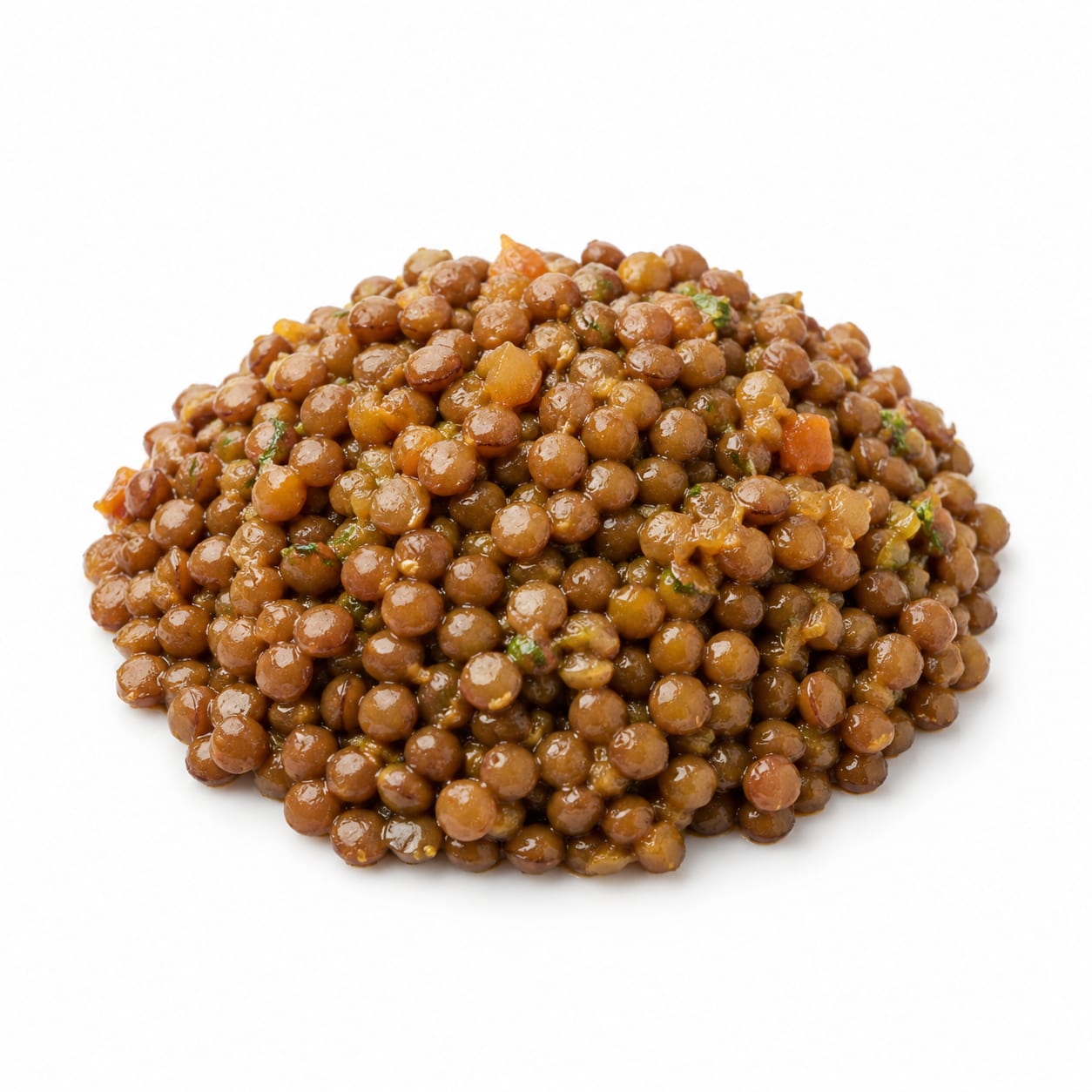
Lentil
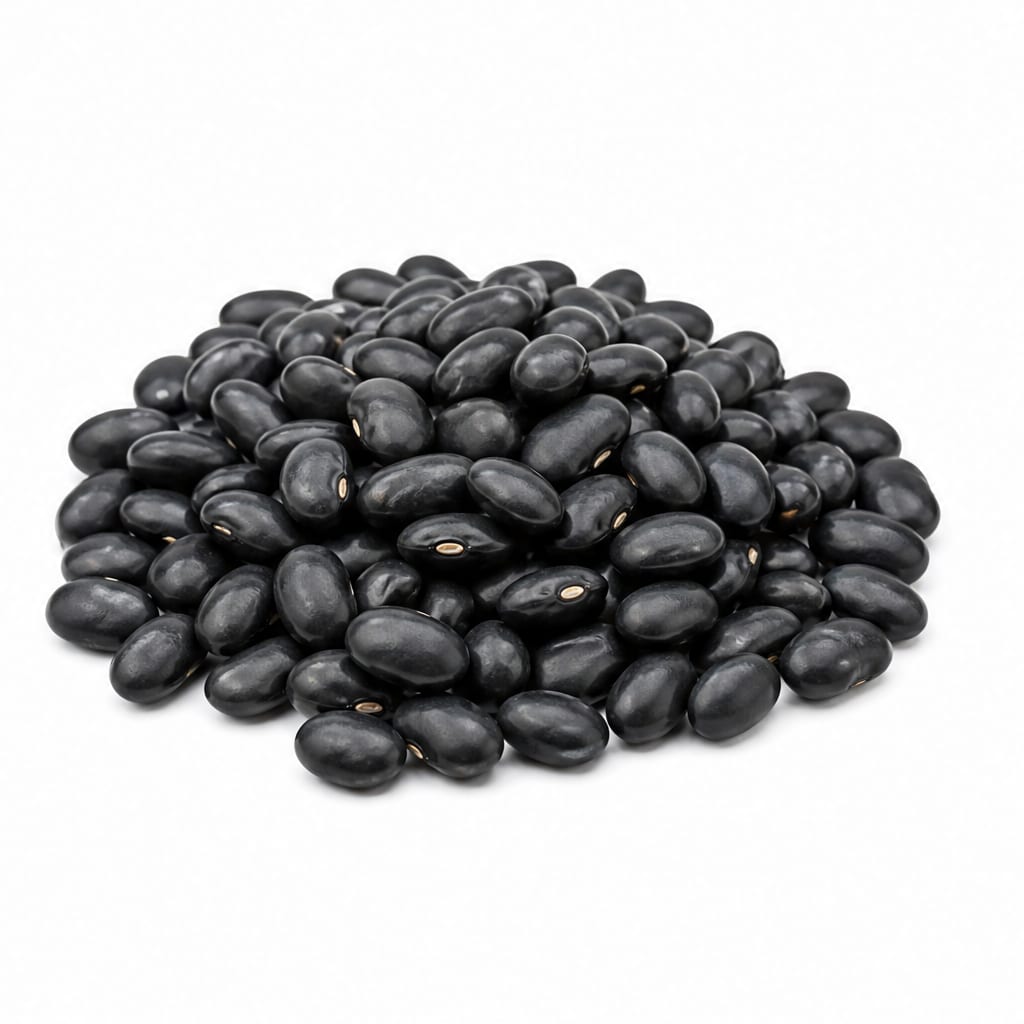
Black beans
Lentils cook faster and digest easier; black beans bring more antioxidants and heart-protective compounds. Both are nutritional powerhouses.
Lentils edge ahead on practicality and digestibility, but black beans are nutritionally comparable with unique antioxidant advantages. The gap is small because both are elite legume choices.
Speed and digestibility versus deeper antioxidant benefits and culinary tradition
At a glance
Executive summary
Overall
It depends
Healthier
It depends
More practical
Lentil
Daily use
Lentil
Key comparison lenses
plant-based protein source selection
Both are top-tier legume protein sources, and users are usually deciding which to stock in their kitchen
digestive comfort and gas concerns
Legumes are notorious for causing bloating, and tolerance differs significantly between these two
meal prep and cooking convenience
Cooking time difference is dramatic and affects real-world usage patterns
blood sugar management
Both are low-glycemic but have meaningful differences in how they affect blood sugar
weight loss and satiety
Calorie density and fullness factors differ enough to influence weight management choices
Best choice for
Lentil
- Weeknight dinners when time matters
- People with sensitive digestion or IBS
- Blood sugar management and diabetes prevention
- Weight loss due to lower calorie density
- Quick soups and stews
Black beans
- Latin American and Caribbean cooking
- Maximum antioxidant intake
- Heart health focused diets
- Meal prepping in large batches
- Burritos, tacos, and rice bowls
Least suitable for
Lentil
- Traditional Latin American recipes calling for black beans
- People wanting maximum anthocyanin intake
- Those who prefer creamier texture in dishes
Black beans
- Last-minute meal preparation
- People with severe digestive sensitivity to legumes
- Low-calorie diet phases where every calorie counts
Deep comparison
Dimension by dimension
Each lens scores both foods and breaks down who each option suits.
- Dimension 1 · Priority 92Lentil
Protein Quality and Density
Lentil · 85Black beans · 78Lentils deliver more protein per calorie, making them slightly more efficient for muscle maintenance and satiety.
Tradeoff
Black beans provide marginally more protein per cup cooked, but at a higher calorie cost
Why it matters
When eating plant-based, protein density per calorie becomes critical for meeting targets without overeating
Real-world impact
A cup of lentils gives you similar protein to black beans but saves you roughly 30-40 calories that add up over the week
Lentil
- Lean bulking phases
- Calorie-conscious protein intake
- Post-workout meals where you want protein without heaviness
Better for
- Very high protein targets where sheer volume matters more than efficiency
Worse for
Black beans
- Higher calorie needs
- Combining with rice for complete protein in traditional meals
Better for
- Cutting phases where calorie budget is tight
Worse for
- Dimension 2 · Priority 88Lentil
Digestive Tolerance
Lentil · 80Black beans · 65Lentils are generally easier on the stomach and produce less gas than black beans for most people.
Tradeoff
Black beans have higher oligosaccharide content, which feeds gut bacteria but causes more bloating during adjustment
Why it matters
Digestive discomfort is the number one reason people abandon legumes, even though tolerance builds over time
Real-world impact
If you have a sensitive stomach or are new to eating legumes regularly, lentils will be gentler on your first few weeks
Lentil
- IBS-prone individuals
- Legume beginners building tolerance
- Date nights or social events where bloating matters
- Office lunch scenarios
Better for
- People wanting maximum prebiotic fiber for gut microbiome diversity
Worse for
Black beans
- Those with well-adapted gut microbiomes who tolerate beans easily
Better for
- Anyone transitioning to a high-fiber diet from low-fiber eating
- Social situations where gas is embarrassing
Worse for
- Dimension 3 · Priority 85Lentil
Cooking Convenience
Lentil · 90Black beans · 55Lentils cook in 15-25 minutes with no soaking. Black beans need 8-12 hours soaking plus 60-90 minutes cooking.
Tradeoff
Canned black beans close the convenience gap, but add sodium and cost more per serving
Why it matters
The soaking requirement is the biggest practical barrier to cooking dried beans at home
Real-world impact
You can decide to make lentil soup at 5:30 PM and eat by 6 PM. Black beans require planning a day ahead or using canned.
Lentil
- Busy weeknight cooking
- Spontaneous meal decisions
- Budget-conscious cooks avoiding canned options
- Minimal kitchen planning
Better for
- Recipes specifically requiring the creamy texture of black beans
Worse for
Black beans
- Weekend meal prep sessions
- Slow cooker recipes
- Batch cooking for the week
Better for
- Last-minute dinner needs
- People who forget to soak beans overnight
- Small households cooking single portions
Worse for
- Dimension 4 · Priority 82Black beans
Antioxidant and Phytonutrient Profile
Lentil · 68Black beans · 90Black beans are rich in anthocyanins, the same antioxidants found in blueberries, giving them superior cell-protective benefits.
Tradeoff
Lentils have more folate and manganese, but lack the deep pigment compounds that make black beans special
Why it matters
Anthocyanins are linked to reduced heart disease, cognitive decline, and cancer risk in long-term studies
Real-world impact
Eating black beans regularly is like getting a serving of berries embedded in your savory meal, adding a layer of protection you do not get from lighter-colored legumes
Lentil
- Pregnancy nutrition where folate is critical
- Anemia prevention with higher iron bioavailability
Better for
- Those specifically seeking anthocyanin intake from food
Worse for
Black beans
- Heart disease prevention
- Anti-aging and cognitive health
- Family history of cancer
- Maximum longevity diet approaches
Better for
- Pre-pregnancy and early pregnancy where folate is the priority
Worse for
- Dimension 5 · Priority 80Lentil
Blood Sugar Stability
Lentil · 88Black beans · 82Both are excellent for blood sugar, but lentils have a slightly lower glycemic index and higher fiber-to-carb ratio.
Tradeoff
The difference is modest and both outperform nearly all other carb sources by a wide margin
Why it matters
For diabetics and prediabetics, even small GI differences compound over thousands of meals across years
Real-world impact
Lentils may give you slightly steadier energy with less post-meal crash, though both are far superior to rice, bread, or potatoes
Lentil
- Type 2 diabetes management
- Prediabetes reversal
- PCOS-related insulin resistance
- Afternoon energy stability
Better for
- No real downside here for blood sugar
Worse for
Black beans
- Still excellent for blood sugar, just slightly less optimal than lentils
Better for
- Those tracking glycemic index precisely for medical reasons
Worse for
- Dimension 6 · Priority 75Black beans
Mineral Density
Lentil · 72Black beans · 80Black beans edge ahead on magnesium, phosphorus, and iron per serving, supporting bone health and energy production.
Tradeoff
Lentils counter with significantly more folate and slightly more potassium, making mineral superiority context-dependent
Why it matters
Mineral deficiencies are widespread and legumes are a primary source for plant-based eaters
Real-world impact
If you do not eat dairy or red meat, black beans help close the magnesium and iron gap more effectively per serving
Lentil
- Pregnant women needing folate
- Blood pressure management needing potassium
Better for
- Those relying heavily on legumes for iron and magnesium
Worse for
Black beans
- Bone health and osteoporosis prevention
- Athletes needing magnesium for recovery
- Iron-deficient individuals
Better for
- Prenatal nutrition where folate is the top mineral priority
Worse for
- Dimension 7 · Priority 78Lentil
Satiety and Weight Management
Lentil · 84Black beans · 76Lentils are more filling per calorie due to higher protein density and faster digestion feedback, helping with portion control.
Tradeoff
Black beans are still highly satiating, but the higher calorie density means larger portions add up faster
Why it matters
Feeling full on fewer calories is the single most important factor for sustainable weight loss
Real-world impact
A lentil-based lunch will likely keep you full until dinner with fewer calories than the same volume of black beans
Lentil
- Active weight loss phases
- Calorie counting approaches
- Preventing afternoon snacking
Better for
- Underweight individuals needing calorie density
Worse for
Black beans
- Weight maintenance with higher calorie needs
- Athletes needing sustained energy
Better for
- Strict calorie deficit diets
Worse for
Timeline
Health impact over time
Short-term
Hours to days
Lentil
- Steady energy without blood sugar spikes
- Mild digestive adjustment possible in first week, less gas than black beans
- Quick satiety from high protein-to-calorie ratio
Black beans
- More noticeable bloating and gas during the first 1-2 weeks of regular consumption
- Sustained fullness from dense fiber and protein
- Dark stool is normal and harmless, caused by anthocyanins
Long-term
Months to years
Lentil
- Improved blood sugar regulation and reduced diabetes risk
- Better heart health from folate and fiber
- Easier long-term adherence due to cooking convenience and digestive comfort
Black beans
- Stronger cellular protection from anthocyanin antioxidants
- Reduced cardiovascular disease risk from multiple pathways
- Improved gut microbiome diversity from prebiotic oligosaccharides, once adapted
Risk profile
Safety & processing
Both are whole foods in their dried form. Canned versions introduce sodium and potential BPA exposure from can linings, but dried lentils and black beans are equally clean and natural.
Lentil
Lectin content
lowProperly cooked lentils have negligible lectin levels. Undercooked lentils could cause digestive upset, but this is rare with normal cooking times.
Phytic acid reducing mineral absorption
lowPhytic acid is present but reduced by cooking. Soaking further lowers it. For most people eating a varied diet, this is not a practical concern.
Black beans
Lectin content
mediumRaw or undercooked black beans contain phytohaemagglutinin, which can cause nausea and vomiting. Always soak and cook thoroughly. Slow cookers may not reach safe temperatures.
Canned bean BPA exposure
mediumMost canned black beans have BPA in can linings. Choose BPA-free cans or cook from dried to avoid this entirely.
Phytic acid reducing mineral absorption
lowSimilar to lentils, cooking and soaking reduce phytic acid. Not a concern for those eating a balanced diet.
Who wins for whom
Audience fit
Same foods, different winners depending on your goal.
children
LentilEasier digestion and faster cooking make lentils more practical for kids' meals. The milder flavor and softer texture when cooked are also more kid-friendly.
daily consumption
LentilCooking convenience and digestive comfort make lentils easier to eat every day without fatigue or discomfort, which is the key to building lasting habits.
diabetes
LentilSlightly lower glycemic index and higher fiber-to-carb ratio give lentils a measurable edge for blood sugar control, though both are excellent choices.
elderly
LentilGentler digestion and higher folate support aging bodies. The reduced gas risk matters more as digestive systems slow with age.
muscle gain
LentilMore protein per calorie helps hit daily protein targets without exceeding calorie needs, though both should be paired with grains for complete amino acids.
weight loss
LentilLower calorie density and higher protein per calorie make lentils more filling for fewer calories, which is the key to sustainable weight loss.
Your move
Decision guide
Choose Lentil
- You want a quick-cooking legume for weeknight meals
- Digestive sensitivity has kept you from eating beans regularly
- You are managing blood sugar or trying to lose weight
- You frequently cook Indian, Middle Eastern, or European dishes
- You want the most convenient whole-food protein source
Choose Black beans
- You are focused on maximum antioxidant intake and longevity
- You cook Latin American, Caribbean, or Brazilian food regularly
- You meal prep on weekends and can soak beans ahead of time
- Heart disease prevention is a top health priority
- You want a creamier texture for dips and spreads
Either works if
- You are simply trying to eat more legumes for health
- You rotate between different legumes weekly for nutrient diversity
- You are plant-based and need varied protein sources
- Budget is a primary concern, as both are extremely affordable
Avoid both if
- You have a diagnosed legume allergy, which is rare but serious
- You are in the acute phase of a low-FODMAP elimination diet
- You have severe histamine intolerance and react to fermented or aged legume dishes
Final recommendation
Keep both in your pantry. Use lentils for quick everyday meals and black beans for weekend cooking and antioxidant-rich dishes. Variety between legumes gives you broader nutrient coverage than picking just one. If you must choose only one, lentils win on practicality and daily usability.
Practical
Consumer tips
- 1
Rinse both lentils and black beans before cooking to reduce gas-causing compounds and remove debris
- 2
If using canned black beans, choose low-sodium or no-salt-added versions and rinse thoroughly to remove about 40% of the sodium
- 3
Start with small portions of either legume and gradually increase over 2-3 weeks to let your gut bacteria adapt, which dramatically reduces gas
- 4
Red and yellow lentils cook fastest at 15-20 minutes, while green and brown lentils take 20-30 minutes and hold their shape better for salads
- 5
Never cook dried black beans in a slow cooker without boiling them for 10 minutes first, as the temperature may not be high enough to destroy lectins
- 6
Add a piece of kombu seaweed when cooking either legume to help break down gas-causing oligosaccharides
- 7
Freeze cooked lentils and black beans in portion-sized bags for instant convenience that rivals canned without the sodium or BPA