
Nutrition comparison
Lentil vs Tofu: Which Plant Protein is Better for You?
Compare lentils vs tofu on protein, fiber, weight loss, and meal prep. Find out which plant-based protein fits your health goals and lifestyle best.
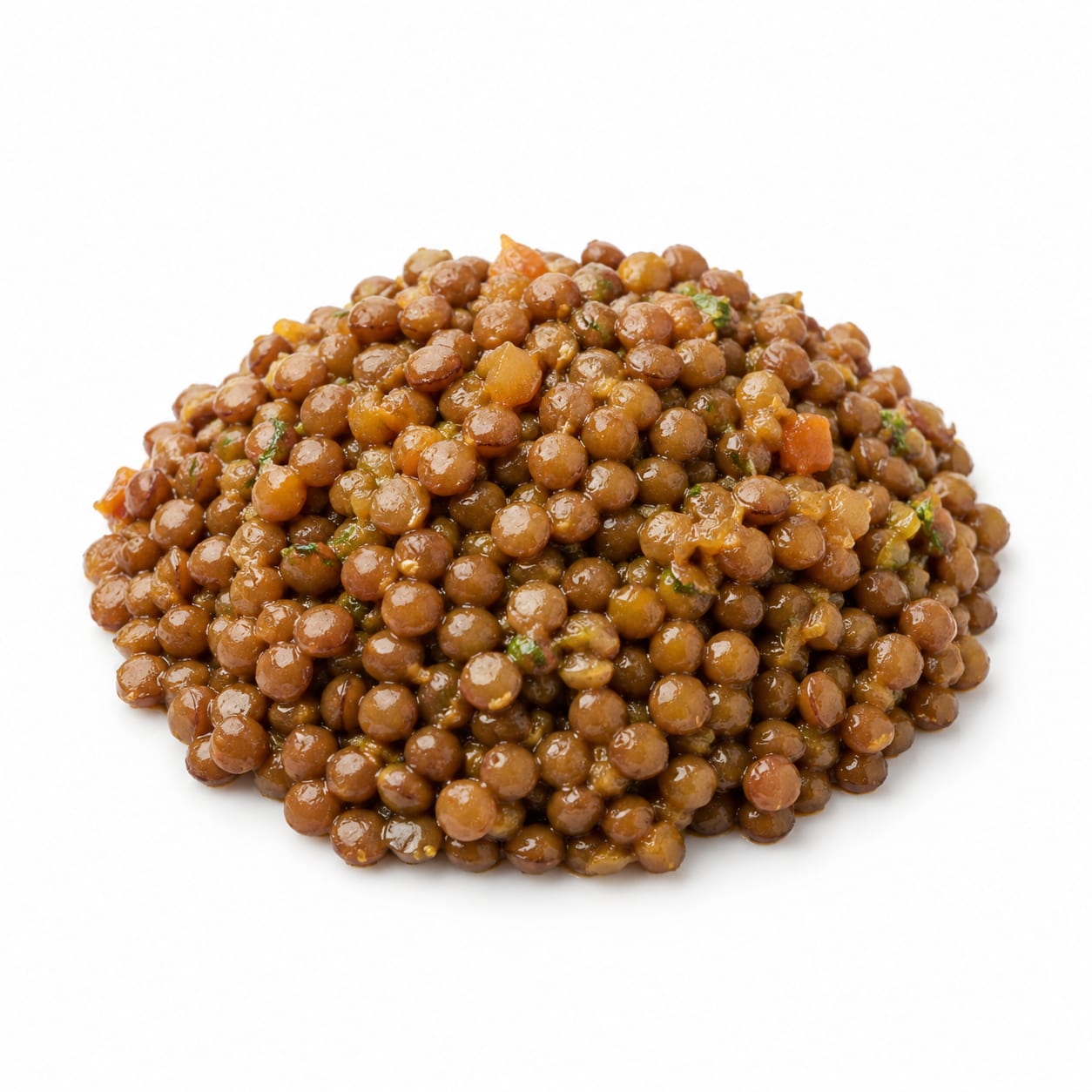
Lentil
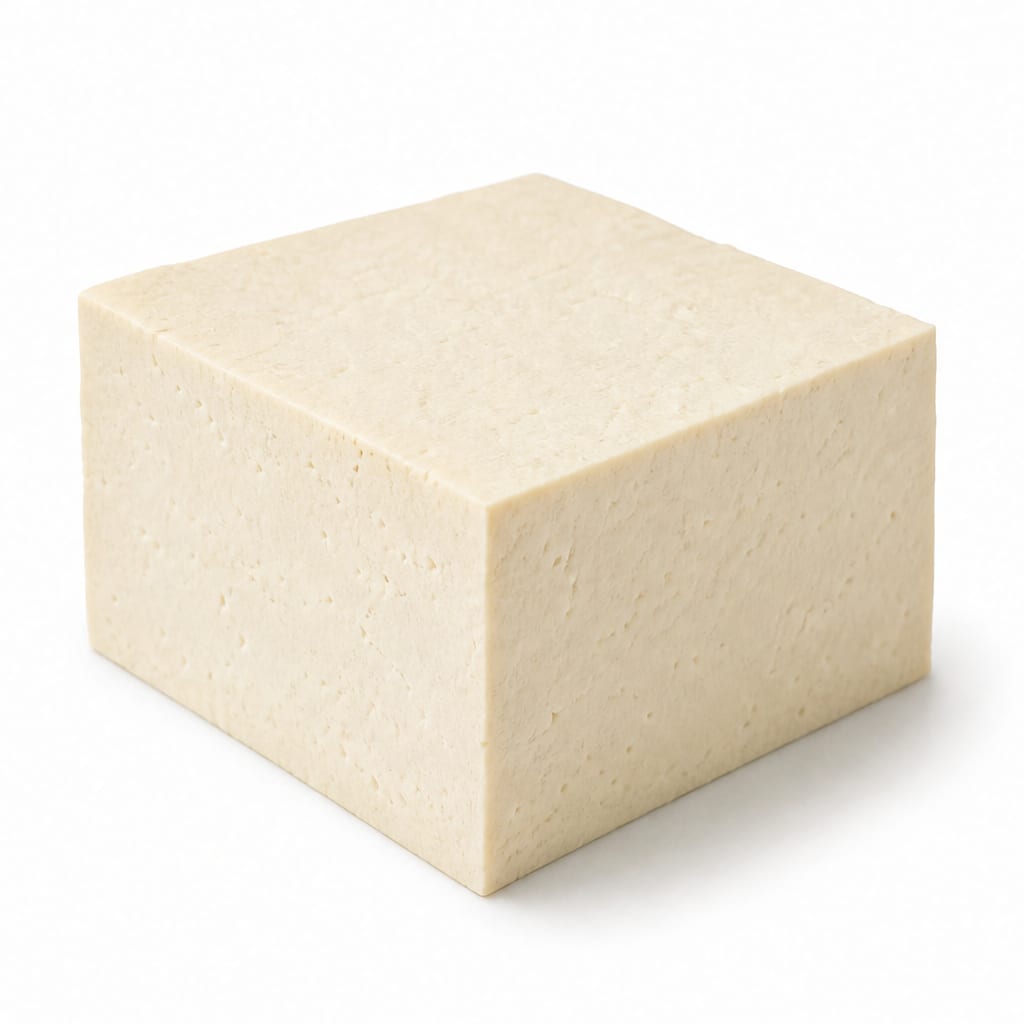
Tofu
Lentils win for fiber and steady energy, while tofu takes the lead for pure protein and low-carb convenience.
Tofu scores slightly higher due to its complete protein profile and unmatched convenience, but lentils remain a nutritional powerhouse with superior fiber. The close scores reflect their complementary strengths.
Fiber and slow-burning carbs in lentils versus higher protein density and culinary speed in tofu.
At a glance
Executive summary
Overall
It depends
Healthier
It depends
More practical
Tofu
Daily use
It depends
Key comparison lenses
Plant-based protein quality and completeness
Both are top vegetarian proteins, but their amino acid profiles and protein density differ significantly.
Satiety and blood sugar management
Lentils offer high fiber for fullness, while tofu provides low-carb satiety, impacting energy differently.
Digestive tolerance and gut health
Lentils can cause bloating for some due to fiber and oligosaccharides, whereas tofu is generally easier to digest.
Convenience and meal preparation
Tofu is ready in minutes, while lentils require boiling, making them suited for different lifestyles.
Best choice for
Lentil
- People needing more dietary fiber
- Those seeking steady, long-lasting energy
- Endurance athletes requiring complex carbs
- Anyone trying to improve gut health
Tofu
- People aiming for muscle gain on a plant-based diet
- Those on low-carb or keto-friendly diets
- Anyone needing a quick-cooking protein source
- People with sensitive digestion who struggle with beans
Least suitable for
Lentil
- People on strict low-carb diets
- Those with severe IBS who react to high-fiber legumes
- Anyone needing a quick, zero-prep meal
Tofu
- People avoiding soy due to allergies or preferences
- Those who find the texture unappealing
- Anyone looking to increase their daily fiber intake significantly
Deep comparison
Dimension by dimension
Each lens scores both foods and breaks down who each option suits.
- Dimension 1 · Priority 95Tofu
Protein Quality and Density
Lentil · 75Tofu · 92Tofu provides a more concentrated dose of complete protein per calorie compared to lentils.
Tradeoff
You get more protein per bite with tofu, but lentils pair their protein with satisfying complex carbohydrates.
Why it matters
Complete proteins contain all essential amino acids needed for muscle repair and cellular function.
Real-world impact
If you are lifting weights or recovering from a workout, tofu gets amino acids to your muscles more efficiently without the carb load.
Lentil
- Providing energy alongside protein for endurance activities
Better for
- Missing sufficient methionine, requiring pairing with grains
Worse for
Tofu
- Maximizing muscle protein synthesis
- Keeping meals low in carbohydrates
Better for
- Offering zero carbohydrate energy for high-output activities
Worse for
- Dimension 2 · Priority 90Lentil
Satiety and Fullness
Lentil · 93Tofu · 82Lentils keep you full much longer due to their massive fiber content, while tofu relies purely on protein and fat for satiety.
Tradeoff
Lentils offer a heavy, comforting fullness, whereas tofu provides a lighter satiety that won't weigh you down.
Why it matters
Staying full between meals prevents snacking and makes it easier to maintain a healthy weight.
Real-world impact
A lentil bowl at lunch will likely keep you full until dinner, while a tofu stir-fry might leave you hunting for a snack by mid-afternoon.
Lentil
- Killing hunger pangs for hours
- Stabilizing appetite across the day
Better for
- Can feel uncomfortably heavy if you overeat
Worse for
Tofu
- Feeling satisfied without feeling bloated
- Lighter post-meal energy
Better for
- Hunger returns faster without the fiber buffer
Worse for
- Dimension 3 · Priority 88Lentil
Blood Sugar and Energy Stability
Lentil · 94Tofu · 80Lentils are champions of blood sugar control, releasing energy slowly. Tofu has zero impact on blood sugar but lacks energy-providing carbs.
Tradeoff
Lentils give you a slow-burning fuel source, while tofu simply avoids spiking blood sugar without providing fuel.
Why it matters
Steady blood sugar means no afternoon energy crashes or brain fog.
Real-world impact
Eating lentils before a long workday provides sustained mental and physical energy, whereas tofu needs to be paired with carbs to avoid feeling depleted.
Lentil
- Sustained energy for busy, active days
- Preventing the afternoon crash
Better for
- Contains carbs, requiring insulin response management for some
Worse for
Tofu
- Zero glycemic impact for diabetics monitoring glucose tightly
Better for
- Provides no actual energy calories from carbohydrates
Worse for
- Dimension 4 · Priority 82Tofu
Convenience and Prep Time
Lentil · 55Tofu · 90Tofu is ready in minutes, while lentils require boiling and planning ahead.
Tradeoff
Tofu saves time on busy weeknights, but lentils are much more forgiving if you accidentally overcook them.
Why it matters
The easier a healthy food is to cook, the more likely you are to actually eat it instead of ordering takeout.
Real-world impact
Pressing and pan-frying tofu takes 15 minutes; cooking dried lentils takes 25-40 minutes, requiring more foresight.
Lentil
- Batch cooking for the whole week
- Tolerating long simmering in soups and stews
Better for
- Requires soaking or long cooking times
Worse for
Tofu
- Last-minute dinner emergencies
- Quick lunch prep
Better for
- Needs pressing for best texture, which adds a step
Worse for
- Dimension 5 · Priority 85It depends
Micronutrient Profile
Lentil · 88Tofu · 86Lentils dominate in iron, folate, and potassium, while tofu excels in calcium and manganese.
Tradeoff
Lentils support blood health and energy metabolism, while tofu supports bone density.
Why it matters
Micronutrient deficiencies lead to fatigue, weak bones, and poor recovery even with enough calories.
Real-world impact
Choosing lentils helps fight anemia and fatigue, while calcium-set tofu helps protect against osteoporosis.
Lentil
- Boosting iron levels naturally
- Supporting prenatal health with folate
Better for
- Iron absorption is limited by phytic acid without vitamin C pairing
Worse for
Tofu
- Increasing calcium intake without dairy
- Providing manganese for bone and connective tissue health
Better for
- Contains phytates that can bind to minerals
Worse for
Timeline
Health impact over time
Short-term
Hours to days
Lentil
- Provides long-lasting, steady energy
- Can cause gas or bloating if you are not used to high fiber
Tofu
- Quick, light protein satisfaction
- Easy on the stomach with minimal bloating
Long-term
Months to years
Lentil
- Excellent for heart health and cholesterol reduction
- Supports a diverse, healthy gut microbiome
Tofu
- Supports muscle maintenance into older age
- May help alleviate menopausal symptoms due to mild phytoestrogens
Risk profile
Safety & processing
Lentils are simply harvested and dried, making them a whole food. Tofu is processed from soybeans using coagulants like calcium sulfate, but it remains a traditional, clean product with minimal additives.
Lentil
Undercooked lectins
mediumRaw or undercooked lentils contain phytohemagglutinin, which can cause nausea and vomiting. Always boil thoroughly.
Tofu
GMO soy exposure
mediumMost conventional soy is genetically modified. Choose organic tofu to avoid GMOs and pesticide residues.
Soy allergy
highSoy is a top 9 allergen. Those with soy allergies must strictly avoid tofu.
Who wins for whom
Audience fit
Same foods, different winners depending on your goal.
children
TofuTofu is soft, easy to chew, and provides the complete protein and calcium essential for growing bodies without being a choking hazard.
daily consumption
It dependsLentils are better for daily gut health and energy, while tofu is better for daily muscle maintenance and quick meals. Rotating both is ideal.
diabetes
LentilLentils have a remarkably low glycemic index and high fiber, actively slowing sugar absorption and stabilizing blood glucose.
elderly
TofuTofu is extremely easy to chew and digest, and its calcium content helps protect against age-related bone loss.
muscle gain
TofuTofu offers a more concentrated, complete protein source with all essential amino acids needed for muscle repair and growth.
weight loss
LentilThe high fiber in lentils creates a stronger feeling of fullness, making it easier to naturally eat fewer calories throughout the day.
Your move
Decision guide
Choose Lentil
- You want to feel full for hours without snacking
- You need sustained energy for a physically or mentally demanding day
- You are focused on lowering cholesterol or improving gut health
- You are meal-prepping soups, stews, or bowls for the week
Choose Tofu
- You need a fast, high-protein meal after a workout
- You are eating a low-carb or ketogenic diet
- You want a light dinner that will not sit heavy in your stomach
- You need an easy-to-chew protein source for kids or seniors
Either works if
- You are building a plant-based diet and need versatile proteins
- You want to lower your reliance on animal products
- You are cooking a stir-fry or curry where either works as the base
Avoid both if
- You are strictly following a paleo or whole30 diet that excludes legumes and soy
- You have severe digestive issues that react to both fiber and soy
Final recommendation
Let your daily needs make the call. Reach for lentils when you have time to cook and need lasting fuel or gut support. Keep tofu on hand for quick, high-protein meals that are light on carbs. Using both throughout the week gives you the best of both worlds.
Practical
Consumer tips
- 1
Rinse canned lentils well to reduce sodium and gas-causing oligosaccharides.
- 2
Always fully boil lentils for at least 20 minutes to neutralize harmful lectins.
- 3
Buy organic, calcium-set tofu to avoid GMOs while boosting your calcium intake.
- 4
Press tofu for 15 minutes before cooking to improve its texture and ability to absorb flavors.
- 5
Pair lentils with a vitamin C source like bell peppers or tomatoes to dramatically boost iron absorption.