
Nutrition comparison
Lentil vs Split Peas: Nutrition, Taste, and Best Uses Compared
Comparing lentil vs split peas? Discover the nutritional differences, cooking uses, and health benefits to find out which legume is right for your meal.
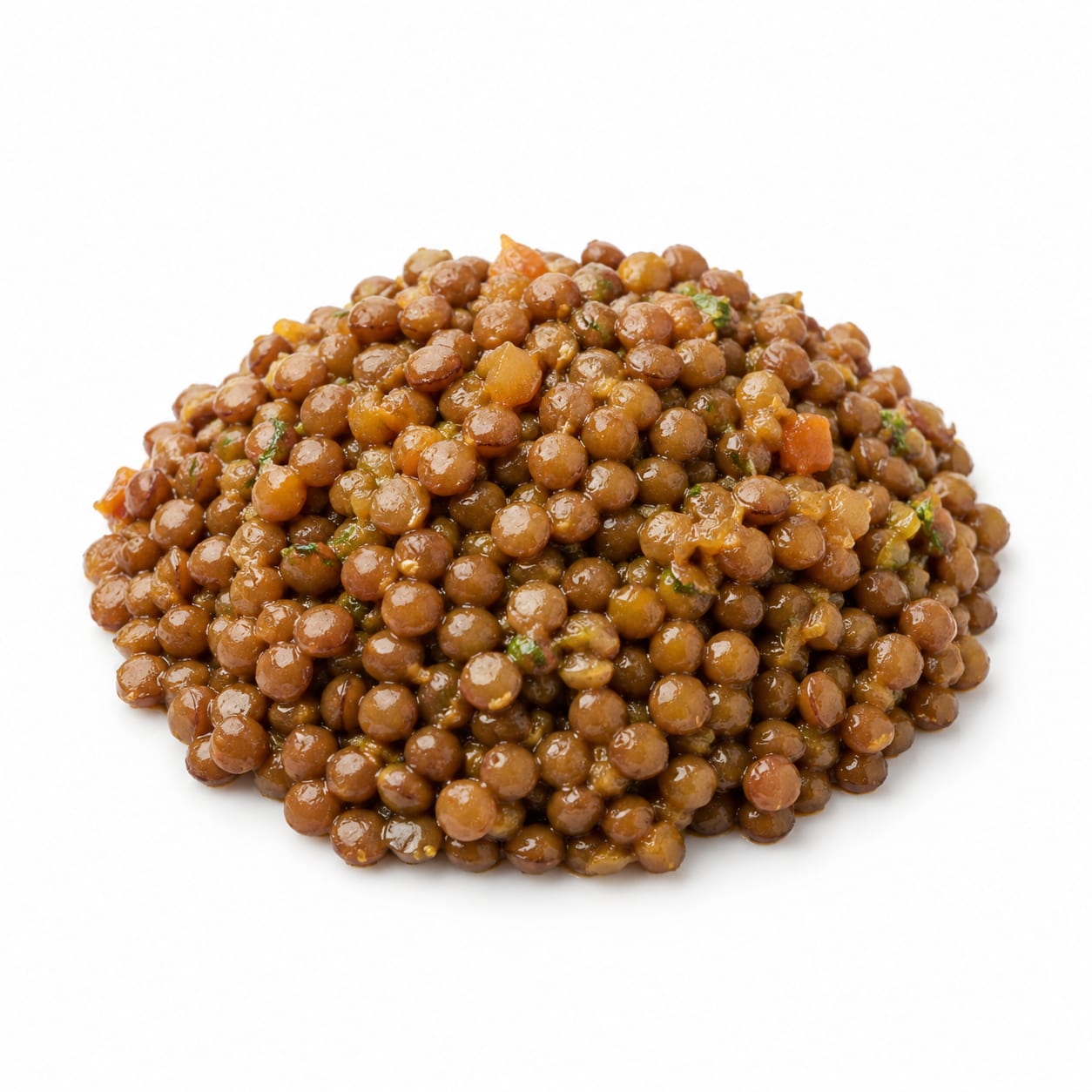
Lentil
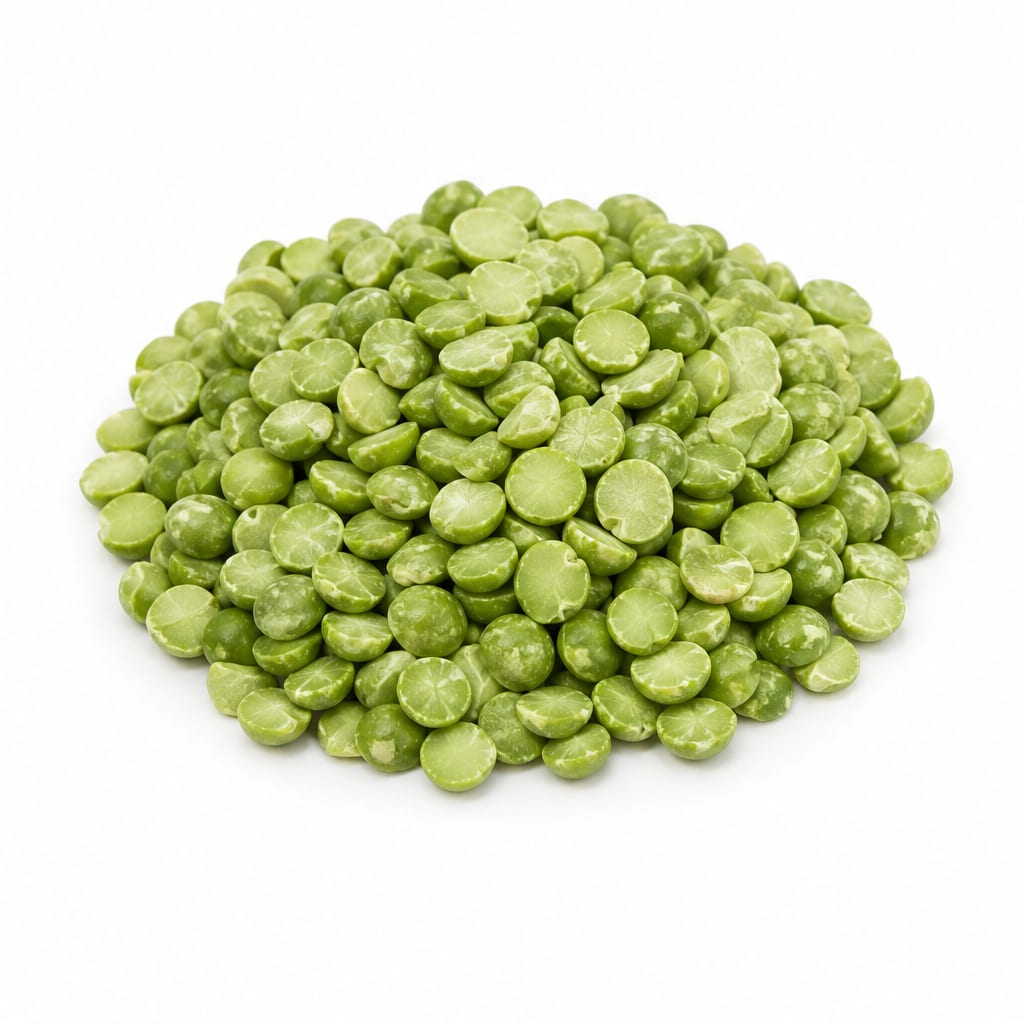
Split peas
Lentil and split peas are nutritional twins, but they behave very differently in the kitchen.
Lentil scores slightly higher due to culinary versatility and marginally better protein density, but split peas are equally nutritious for their specific use cases.
Lentil keeps its shape for salads and bowls, while split peas melt into creamy, comforting soups.
At a glance
Executive summary
Overall
It depends
Healthier
It depends
More practical
Lentil
Daily use
Lentil
Key comparison lenses
Culinary application and texture
Lentil holds its shape while split peas break down, dictating entirely different meals and cooking methods.
Fiber type and digestive impact
Split peas have higher soluble fiber, which is great for cholesterol but can cause more bloating compared to lentil.
Nutritional density and protein quality
Users want to know which legume offers better macros for plant-based diets, though they are remarkably similar.
Best choice for
Lentil
- Grain bowls and cold salads
- Meal prep where texture matters
- Quick-cooking weeknight dinners
Split peas
- Hearty winter soups and stews
- Dals and creamy dips
- Active cholesterol management
Least suitable for
Lentil
- Creamy blended soups
- Recipes needing a mushy, comforting texture
Split peas
- Cold pasta salads
- Dishes where you want distinct, intact pieces
Deep comparison
Dimension by dimension
Each lens scores both foods and breaks down who each option suits.
- Dimension 1 · Priority 92Lentil
Culinary Versatility
Lentil · 90Split peas · 70Lentil holds its shape, making it suitable for salads, pilafs, and bowls, whereas split peas disintegrate into a thick puree.
Tradeoff
You sacrifice the creamy, thickening power of split peas if you choose lentil for a soup.
Why it matters
Texture dictates what meals you can actually make and enjoy eating regularly.
Real-world impact
Lentil makes a great cold lunchbox salad; split peas leave you with a mushy, unappetizing mess in the same dish.
Lentil
- Cold salads
- Grain bowls
- Pilafs
Better for
- Creamy soups
Worse for
Split peas
- Thick soups
- Dals
- Dips
Better for
- Cold salads
Worse for
- Dimension 2 · Priority 88Split peas
Fiber and Satiety
Lentil · 85Split peas · 92Split peas pack slightly more total and soluble fiber, making them incredibly filling and excellent for cholesterol management.
Tradeoff
The extra soluble fiber in split peas can cause more bloating if you aren't used to it.
Why it matters
Higher soluble fiber means steadier blood sugar and better heart health over time.
Real-world impact
A bowl of split pea soup will likely keep you full longer than a lentil salad of the same size.
Lentil
- Sensitive stomachs needing slightly less fiber
Better for
- Aggressive cholesterol management
Worse for
Split peas
- Heart health and cholesterol lowering
- Maximum fullness
Better for
- Digestive systems sensitive to high soluble fiber
Worse for
- Dimension 3 · Priority 80Lentil
Protein Density
Lentil · 88Split peas · 84Lentil edges out split peas slightly on protein per calorie, making it a tiny bit more efficient for muscle maintenance.
Tradeoff
The protein difference is minimal and unlikely to matter unless your diet is entirely legume-based.
Why it matters
More protein per bite helps with satiety and preserving lean muscle.
Real-world impact
Over a single meal, the 1-2 gram protein difference is negligible, but it adds up over a week of daily consumption.
Lentil
- Plant-based muscle gain
- Maximizing protein per meal
Better for
Split peas
- High-fiber weight loss diets
Better for
- Strict high-protein, low-carb diets
Worse for
- Dimension 4 · Priority 75It depends
Cooking Speed and Ease
Lentil · 85Split peas · 80Red and yellow lentil cooks faster than split peas, but green or brown lentil takes about the same time.
Tradeoff
Split peas require no soaking but need a longer simmer to fully break down compared to quick-cooking lentil varieties.
Why it matters
Faster cooking means less planning ahead and easier weeknight meals.
Real-world impact
Red lentil can be ready in 15 minutes for a quick curry; split pea soup needs a good 40-minute simmer.
Lentil
- Last-minute weeknight dinners
Better for
- Slow cooker recipes needing a mushy texture
Worse for
Split peas
- Weekend meal prep with long simmering soups
Better for
- Rushed weeknight cooking
Worse for
Timeline
Health impact over time
Short-term
Hours to days
Lentil
- Steady energy without a sugar crash
- Mild bloating if not cooked with spices or soaked
Split peas
- Highly filling, takes longer to digest
- Can cause significant gas if portion sizes are too large initially
Long-term
Months to years
Lentil
- Supports lean muscle maintenance with consistent plant protein
- Promotes regular digestion
Split peas
- Excellent for cardiovascular health and lowering cholesterol
- Supports extremely stable blood sugar over the years
Risk profile
Safety & processing
Both lentil and split peas are simply harvested, dried, and packaged. Neither contains additives, making them equally whole-food choices.
Lentil
Flatulence and digestive discomfort
lowSudden high intake of lentil fiber can cause temporary bloating, but it is generally well tolerated.
Split peas
Flatulence and digestive discomfort
mediumSplit peas' high soluble fiber can be more gas-producing than lentil if introduced into the diet too quickly.
Who wins for whom
Audience fit
Same foods, different winners depending on your goal.
children
LentilLentil is easier to hide in familiar textures and is gentler on small, developing digestive systems.
daily consumption
LentilLentil offers more textural variety across different meals, making it less boring to eat every day.
diabetes
Split peasThe higher soluble fiber in split peas slows glucose absorption slightly more effectively.
elderly
Split peasThe soft, creamy texture of cooked split peas is easier to chew and swallow, and the fiber helps with common elderly digestion issues.
muscle gain
LentilLentil offers marginally more protein per calorie and works better in higher-protein bowl combinations.
weight loss
Split peasSplit peas have slightly more fiber, creating a thicker, more filling meal that stretches further in the stomach.
Your move
Decision guide
Choose Lentil
- You want a legume that holds its shape in salads and bowls
- You need a faster-cooking option for weeknights
- You want slightly more protein per serving
Choose Split peas
- You love thick, creamy, comforting soups
- You are actively trying to lower your cholesterol
- You prefer a mushy, soft texture in your meals
Either works if
- You just need a cheap, healthy, plant-based protein
- You are making a curry or dal where texture differences are minimal
- You want to improve your daily fiber intake
Avoid both if
- You have severe IBS and are currently in a flare-up
- You are on a strict very-low-carb or keto diet
Final recommendation
Keep both in your pantry. Use lentil for vibrant salads and quick grain bowls, and save split peas for cozy, thick winter soups.
Practical
Consumer tips
- 1
Rinse both lentil and split peas thoroughly before cooking to remove debris and reduce gas-causing compounds.
- 2
Add a piece of kombu seaweed or a pinch of asafoetida while cooking either legume to make them easier to digest.
- 3
If substituting split peas for lentil in a soup, expect a much thicker, creamier result.
- 4
Store both in airtight containers in a cool, dark place; they will stay fresh for up to a year.