
Nutrition comparison
Lentil vs Quinoa: Which is Better for Protein, Weight Loss, and Digestion?
Compare lentils vs quinoa for protein, fiber, blood sugar, and digestion. Find out which plant-based powerhouse is best for your health goals and meals.
Overall winner · Lentil
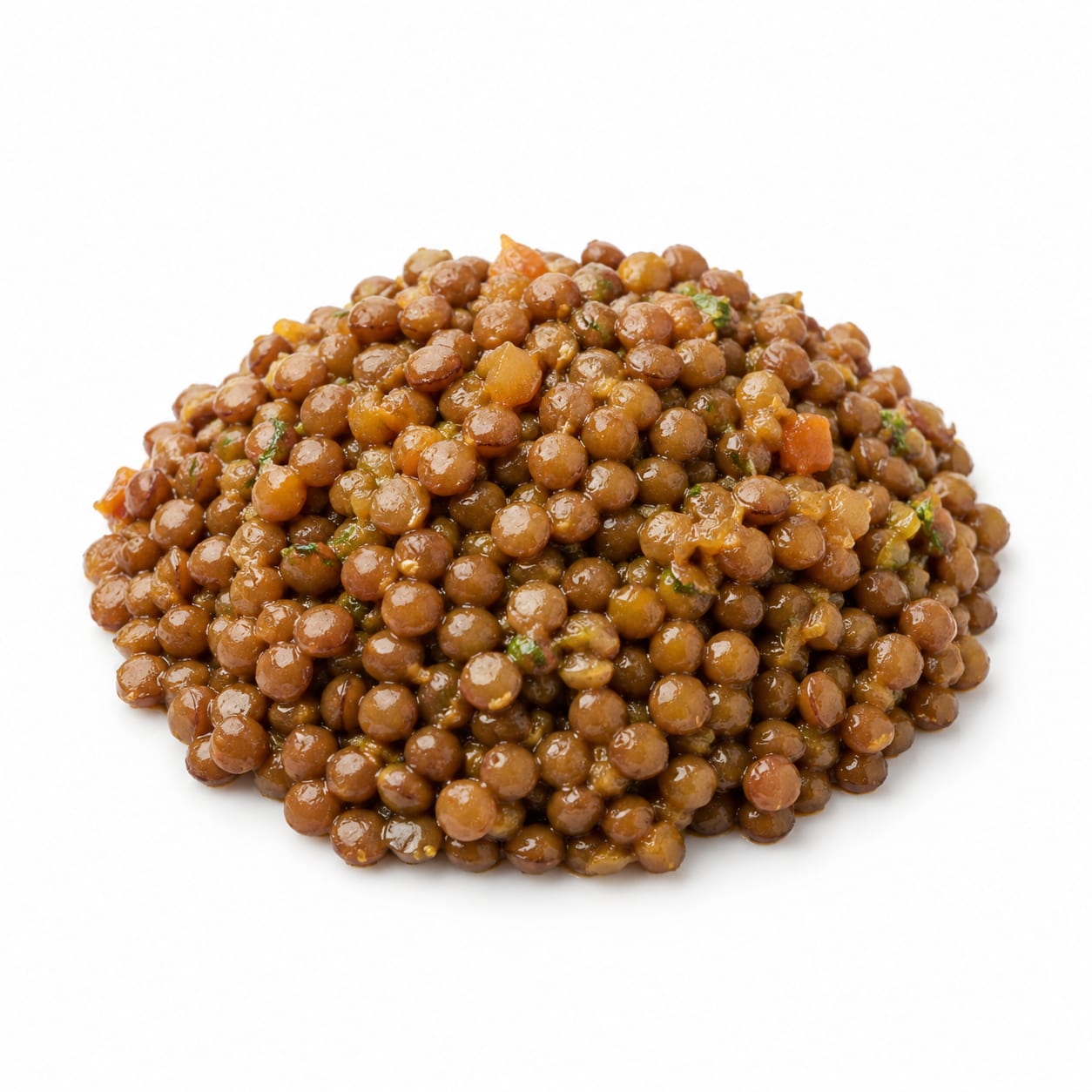
Lentil
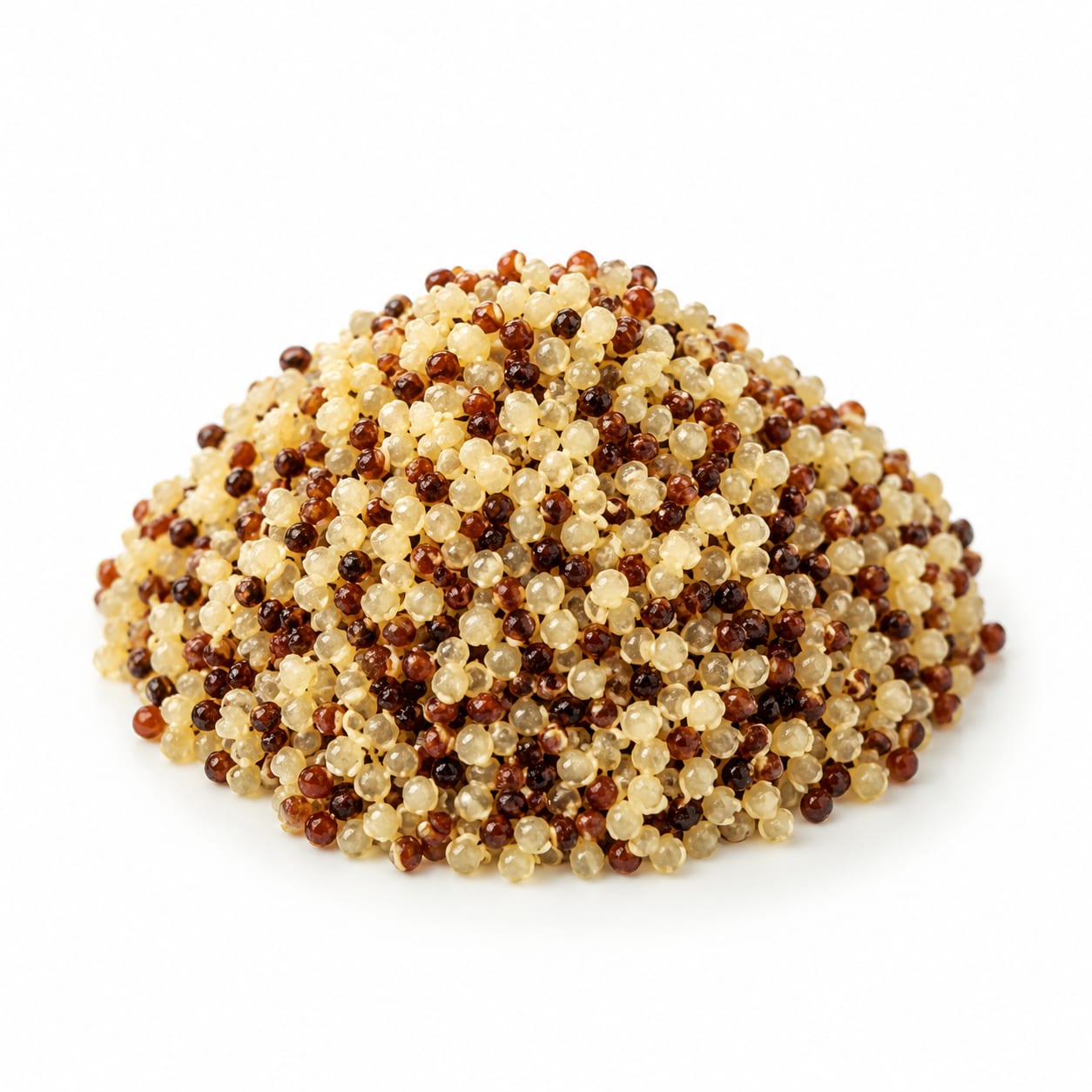
Quinoa
Lentils edge out quinoa for most health goals due to higher protein, more fiber, and better blood sugar control, though quinoa offers a lighter meal with complete protein.
Lentils score higher due to their superior macronutrient balance for metabolic health, offering more protein and fiber for fewer carbs and calories. Quinoa remains excellent but its higher carb count and cost slightly lower its overall score.
You trade the superior satiety and blood sugar stability of lentils for the lighter texture, faster cooking, and complete amino acid profile of quinoa.
At a glance
Executive summary
Overall
Lentil
Healthier
Lentil
More practical
Quinoa
Daily use
Lentil
Key comparison lenses
Plant-based protein source comparison
Both are top protein choices for vegetarians and vegans, but differ significantly in amino acid profile and total protein density.
Blood sugar and carb management
Lentils are much lower in net carbs and higher in fiber, making them better for glucose control compared to the carb-dense quinoa.
Digestive comfort and meal heaviness
Lentils can cause bloating and gas for some, while quinoa is generally lighter and easier on the stomach if rinsed properly.
Best choice for
Lentil
- Weight loss and fat loss
- Blood sugar management and diabetes
- Budget-friendly meal prep
- Maximum satiety and fullness
Quinoa
- Post-workout recovery needing complete protein
- Lighter meals that won't cause bloating
- Quick side dishes replacing rice or pasta
- People sensitive to legumes
Least suitable for
Lentil
- People with severe IBS or legume intolerance
- Quick 15-minute weeknight meals
- Those wanting a light, fluffy texture
Quinoa
- Strict low-carb or keto diets
- Tight grocery budgets
- Those needing maximum fiber intake
Deep comparison
Dimension by dimension
Each lens scores both foods and breaks down who each option suits.
- Dimension 1 · Priority 95Lentil
Satiety and Fullness
Lentil · 92Quinoa · 75Lentils keep you full much longer than quinoa due to a denser fiber and protein package.
Tradeoff
That fullness comes with a heavier feeling in the stomach, whereas quinoa feels lighter and less likely to cause a food coma.
Why it matters
Staying full longer means fewer cravings and better portion control throughout the day.
Real-world impact
A lentil bowl at lunch will likely carry you to dinner without a snack, while a quinoa bowl might leave you hunting for something to eat by 3 PM.
Lentil
- Long work shifts without snack breaks
- Cutting calories without feeling deprived
Better for
- Right before intense exercise
- When you want a light, refreshing meal
Worse for
Quinoa
- Pre-workout meals where you want energy without heaviness
- Light summer salads
Better for
- When you need a meal to hold you over for 6+ hours
Worse for
- Dimension 2 · Priority 92Lentil
Blood Sugar Stability
Lentil · 90Quinoa · 70Lentils have a much lower glycemic index and more fiber to slow down sugar absorption.
Tradeoff
Quinoa provides quicker energy because of its higher carb content, but that comes with a steeper blood sugar curve.
Why it matters
Stable blood sugar prevents the afternoon energy crash and reduces cravings for sugary snacks.
Real-world impact
Eating lentils leads to steadier energy for hours. Quinoa is fine in moderation but can trigger hunger sooner if eaten alone.
Lentil
- Managing type 2 diabetes
- Preventing the afternoon slump
- Reducing sugar cravings
Better for
- Moments when you need rapid energy replenishment
Worse for
Quinoa
- Carb-loading before endurance sports
- Replenishing glycogen after a hard workout
Better for
- Sedentary evenings when excess carbs are likely stored as fat
Worse for
- Dimension 3 · Priority 90It depends
Protein Quality and Quantity
Lentil · 85Quinoa · 82Lentils provide more total protein per calorie, but quinoa offers a complete amino acid profile.
Tradeoff
You get more muscle-fueling protein in lentils, but you need to pair them with grains to get all essential amino acids, which quinoa provides naturally.
Why it matters
Complete proteins support muscle repair and immune function more efficiently without needing food combining.
Real-world impact
Quinoa is a great standalone post-workout base. Lentils need rice or seeds alongside them to match the amino acid profile, though the total protein yield will still be higher.
Lentil
- Maximizing total daily protein intake on a budget
- Vegan bodybuilders needing sheer protein volume
Better for
- Those who eat single-ingredient meals and need complete protein
Worse for
Quinoa
- Simpler meals without needing to combine protein sources
- Quick post-workout recovery
Better for
- High-protein diets where total protein per meal matters most
Worse for
- Dimension 4 · Priority 80Quinoa
Digestive Tolerance
Lentil · 65Quinoa · 85Quinoa is generally much easier to digest and less likely to cause gas or bloating than lentils.
Tradeoff
Lentils contain resistant starch that feeds gut bacteria, which is great long-term but causes short-term discomfort for sensitive stomachs.
Why it matters
Bloating and gas can ruin your comfort and focus, making a slightly less nutritious food worth it if it digests smoothly.
Real-world impact
A quinoa salad sits lightly and comfortably. A large bowl of lentil soup might make you reach for digestive tea or unbutton your pants.
Lentil
- Building a robust microbiome over time
- Those already adapted to high-legume diets
Better for
- Those unaccustomed to high-fiber legumes
- Important meetings where you need to feel light and comfortable
Worse for
Quinoa
- People with IBS or sensitive stomachs
- Date nights or social events where bloating is a concern
Better for
- Those who neglect to rinse it, as saponins can cause stomach upset
Worse for
Timeline
Health impact over time
Short-term
Hours to days
Lentil
- High feeling of fullness after eating
- Potential gas and bloating if not accustomed to fiber
- Steady, crash-free energy levels
Quinoa
- Quick, light energy boost
- Comfortable digestion if properly rinsed
- Satisfying texture that pairs well with light veggies
Long-term
Months to years
Lentil
- Improved gut microbiome diversity from resistant starch
- Better weight management due to high satiety
- Lower risk of type 2 diabetes and heart disease
Quinoa
- Consistent intake of all essential amino acids for tissue repair
- Good source of anti-inflammatory quercetin and kaempferol
- Sustained mineral intake supporting bone health
Risk profile
Safety & processing
Both lentils and quinoa are whole foods that you buy exactly as they grow, just dried. Neither contains artificial additives, making them both incredibly clean choices.
Lentil
Antinutrients (phytic acid and lectins)
mediumCan reduce mineral absorption and cause digestive upset if lentils are eaten raw or undercooked. Always soak and cook thoroughly.
Quinoa
Saponin residue
mediumNaturally occurring bitter compounds that can cause stomach irritation. Rinsing quinoa thoroughly before cooking removes most of them.
Who wins for whom
Audience fit
Same foods, different winners depending on your goal.
children
QuinoaQuinoa is lighter, easier to digest, and has a milder, fluffier texture that kids are more likely to accept than dense lentils.
daily consumption
LentilLentils are cheaper, more versatile in stews and curries, and offer a better nutritional profile for everyday metabolic health.
diabetes
LentilThe high fiber and low net carb count of lentils create a much lower glycemic load, preventing dangerous blood sugar spikes.
elderly
QuinoaQuinoa is gentler on aging digestive systems and provides easy-to-absorb complete protein to prevent muscle loss.
muscle gain
QuinoaQuinoa provides a complete protein profile and faster-digesting carbs, making it a better post-workout option for muscle recovery and glycogen replenishment.
weight loss
LentilLentils offer significantly more fiber and protein per calorie, keeping you full on less food and making it easier to maintain a calorie deficit.
Your move
Decision guide
Choose Lentil
- You want to lose weight or manage your blood sugar
- You are on a tight grocery budget
- You need meals that keep you full for hours
- You are making hearty soups, stews, or chilis
Choose Quinoa
- You want a light, fluffy side dish instead of rice
- You have a sensitive stomach or get bloated easily
- You need a quick-cooking complete protein after a workout
- You are meal-prepping for kids or picky eaters
Either works if
- You are building a healthy grain-and-bean bowl
- You want clean, plant-based fuel for general health
- You are tired of relying on meat for protein
Avoid both if
- You are on a strict ketogenic or very low-carb diet
- You have severe sensitivities to both legumes and seeds
Final recommendation
Keep both in your pantry, but lean on lentils for everyday satiety and metabolic health, and use quinoa when you need something lighter, faster, or gentler on your stomach.
Practical
Consumer tips
- 1
Rinse quinoa under cold water for 30 seconds to wash off bitter saponins and prevent stomach upset.
- 2
Soak lentils for a few hours or overnight and discard the water to reduce gas-causing compounds and speed up cooking.
- 3
Pair lentils with a grain like rice or quinoa to create a complete protein profile that rivals meat.
- 4
Buy lentils in the bulk aisle for massive savings; they are one of the cheapest proteins on the planet.
- 5
Cook a big batch of lentils on Sunday for soups and salads, and use quinoa for quick weeknight stir-fries.