
Nutrition comparison
Lentil vs Oats: Which is Healthier for Protein, Fiber & Weight Loss?
Compare lentils vs oats for protein, fiber, weight loss, and daily use. Discover the nutritional tradeoffs and which is better for your diet.
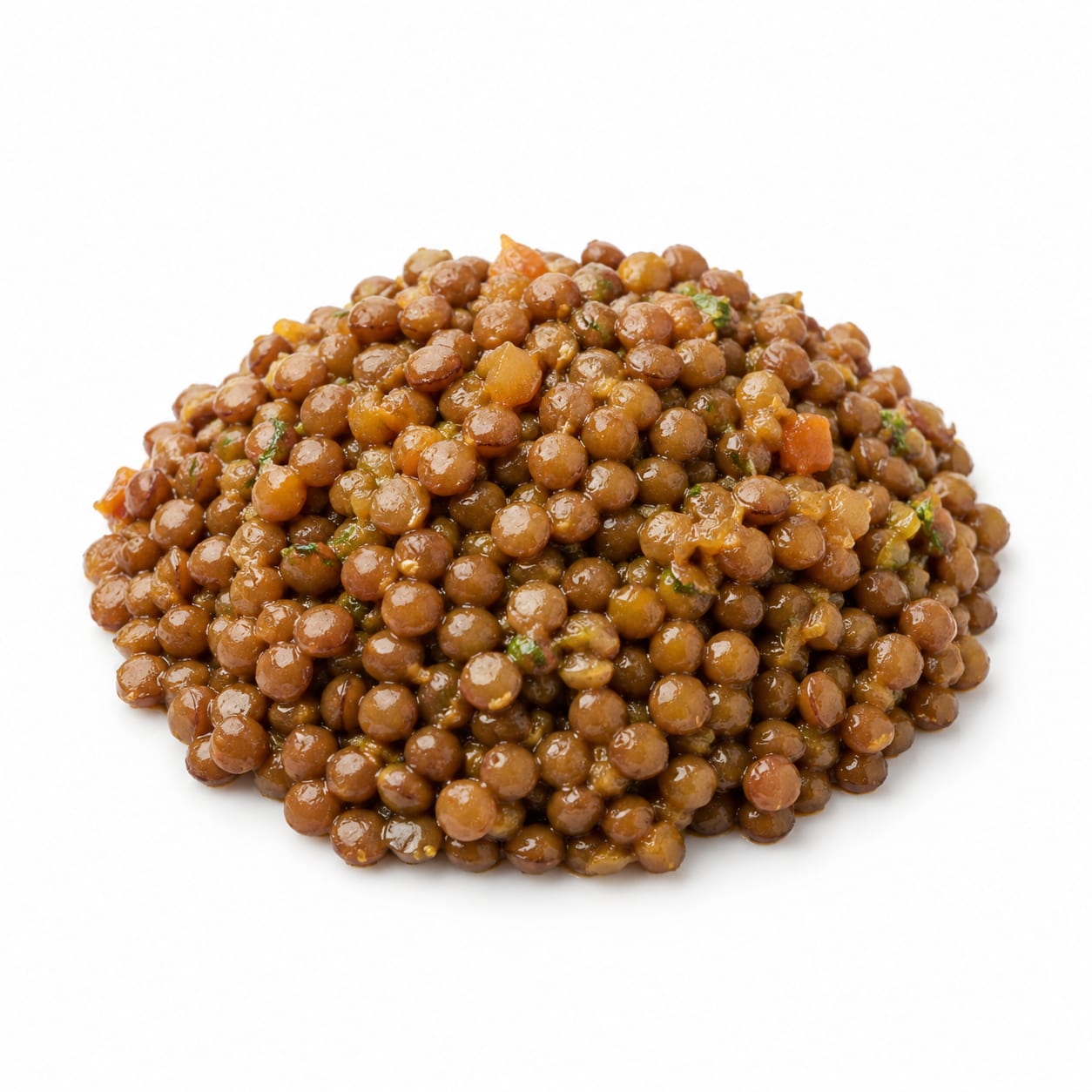
Lentil
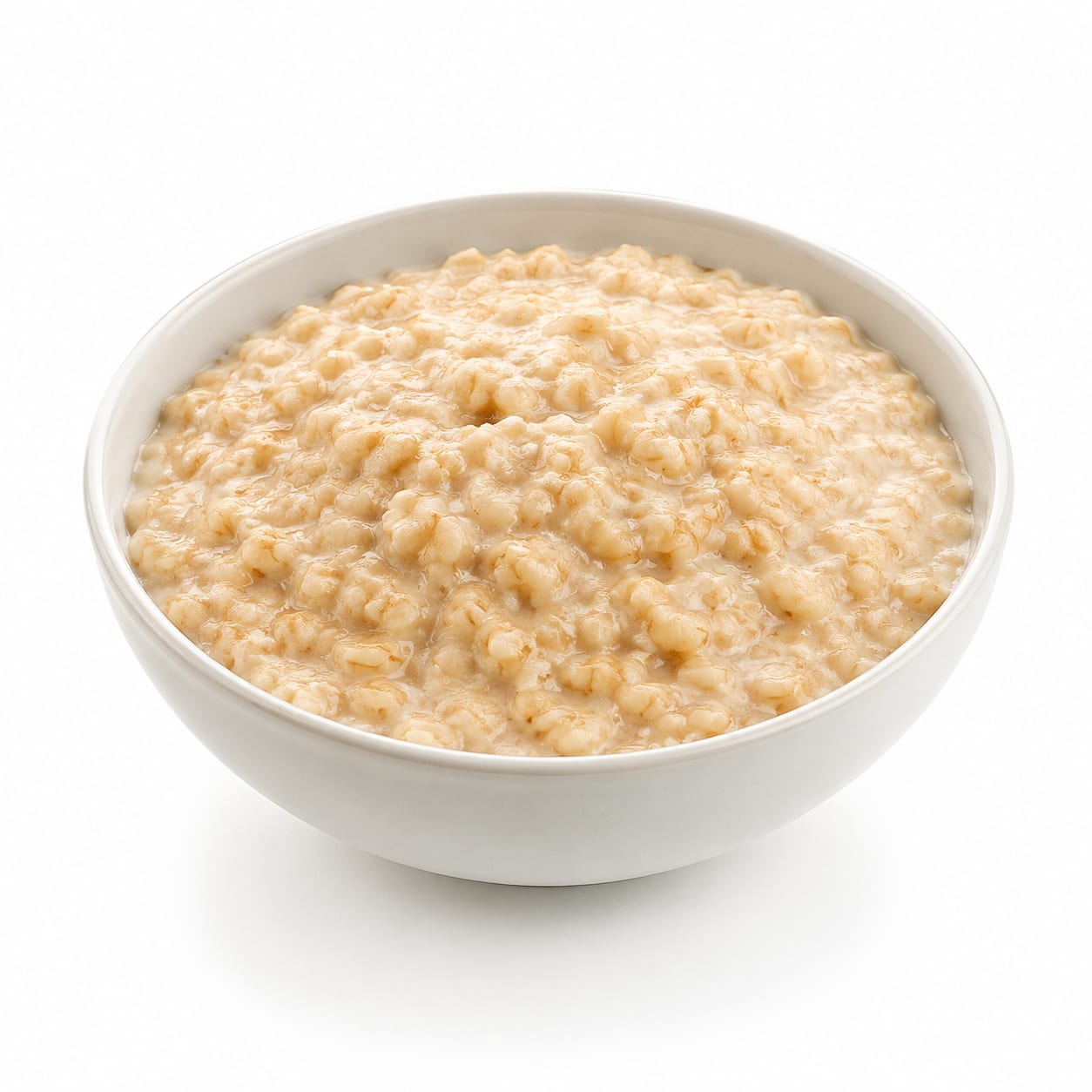
Oats
Lentils deliver far more protein and iron, while oats offer unique heart-healthy fiber and breakfast convenience.
Lentils edge ahead slightly for protein and micronutrients, but oats are so practical and heart-healthy that the scores are nearly tied.
Protein and savory meal versatility versus quick-cooking comfort and beta-glucan benefits.
At a glance
Executive summary
Overall
It depends
Healthier
It depends
More practical
Oats
Daily use
It depends
Key comparison lenses
Plant-based protein comparison
Lentils are a top protein source among legumes, while oats are primarily a carb source, making protein the starkest contrast.
Blood sugar and fiber type impact
Both are high-fiber staples but rely on different fiber types (beta-glucan vs resistant starch), affecting blood sugar differently.
Meal timing and versatility
Oats dominate breakfast, while lentils dominate lunch and dinner, creating a practical lifestyle tradeoff.
Best choice for
Lentil
- building muscle on a plant-based diet
- boosting iron intake
- savory lunch or dinner meals
Oats
- quick morning meals
- lowering cholesterol
- comforting warm breakfasts
Least suitable for
Lentil
- quick breakfasts
- people highly sensitive to legumes
Oats
- high-protein diets
- low-carb eating
Deep comparison
Dimension by dimension
Each lens scores both foods and breaks down who each option suits.
- Dimension 1 · Priority 95Lentil
Protein & Satiety
Lentil · 90Oats · 70Lentils provide nearly double the protein per calorie, making them far more filling for muscle maintenance and hunger control.
Tradeoff
You trade the quick-cooking comfort of oats for a much more substantial protein hit that keeps you full longer.
Why it matters
Higher protein meals reduce snacking later in the day and support metabolic health.
Real-world impact
A lentil-based lunch will likely keep you full until dinner, while an oat breakfast might need a mid-morning snack.
Lentil
- muscle retention
- weight management
- plant-based diets
Better for
- quick digestion before exercise
Worse for
Oats
- lighter meals
- pre-workout fuel
Better for
- staying full for 5+ hours
Worse for
- Dimension 2 · Priority 90Oats
Fiber Quality & Heart Health
Lentil · 85Oats · 95Oats contain beta-glucan, a unique soluble fiber explicitly proven to lower cholesterol and support heart health.
Tradeoff
Lentils offer more total fiber and resistant starch for gut health, but lack the specific cholesterol-lowering power of beta-glucan.
Why it matters
Heart disease is a leading health risk, and beta-glucan actively binds to cholesterol in the gut.
Real-world impact
Eating oats daily can meaningfully improve your cholesterol panel, while lentils improve gut motility and feed beneficial bacteria.
Lentil
- gut microbiome diversity
- digestive regularity
Better for
- targeting cholesterol reduction directly
Worse for
Oats
- lowering LDL cholesterol
- cardiovascular protection
Better for
- providing diverse resistant starches
Worse for
- Dimension 3 · Priority 80Lentil
Micronutrient Density
Lentil · 90Oats · 75Lentils are rich in iron, folate, and magnesium, while oats provide more manganese and zinc.
Tradeoff
Lentils are superior for blood-building nutrients like iron, which is often lacking in plant-based diets.
Why it matters
Iron and folate are critical for energy and preventing anemia, especially for women.
Real-world impact
Regular lentil consumption can help fight fatigue and low energy caused by low iron.
Lentil
- preventing anemia
- pregnancy nutrition
- energy levels
Better for
- meeting manganese needs
Worse for
Oats
- bone health
- immune support via zinc
Better for
- getting enough iron on a vegan diet
Worse for
- Dimension 4 · Priority 85Oats
Convenience & Meal Timing
Lentil · 65Oats · 90Oats cook in minutes and are a grab-and-go breakfast staple, whereas lentils take longer and fit savory meals.
Tradeoff
You sacrifice quick prep time with lentils, though red lentils cook faster than green or brown varieties.
Why it matters
Convenience often dictates what people actually eat daily; if it takes too long, you might skip it.
Real-world impact
Oats are a 3-minute morning solution, while lentils require meal prep or a pressure cooker for weeknight dinners.
Lentil
- batch cooking
- hearty dinners
Better for
- instant meals
- sweet breakfasts
Worse for
Oats
- busy mornings
- quick meal prep
- travel
Better for
- savory dinner entrees
Worse for
Timeline
Health impact over time
Short-term
Hours to days
Lentil
- High satiety from protein
- Possible bloating or gas if not accustomed to legumes
- Steady blood sugar without spikes
Oats
- Quick comforting energy
- Beta-glucan creates a gel that slows digestion
- Can feel heavy if eaten in large portions
Long-term
Months to years
Lentil
- Improved iron status
- Better gut microbiome from resistant starch
- Sustained muscle mass on plant-based diets
Oats
- Lower LDL cholesterol
- Improved heart health markers
- Stable blood sugar for diabetes prevention
Risk profile
Safety & processing
Both lentils and oats are whole foods in their natural state, though flavored instant oat packets can be highly processed and sugary.
Lentil
Antinutrients (phytic acid)
lowCan reduce mineral absorption, but soaking or cooking largely deactivates them.
Gastrointestinal discomfort
mediumCan cause significant gas or bloating if introduced too quickly into the diet.
Oats
Gluten cross-contamination
mediumStandard oats are often processed on shared equipment with wheat; celiacs need certified gluten-free oats.
Blood sugar spike from instant varieties
mediumHighly processed instant oats digest too quickly, causing a rapid blood sugar rise.
Who wins for whom
Audience fit
Same foods, different winners depending on your goal.
children
OatsOats are typically more palatable and easier for kids to digest, often enjoyed as a sweet breakfast.
daily consumption
It dependsBoth are healthy daily staples; oats are easier for daily breakfast, while lentils are ideal for daily lunches.
diabetes
It dependsBoth are excellent, but oats offer proven beta-glucan for glucose regulation, while lentils provide slightly more protein to blunt spikes.
elderly
OatsOats are softer, easier to chew and digest, and the soluble fiber is highly beneficial for aging hearts.
muscle gain
LentilLentils provide significantly more protein per serving, which is the essential building block for muscle tissue.
weight loss
LentilThe higher protein content in lentils preserves muscle and keeps you fuller longer, making it easier to maintain a calorie deficit.
Your move
Decision guide
Choose Lentil
- You need more plant-based protein in your diet
- You are prone to iron deficiency
- You want a hearty base for savory bowls and stews
- You struggle with staying full between meals
Choose Oats
- You want a quick, warm breakfast option
- You are actively trying to lower your cholesterol
- You need a cheap, fast carb source for pre-workout
- You prefer sweeter meal profiles
Either works if
- You want excellent daily fiber intake
- You are looking for affordable, shelf-stable pantry staples
- You want steady energy without sugar crashes
Avoid both if
- You are on a strict ketogenic or very low-carb diet
- You have severe digestive conditions that cannot handle high fiber
Final recommendation
Keep both in your pantry. Use oats to start your day with heart-healthy comfort, and rely on lentils to power your afternoon with protein and iron.
Practical
Consumer tips
- 1
If lentils cause bloating, start with small portions and cook them with digestive spices like cumin or ginger.
- 2
Always choose rolled or steel-cut oats over instant oatmeal to avoid blood sugar spikes.
- 3
Pair lentils with a vitamin C source like tomatoes or bell peppers to dramatically boost iron absorption.
- 4
Rinse canned lentils well to remove excess sodium and reduce gas-causing compounds.
- 5
Soak oats overnight in milk or yogurt for easier digestion and quicker morning prep.