
Nutrition comparison
Langsat vs Sweet Orange: Nutrition, Sugar, and Which Is Healthier
Compare Langsat and Sweet Orange on vitamin C, sugar content, antioxidants, and digestion. Find out which tropical fruit fits your health goals and daily routine.
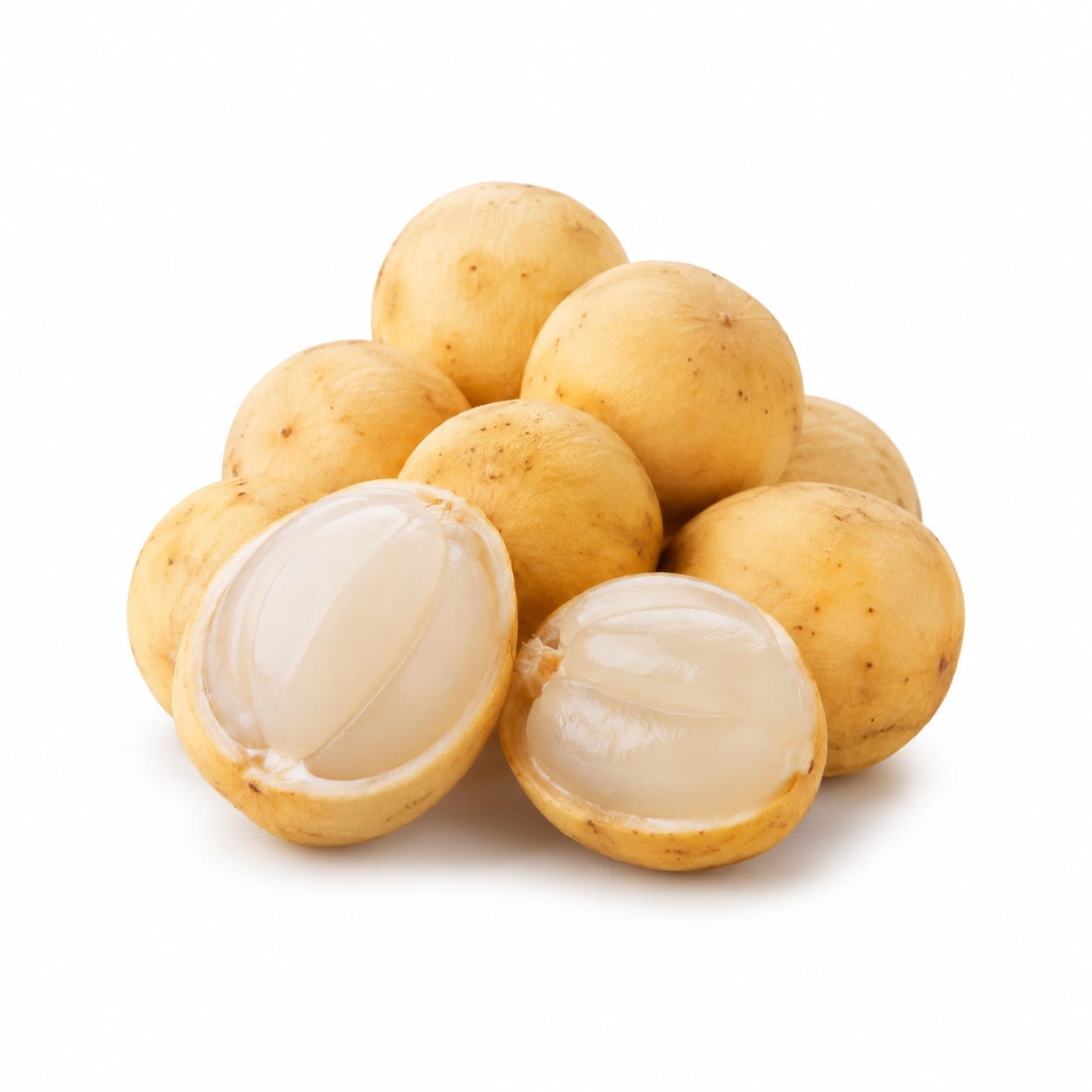
Langsat
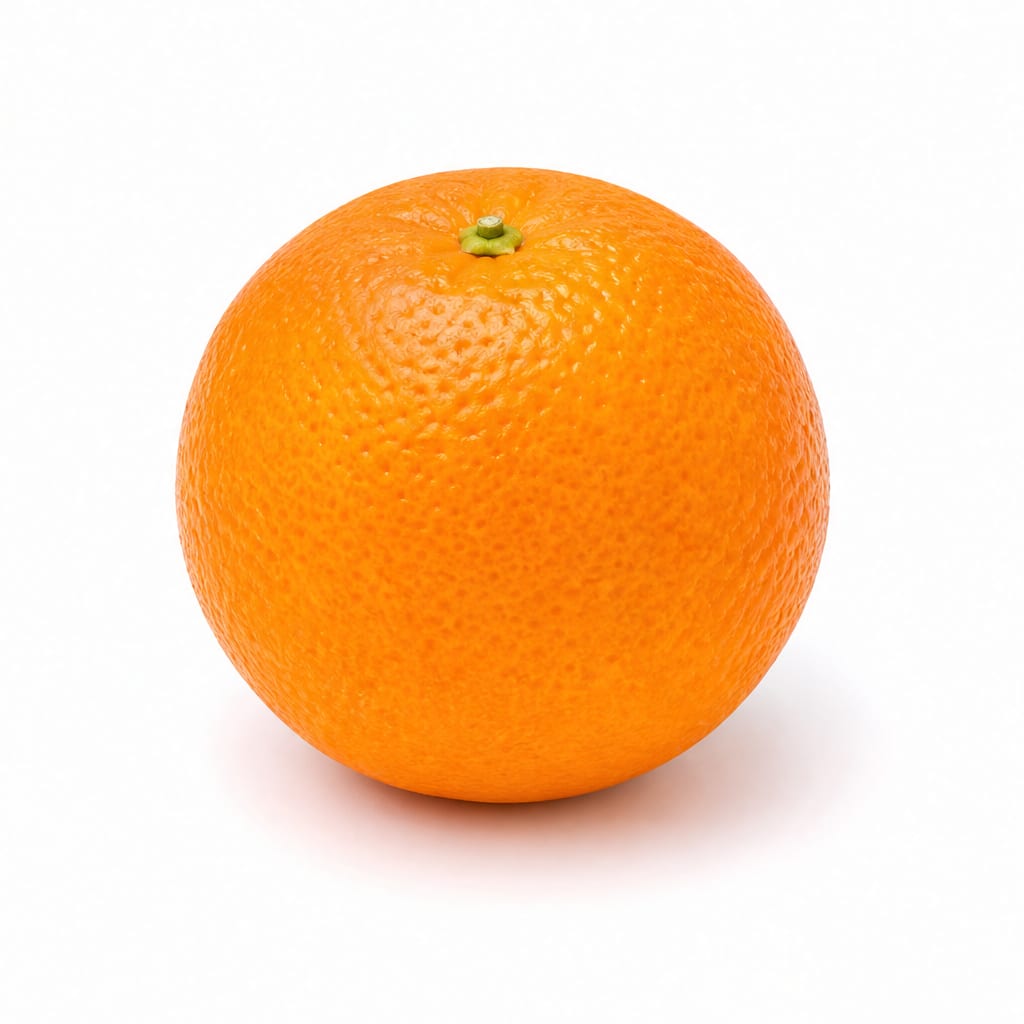
Sweet Orange
Sweet Orange wins on vitamin C, availability, and everyday reliability. Langsat offers unique antioxidants and lower sugar but is harder to find and can upset sensitive stomachs.
Sweet Orange scores higher due to superior vitamin C, widespread availability, and gentler digestion. Langsat remains valuable for antioxidant diversity and lower sugar but loses points for limited access and digestive caveats.
Everyday nutritional consistency versus exotic antioxidant novelty with availability compromises
At a glance
Executive summary
Overall
It depends
Healthier
Sweet Orange
More practical
Sweet Orange
Daily use
Sweet Orange
Key comparison lenses
Vitamin C and immunity comparison
Sweet Orange is iconic for vitamin C; users will want to know if Langsat competes
Tropical fruit novelty vs everyday staple
Langsat is exotic and seasonal; Sweet Orange is universally available year-round
Sugar load and blood sugar impact
Both are sweet fruits but differ in glycemic behavior and sugar composition
Antioxidant diversity
Langsat contains unique polyphenols not found in citrus; users may want functional variety
Digestive tolerance and gut effects
Langsat has latex and tannins that can affect digestion differently than orange acidity
Best choice for
Langsat
- Antioxidant variety seekers wanting tropical polyphenols
- Travelers exploring Southeast Asian cuisine
- Those wanting lower-sugar fruit options
- People bored with common fruits seeking new flavors
Sweet Orange
- Daily vitamin C needs
- Families needing affordable year-round fruit
- Immune support during cold season
- Anyone prioritizing consistent access and reliability
Least suitable for
Langsat
- People with sensitive stomachs or IBS
- Those who need reliable year-round availability
- Consumers outside tropical regions
- Children unfamiliar with the sticky latex texture
Sweet Orange
- People with severe acid reflux or GERD
- Those on potassium-restricted diets
- Anyone avoiding citrus due to mouth ulcers
Deep comparison
Dimension by dimension
Each lens scores both foods and breaks down who each option suits.
- Dimension 1 · Priority 92Sweet Orange
Vitamin C and Immune Support
Langsat · 35Sweet Orange · 95Sweet Orange dominates with roughly 53mg vitamin C per 100g. Langsat contains only trace amounts, making it a poor immunity choice.
Tradeoff
Langsat offers other antioxidants but cannot replace orange for vitamin C needs
Why it matters
If you rely on fruit for daily immune support, Sweet Orange delivers reliably while Langsat falls short
Real-world impact
One orange covers most of your daily vitamin C; you would need to eat unrealistic amounts of Langsat to match it
Langsat
- Adding antioxidant variety beyond standard citrus
Better for
- Preventing vitamin C deficiency
- Post-illness recovery when immunity matters most
Worse for
Sweet Orange
- Meeting daily vitamin C requirements
- Cold season immune support
- Wound healing and collagen production
Better for
- Situations requiring diverse polyphenol intake beyond ascorbic acid
Worse for
- Dimension 2 · Priority 78Langsat
Sugar Content and Blood Sugar Impact
Langsat · 72Sweet Orange · 58Langsat has slightly lower sugar content and a gentler glycemic profile than Sweet Orange, making it the better choice for blood sugar awareness.
Tradeoff
Lower sugar comes with less vitamin C and harder availability
Why it matters
For diabetics or anyone monitoring glucose spikes, every gram of sugar matters in daily fruit choices
Real-world impact
Langsat as a snack is less likely to cause an afternoon energy crash compared to a large orange
Langsat
- Lighter sweet snacking without big glucose spikes
- Diabetics seeking tropical fruit with less sugar load
Better for
- Athletes needing rapid carbohydrate replenishment
Worse for
Sweet Orange
- Post-workout when faster sugar absorption helps recovery
- Active people needing quick natural energy
Better for
- Sedentary snacking where sugar adds up without activity
Worse for
- Dimension 3 · Priority 72It depends
Antioxidant Diversity
Langsat · 75Sweet Orange · 70Langsat contains unique polyphenols like onjesin and specific tannins absent in citrus. Sweet Orange provides hesperidin and naringenin. Both contribute differently to your antioxidant portfolio.
Tradeoff
Langsat offers novelty compounds but less research; Orange offers well-studied flavonoids with proven benefits
Why it matters
Long-term health benefits come from eating a wide variety of plant compounds, not just one fruit
Real-world impact
Rotating both fruits gives your body broader antioxidant coverage than eating only one
Langsat
- Expanding polyphenol diversity beyond common citrus
- Accessing tropical plant compounds with anti-inflammatory potential
Better for
- Evidence-based decision making due to limited human studies
Worse for
Sweet Orange
- Cardiovascular protection backed by extensive citrus research
- Anti-inflammatory benefits with stronger clinical evidence
Better for
- Breaking out of a citrus-only antioxidant rut
Worse for
- Dimension 4 · Priority 88Sweet Orange
Availability and Practicality
Langsat · 20Sweet Orange · 95Sweet Orange is available globally year-round at low cost. Langsat is seasonal, regional, and rarely found outside Southeast Asia.
Tradeoff
Exotic nutrition means exotic logistics; you cannot eat what you cannot find
Why it matters
The healthiest fruit is the one you can actually buy and eat consistently
Real-world impact
Most people reading this can get an orange today; finding fresh Langsat requires specialty markets or travel
Langsat
- Experiencing authentic tropical fruit culture while traveling
Better for
- Building consistent daily fruit habits
- Grocery shopping outside tropical countries
Worse for
Sweet Orange
- Reliable daily fruit intake anywhere in the world
- Budget-friendly consistent nutrition
- Easy meal prep and packing for lunches
Better for
- Adding excitement and novelty to a repetitive fruit routine
Worse for
- Dimension 5 · Priority 68Sweet Orange
Digestive Tolerance
Langsat · 45Sweet Orange · 72Sweet Orange is gentle for most people. Langsat contains sticky latex and tannins that can cause constipation or stomach upset, especially when unripe or overeaten.
Tradeoff
Langsat's tannins may help diarrhea but worsen constipation; Orange is more predictably tolerated
Why it matters
A fruit that causes digestive discomfort undermines its nutritional value entirely
Real-world impact
Eating too many Langsat can leave you constipated; oranges rarely cause this issue unless you have GERD
Langsat
- Mild diarrhea cases where astringent tannins may help firm stools
Better for
- Prone-to-constipation individuals
- IBS patients sensitive to tannins or latex compounds
Worse for
Sweet Orange
- Sensitive digestion requiring gentle fruit options
- Children and elderly needing easy-to-tolerate snacks
Better for
- GERD or acid reflux flare-ups
- Mouth ulcer sufferers irritated by citrus acid
Worse for
Timeline
Health impact over time
Short-term
Hours to days
Langsat
- Quick light energy from natural sugars without heavy sugar crash
- Possible stomach firming effect from tannins
- Refreshing hydration in tropical heat
Sweet Orange
- Rapid vitamin C boost supporting immediate immune function
- Natural sugar energy with noticeable lift
- Possible heartburn in acid-sensitive individuals
Long-term
Months to years
Langsat
- Unique polyphenol exposure may support anti-aging pathways
- Potential anti-inflammatory benefits from underresearched tropical compounds
- Risk of constipation if consumed frequently in large amounts
Sweet Orange
- Consistent vitamin C intake supports skin health and wound healing over decades
- Hesperidin from citrus linked to lower cardiovascular risk in population studies
- Acid erosion of tooth enamel with excessive daily consumption
Risk profile
Safety & processing
Both fruits are eaten whole and raw with no processing. Langsat may have minor pesticide exposure depending on Southeast Asian farming practices. Sweet Orange peel is often sprayed with fungicides post-harvest, but flesh is protected.
Langsat
Latex-related digestive irritation
mediumThe sticky latex between segments can cause nausea or constipation, especially if fruit is underripe or consumed in large quantities
Pesticide residue from unregulated farming
mediumSmall-scale Southeast Asian farms may use pesticides less consistently than regulated commercial orchards
Seed choking hazard
lowLangsat contains bitter seeds that should not be swallowed, especially by children
Sweet Orange
Post-harvest fungicide on peel
lowCommercial oranges are often treated with thiabendazole or imazalil on the rind; washing before peeling reduces transfer to hands
Acid erosion of tooth enamel
mediumFrequent daily orange consumption can slowly erode enamel; rinsing with water after eating helps
Citrus allergy cross-reactivity
lowRare but possible, especially in individuals with birch pollen allergy
Who wins for whom
Audience fit
Same foods, different winners depending on your goal.
children
Sweet OrangeSweet Orange is easier to digest, widely available, and has no choking seeds or sticky latex; kids also accept the familiar taste more readily
daily consumption
Sweet OrangeYear-round availability, proven health benefits, and digestive predictability make Sweet Orange the sustainable daily choice
diabetes
LangsatLower sugar content and gentler blood sugar impact make Langsat the safer fruit choice, though both should be portion-controlled
elderly
Sweet OrangeOlder adults benefit more from consistent vitamin C for skin and immunity, and Orange is gentler on aging digestive systems
muscle gain
Sweet OrangeSweet Orange provides more vitamin C which supports collagen synthesis for connective tissue repair after training
weight loss
LangsatLangsat has slightly fewer calories and less sugar per serving, making it a lighter snacking option for calorie-conscious eaters
Your move
Decision guide
Choose Langsat
- You live in or travel to Southeast Asia and want local tropical fruit
- You are seeking lower-sugar fruit alternatives for blood sugar management
- You want to diversify your antioxidant intake beyond common citrus
- You enjoy exploring new flavors and can source fresh Langsat reliably
Choose Sweet Orange
- You need reliable daily vitamin C intake
- You want an affordable fruit available at any grocery store year-round
- You have sensitive digestion and need a gentle option
- You are feeding a family and need crowd-pleasing nutrition
Either works if
- You simply want a refreshing whole fruit snack
- You are rotating fruits for broad nutrient coverage
- You have no specific health condition favoring one over the other
Avoid both if
- You are on a strict very-low-carb or ketogenic diet
- You have fructose intolerance or malabsorption issues
- You need high-protein snacks and fruit does not fit your macro targets
Final recommendation
Make Sweet Orange your daily fruit for consistent vitamin C and easy access. When Langsat is in season and available, enjoy it as a flavorful way to add antioxidant variety. Think of Langsat as a nutritional adventure, not a replacement.
Practical
Consumer tips
- 1
Wash Sweet Orange peel before cutting to avoid transferring fungicide residue to the flesh via your hands
- 2
Peel Langsat carefully to avoid getting sticky latex on your fingers and accidentally ingesting bitter seeds
- 3
If trying Langsat for the first time, start with a small amount to test your digestive tolerance
- 4
Pair either fruit with a handful of nuts to slow sugar absorption and stay full longer
- 5
Choose heavier oranges for their size as they tend to be juicier
- 6
Avoid Langsat with dark spots or overly soft skin as these indicate overripeness or spoilage