
Nutrition comparison
Langsat vs Lychee: Which Tropical Fruit Is Healthier?
Compare langsat and lychee nutrition, sugar content, safety, and health benefits. Learn which tropical fruit is better for diabetes, weight loss, and daily eating.
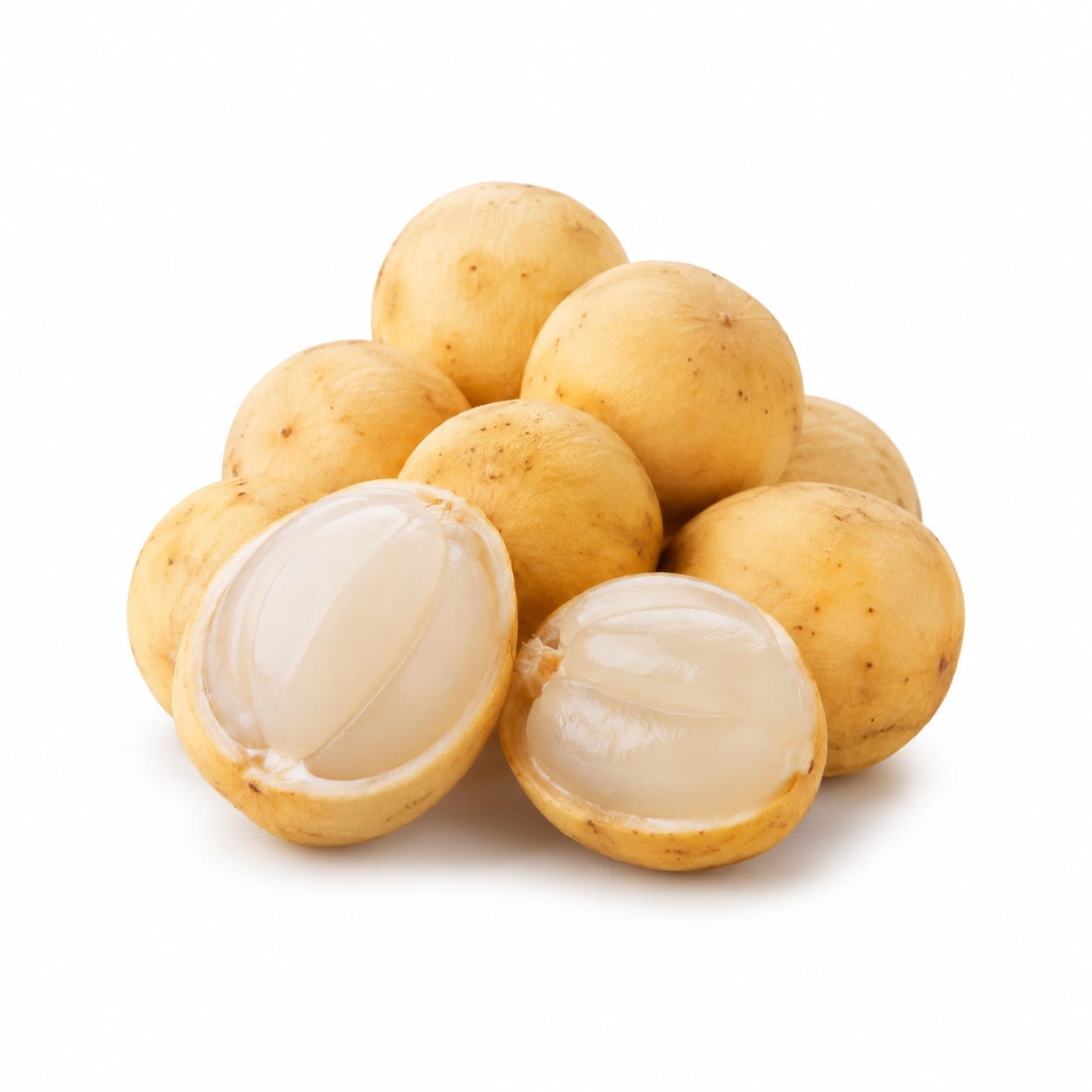
Langsat
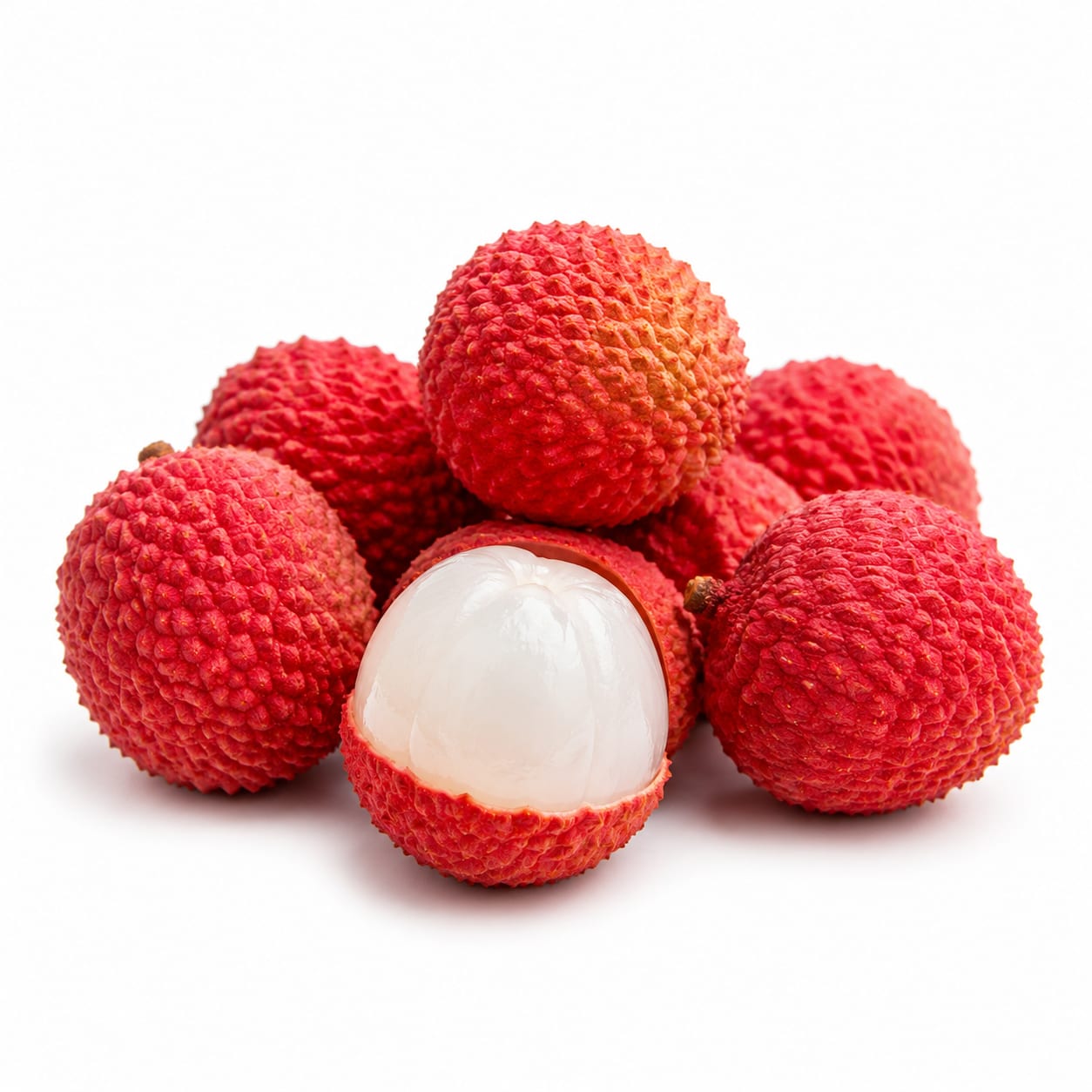
Lychee
Langsat is the safer, lower-sugar choice for regular snacking. Lychee delivers more vitamin C and antioxidant punch but carries real toxicity risks if eaten unripe or in excess.
Langsat edges ahead due to lower sugar, better safety profile, and digestive gentleness. Lychee scores well on vitamin C and availability but loses ground on sugar load and documented toxicity concerns with unripe fruit. The gap is moderate because both are whole, natural fruits with genuine nutritional merit.
Lychee gives you more vitamin C and a sweeter, more indulgent experience, but langsat keeps sugar lower and avoids the serious safety concerns tied to unripe lychee consumption.
At a glance
Executive summary
Overall
It depends
Healthier
Langsat
More practical
Lychee
Daily use
Langsat
Key comparison lenses
sugar and glycemic impact
Lychee is notably high in sugar while langsat offers a sweeter-sour balance with less sugar load, making glycemic impact the most critical differentiator
safety and toxicity concerns
Lychee carries documented risks from hypoglycin A and MCPG in unripe fruit, linked to encephalitis outbreaks in malnourished children — a rare but serious safety distinction
antioxidant and vitamin profile
Both offer vitamin C and antioxidants but through different compounds; lychee excels in vitamin C while langsat offers broader micronutrient diversity
availability and everyday practicality
Lychee is far more commercially available worldwide; langsat remains regional and harder to find outside Southeast Asia
digestive tolerance and comfort
Langsat's traditional use for digestive issues and lower sugar make it gentler on the stomach; lychee can cause bloating when eaten in quantity
Best choice for
Langsat
- People managing blood sugar or watching sugar intake
- Those who want a gentle, stomach-friendly tropical fruit
- Families with children where safety from toxicity is paramount
- Anyone eating tropical fruit daily as a regular habit
Lychee
- Those seeking maximum vitamin C from fruit
- People wanting a sweeter, more indulgent tropical treat
- Anyone with reliable access to fully ripe, quality fruit
- Occasional enjoyment rather than daily grazing
Least suitable for
Langsat
- People who cannot find it locally — availability is very limited
- Those wanting a high-vitamin-C fruit source
Lychee
- Children in malnourished or underfed contexts — toxicity risk is real
- People with diabetes or insulin resistance managing sugar carefully
- Anyone prone to overeating sweet fruit — lychee is very easy to binge on
Deep comparison
Dimension by dimension
Each lens scores both foods and breaks down who each option suits.
- Dimension 1 · Priority 92Langsat
sugar_and_glycemic_load
Langsat · 78Lychee · 45Langsat has meaningfully less sugar per serving. Lychee is one of the sweeter tropical fruits and can spike blood sugar noticeably.
Tradeoff
You sacrifice the intense sweetness of lychee for steadier energy and less insulin demand with langsat.
Why it matters
If you are watching blood sugar, managing weight, or simply trying to avoid the afternoon crash that follows a sugar spike, this difference is significant.
Real-world impact
A bowl of lychee can feel like eating candy — satisfying in the moment but leaving you hungry again soon. Langsat gives a more tempered sweetness that does not trigger the same cravings.
Langsat
- Steady energy without sugar crashes
- Better blood sugar control for diabetics or prediabetics
- Less likely to trigger overeating
Better for
- Less satisfying if you want a genuinely sweet treat
Worse for
Lychee
- Satisfies sweet cravings more effectively
- Quick energy boost after physical activity
Better for
- Higher risk of blood sugar spikes
- Easy to overconsume because of intense sweetness
- Less suitable as a daily-repeat fruit
Worse for
- Dimension 2 · Priority 88Langsat
safety_and_toxicity
Langsat · 90Lychee · 55Unripe lychee contains hypoglycin A and MCPG, toxins linked to acute encephalitis in undernourished children. Langsat has no comparable documented toxicity risk.
Tradeoff
Lychee is perfectly safe when fully ripe and eaten in moderation by well-nourished adults, but the risk profile is objectively worse, especially for vulnerable populations.
Why it matters
This is not a theoretical concern. Outbreaks of lychee-associated encephalitis have killed children in India and Vietnam. For families, this matters deeply.
Real-world impact
A well-fed adult eating ripe lychee from a grocery store is at very low risk. But a hungry child snacking on unripe lychee from a tree faces a genuinely dangerous situation.
Langsat
- No documented toxin risk at any ripeness stage
- Safe for children without special precautions
- No need to worry about ripeness for safety
Better for
- None significant for safety
Worse for
Lychee
- Ripe lychee from commercial sources is safe for healthy adults
Better for
- Unripe fruit contains dangerous toxins
- Fasting children are particularly vulnerable
- Requires ripeness awareness that most consumers lack
Worse for
- Dimension 3 · Priority 75Lychee
vitamin_and_antioxidant_profile
Langsat · 60Lychee · 82Lychee is a vitamin C powerhouse, delivering over 70mg per 100g. Langsat provides some vitamin C and B vitamins but at lower concentrations.
Tradeoff
You get more immune-supporting vitamin C from lychee, but langsat offers a slightly broader mix of minerals including calcium and iron.
Why it matters
If you are specifically trying to boost vitamin C intake through fruit, lychee is clearly the stronger choice.
Real-world impact
Eating lychee can meaningfully contribute to your daily vitamin C target in just one serving. Langsat helps but will not move the needle as much.
Langsat
- Broader mineral profile including calcium and iron
- Traditional use suggests digestive-supportive compounds
Better for
- Lower overall vitamin C content
- Less studied for specific antioxidant compounds
Worse for
Lychee
- Significantly more vitamin C per serving
- Contains oligonol, a unique antioxidant with anti-inflammatory potential
- Better for immune support during cold season
Better for
- Narrower micronutrient focus — mostly vitamin C and copper
Worse for
- Dimension 4 · Priority 70Lychee
availability_and_convenience
Langsat · 30Lychee · 85Lychee is widely available fresh, canned, and dried across global markets. Langsat is rarely found outside Southeast Asia and has almost no processed product presence.
Tradeoff
You can actually buy and eat lychee regularly. Langsat may be the better fruit on paper, but only if you can find it.
Why it matters
Nutritional superiority is irrelevant if you cannot access the food. For most people outside tropical Asia, langsat is simply not an option.
Real-world impact
You can grab canned lychee at most Asian grocery stores year-round. Finding fresh langsat requires living in or visiting the right region during the right season.
Langsat
- Less processed options when available — typically sold fresh and local
Better for
- Extremely limited geographic availability
- Almost no canned or processed options exist
- Short seasonal window even in native regions
Worse for
Lychee
- Available fresh, canned, and dried globally
- Easy to find in most mid-to-large grocery stores
- Year-round access through canned and frozen options
Better for
- Canned versions often contain added syrup and sugar
Worse for
- Dimension 5 · Priority 65Langsat
digestive_tolerance
Langsat · 80Lychee · 60Langsat has a long history of traditional use for digestive complaints and is gentler on the stomach. Lychee can cause bloating or discomfort when eaten in larger quantities.
Tradeoff
Langsat feels lighter and more comfortable after eating. Lychee's higher sugar and water content can sit heavier if you eat a lot.
Why it matters
If you have a sensitive stomach or tend to eat fruit in larger portions, the difference in digestive comfort becomes noticeable.
Real-world impact
A handful of langsat feels refreshing without any after-effect. A large bowl of lychee can leave you feeling puffy and overfull.
Langsat
- Traditional medicinal use for digestive soothing
- Lower sugar means less fermentation in the gut
- Better tolerated in larger portions
Better for
- Slightly astringent quality may not appeal to everyone
Worse for
Lychee
- High water content can be hydrating
Better for
- High sugar can feed gut fermentation and bloating
- Overeating is common and leads to discomfort
Worse for
Timeline
Health impact over time
Short-term
Hours to days
Langsat
- Provides gentle, steady energy without a sugar rush
- Mild digestive soothing effect reported in traditional use
- Refreshing hydration without the crash
Lychee
- Quick energy boost from high natural sugar content
- Noticeable vitamin C intake supporting immediate immune function
- Can cause bloating or sugar crash if eaten in large amounts
Long-term
Months to years
Langsat
- Lower cumulative sugar exposure supports metabolic health
- Consistent fiber intake aids digestive regularity
- Minimal safety concerns allow confident long-term consumption
Lychee
- High vitamin C intake supports skin health and immune resilience over time
- Oligonol antioxidants may contribute to reduced inflammation with regular consumption
- Frequent high-sugar fruit intake could contribute to insulin resistance if not moderated
Risk profile
Safety & processing
Both fruits are naturally whole foods when eaten fresh. The main concern is canned lychee, which is frequently packed in heavy syrup with added sugar, shifting it toward a more processed product. Fresh or frozen versions of both remain clean choices.
Langsat
Sap irritation
lowThe latex-like sap from langsat skin can cause mild skin irritation in sensitive individuals during peeling. Easily avoided by washing hands after handling.
Seed bitterness
lowLangsat seeds are extremely bitter and should not be eaten. Accidental ingestion of a small piece is harmless but unpleasant.
Lychee
Hypoglycin A and MCPG toxicity from unripe fruit
highUnripe lychee contains toxins that inhibit fatty acid oxidation and gluconeogenesis, causing dangerous hypoglycemia. This has caused fatal encephalitis outbreaks in undernourished children in India and Vietnam. Fully ripe fruit has minimal toxin levels.
Sulfur dioxide in dried lychee
mediumMany commercially dried lychee products use sulfur dioxide as a preservative, which can trigger reactions in sensitive individuals, particularly those with asthma.
Added sugar in canned lychee
mediumCanned lychee is typically packed in heavy syrup, dramatically increasing sugar content and making it closer to a dessert than a fresh fruit.
Who wins for whom
Audience fit
Same foods, different winners depending on your goal.
children
LangsatNo toxicity risk at any ripeness stage. Lychee's documented danger to undernourished children makes langsat the clearly safer option for families.
daily consumption
LangsatThe combination of lower sugar, better digestive tolerance, and no toxicity risk makes langsat more sustainable as a daily fruit habit.
diabetes
LangsatSignificantly lower sugar content and gentler glycemic impact make langsat the safer choice for blood sugar management.
elderly
LangsatLower sugar load, gentler digestion, and no safety concerns make langsat more appropriate for older adults managing metabolic and digestive health.
muscle gain
LycheeLychee provides quicker post-workout carbohydrates and more vitamin C for recovery, though neither fruit is a primary muscle-building food.
weight loss
LangsatLower sugar and calorie density make langsat easier to fit into a calorie-controlled plan without triggering cravings.
Your move
Decision guide
Choose Langsat
- You are managing blood sugar, weight, or metabolic health
- You want a fruit you can eat daily without concern
- You are feeding children and want maximum safety
- You live in or visit Southeast Asia where langsat is available
- You have a sensitive stomach and want something gentle
Choose Lychee
- You want a vitamin C-rich fruit for immune support
- You are seeking a sweeter, more indulgent tropical fruit experience
- You have reliable access to fully ripe, quality lychee
- You are a healthy, well-nourished adult eating it occasionally
- You want fruit options available year-round in global markets
Either works if
- You simply want a refreshing tropical fruit snack
- You are eating fruit in moderation as part of a balanced diet
- Both are available fresh and you want variety
Avoid both if
- You have a fructose intolerance or malabsorption issue
- You are on a very low-carb or ketogenic diet
- You have a known allergy to Sapindaceae family fruits
Final recommendation
If you can find langsat, it is the smarter everyday choice — lower sugar, safer profile, easier on digestion. But lychee earned its popularity for good reason: the flavor is extraordinary and the vitamin C content is genuinely useful. The key is treating lychee as an occasional treat rather than a daily staple, and always ensuring it is fully ripe. For daily fruit habits, langsat wins. For special occasions and flavor pleasure, lychee shines.
Practical
Consumer tips
- 1
If buying canned lychee, look for versions packed in water or light syrup rather than heavy syrup to avoid excessive added sugar.
- 2
Never eat lychee on an empty stomach, especially in large quantities — always pair it with some protein or fat to blunt the sugar spike.
- 3
When peeling langsat, wash your hands afterward to avoid any lingering sap irritation.
- 4
If you encounter langsat while traveling in Southeast Asia, try it — it is one of the most underrated tropical fruits and rarely available elsewhere.
- 5
Freeze fresh lychee when in season for a naturally sweet summer treat that lasts months.
- 6
Avoid giving lychee to children who have not eaten a proper meal beforehand — the toxicity risk is real and documented.