
Nutrition comparison
Langsat vs Longkong: Which Tropical Fruit Should You Choose?
Compare langsat and Longkong — two closely related Southeast Asian fruits. Learn which is sweeter, which has fewer seeds, and which offers better value for daily snacking.
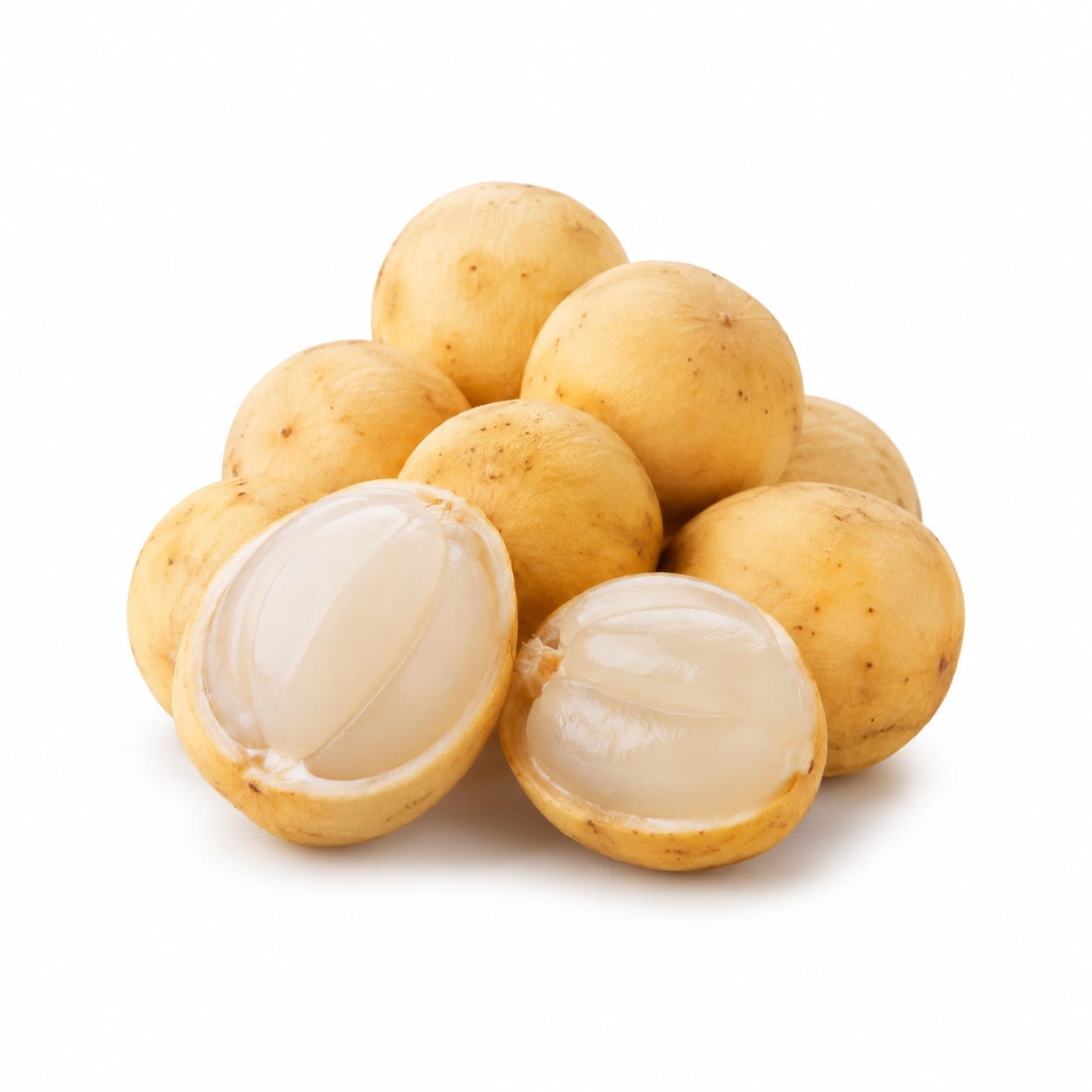
Langsat
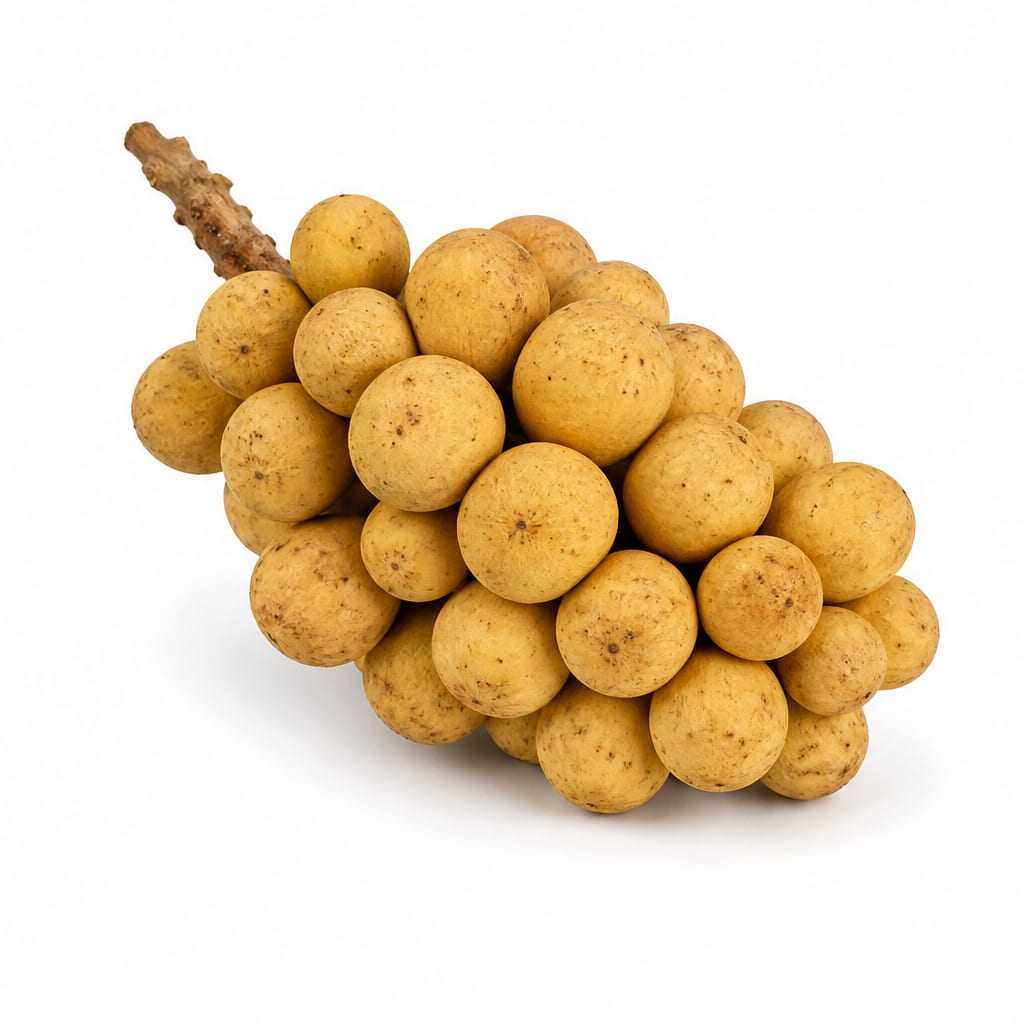
Longkong
Longkong is the sweeter, nearly seedless premium experience; langsat offers a tangier, more affordable, and equally nutritious alternative.
Longkong edges ahead for eating convenience and sweetness, but langsat stays competitive on nutrition, price, and flavor depth. The gap is small because both are wholesome, minimally processed fruits from the same botanical family.
You pay more for Longkong's convenience and sweetness, but langsat delivers nearly identical nutrition with a more complex sweet-sour flavor at a lower price.
At a glance
Executive summary
Overall
It depends
Healthier
It depends
More practical
Longkong
Daily use
Langsat
Key comparison lenses
taste and eating experience
These are closely related tropical fruits where sweetness, seed content, and texture are the primary decision drivers for consumers
nutritional subtleties
As varieties of the same species, nutritional differences are real but nuanced — users want to know if one is genuinely healthier
value and accessibility
Longkong commands premium pricing while langsat is more widely available; cost-to-benefit matters
digestive tolerance
Both fruits contain compounds that can affect sensitive stomachs, with slight differences in resin content
Best choice for
Langsat
- Budget-conscious tropical fruit lovers
- Those who enjoy sweet-sour flavor complexity
- People wanting antioxidant benefits without premium pricing
- Everyday snacking without guilt over cost
Longkong
- Those who dislike seeds in fruit
- People with a strong sweet tooth
- Gifting or serving guests — premium presentation
- Anyone willing to pay more for a cleaner eating experience
Least suitable for
Langsat
- People annoyed by seeds while eating
- Those sensitive to tart or sour notes
- Consumers expecting uniformly sweet fruit
Longkong
- Budget-limited shoppers
- Those who prefer complex tart-sweet balance
- People in regions where Longkong is unavailable or imported at high cost
Deep comparison
Dimension by dimension
Each lens scores both foods and breaks down who each option suits.
- Dimension 1 · Priority 92Longkong
Sweetness and Flavor
Langsat · 65Longkong · 88Longkong is noticeably sweeter with less sourness; langsat delivers a more complex sweet-sour balance that some find more interesting.
Tradeoff
If you want pure sweetness, Longkong wins easily. If you enjoy layered tropical flavor with a tangy kick, langsat is more rewarding.
Why it matters
Flavor drives whether you actually reach for the fruit again — a sweeter fruit may get eaten more often, but a more complex flavor can be more satisfying in smaller amounts.
Real-world impact
Kids and sweet-toothed adults typically prefer Longkong. Adventurous eaters and those who grew up with langsat often prefer its tart edge.
Langsat
- Complex flavor appreciation
- Those who find very sweet fruit cloying
- Pairing with savory or spicy dishes
Better for
- People expecting candy-like sweetness
- Those sensitive to sour flavors
Worse for
Longkong
- Consistent sweet snacking
- Pleasing picky eaters or children
- Dessert-like fruit experience
Better for
- Flavor enthusiasts wanting complexity
- Those who find very sweet fruit one-dimensional
Worse for
- Dimension 2 · Priority 88Longkong
Seed Content and Eating Convenience
Langsat · 50Longkong · 90Longkong is nearly seedless with thicker skin that peels cleanly; langsat typically contains 1-3 seeds per segment and has thinner, sometimes sticky skin.
Tradeoff
You eat Longkong faster with less frustration, but langsat's seeds are edible in small quantities and contain beneficial compounds.
Why it matters
Seeds interrupt the eating flow and can be a choking concern for children. Convenience often determines whether a fruit becomes a habit or a hassle.
Real-world impact
Spitting out seeds makes langsat a slower, messier snack. Longkong lets you pop segments quickly — better for sharing, commuting, or office snacking.
Langsat
- Accessing seed compounds with traditional medicinal value
- Slower, more mindful eating pace
Better for
- Children who might swallow seeds
- Messy eating situations
Worse for
Longkong
- Quick, clean snacking
- Serving to children safely
- Eating on the go
Better for
- Those who want the full traditional medicinal use of seeds
Worse for
- Dimension 3 · Priority 78It depends
Antioxidant and Vitamin Content
Langsat · 74Longkong · 72Both fruits offer similar antioxidant profiles with vitamin A, thiamine, and riboflavin. Langsat's slightly higher resin content may contribute marginally more bioactive compounds.
Tradeoff
The nutritional gap is negligible — choosing between them for health alone is not meaningful. Flavor and convenience should drive your decision.
Why it matters
Both fruits outperform many common snacks on antioxidants, but neither is a nutritional powerhouse compared to berries or citrus.
Real-world impact
Eating either fruit regularly contributes to your antioxidant intake. The difference between them is too small to notice in real health outcomes.
Langsat
- Slightly more bioactive resin compounds
- Traditional medicine applications
Better for
- People seeking a clearly superior nutritional choice
Worse for
Longkong
- Consistent nutrient delivery due to higher consumption ease
Better for
- Those wanting maximum traditional medicinal benefit
Worse for
- Dimension 4 · Priority 75Langsat
Price and Accessibility
Langsat · 85Longkong · 55Langsat is widely available across Southeast Asia at lower prices; Longkong is a premium cultivar, often costing significantly more and harder to find outside Thailand.
Tradeoff
You can eat langsat more often for less money, but Longkong feels like a special treat — which may actually help with portion mindfulness.
Why it matters
The best fruit for your health is the one you can afford to eat regularly. Premium pricing can turn a healthy habit into an occasional indulgence.
Real-world impact
A family can stock up on langsat weekly without budget strain. Longkong might be a once-per-season luxury for the same household.
Langsat
- Regular weekly consumption
- Feeding a family affordably
- Living outside Thailand where Longkong is scarce
Better for
- Those wanting a premium fruit experience
Worse for
Longkong
- Special occasions and gifting
- Markets with abundant Longkong supply
Better for
- Budget-limited households
- Regions with limited Longkong availability
Worse for
- Dimension 5 · Priority 65It depends
Digestive Tolerance
Langsat · 68Longkong · 70Both fruits contain latex-like resin that can irritate sensitive stomachs if eaten unripe or in excess. Longkong's lower resin content makes it slightly gentler.
Tradeoff
Langsat's higher resin contributes to its traditional medicinal value but increases the chance of mild stomach upset if overeaten.
Why it matters
Tropical fruit resin is a double-edged sword — medicinally useful but potentially irritating. Knowing your tolerance helps you enjoy these fruits safely.
Real-world impact
Eating more than 15-20 langsat pieces on an empty stomach can cause mild nausea in sensitive people. Longkong allows slightly more before the same effect.
Langsat
- Those using fruit traditionally for mild digestive cleansing
Better for
- People with irritable bowel or acid sensitivity
Worse for
Longkong
- People with sensitive stomachs
- Those prone to heartburn from acidic fruit
Better for
- Those seeking the traditional laxative-like effect
Worse for
Timeline
Health impact over time
Short-term
Hours to days
Langsat
- Quick natural sugar energy boost from fructose
- Mild digestive stimulation from resin compounds
- Hydration support from high water content
- Possible stomach discomfort if eaten unripe or in large quantities
Longkong
- Smoother energy boost with less digestive irritation
- Very hydrating due to high water content
- Less risk of stomach upset thanks to lower resin levels
- Satisfying sweet craving without processed sugar
Long-term
Months to years
Langsat
- Regular antioxidant intake supports cellular health
- Thiamine and riboflavin contribute to energy metabolism
- Fiber supports gut health when consumed as part of varied diet
- Affordability enables consistent long-term consumption
Longkong
- Similar antioxidant and vitamin benefits as langsat
- Easier eating experience may encourage more frequent fruit consumption
- Premium cost could limit how often you eat it long-term
- Lower resin intake means gentler long-term digestive impact
Risk profile
Safety & processing
Both langsat and Longkong are whole, fresh tropical fruits sold as nature made them. Neither typically receives waxes, coatings, or preservatives. The only processing concern is occasional sulfur dioxide treatment on imported shipments, which is rare in local Southeast Asian markets.
Langsat
Latex resin irritation
lowThe sticky resin can cause mild stomach upset or lip tingling if fruit is underripe. Fully ripe langsat has minimal resin.
Seed choking hazard
mediumSeeds are bitter and moderately hard — a choking risk for young children. Seeds should be removed before serving to kids under 5.
Pesticide residue on skin
lowSkin is not eaten, reducing exposure. Washing before peeling is still recommended.
Longkong
Mild resin irritation
lowLower resin content than langsat makes this less likely, but unripe Longkong can still cause slight mouth or stomach discomfort.
Seed choking hazard
lowLongkong is nearly seedless, making this a much smaller concern. Occasional soft seeds are not a significant risk.
Pesticide residue on skin
lowSame as langsat — skin is discarded, minimizing exposure. Wash before peeling.
Who wins for whom
Audience fit
Same foods, different winners depending on your goal.
children
LongkongLongkong's near-seedless nature and sweeter taste make it safer and more appealing for kids. No seed choking risk and children prefer the milder sweetness.
daily consumption
LangsatAffordability and availability make langsat the more sustainable daily habit. The best fruit for daily use is the one you can consistently access and afford.
diabetes
LangsatLangsat's lower sweetness and slightly lower sugar content per serving creates a gentler blood sugar response. Both should be portion-controlled by diabetics.
elderly
LongkongSofter texture, fewer seeds, and gentler digestion make Longkong easier for older adults to enjoy without discomfort.
muscle gain
It dependsNeither fruit is relevant for muscle gain — both are low in protein. Choose based on taste preference as a post-workout carb source.
weight loss
LangsatLangsat's tartness naturally limits overeating, and its lower price means you can eat it regularly without calorie-dense alternatives. Both are low-calorie, but langsat's flavor complexity satisfies with fewer pieces.
Your move
Decision guide
Choose Langsat
- You want the best value — more fruit for less money
- You enjoy sweet-sour complexity over pure sweetness
- You live in an area where Longkong is hard to find or overpriced
- You appreciate traditional medicinal properties of the resin and seeds
- You want a fruit that naturally limits overeating with its tartness
Choose Longkong
- You hate picking seeds out of fruit
- You're serving fruit to children and want safety plus sweetness
- You prefer a clean, sweet, dessert-like tropical fruit experience
- Budget is not a primary concern
- You want the most convenient eating experience possible
Either works if
- You simply want a hydrating, natural tropical snack
- You're looking for antioxidant-rich fruit alternatives to imported berries
- You want to replace processed sweets with whole fruit
- Both are available fresh at your local market
Avoid both if
- You have a known allergy to Meliaceae family fruits
- You experience mouth or throat irritation from tropical fruit latex
- You are on a strict low-sugar diet and need to minimize all fruit intake
- You cannot access fresh stock — both fruits degrade quickly after harvest
Final recommendation
If both are fresh and affordable, let the occasion decide: choose Longkong for sharing, gifting, or kid-friendly snacking, and langsat for everyday eating, complex flavor, and budget-friendly nutrition. Neither will disappoint — they are siblings, not strangers.
Practical
Consumer tips
- 1
Shake the cluster before buying — rattling seeds inside langsat mean it's overripe or dried out
- 2
Look for clusters with intact stems and no dark spots on the skin for both fruits
- 3
Refrigerate after purchase and consume within 2-3 days; both fruits spoil quickly at room temperature
- 4
Peel langsat with dry hands — the sticky resin transfers easily and is hard to wash off
- 5
If langsat tastes too sour, try the outer segments first — they tend to be sweeter than inner ones
- 6
Longkong with slightly greenish skin can ripen at room temperature over 1-2 days
- 7
Avoid buying pre-peeled versions — both fruits lose freshness and can absorb contaminants quickly
- 8
Wash both fruits before peeling even though you discard the skin, to avoid transferring residue to the flesh