
Nutrition comparison
Langsat vs Guava: Which Tropical Fruit Is Healthier?
Compare Langsat and Guava nutrition, fiber, vitamin C, and blood sugar impact. Guava dominates on health density, but Langsat offers a unique sweet-sour experience. Find out which to choose.
Overall winner · Guava
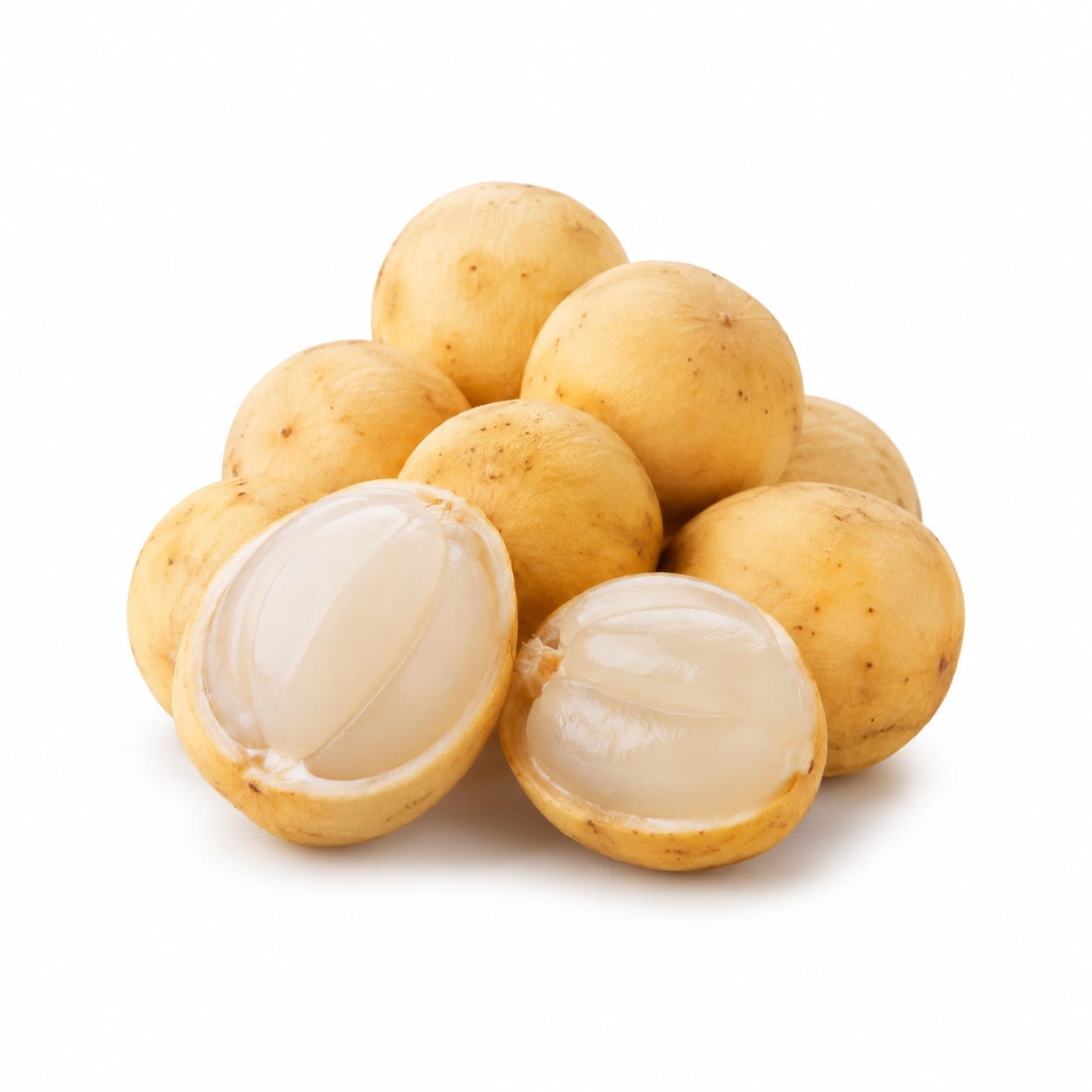
Langsat
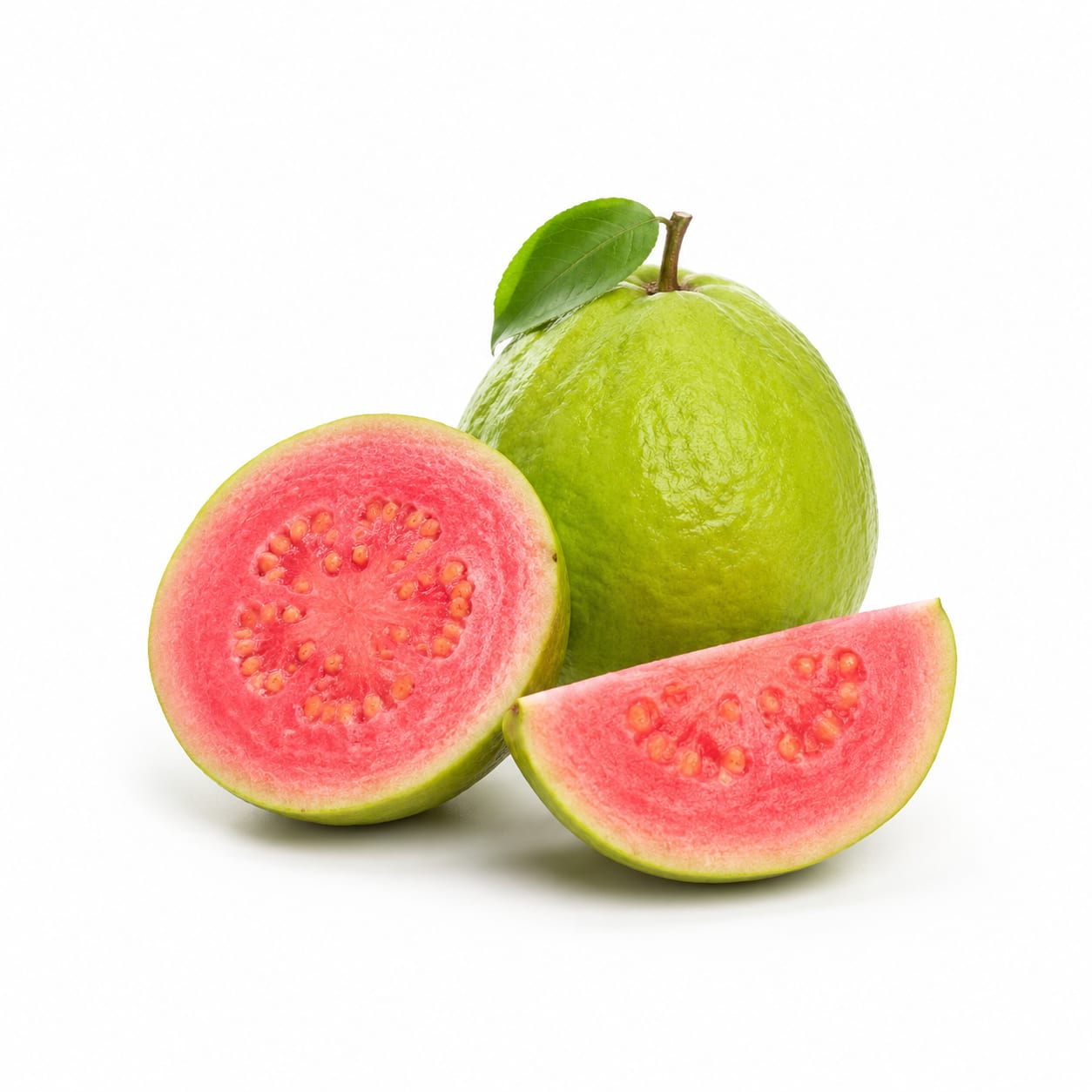
Guava
Guava dominates on nutrition, fiber, and vitamin C. Langsat offers a unique sweet-sour experience but cannot compete on health density.
Guava wins decisively on nutritional density, fiber, vitamin C, and blood sugar friendliness. Langsat scores lower primarily due to limited nutrient density, less fiber, higher sugar relative to nutrients, and poor availability outside its native region.
Langsat gives you a rare, delicate tropical treat. Guava gives you one of the most nutrient-packed fruits you can eat regularly.
At a glance
Executive summary
Overall
Guava
Healthier
Guava
More practical
Guava
Daily use
Guava
Key comparison lenses
Vitamin C and immune support comparison
Guava is one of the richest vitamin C sources on earth; Langsat has modest amounts. This gap is massive and affects immunity, skin, and antioxidant defense.
Fiber and digestive health
Guava delivers substantially more fiber, especially soluble fiber from seeds and flesh, making it far more filling and gut-friendly.
Blood sugar management
Guava has a well-documented low glycemic index and helps regulate blood sugar. Langsat is sweeter and less studied for glycemic impact.
Tropical fruit novelty versus nutritional reliability
Langsat is a regional specialty with cultural appeal but limited nutritional research. Guava is a globally recognized superfood with strong evidence.
Availability and everyday practicality
Guava is available year-round in most markets. Langsat is seasonal and hard to find outside Southeast Asia.
Best choice for
Langsat
- Culinary adventurers seeking exotic tropical flavors
- Southeast Asian cuisine authenticity
- Occasional novelty fruit experiences
- Those wanting a sweeter, lighter snack with less fiber bulk
Guava
- Daily fruit rotation focused on maximum nutrition
- Immune support and vitamin C optimization
- Blood sugar management and diabetic-friendly snacking
- Weight loss and satiety-focused eating
- Gut health and digestive regularity
Least suitable for
Langsat
- People who need reliable daily vitamin C intake
- Those managing diabetes who need low-glycemic options
- Anyone outside tropical regions where Langsat is unavailable
- Fiber-focused diets
Guava
- People who dislike seedy fruit textures
- Those seeking a mild, delicate flavor rather than bold tropical taste
- Individuals allergic to guava or myrtle family fruits
Deep comparison
Dimension by dimension
Each lens scores both foods and breaks down who each option suits.
- Dimension 1 · Priority 92Guava
Vitamin C and Antioxidant Power
Langsat · 25Guava · 98Guava contains roughly 228mg of vitamin C per 100g, which is over four times more than an orange. Langsat provides only modest amounts around 10-15mg per 100g.
Tradeoff
Langsat offers some unique antioxidants like lansic acid, but the sheer volume of vitamin C and lycopene in guava makes it far more protective against oxidative stress.
Why it matters
Vitamin C is critical for immune function, collagen production, and iron absorption. This gap means guava actively supports your immune system while Langsat provides minimal contribution.
Real-world impact
Eating one guava can cover your entire daily vitamin C needs. You would need to eat roughly 15 Langsat fruits to match that, which would also deliver far more sugar.
Langsat
- Mild antioxidant variety from lesser-known compounds
Better for
- Inadequate as a primary vitamin C source
Worse for
Guava
- Immune defense during cold season
- Skin health and collagen support
- Iron absorption when eaten with iron-rich meals
- Recovery from illness or surgery
Better for
- Excess vitamin C is generally harmless but can cause loose stools at very high intakes
Worse for
- Dimension 2 · Priority 85Guava
Fiber and Satiety
Langsat · 35Guava · 88Guava delivers about 5.4g of fiber per 100g, much of it soluble. Langsat provides roughly 2g per 100g, making it significantly less filling.
Tradeoff
Langsat is lighter and easier to eat in quantity, but this comes at the cost of minimal satiety. Guava's seeds and flesh create lasting fullness that helps prevent overeating.
Why it matters
Fiber controls hunger, stabilizes blood sugar, feeds gut bacteria, and supports healthy digestion. Guava's fiber advantage makes it a genuine weight management tool.
Real-world impact
A guava as a mid-afternoon snack will keep you full for 1-2 hours. Langsat will satisfy a sweet craving briefly but leave you hungry again within 30 minutes.
Langsat
- Light snacking when you want something sweet without feeling heavy
Better for
- Hunger returns quickly after eating
- Less helpful for digestive regularity
Worse for
Guava
- Weight loss and appetite control
- Gut microbiome health
- Digestive regularity and constipation prevention
- Sustained energy between meals
Better for
- Seeds can be annoying for those who prefer smooth textures
- Very high fiber may cause bloating if you are not used to it
Worse for
- Dimension 3 · Priority 80Guava
Blood Sugar Impact
Langsat · 40Guava · 85Guava has a glycemic index of roughly 12-24, making it one of the most blood sugar-friendly fruits available. Langsat is sweeter with less fiber to buffer glucose absorption.
Tradeoff
Langsat's sweeter taste is enjoyable but comes with less protection against blood sugar spikes. Guava's fiber and low GI make it safe even for diabetics.
Why it matters
Blood sugar stability affects energy, mood, cravings, and long-term metabolic health. Choosing the wrong fruit can trigger energy crashes and hunger cycles.
Real-world impact
Diabetics can eat guava without worrying about glucose spikes. Langsat should be portion-controlled by anyone monitoring blood sugar closely.
Langsat
- A quick sweet treat for metabolically healthy individuals
Better for
- Can contribute to blood sugar fluctuations if eaten in large amounts
Worse for
Guava
- Diabetics and pre-diabetics
- PCOS management
- Steady afternoon energy without crashes
- Metabolic syndrome prevention
Better for
- No significant downside for blood sugar
Worse for
- Dimension 4 · Priority 68Guava
Mineral and Micronutrient Diversity
Langsat · 42Guava · 78Guava provides strong potassium, folate, vitamin A, and lycopene content. Langsat offers some iron and phosphorus but in smaller nutritionally meaningful quantities.
Tradeoff
Langsat contains trace amounts of unique compounds like lansic acid with traditional medicinal value, but guava's broad micronutrient profile is far more impactful for daily health.
Why it matters
Potassium supports blood pressure and heart health. Folate matters for cell repair and pregnancy. Lycopene protects against cellular damage. Guava delivers all three meaningfully.
Real-world impact
Regular guava consumption supports heart health and blood pressure regulation. Langsat's mineral contributions are too small to create noticeable health effects.
Langsat
- Traditional Southeast Asian medicine applications
- Small amounts of bioactive compounds not found in common fruits
Better for
- Mineral content is too low to serve as a meaningful dietary source
Worse for
Guava
- Heart health and blood pressure support
- Prenatal nutrition through folate
- Eye health from vitamin A
- Cellular protection from lycopene in pink varieties
Better for
- Not a significant iron source despite containing some
Worse for
- Dimension 5 · Priority 65Guava
Availability and Practical Convenience
Langsat · 20Guava · 80Guava is available in most grocery stores worldwide, often year-round. Langsat is seasonal, fragile, and rarely found outside Southeast Asian markets.
Tradeoff
Langsat's rarity makes it special and culturally authentic, but you simply cannot rely on it as a regular fruit. Guava is practical for consistent daily nutrition.
Why it matters
The healthiest fruit is the one you can actually buy and eat regularly. Exotic fruits are wonderful experiences but poor foundations for daily nutrition planning.
Real-world impact
You can find guava in most cities any week of the year. Finding Langsat requires specialty Asian markets during a narrow harvest window.
Langsat
- Specialty culinary experiences and cultural authenticity
- Exciting find at farmers markets in tropical regions
Better for
- Cannot be relied on for regular consumption
- Short shelf life and fragile skin
- Latex sap can be messy during peeling
Worse for
Guava
- Consistent weekly grocery shopping
- Meal prep and planning
- Travel-friendly snacking
- Reliable daily fruit intake
Better for
- Some regions only offer imported guava at premium prices
Worse for
- Dimension 6 · Priority 55It depends
Taste and Eating Experience
Langsat · 72Guava · 70Langsat offers a delicate sweet-sour balance with a unique floral aroma. Guava delivers bold tropical sweetness with creamy flesh and crunchy seeds. Both are enjoyable in different ways.
Tradeoff
Langsat is more subtle and refined. Guava is more intense and versatile. Preference depends entirely on personal taste and culinary context.
Why it matters
Enjoyment determines whether you actually eat a fruit consistently. Both score well here, but for different moods and occasions.
Real-world impact
Langsat feels like a special treat you savor slowly. Guava feels like a satisfying everyday fruit you can pair with anything.
Langsat
- Delicate dessert-style eating
- Appreciating subtle floral and citrus notes
- Sharing as a conversation-starting exotic fruit
Better for
- Bitter seeds if accidentally bitten
- Sticky latex residue on fingers
Worse for
Guava
- Smoothies and juices
- Fruit salads and toppings
- Savory pairings like guava with cheese or chili
- Bold tropical flavor cravings
Better for
- Seeds can be texturally unpleasant for some
- Aroma can be overpowering for sensitive noses
Worse for
Timeline
Health impact over time
Short-term
Hours to days
Langsat
- Quick sweet energy from natural sugars
- Mild digestive comfort from small fiber amounts
- Refreshing hydration from high water content
- Potential mild stomach upset if eating unripe or too many at once
Guava
- Strong satiety that reduces snacking for 1-2 hours
- Stable blood sugar without energy crashes
- Immediate vitamin C boost supporting immune readiness
- Possible bloating if unaccustomed to high fiber intake
Long-term
Months to years
Langsat
- Limited nutritional contribution if relied on as a primary fruit
- Enjoyment and cultural connection to Southeast Asian food traditions
- Minimal protective effect against chronic disease compared to nutrient-dense alternatives
Guava
- Reduced risk of vitamin C deficiency and related immune weakness
- Better long-term blood sugar regulation and metabolic health
- Improved digestive regularity and gut microbiome diversity
- Cardiovascular support from potassium and soluble fiber
- Skin aging slowdown from consistent antioxidant intake
Risk profile
Safety & processing
Both Langsat and Guava are whole, unprocessed fruits eaten in their natural state. Neither carries additive concerns when consumed fresh. The main difference is that guava is also commonly available as processed juice or paste, which can contain added sugar. Always prefer whole fresh guava over processed guava products.
Langsat
Latex sap skin irritation
lowLangsat secretes a sticky white latex when peeled that can cause mild skin irritation in sensitive individuals. Wash hands after handling.
Bitter seed ingestion
lowSeeds inside Langsat are extremely bitter and can cause mild stomach discomfort if chewed and swallowed in quantity. Spit them out as you eat.
Rapid spoilage
mediumLangsat has a very short shelf life of 2-4 days at room temperature. Spoiled fruit can harbor mold and bacteria. Refrigerate immediately and consume quickly.
Guava
Pesticide residue on conventionally grown guava
mediumGuava's edible skin can retain pesticide residues. Washing thoroughly helps, but choosing organic reduces exposure significantly.
Seed-related dental concern
lowGuava seeds are hard and can potentially crack weak teeth or damage dental work if bitten forcefully. Chew carefully.
Fruit fly larvae in overripe fruit
lowOverripe guava can attract fruit flies and occasionally contain larvae. Inspect fruit before eating and avoid bruised or overly soft specimens.
Who wins for whom
Audience fit
Same foods, different winners depending on your goal.
children
GuavaGuava provides essential vitamin C, fiber, and folate for growing bodies. Langsat's bitter seeds and sticky latex make it less kid-friendly, and its nutritional contribution is weaker.
daily consumption
GuavaGuava's nutritional profile, availability, and blood sugar stability make it ideal for daily eating. Langsat is better as an occasional treat due to limited access and lower nutrient density.
diabetes
GuavaGuava's very low glycemic index and high fiber make it one of the safest fruits for blood sugar management. Langsat's sweeter profile and lower fiber offer less protection.
elderly
GuavaGuava supports heart health, digestion, and immune function, all critical for older adults. Langsat's lower nutrient density and shorter shelf life make it less practical.
muscle gain
It dependsNeither fruit is a protein source. Guava offers slightly more vitamin C which supports exercise recovery, but the difference is minor for muscle building specifically.
weight loss
GuavaGuava's high fiber and low calorie density create lasting fullness. Langsat's lower fiber means you eat more to feel satisfied, increasing calorie intake.
Your move
Decision guide
Choose Langsat
- You live in or visit Southeast Asia during Langsat season and want an authentic local experience
- You already eat nutrient-dense fruits daily and want something unique for variety
- You prefer delicate, subtle sweetness over bold tropical intensity
- You are curious about traditional medicinal fruits with cultural significance
Choose Guava
- You want maximum nutrition from every calorie you eat
- You are managing blood sugar, weight, or digestive health
- You need a reliable daily fruit you can find at any grocery store
- You want immune support, especially during cold and flu season
- You are pregnant and need folate and vitamin C
- You are building a sustainable healthy eating pattern
Either works if
- You simply enjoy tropical fruits and want variety in your diet
- You are metabolically healthy and eat a diverse range of fruits already
- You are looking for a natural whole-food snack instead of processed options
Avoid both if
- You have a known allergy to either fruit or their plant families
- You are on a strict very-low-carb or ketogenic diet and cannot accommodate fruit sugars
- You have severe fructose intolerance
Final recommendation
Make guava your everyday tropical fruit. It delivers exceptional vitamin C, fiber, and blood sugar stability that Langsat simply cannot match. Save Langsat for when you encounter it as a special treat during its short season. If you live in Southeast Asia, enjoy both, but let guava carry the nutritional load while Langsat provides the cultural and culinary joy.
Practical
Consumer tips
- 1
Choose pink or red guava over white varieties for significantly more lycopene and antioxidant power
- 2
Wash guava thoroughly under running water if eating the skin, or peel it to reduce pesticide exposure
- 3
Refrigerate Langsat immediately after purchase and consume within 3 days for best quality
- 4
Freeze ripe guava chunks for smoothies, which preserves nutrients and creates a creamy texture
- 5
If Langsat is unavailable, consider longan or rambutan as similar tropical alternatives with slightly better nutrient profiles
- 6
Pair guava with a handful of nuts for a balanced snack that adds healthy fats and protein to the fiber and carbs
- 7
Avoid guava juice and paste products that often contain added sugar, which negates the blood sugar benefits of whole guava